ADB grants $800 million aid to Pak despite objections; India flags concerns, demands close monitoring

&imwidth=600&imheight=450&format=webp&quality=medium "ADB grants $800 million aid to Pak despite objections; India flags concerns, demands close monitoring")
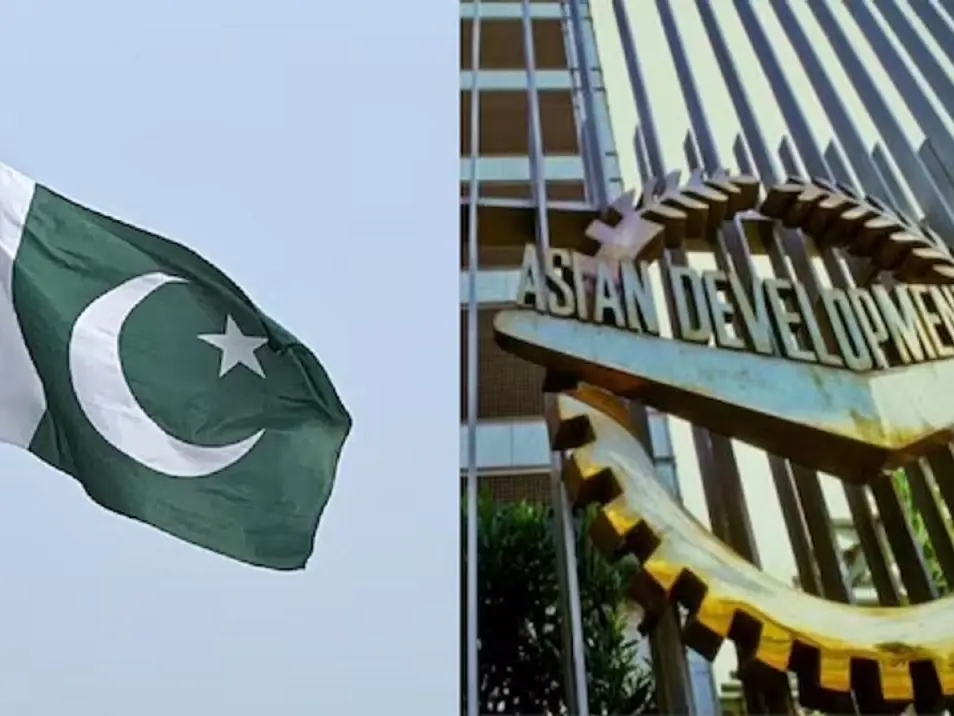
Representative image
India said that if Pakistan had succeeded in putting in place a sound macroeconomic policy environment in the previous programmes funded by the IMF and ADB, then it would not have approached the IMF for the 24th bailout programme.
The Asian Development Bank (ADB) has approved an $800 million bailout package for Pakistan despite fervent objections by India to any form of aid being extended to the neighbouring country owing to its record of terror financing. The ADB decision comes a month after Pakistan secured a $1 billion (around Rs 8,500 crore) package from the International Monetary Fund (IMF).
India strongly objected to ADB’s approval and raised serious concerns about the potential misuse of funds, citing Islamabad’s rising defence expenditure and declining domestic resource mobilisation.
New Delhi cited the clear disparity in Pakistan’s increasing defence spending and its declining tax-to-GDP ratio, signifying that policy-based loans might be enabling higher military allocations indirectly.
India points out Pakistan’s poor tax-to-GDP ratio
India pointed out that Pakistan’s tax-to-GDP ratio has dropped from 13% in FY2018 to 9.2% in FY2023, far below the Asia-Pacific average of 19%, but in spite of this decline in domestic revenue generation, the country has ramped up its defence spending, signalling its misplaced fiscal priorities.
Indian government sources cautioned the ADB that the funds it is providing may end up being diverted away from developmental objectives.
Trending Stories
&imwidth=280&imheight=210&format=webp&quality=medium)
&imwidth=280&imheight=210&format=webp&quality=medium)
&imwidth=280&imheight=210&format=webp&quality=medium)
&im=FitAndFill=(700,400)&imwidth=280&imheight=210&format=webp&quality=medium)
&imwidth=280&imheight=210&format=webp&quality=medium)
&imwidth=280&imheight=210&format=webp&quality=medium)
&imwidth=280&imheight=210&format=webp&quality=medium)
&imwidth=280&imheight=210&format=webp&quality=medium)
&imwidth=280&imheight=210&format=webp&quality=medium)
&imwidth=280&imheight=210&format=webp&quality=medium)
&imwidth=280&imheight=210&format=webp&quality=medium)
&imwidth=280&imheight=210&format=webp&quality=medium)
&imwidth=280&imheight=210&format=webp&quality=medium)
&imwidth=280&imheight=210&format=webp&quality=medium)
&imwidth=280&imheight=210&format=webp&quality=medium)
&imwidth=280&imheight=210&format=webp&quality=medium)
&imwidth=280&imheight=210&format=webp&quality=medium)
&imwidth=280&imheight=210&format=webp&quality=medium)
&imwidth=280&imheight=210&format=webp&quality=medium)
&imwidth=280&imheight=210&format=webp&quality=medium)
&imwidth=280&imheight=210&format=webp&quality=medium)
&imwidth=280&imheight=210&format=webp&quality=medium)
&imwidth=280&imheight=210&format=webp&quality=medium)
&imwidth=280&imheight=210&format=webp&quality=medium)
&imwidth=280&imheight=210&format=webp&quality=medium)
&imwidth=280&imheight=210&format=webp&quality=medium)
&imwidth=280&imheight=210&format=webp&quality=medium)
&im=FitAndFill=(700,400)&imwidth=280&imheight=210&format=webp&quality=medium)
&imwidth=280&imheight=210&format=webp&quality=medium)
&imwidth=280&imheight=210&format=webp&quality=medium)
&imwidth=280&imheight=210&format=webp&quality=medium)
&imwidth=280&imheight=210&format=webp&quality=medium)
&imwidth=280&imheight=210&format=webp&quality=medium)
&imwidth=280&imheight=210&format=webp&quality=medium)
The ADB on June 3 approved the Improved Resource Mobilization and Utilization Reform Program – Subprogram 2 to “boost Pakistan’s public finance”. It includes a policy-based loan of $300 million, and ADB’s first ever policy-based guarantee of up to $500 million, which may enable mobilisation of up to $1 billion from commercial banks.
“The linkage between Pakistan’s increase in expenditure on its military, as opposed to on development, cannot be fully explained solely in terms of its domestic resource mobilisation,” one of the sources said.
India said that if Pakistan had succeeded in putting in place a sound macro-economic policy environment in the previous programmes funded by the IMF and ADB, then it would not have approached the IMF for the 24th bailout programme.
Pakistan’s poor track record of implementation is due to the military’s deep-seated interference in economic affairs, posing risks of policy slippages and reversal of reforms as witnessed in the past, the sources said.
“Even when a civilian government is in power now, the army continues to play an outsized role in domestic politics and extends its tentacles deep into the economy,” they said.
New Delhi demands close monitoring
“India expects the ADB to closely monitor the implementation of the policy matrix to achieve the intended outcomes,” the sources said.
India also highlighted that the economic fragility of Pakistan poses credit risks to the ADB too, as its continued reliance on external debt raises concerns about the long-term sustainability of future exposures, especially in view of the high debt-to-GDP ratio and poor credit rating of the country.
After the Pahalgam terror attack, India approached major global lending bodies and urged them to pause future loan packages to Pakistan.
India is also likely to actively pursue the FATF to get Pakistan back onto its ‘grey list’ that will increase scrutiny of its financial transactions.

