A shield for a billion people: Modi’s audacious vision for national security

&imwidth=600&imheight=450&format=webp&quality=medium "A shield for a billion people: Modi’s audacious vision for national security")
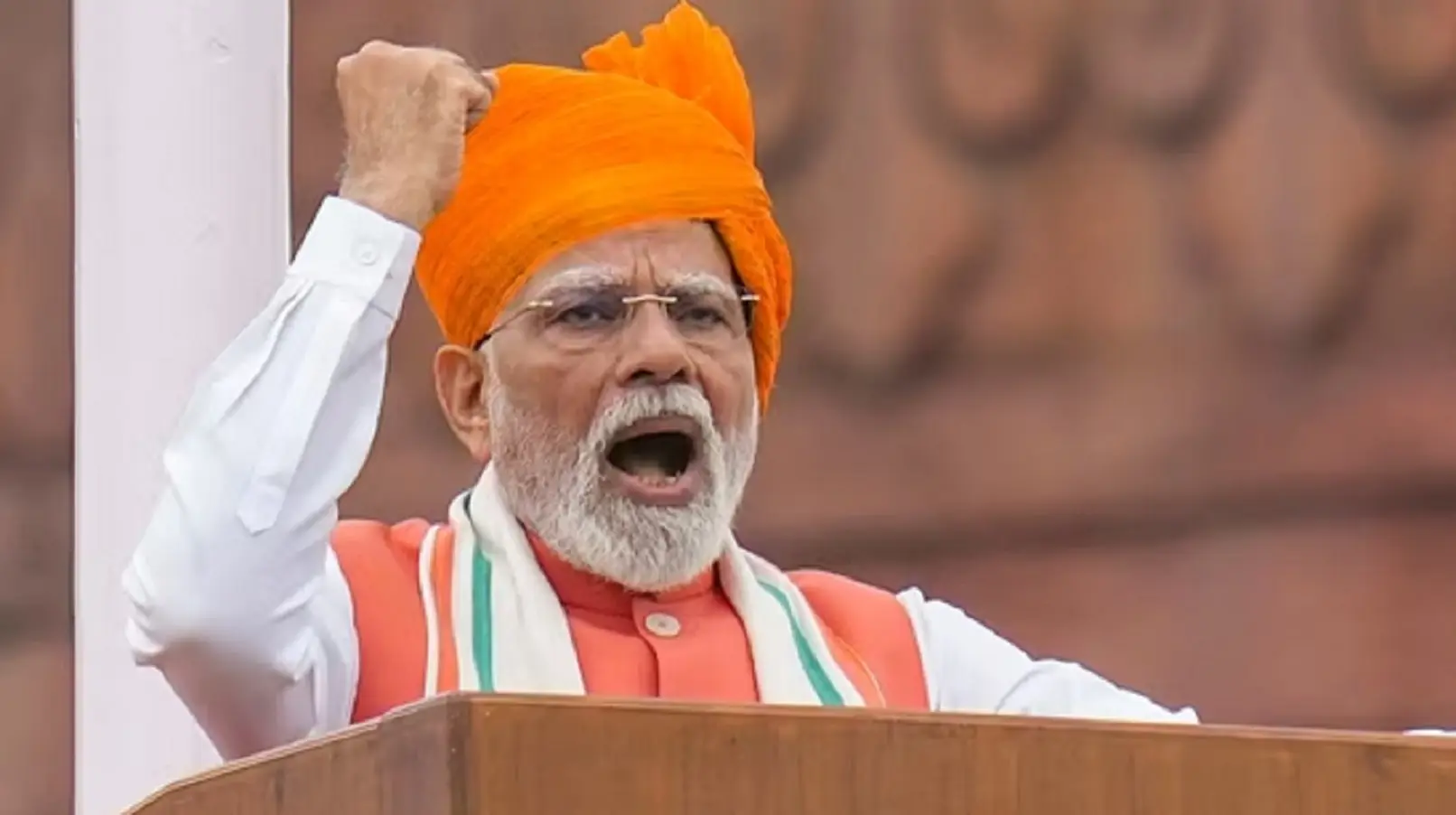
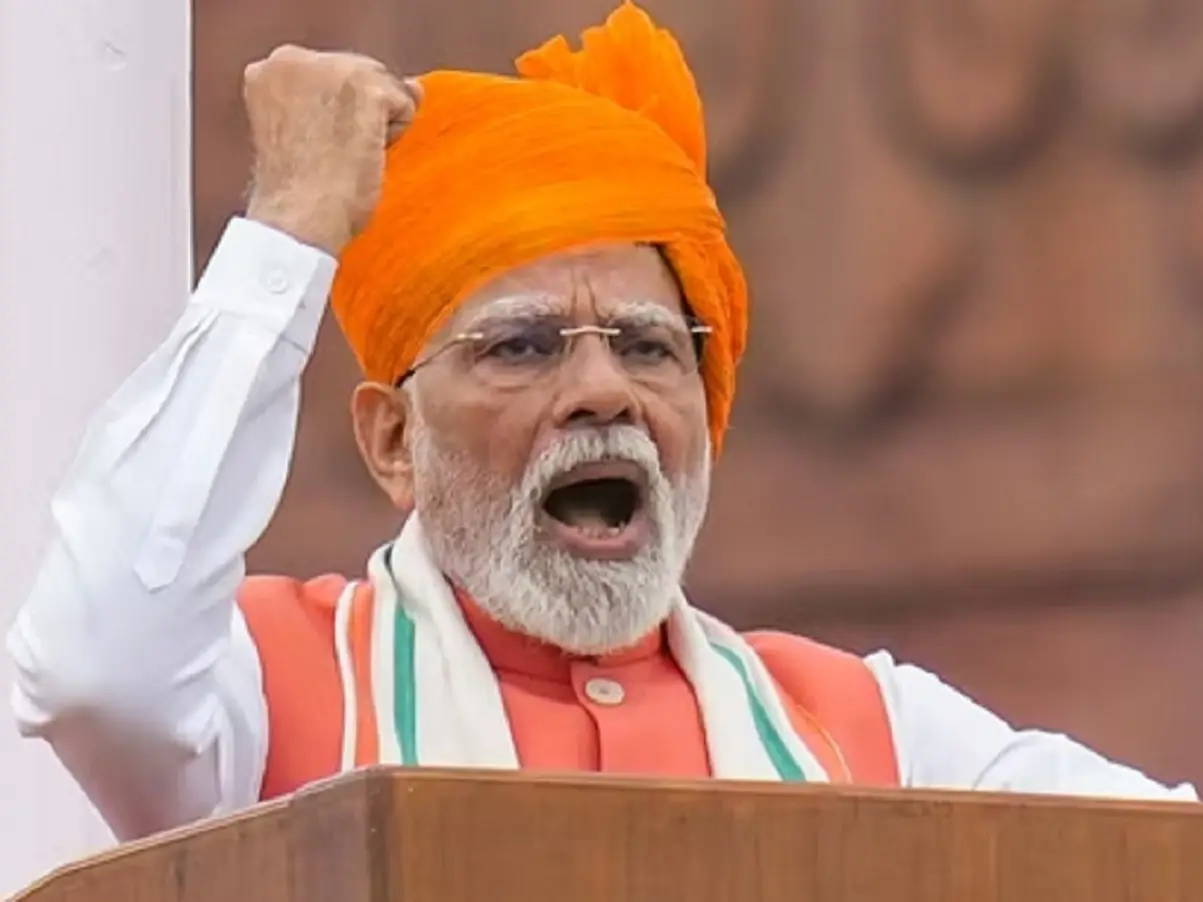
Prime Minister Narendra Modi addresses the nation from the Red Fort on Independence Day in Delhi. Photograph: (PTI)
The Sudarshan Chakra system will weave together cutting-edge surveillance technology, robust cybersecurity defences, and precision strike-back capabilities into one unified protective umbrella covering both military installations and civilian areas.
The prime minister’s bombshell announcement in his Independence Day speech promises a homegrown missile dome and jet engines to transform India into a global defence export giant. In a rousing Independence Day address from the Red Fort on Friday, Prime Minister Narendra Modi dropped two major defence bombshells that could reshape India’s military landscape and attract billions in investment to defence stocks.
The centrepiece announcement of ‘Mission Sudarshan Chakra’—named after Lord Krishna’s celestial spinning disc—is a comprehensive missile defence system that Modi promised would create an impenetrable dome over India by 2035. Think of it as India’s answer to Israel’s famous Iron Dome, but with a distinctly Indian flavour and ambition.
Beyond just stopping missiles
Unlike traditional missile shields, Modi’s vision extends far beyond intercepting incoming threats. The Sudarshan Chakra system will weave together cutting-edge surveillance technology, robust cybersecurity defences, and precision strike-back capabilities into one unified protective umbrella covering both military installations and civilian areas.
The timing couldn’t be more significant. This announcement comes just weeks after Pakistan’s military chief reportedly threatened to target major Indian assets, including Reliance’s massive Jamnagar refinery, in any future conflict. It also follows recent terror attempts that Indian defences successfully thwarted, proving the system’s necessity.
The jet engine challenge
Trending Stories
&imwidth=280&imheight=210&format=webp&quality=medium)
&imwidth=280&imheight=210&format=webp&quality=medium)
&im=FitAndFill=(700,400)&imwidth=280&imheight=210&format=webp&quality=medium)
&imwidth=280&imheight=210&format=webp&quality=medium)
&imwidth=280&imheight=210&format=webp&quality=medium)
&imwidth=280&imheight=210&format=webp&quality=medium)
&imwidth=280&imheight=210&format=webp&quality=medium)
&imwidth=280&imheight=210&format=webp&quality=medium)
&imwidth=280&imheight=210&format=webp&quality=medium)
&imwidth=280&imheight=210&format=webp&quality=medium)
&imwidth=280&imheight=210&format=webp&quality=medium)
&imwidth=280&imheight=210&format=webp&quality=medium)
&imwidth=280&imheight=210&format=webp&quality=medium)
&imwidth=280&imheight=210&format=webp&quality=medium)
&imwidth=280&imheight=210&format=webp&quality=medium)
&imwidth=280&imheight=210&format=webp&quality=medium)
&imwidth=280&imheight=210&format=webp&quality=medium)
&imwidth=280&imheight=210&format=webp&quality=medium)
&imwidth=280&imheight=210&format=webp&quality=medium)
&imwidth=280&imheight=210&format=webp&quality=medium)
&imwidth=280&imheight=210&format=webp&quality=medium)
&imwidth=280&imheight=210&format=webp&quality=medium)
&imwidth=280&imheight=210&format=webp&quality=medium)
&imwidth=280&imheight=210&format=webp&quality=medium)
&imwidth=280&imheight=210&format=webp&quality=medium)
&imwidth=280&imheight=210&format=webp&quality=medium)
&im=FitAndFill=(700,400)&imwidth=280&imheight=210&format=webp&quality=medium)
&imwidth=280&imheight=210&format=webp&quality=medium)
&imwidth=280&imheight=210&format=webp&quality=medium)
&imwidth=280&imheight=210&format=webp&quality=medium)
&imwidth=280&imheight=210&format=webp&quality=medium)
&imwidth=280&imheight=210&format=webp&quality=medium)
&imwidth=280&imheight=210&format=webp&quality=medium)
Modi’s second major call to action targeted India’s decades-old Achilles heel—jet engines. Despite launching the ambitious Kaveri engine programme nearly four decades ago, India still relies heavily on foreign suppliers for this critical technology. The Prime Minister’s direct appeal to young engineers and scientists reflects growing frustration with delays in partnerships with US giant GE Aerospace, which have pushed back delivery schedules for India’s indigenous Tejas fighter jets.
Record-breaking defence boom
The ambitious announcements come as India’s defence sector hits unprecedented heights. Defence production soared to ₹1.5 lakh crore in the past financial year—an 18% jump from the previous year and nearly double the 2019-20 figures. More impressively, defence exports rose to ₹23,622 crore, with international demand surging particularly for the BrahMos missile system after its demonstrated effectiveness in recent operations.
The $6 billion export target
The government has set its sights on reaching ₹50,000 crore (roughly $6 billion) in annual defence exports by 2029. This ambitious target positions India to become a major player in the global arms market, moving from defence importer to exporter.
For investors, these announcements signal potential goldmine opportunities in defence stocks, as Modi’s vision requires massive public and private sector collaboration. The mission promises to harness India’s growing pool of technical talent while creating thousands of high-skilled jobs in the defence manufacturing sector.
The Prime Minister’s Independence Day speech essentially threw down the gauntlet—transform India from a defence equipment buyer into a self-reliant military technology powerhouse that exports cutting-edge weapons worldwide. With the 2035 deadline, the clock is now ticking on one of India’s most ambitious military modernisation projects ever conceived.