
&imwidth=800&imheight=600&format=webp&quality=medium "12 years of Modi govt: How technology transformed everyday life in India")
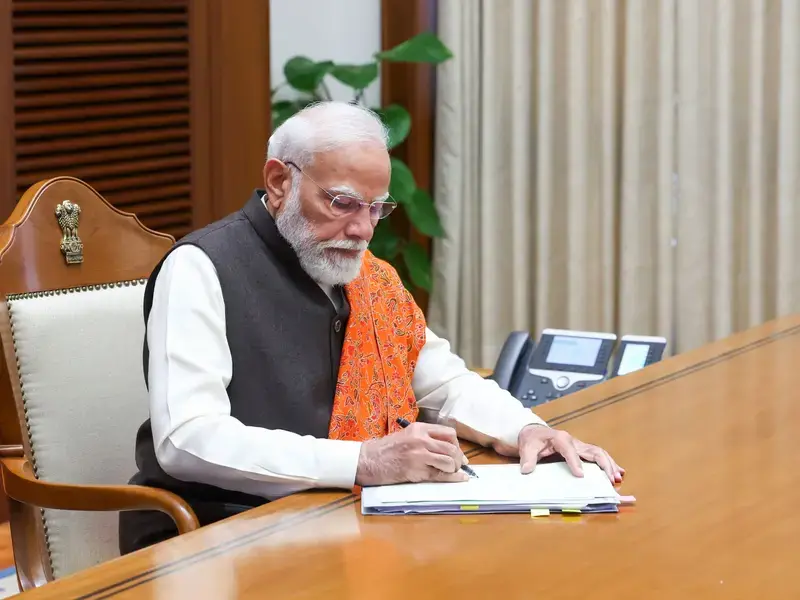
As Prime Minister Narendra Modi's government completes 12 years, let us take a look at the technological advancements that have taken place. UPI, a boon to India and Indians travelling abroad, is now available in nine countries. When in India, even expats are surprised at how widely UPI is used, from your local grocery store to your rickshaw drivers; everybody is accepting online transactions. Carrying cash around is almost a thing of the past. During the pandemic, even a developed country like the US was using paper cards to keep records of vaccines, but with the CoWIN app, Indian citizens had their vaccination details and certificates online. Paper was saved, and protecting the card wasn't even a requirement. EAM S. Jaishankar shared his experience while going to a restaurant in America when he was visiting his son, who lives there. "They wanted to see our Covid vaccine certificate. I showed them my phone, and my son, from his wallet, produced a paper, which was folded, and said this is my certificate."
Jaishankar continued with a smile: “I looked at his paper...and I asked myself...this is where they are.”
UPI used in countries outside India:

- Bhutan: The very first country to adopt UPI (via the BHIM app) back in 2021.
- Singapore: Highly mature network integrated directly with Singapore’s PayNow system. You can scan and pay at most major merchants or send money instantly.
- United Arab Emirates (UAE): Widely operational across thousands of major retail outlets, malls, and supermarkets (via the NEOPAY network).
- Nepal: Fully operationalised as a core payment framework, making it incredibly easy to use local QRs in major hubs like Kathmandu and Pokhara.
- Cambodia: The latest country to fully launch operational capabilities via the national Khmer Quick Response (KHQR) code system.
Partially operational
Trending Stories
)
Did India risk its US trade deal despite softer stance at BRICS?
)
Trump rejects AI guardrails, says he stopped AI firms from doing ‘bad things’
)
Pakistan puts Pak Rs 70 lakh bounty on UN terrorist Masood Azhar; move draws skepticism in Delhi
)
‘US ensuring global energy supplies’: Trump demands reimbursement for securing Strait of Hormuz
)
'Huge destructive power': North Korea calls its latest missile launches 'live-fire drill' even as US dismisses 'immediate threat'
)
Historic first: ‘Ganga aarti’ performed on River Thames in London
)
‘Let’s go’: Newly declassified videos show dramatic rescue of US Air Force officers downed in Iran
&im=FitAndFill=(700,400))
Why European Meteor missiles use ramjet engines compared to standard US solid rockets
)
Iran, India agree to deepen humanitarian and political ties, President Pezeshkian says
)
‘Want to reset ties with India, have engagement based on mutual interests,’ says Bangladesh minister
)
Turkish Airlines plane flies through a storm three times, triggering severe turbulence
&im=FitAndFill=(700,400))
Why Chinese PL-15 air-to-air missiles use dual-pulse motors compared to European interceptors
)
BRICS set of guidelines for disaster management
)
800 million years old - Scientists discover 'fingerprints' of supercontinent Gondwana in ancient rocks
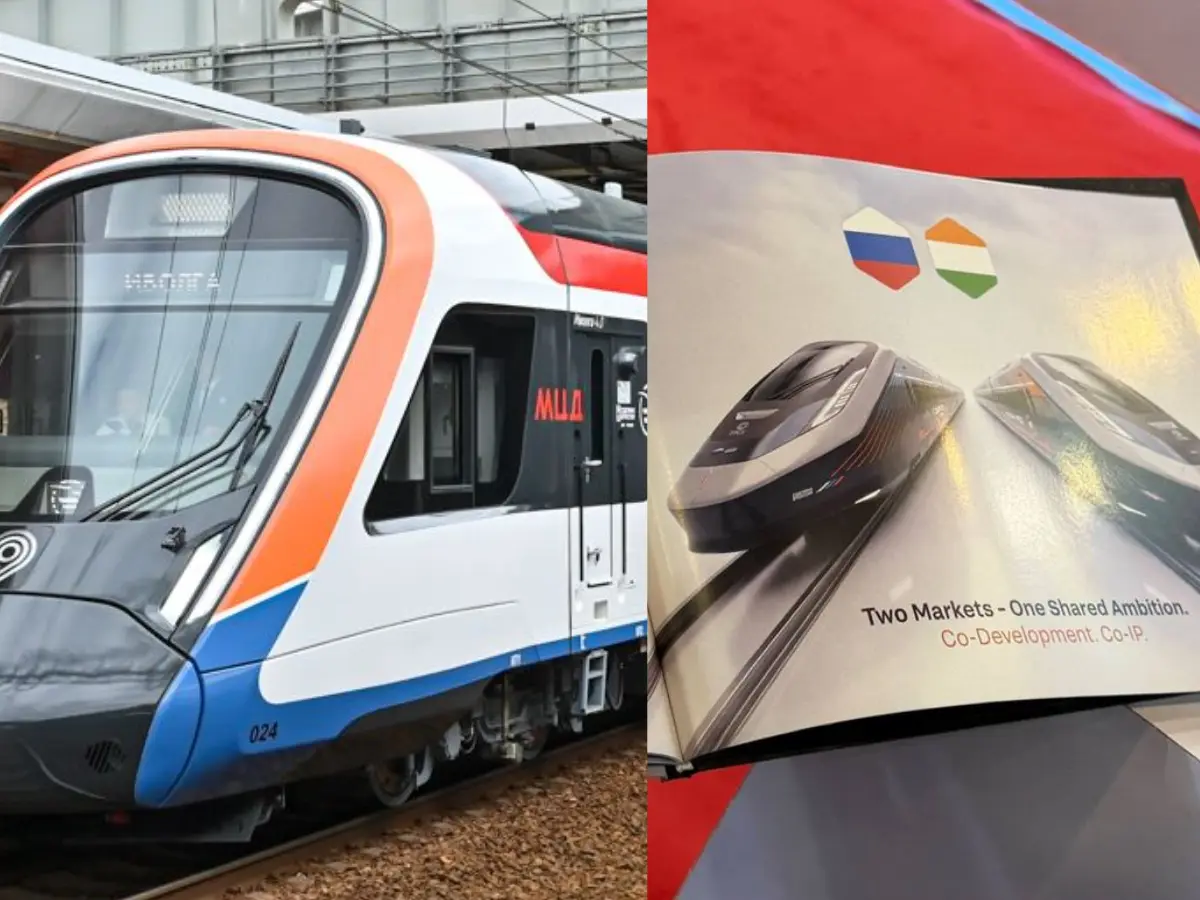)
Russia proposes to build 360 kmph Ivolga FG trains in India: What happened on sidelines of BRICS
)
China discovers vast gold and silver 'mine' in the Pacific with unheard-of deposits
)
Who really benefits from the BRICS bank? Inside the New Development Bank's $43 billion portfolio
)
Plane carrying prominent figure crashes at Libya’s Misrata airport: Report
)
Woman removes all her clothes on American Airlines flight, performs 'indecent acts'; arrested
&im=FitAndFill=(700,400))
New OTT releases this week (September 14-20, 2026): Lust Stories 3, Waiting Hai, Irumudi- 5 new titles coming on Netflix, Prime Video and more
)
Liam Neeson sparks romance rumours after holding hands with Stella Stocker at TIFF 2026
)
Sent home midway from UK tour, Pakistan's Salman Agha hits 300* in domestic return
)
Nigerian Navy seizes 10,000 litres of suspected illegal fuel in Rivers State crackdown
)
Saudi Arabia discovers 110 million tonnes of Uranium-rich ore in Madinah region
)
Ecstasy tablets are rage in 'drug haven' Libya | Gravitas
)
'Now Trump is copying us': Shivakumar links US $5,000 plan to Congress guarantees
)
Video of Pakistani lawmaker struggling to read English tribute to Jinnah goes viral - WATCH
)
Trump downplays China's alleged 'help' to Iran in strike on Jordan base | Gravitas
)
Meghan Markle shares first glimpse of family life with Prince Harry and children in UK
)
Baba Vanga's first prophecy for 2027 is out, and straight out of science fiction
)
Photographs, LeT labels vanish from two 2008 Mumbai attack entries in Pakistan’s most wanted list
)
US court blocks Trump administration move ending automatic H-4 EAD extensions for seven spouses
)
Indian Americans, fellow Republicans react sharply to Bo French’s post targeting 'foreigner' students in Texas
)
UK man admits drugging, raping wife for 20 years in shocking abuse case
)
Extreme warming in Indian Ocean added 695 billion tons of ice to Antarctica ice sheet
)
Scotland, Wales & Northern Ireland push for exit from UK | Race To Power
- France: The first European nation to accept UPI. Currently, you can scan and pay at major high-traffic tourist sites like the Eiffel Tower and retail hubs like Galeries Lafayette.
- Mauritius: Supported across major tourist zones, local markets, and resorts.
- Sri Lanka: Accepted at major hotels, retail chains, and tourist hotspots (linked via LankaPay).
- Qatar: Functional in select major retail spaces and malls across Doha (integrated with Qatar National Bank).
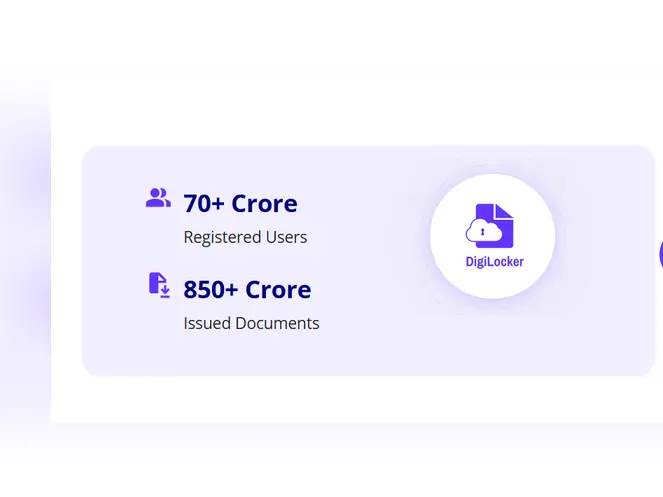
DigiLocker is another digital brilliance as a flagship initiative of the Ministry of Electronics & IT (MeitY) under the Digital India programme. DigiLocker drives the "Digital Empowerment" of citizens. It achieves this by providing a secure, cloud-based digital wallet where individuals can access, store, share, and verify authentic documents and certificates.
)
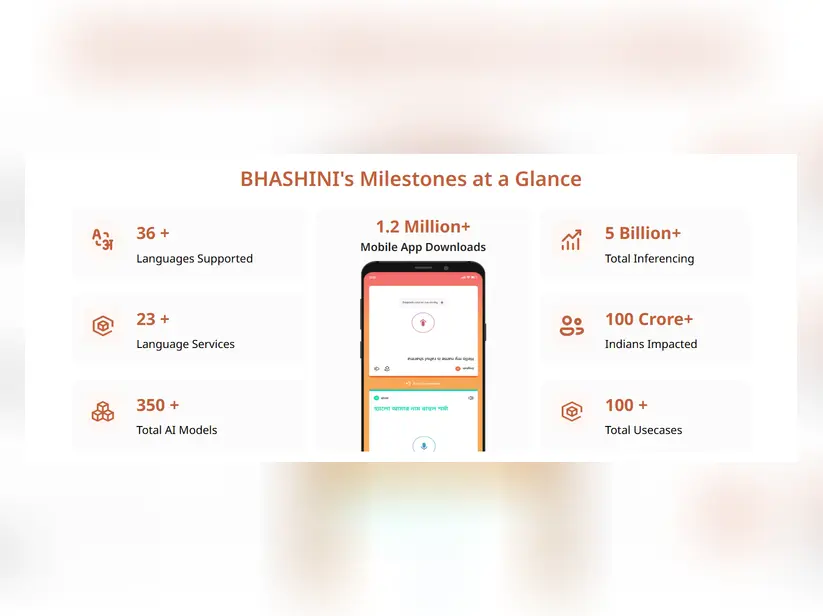
Bhashini is another tool by the government; it is an AI-powered translator. It is positioned for people to “experience the beauty of 14 languages coming together in harmony.”
Also read: Modi govt 12 years: How India's 'Nation First' foreign policy reshaped its global identity
Key features:
- It is a voice-first multilingual solution which enables seamless communication.
- It is touted to be the largest co-creation AI platform built to drive collaboration and innovation.
- Breaking big barriers, including language, literacy, and digital gaps. It is a masterstroke towards inclusivity.
)
On Monday (June 8), PM Modi highlighted the country's massive transformation over the past 12 years, emphasising that the welfare of the poor and downtrodden remains at the core of these changes. Guided by the philosophy of Antyodaya, the government's consistent effort has been to extend the benefits of development to those who were left behind for decades.
PM Modi observed that a series of landmark initiatives, including Jan Dhan accounts, Direct Benefit Transfer (DBT), Swachh Bharat, PM Awas Yojana, Jal Jeevan Mission, and Ayushman Bharat have all been driven by a singular, simple objective: ensuring dignity and opportunity for every citizen.
Also read: Modi Govt 12 Years: How India’s shift to zero tolerance on terrorism reshaped national security
A key driver of this success has been technology. The prime minister expressed great satisfaction with how digital innovations have played a vital role in elevating the quality of life for underprivileged communities. By leveraging DBT and various digital platforms, government support now reaches beneficiaries directly and transparently. Shri Modi pointed out that this tech-driven approach has drastically reduced leakages, enhanced administrative efficiency, and significantly strengthened public trust in governance.
Ultimately, the Prime Minister affirmed that these comprehensive efforts have turned the journey of promoting Garib Kalyan (welfare of the poor) into a powerful collective movement. This shift is not only fostering deep human empowerment but is also actively realising the ultimate national dream of a Viksit Bharat (developed India).