11 India-bound ships carrying crude, LPG, fertilisers crossed Hormuz since US-Iran MoU signing; 10 still in Gulf: MEA

&imwidth=600&imheight=450&format=webp&quality=medium "11 India-bound ships carrying crude, LPG, fertilisers crossed Hormuz since US-Iran MoU signing; 10 still in Gulf: MEA")
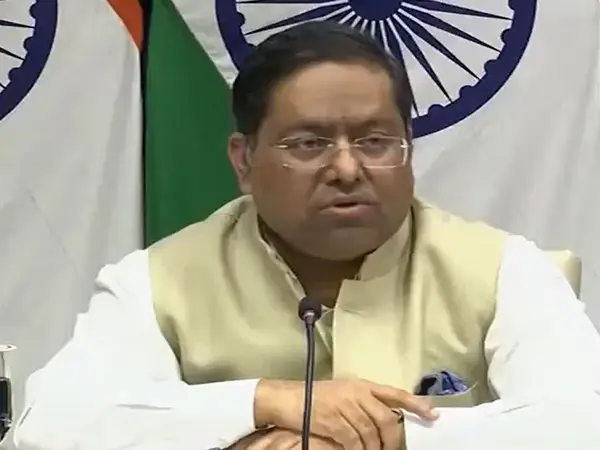
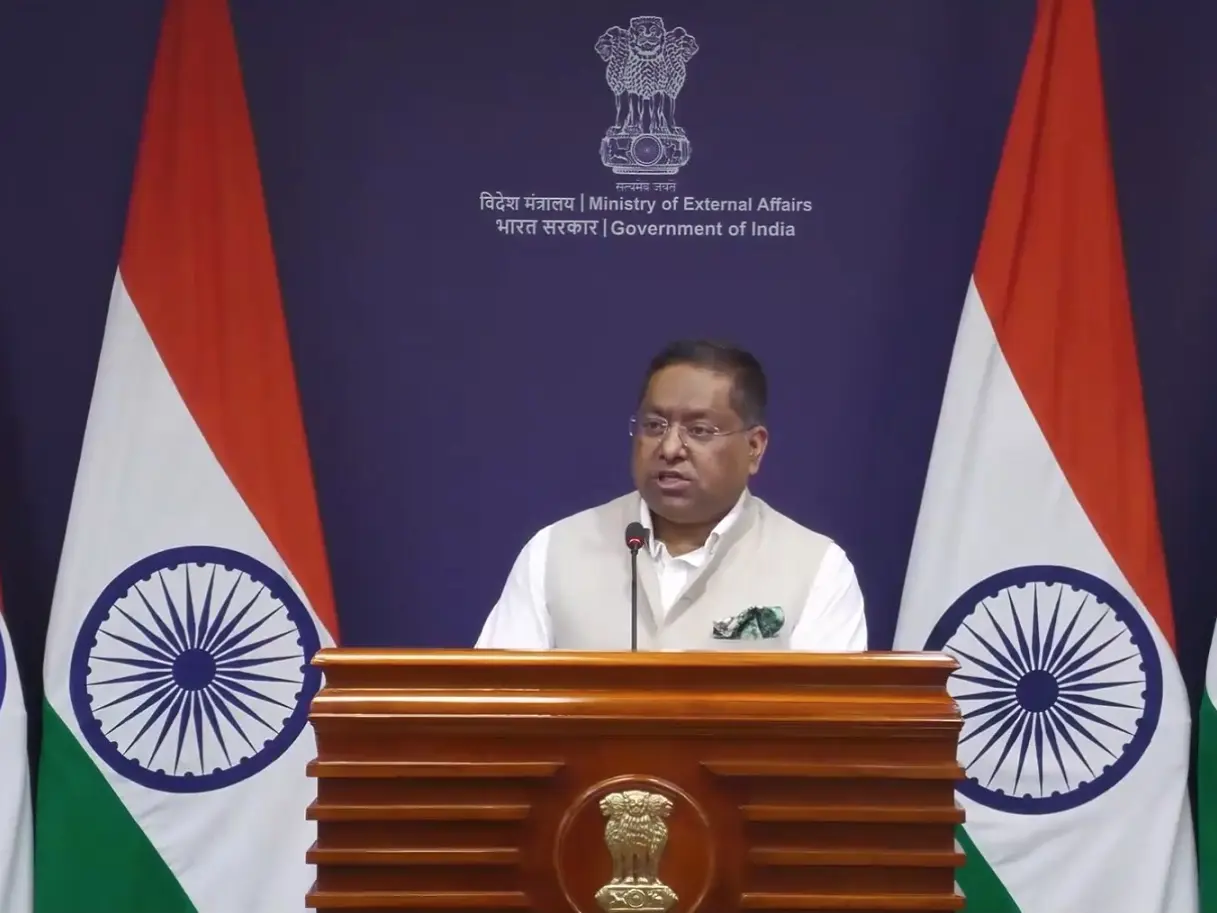
10 Indian-flagged vessels are still in Persian Gulf, while two Indian ships have crossed from this side, the MEA said. Photograph: (Screengrab from video on X)
Three India-flagged crude oil tankers, each carrying 2,85,000 metric tonnes of crude oil, one foreign-flag LPG carrier, one foreign-flag crude oil tanker, and six foreign-flag bulk carriers carrying fertiliser crossed through the Strait of Hormuz, the MEA spokesperson said.
The Ministry of External Affairs (MEA) spokesperson Randhir Jaiswal shared in a press briefing on Tuesday that 11 India-bound vessels have safely crossed the Strait of Hormuz since the signing of the memorandum of understanding (MoU) between the United States and Iran; 10 are still in the Persian Gulf, while two additional Indian ships have crossed into the Persian Gulf from the western side.
“We have 10 Indian-flagged vessels still in the Persian Gulf region. In addition, two Indian ships have crossed from this side into the Persian Gulf. Since the signing of the MoU on June 17, eleven India-bound vessels have crossed the Strait of Hormuz,” said the MEA spokesperson.
“The vessels include three India-flagged crude oil tankers, each carrying 2,85,000 metric tonnes of crude oil, one foreign-flag LPG carrier; one foreign-flag crude oil tanker; and six foreign-flag bulk carriers carrying fertiliser, and it is our expectation and hope that the remaining Indian-flag vessels, of which the number I just gave you, would also be able to cross the order soon,” Jaiswal added.
Strait of Hormuz reopened last week, but Tehran's threats for closure continue
The MEA’s comments come during uncertainty about transit through the strategic waterway, a key route for global oil and gas transport, amid contradictory statements from the US and Iran. The Strait of Hormuz reopened last week after the MoU signing and the lifting of the naval blockade by the US. However, on Saturday Tehran announced that it had closed the strait again following Israeli attacks in Lebanon.
The Strait of Hormuz connects the Persian Gulf with the Gulf of Oman and the Arabian Sea and serves as a key route for crude oil exports from Saudi Arabia, Qatar, Iraq, Kuwait, the UAE and Iran.
Trending Stories
&imwidth=280&imheight=210&format=webp&quality=medium)
&imwidth=280&imheight=210&format=webp&quality=medium)
&imwidth=280&imheight=210&format=webp&quality=medium)
&imwidth=280&imheight=210&format=webp&quality=medium)
&imwidth=280&imheight=210&format=webp&quality=medium)
&imwidth=280&imheight=210&format=webp&quality=medium)
&imwidth=280&imheight=210&format=webp&quality=medium)
&imwidth=280&imheight=210&format=webp&quality=medium)
&imwidth=280&imheight=210&format=webp&quality=medium)
&imwidth=280&imheight=210&format=webp&quality=medium)
&imwidth=280&imheight=210&format=webp&quality=medium)
&imwidth=280&imheight=210&format=webp&quality=medium)
&imwidth=280&imheight=210&format=webp&quality=medium)
&im=FitAndFill=(700,400)&imwidth=280&imheight=210&format=webp&quality=medium)
&imwidth=280&imheight=210&format=webp&quality=medium)
&imwidth=280&imheight=210&format=webp&quality=medium)
&imwidth=280&imheight=210&format=webp&quality=medium)
&imwidth=280&imheight=210&format=webp&quality=medium)
&imwidth=280&imheight=210&format=webp&quality=medium)
&imwidth=280&imheight=210&format=webp&quality=medium)
&imwidth=280&imheight=210&format=webp&quality=medium)
&imwidth=280&imheight=210&format=webp&quality=medium)
&imwidth=280&imheight=210&format=webp&quality=medium)
&imwidth=280&imheight=210&format=webp&quality=medium)
&imwidth=280&imheight=210&format=webp&quality=medium)
&imwidth=280&imheight=210&format=webp&quality=medium)
&imwidth=280&imheight=210&format=webp&quality=medium)
&imwidth=280&imheight=210&format=webp&quality=medium)
&imwidth=280&imheight=210&format=webp&quality=medium)
&imwidth=280&imheight=210&format=webp&quality=medium)
&imwidth=280&imheight=210&format=webp&quality=medium)
&imwidth=280&imheight=210&format=webp&quality=medium)
&imwidth=280&imheight=210&format=webp&quality=medium)
&imwidth=280&imheight=210&format=webp&quality=medium)
&imwidth=280&imheight=210&format=webp&quality=medium)
&imwidth=280&imheight=210&format=webp&quality=medium)
The Iran-US war and naval blockade on shipping through the strait had disrupted oil flows, squeezed global energy supplies and led to a sharp rise in crude prices.
Tracking firms indicate increased vessel movement
Maritime traffic through the strait has picked up pace, and tracking firms indicate increased vessel movement in recent days.
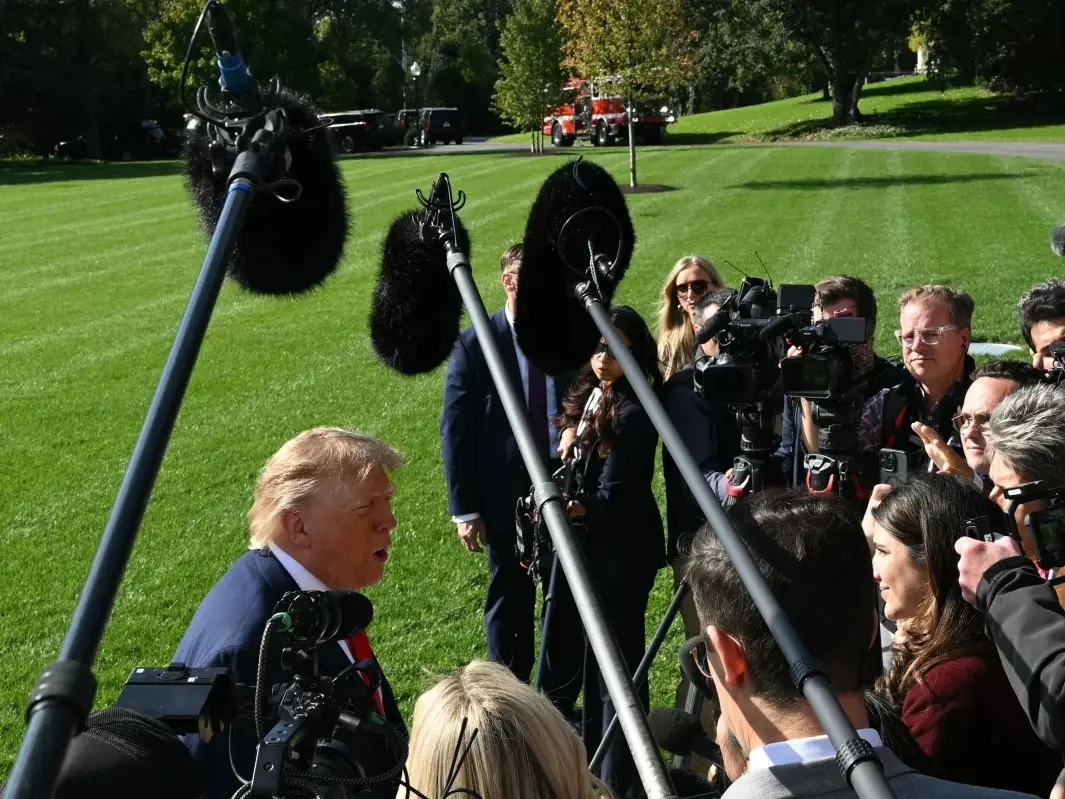
President Donald Trump said in a Truth Social post on Tuesday that 19 million barrels of oil flowed out of the Hormuz Strait on Monday. “Oil prices are tumbling down, and the world is a much safer place.”
Also Read: CRED founder Kunal Shah becomes global CEO of WhatsApp as Meta invests $900 million in startup
Last Thursday, the US lifted its blockade of Iran, allowing oil tankers to move through Hormuz as a tentative agreement to end the war came into effect.
On June 17, President Donald Trump signed an agreement with Iran that calls for Tehran to dilute its stockpile of highly enriched uranium and waives US-backed sanctions on the country, immediately allowing Iran to sell its oil freely in a major concession from Washington.