'The proof is there to see,' says former IAF Chief RKS Bhadauria on India’s narrative formation in Ops Sindoor at WION World Pulse

&imwidth=600&imheight=450&format=webp&quality=medium "'The proof is there to see,' says former IAF Chief RKS Bhadauria on India’s narrative formation in Ops Sindoor at WION World Pulse")
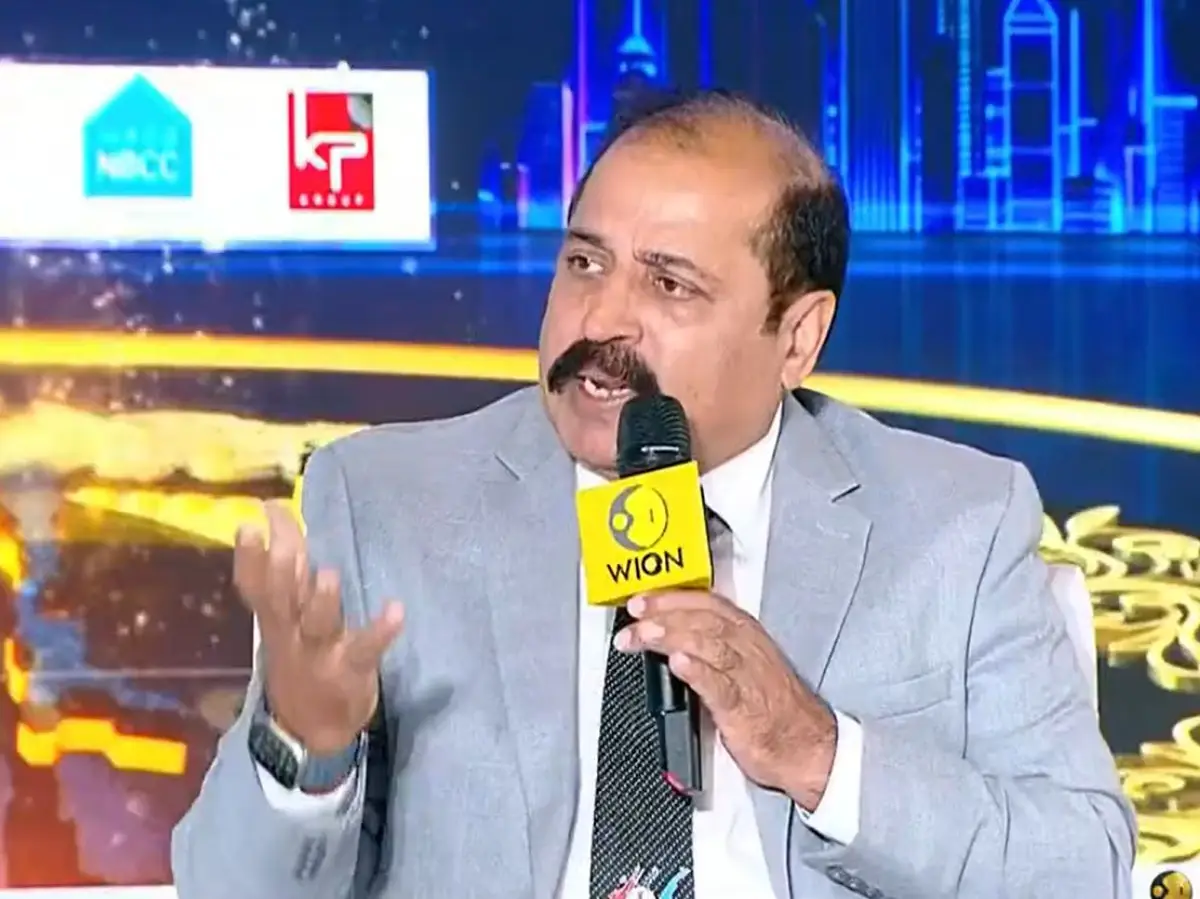
Air Chief Marshal Rakesh Kumar Singh Bhadauria, former Chief of the Air Staff Photograph: (WION)
Bhadauria dismissed the significance of timing as secondary, stating, “Whether it could be a little early or a little later, it doesn’t really matter…it was done quite okay.”
In contemporary conflict, the battle is fought not only on the ground but also in the domain of perception. Reflecting on Operation Sindoor, a targeted Indian military response launched around May 7, 2025, following the April 22 Pahalgam terror attack that killed 26 people in Jammu & Kashmir, Air Chief Marshal Rakesh Kumar Singh Bhadauria, former Chief of the Air Staff, addressed the question of narrative control with measured clarity. Speaking at WION World Pulse summit on Wednesday (Mar 18), his central assertion was unequivocal: "It is the adversary who loses...when 'you have those satellite pictures' where damage is visible, when 'all nine terrorist targets' have been struck with visible proofs, “what narrative do you want? It is destroyed. It is there for you to see.”
Timing, transparency, and tangible proof
Bhadauria noted that the initial briefing on Operation Sindoor by women officers from the three services was part of a deliberate plan, shaped by the nature and purpose of the response, as well as the context in which Operation Sindoor was undertaken. The impact within the country, he observed, was “undeniable… it was great.”
A key critique often raised in such scenarios concerns the timing of official disclosures. Should operational details and evidence be released sooner to shape public and international perception? Bhadauria dismissed the significance of timing as secondary, stating, “Whether it could be a little early or a little later, it doesn’t really matter…it was done quite okay.”
Framing the narrative in modern conflict
More crucial, he argues, is the credibility of evidence. “When you have those satellite pictures… all nine terrorist targets, the damage was shown,” he noted, highlighting that verifiable outcomes carry greater weight than rapid messaging. Importantly, he emphasised that such imagery was independently accessible: “You can go to any site which is not connected with our presentations and see it.”
Trending Stories
&imwidth=280&imheight=210&format=webp&quality=medium)
&im=FitAndFill=(700,400)&imwidth=280&imheight=210&format=webp&quality=medium)
&imwidth=280&imheight=210&format=webp&quality=medium)
&imwidth=280&imheight=210&format=webp&quality=medium)
&imwidth=280&imheight=210&format=webp&quality=medium)
&imwidth=280&imheight=210&format=webp&quality=medium)
&imwidth=280&imheight=210&format=webp&quality=medium)
&imwidth=280&imheight=210&format=webp&quality=medium)
&imwidth=280&imheight=210&format=webp&quality=medium)
&imwidth=280&imheight=210&format=webp&quality=medium)
&imwidth=280&imheight=210&format=webp&quality=medium)
&imwidth=280&imheight=210&format=webp&quality=medium)
&imwidth=280&imheight=210&format=webp&quality=medium)
&imwidth=280&imheight=210&format=webp&quality=medium)
&imwidth=280&imheight=210&format=webp&quality=medium)
&imwidth=280&imheight=210&format=webp&quality=medium)
&imwidth=280&imheight=210&format=webp&quality=medium)
&imwidth=280&imheight=210&format=webp&quality=medium)
&imwidth=280&imheight=210&format=webp&quality=medium)
&imwidth=280&imheight=210&format=webp&quality=medium)
&imwidth=280&imheight=210&format=webp&quality=medium)
&im=FitAndFill=(700,400)&imwidth=280&imheight=210&format=webp&quality=medium)
&imwidth=280&imheight=210&format=webp&quality=medium)
&im=FitAndFill=(700,400)&imwidth=280&imheight=210&format=webp&quality=medium)
&imwidth=280&imheight=210&format=webp&quality=medium)
&imwidth=280&imheight=210&format=webp&quality=medium)
&imwidth=280&imheight=210&format=webp&quality=medium)
&imwidth=280&imheight=210&format=webp&quality=medium)
&imwidth=280&imheight=210&format=webp&quality=medium)
&imwidth=280&imheight=210&format=webp&quality=medium)
&imwidth=280&imheight=210&format=webp&quality=medium)
&imwidth=280&imheight=210&format=webp&quality=medium)
&imwidth=280&imheight=210&format=webp&quality=medium)
&imwidth=280&imheight=210&format=webp&quality=medium)
While acknowledging that “narrative formation, especially in a prolonged conflict, plays a huge role,” Bhadauria rejected the notion that India struggled in this domain. Instead, he concluded that the discourse around narrative may be “somewhat overplayed.” His most striking observation encapsulates the approach: “The images themselves were our narrative, and nobody can deny that.”
On Wednesday (Mar 18), WION World PULSE brought together a cross-section of policymakers, diplomats and industry leaders at a time of heightened global uncertainty. The global thought leadership forum came at a time when globally the lines between geopolitics, economics and technology are increasingly blurred.
The dynamic event began with a keynote address by Dr Subhash Chandra, Founder and Mentor of Zee Group and Former Rajya Sabha member. Addressing the diverse audience, Dr Chandra noted that "we are in an era of information overload" and in times like these, "diplomacy needs credible global platforms like WION".