
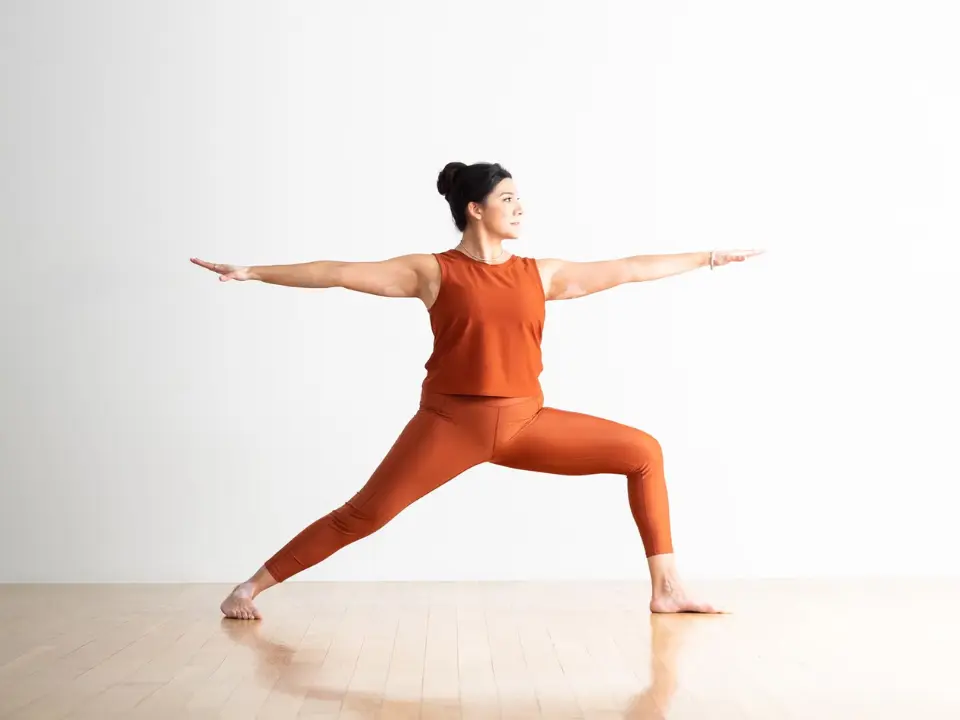
&imwidth=800&imheight=600&format=webp&quality=medium "Why should beginners choose yoga poses that match their current ability?")
While yoga is generally considered safe, jumping directly into advanced postures without building foundational strength carries a real risk of injury. For beginners, selecting poses that match their current physical ability is crucial for steady, pain-free progress. Traditional yoga philosophy refers to this readiness as adhikara, which emphasises building a solid physical foundation before attempting advanced movements.
Preventing musculoskeletal injuries
Pushing muscles and joints beyond their current capacity is the primary cause of yoga-related injuries. According to sports medicine research, nearly 64 per cent of total musculoskeletal yoga injuries affect the lower extremities, including the hips, hamstrings, and knees. Furthermore, about 35 per cent of all reported adverse events in yoga directly affect the musculoskeletal system. Attempting deep forward bends or wide hip openers without adequate flexibility can tear muscle fibres. By sticking to beginner-friendly poses, practitioners allow their soft tissues to stretch gradually and safely over time.

Protecting the spine and avoiding extremes
Advanced poses often require intense joint stability and spinal extension. Medical reviews strongly advise beginners to avoid extreme practices such as the full lotus position and headstands. When a beginner attempts an inversion like a headstand without the necessary core and shoulder strength, they risk overloading the cervical spine, which can lead to serious neck injuries. Starting at a level that matches your current ability teaches proper alignment and core engagement first, ensuring that your spine remains protected as you advance.
Fostering discipline and safe progression
Trending Stories
)
Woman removes all her clothes on American Airlines flight, performs 'indecent acts'; arrested
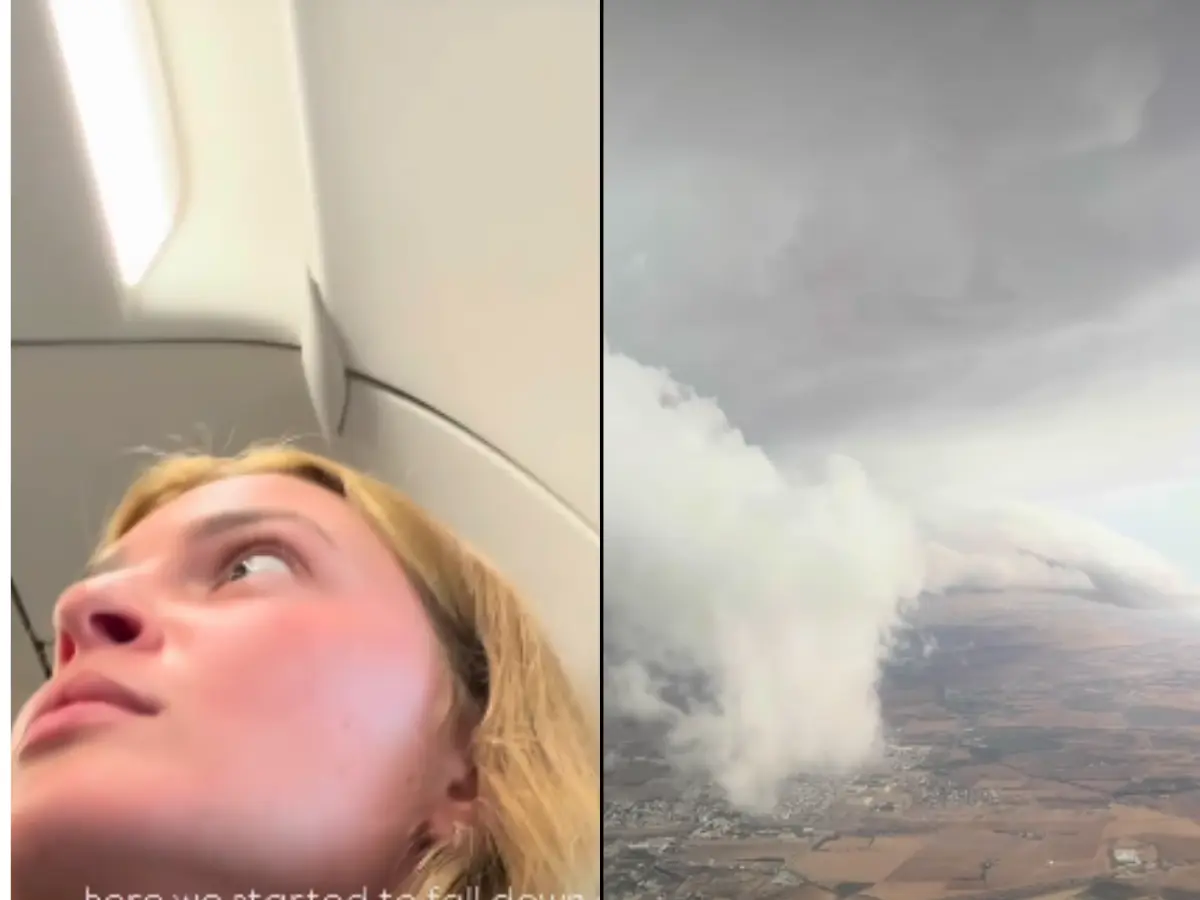)
Turkish Airlines plane flies through a storm three times, triggering severe turbulence
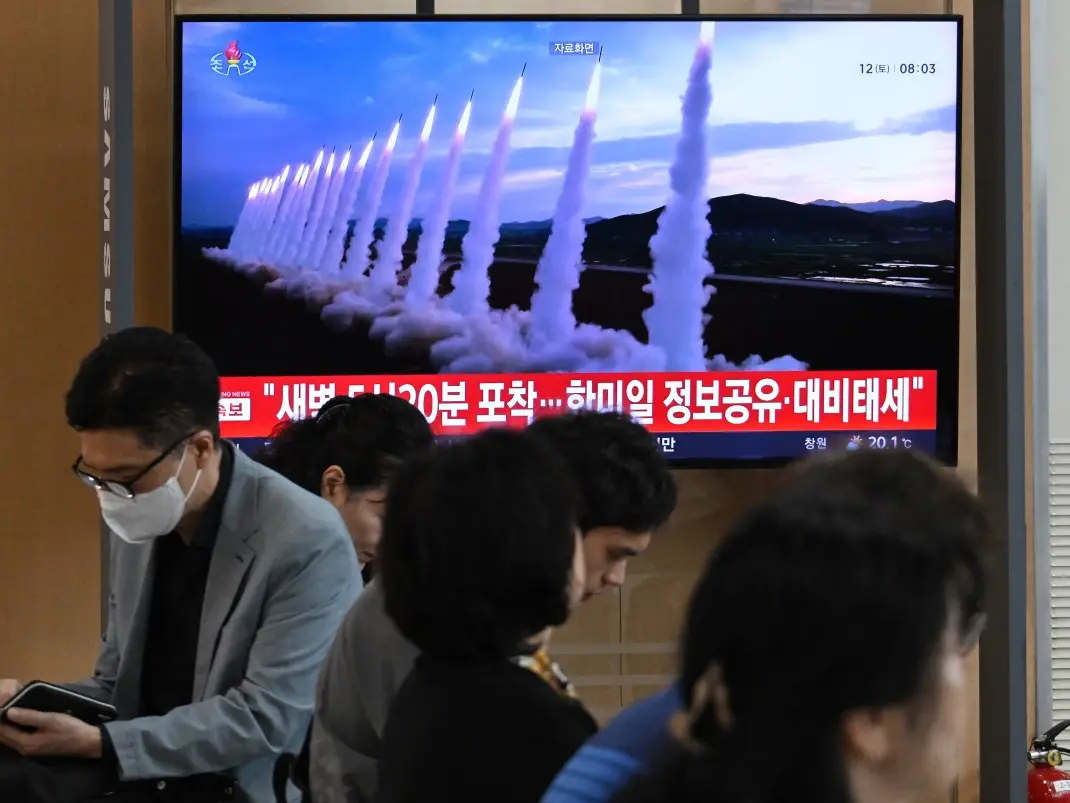)
'Huge destructive power': North Korea calls its latest missile launches 'live-fire drill' even as US dismisses 'immediate threat'
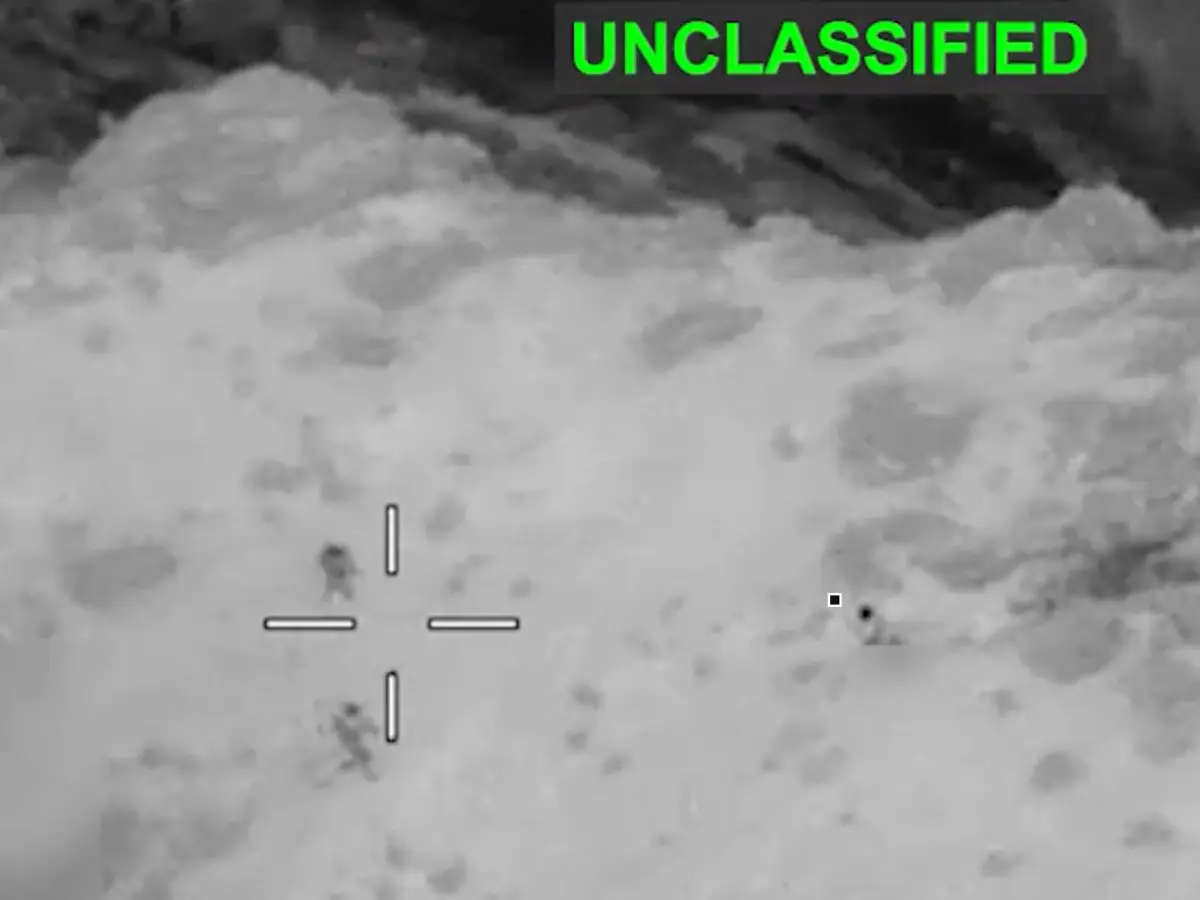)
‘Let’s go’: Newly declassified videos show dramatic rescue of US Air Force officers downed in Iran
)
Natural caffeine sources gain popularity; matcha & botanicals offer calm energy
)
Veteran Bollywood actress Nafisa Ali shares health update as Stage 4 cancer progresses, starts targeted therapy
&im=FitAndFill=(700,400))
New OTT releases this week (September 14-20, 2026): Lust Stories 3, Waiting Hai, Irumudi- 5 new titles coming on Netflix, Prime Video and more
)
NEET-UG to move to computer-based test soon, NTA DG says ‘CBT is the future’
)
Did India risk its US trade deal despite softer stance at BRICS?
)
Ganesh Chaturthi 2026: Devotees throng the iconic Lalbaugcha Raja pandal in Mumbai
)
Practical Magic 2 breaks Spidey spell over North American box office
)
Did China give Iran intel before US base strike that killed 3 troops? Trump says, 'You’re right...'
)
China discovers vast gold and silver 'mine' in the Pacific with unheard-of deposits
)
Plane carrying prominent figure crashes at Libya’s Misrata airport: Report
)
'Nobody knows if it can be in control': ‘Godfather’ of AI, China spy chief back AI slowdown calls, flags political threat
)
800 million years old - Scientists discover 'fingerprints' of supercontinent Gondwana in ancient rocks
)
Orlando Bloom addresses Pirates of the Caribbean comeback and reunion with Johnny Depp
)
Russian drone hits Warsaw-bound train near Polish border, Zelensky accuses Moscow of ‘deliberate’ targeting
)
China thinned Himalayan troop presence in 2025, India defence report says; terms border situation 'stable'
)
Women's Asia Cup 2026: India denied trophy once again despite winning the title
)
Pakistan puts Pak Rs 70 lakh bounty on UN terrorist Masood Azhar; move draws skepticism in Delhi
)
Israeli minister calls to strip Gaza film directors of citizenship
)
Liam Neeson sparks romance rumours after holding hands with Stella Stocker at TIFF 2026
&im=FitAndFill=(700,400))
Why European Meteor missiles use ramjet engines compared to standard US solid rockets
)
‘Want to reset ties with India, have engagement based on mutual interests,’ says Bangladesh minister
)
Trump says Canada eager to reach a deal, it could come ‘fairly soon’ if Ottawa treats US farmers better
)
Indian importers urge Bangladesh to lift export ban on 'Hilsa' fish ahead of Durga Puja
)
Video of Pakistani lawmaker struggling to read English tribute to Jinnah goes viral - WATCH
&im=FitAndFill=(700,400))
Why Chinese PL-15 air-to-air missiles use dual-pulse motors compared to European interceptors
)
Russia proposes to build 360 kmph Ivolga FG trains in India: What happened on sidelines of BRICS
)
Iran, India agree to deepen humanitarian and political ties, President Pezeshkian says
)
First naval drone battle? Ukraine says Sargan 3000 sank Russian unmanned boat
)
Humans may lose control of AI: Anthropic CEO calls for slowdown, Altman, Musk back him
)
Delhi’s balancing act: BRICS serves as a stage for West Asia diplomacy
Starting at your current ability level does not mean avoiding a physical challenge. In traditional practice, proper preparation and understanding one's own physical limitations prevent the misuse of yoga. When beginners attempt poses beyond their capacity, they often compromise their form, putting undue stress on vulnerable joints like the wrists and knees. Working within your limits fosters physical discipline and allows you to focus entirely on correct weight distribution and alignment.
The value of proper training and support
To minimise the risk of adverse events, safety guidelines suggest working under the guidance of a qualified instructor. Instructors can help modify poses using props like blocks or straps, which assist in achieving the correct alignment without forcing the body into an unnatural shape. Balancing enthusiasm with a realistic understanding of your own body remains the most effective way to ensure a safe yoga journey.
Choosing yoga poses that align with your current fitness level is the smartest way to build a sustainable practice. By respecting physical boundaries and avoiding extreme postures too early, beginners can safely improve their strength and flexibility without suffering unnecessary injuries.
