What are the early signs of altitude sickness?

&imwidth=600&imheight=450&format=webp&quality=medium "What are the early signs of altitude sickness?")
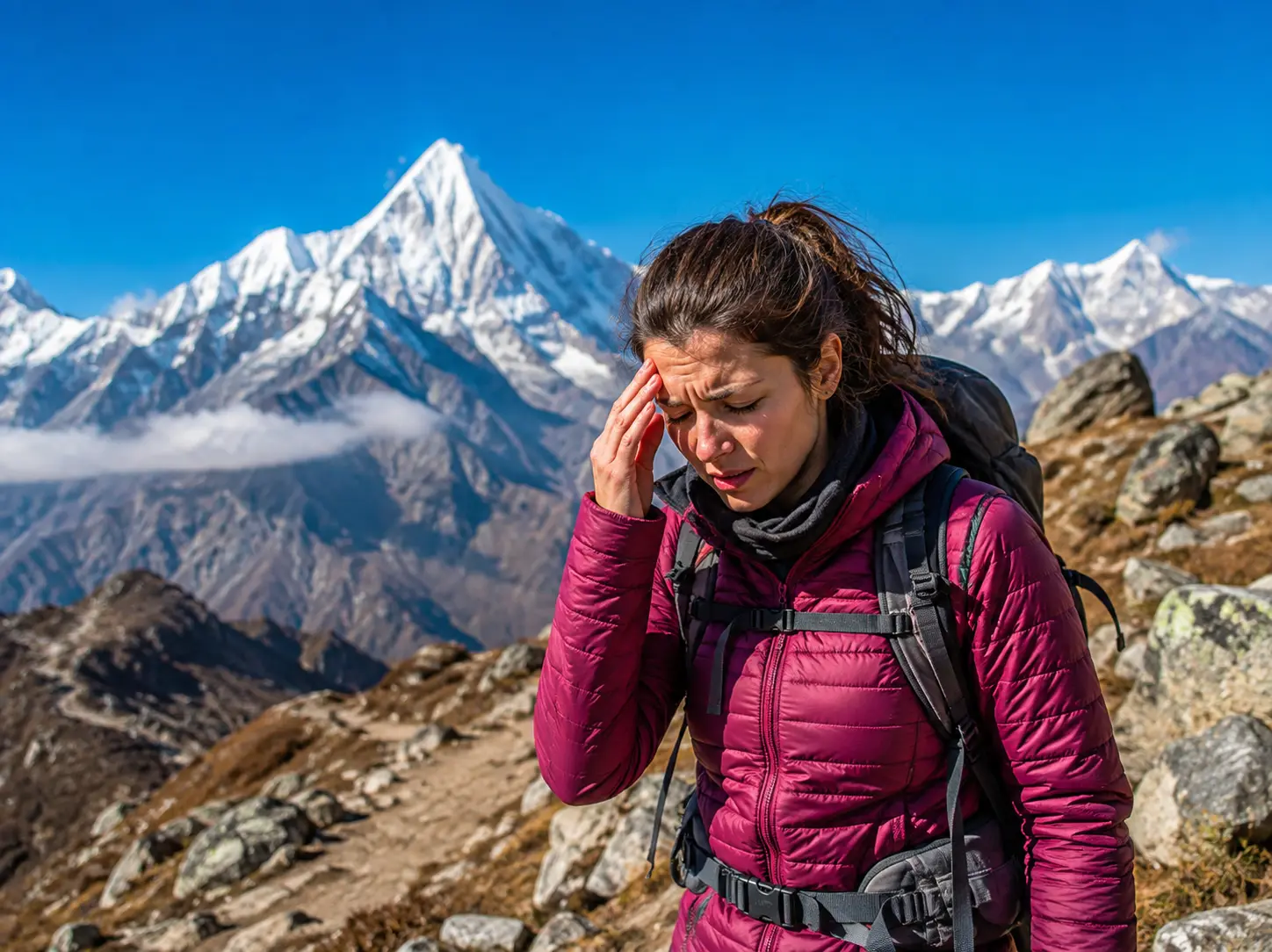
What are the early signs of altitude sickness? Photograph: (AI generated)
Acute Mountain Sickness occurs when ascending above 2,500 metres due to lower atmospheric pressure. Early physiological signs include a persistent throbbing headache, severe nausea, sudden loss of appetite, and extreme physical fatigue. Descending immediately is the safest medical response.
Travelling to high altitudes puts significant physical stress on your body. When you ascend above 2,500 metres, the atmospheric pressure drops, heavily reducing the amount of oxygen your lungs can process with each breath. This sudden physiological change can trigger Acute Mountain Sickness (AMS). Recognising the exact early symptoms of AMS is essential to prevent severe medical emergencies on a mountain trek.
'A persistent, throbbing headache'
A headache is typically the earliest and most common indicator of altitude sickness. Medical data from the Centers for Disease Control and Prevention (CDC) shows that this pain usually develops within two to 12 hours after reaching a new elevation. Because blood oxygen levels drop, the blood vessels in your brain naturally widen to increase blood flow. This expansion causes a dull or throbbing ache, which frequently worsens during the night or immediately upon waking.
'Nausea and sudden loss of appetite'
As your cardiovascular system works overtime to push limited oxygen to the brain and vital muscles, your digestion slows down. This shift often causes a complete loss of appetite. You might feel entirely repelled by food despite burning thousands of calories on the trail. According to sports medicine experts, this lack of hunger is rapidly followed by waves of nausea and stomach cramps, which trekkers often mistakenly blame on bad trail food.
'Severe physical fatigue and weakness'
Trending Stories
&imwidth=280&imheight=210&format=webp&quality=medium)
&imwidth=280&imheight=210&format=webp&quality=medium)
&imwidth=280&imheight=210&format=webp&quality=medium)
&imwidth=280&imheight=210&format=webp&quality=medium)
&imwidth=280&imheight=210&format=webp&quality=medium)
&imwidth=280&imheight=210&format=webp&quality=medium)
&imwidth=280&imheight=210&format=webp&quality=medium)
&imwidth=280&imheight=210&format=webp&quality=medium)
&imwidth=280&imheight=210&format=webp&quality=medium)
&imwidth=280&imheight=210&format=webp&quality=medium)
&imwidth=280&imheight=210&format=webp&quality=medium)
&imwidth=280&imheight=210&format=webp&quality=medium)
&imwidth=280&imheight=210&format=webp&quality=medium)
&imwidth=280&imheight=210&format=webp&quality=medium)
&imwidth=280&imheight=210&format=webp&quality=medium)
&imwidth=280&imheight=210&format=webp&quality=medium)
&imwidth=280&imheight=210&format=webp&quality=medium)
&imwidth=280&imheight=210&format=webp&quality=medium)
&imwidth=280&imheight=210&format=webp&quality=medium)
&imwidth=280&imheight=210&format=webp&quality=medium)
&im=FitAndFill=(700,400)&imwidth=280&imheight=210&format=webp&quality=medium)
&imwidth=280&imheight=210&format=webp&quality=medium)
&imwidth=280&imheight=210&format=webp&quality=medium)
&imwidth=280&imheight=210&format=webp&quality=medium)
&im=FitAndFill=(700,400)&imwidth=280&imheight=210&format=webp&quality=medium)
&imwidth=280&imheight=210&format=webp&quality=medium)
&imwidth=280&imheight=210&format=webp&quality=medium)
&im=FitAndFill=(700,400)&imwidth=280&imheight=210&format=webp&quality=medium)
&imwidth=280&imheight=210&format=webp&quality=medium)
&imwidth=280&imheight=210&format=webp&quality=medium)
&im=FitAndFill=(700,400)&imwidth=280&imheight=210&format=webp&quality=medium)
&imwidth=280&imheight=210&format=webp&quality=medium)
&imwidth=280&imheight=210&format=webp&quality=medium)
&imwidth=280&imheight=210&format=webp&quality=medium)
&imwidth=280&imheight=210&format=webp&quality=medium)
&imwidth=280&imheight=210&format=webp&quality=medium)
While feeling tired is normal after hours of hiking, altitude sickness brings an extreme level of exhaustion. You may feel physically drained and unable to perform basic tasks, such as unpacking your bag or setting up a tent. This severe weakness happens because your muscles are operating on an oxygen deficit. If your fatigue feels completely disproportionate to the amount of walking you have done, it is a primary symptom of AMS.
'Dizziness and disrupted sleep'
Hypoxia, which is a state of low oxygen in the body's tissues, directly affects your physical balance. Standing up quickly might cause severe dizziness or a feeling of lightheadedness. Furthermore, altitude disrupts the respiratory centre in your brain. This leads to broken sleep patterns, where you might wake up suddenly feeling breathless or feeling as though you are suffocating.
Altitude sickness does not discriminate based on age, gender, or physical fitness levels. If you experience these physical symptoms, the safest and most effective medical treatment is to stop climbing. Rest, hydrate, and if the signs persist, descend to a lower altitude immediately.
