Study shows how paracetamol, a common painkiller, may affect the liver

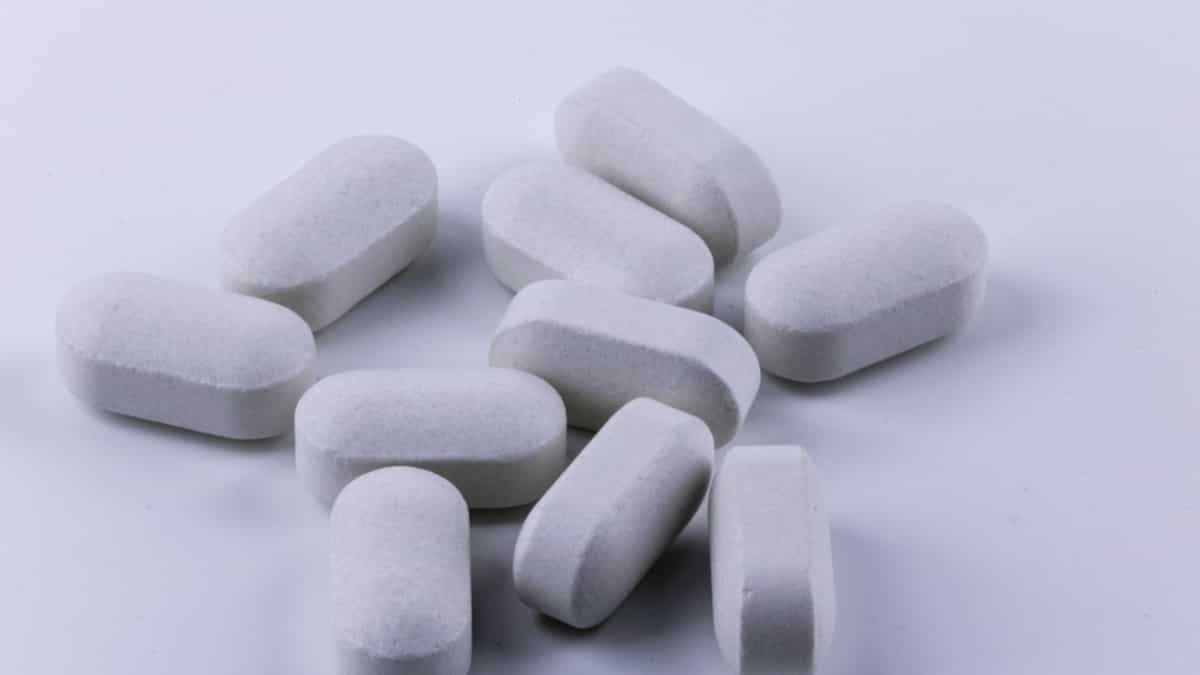
Pills | For representative use
One of the most reliable medications for easing pain is paracetamol. These tablets provide hassle-free, immediate relief that has been shown to be effective for decades. However, professionals have cautioned those who frequently take paracetamol about grave health risks.
A team at the University of Edinburgh conducted a recent study in which they evaluated the effects of the medicine on mice and came to the conclusion that it damages living things. The result, according to the scientists, may guide future studies into treatments intended to offset the negative effects of the medicine.
Also read:Doesparacetamol'suse pose any risk?

Researchers cautioned that patients who use an excessive amount of the medication may have severe side effects. For individuals with persistent pain, a typical dosage of paracetamol is four grams per day.
"Scientists at the University of Edinburgh studied the impact of paracetamol on liver cells in human and mouse tissue, and tests showed that in certain settings paracetamol can damage the liver by harming vital structural connections between adjacent cells in the organ," the study said.
According to the research, ‘paracetamol’ can damage the liver in specific situations by damaging key structural connections between adjacent cells in the organ, which was investigated by researchers at the University of Edinburgh on the effects of the drug on liver cells in human and mouse tissue.
When the liver's tissue structure is harmed, cells become dysfunctional and may even die, according to the statement that follows. "These cell wall connections, known as tight junctions," are what cause the damage.
This work represents the first to connect liver damage, like to that observed in diseases like cancer, cirrhosis, and hepatitis, with paracetamol toxicity.
The study was published in the journal Scientific Reports and involved researchers from the Scottish National Blood Transfusion Service, the Universities of Edinburgh and Oslo.
(With inputs from agencies)