How yoga can improve your body awareness over time

&imwidth=600&imheight=450&format=webp&quality=medium "How yoga can improve your body awareness over time")
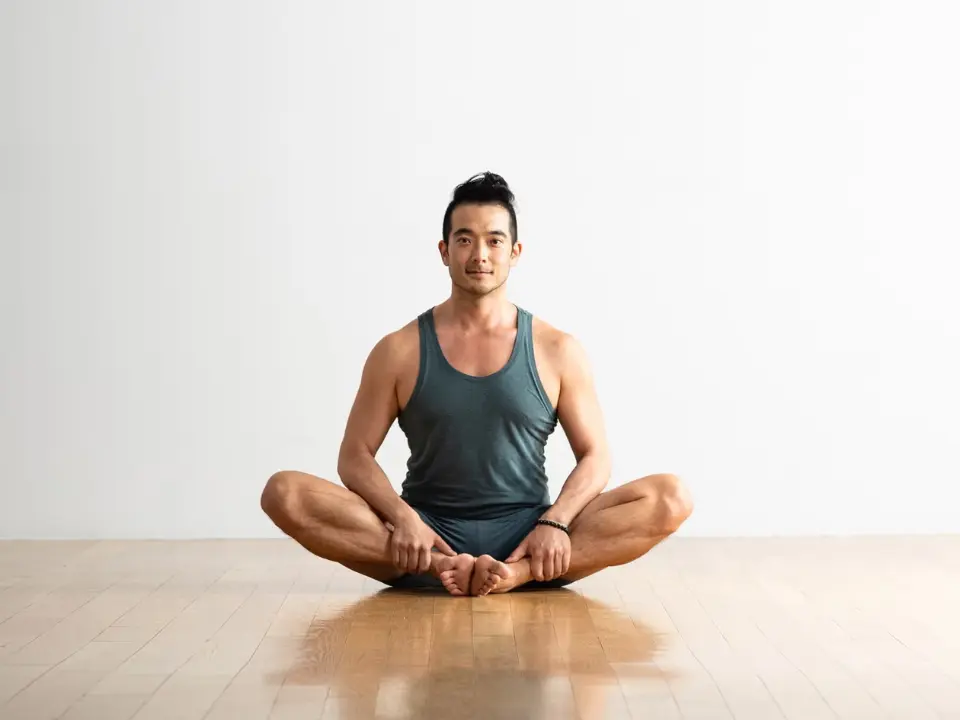
Yoga Photograph: (Yoga Journal)
Consistent yoga practice biologically improves body awareness by enhancing proprioception and interoception. Scientific studies show that regular mind-body exercises thicken the brain's somatosensory cortex, allowing practitioners to better detect muscle tension and maintain healthy posture.
Millions of people practise yoga to improve flexibility, but sports scientists focus on a completely different benefit: body awareness. Developing a strong connection between your mind and muscles is not just a mental exercise. It is a biological process that alters how your nervous system communicates with your joints. Understanding the science behind this can help you maximise your daily routine.
Boosts proprioception through physical balance
Proprioception is your body's ability to sense its position in physical space. According to a 2019 report by the US National Institutes of Health, mind-body exercises directly stimulate proprioceptors located in your muscles and tendons. When you hold a one-legged posture, your brain must process rapid feedback from your ankles and feet to keep you upright. Over several weeks of practice, this neural pathway strengthens, significantly improving your physical coordination.
Enhances internal sensory perception
While proprioception tracks external movement, interoception is your ability to feel internal physical sensations. Yoga places heavy emphasis on deep, controlled breathing. By focusing entirely on the expansion and contraction of your diaphragm, you train your brain to notice subtle internal changes. A report from the American Psychological Association notes that better interoceptive awareness helps individuals detect early signs of physical stress and muscle fatigue.
Triggers neuroplasticity in the brain
Trending Stories
&imwidth=280&imheight=210&format=webp&quality=medium)
&im=FitAndFill=(700,400)&imwidth=280&imheight=210&format=webp&quality=medium)
&imwidth=280&imheight=210&format=webp&quality=medium)
&imwidth=280&imheight=210&format=webp&quality=medium)
&imwidth=280&imheight=210&format=webp&quality=medium)
&im=FitAndFill=(700,400)&imwidth=280&imheight=210&format=webp&quality=medium)
&imwidth=280&imheight=210&format=webp&quality=medium)
&imwidth=280&imheight=210&format=webp&quality=medium)
&imwidth=280&imheight=210&format=webp&quality=medium)
&imwidth=280&imheight=210&format=webp&quality=medium)
&imwidth=280&imheight=210&format=webp&quality=medium)
&imwidth=280&imheight=210&format=webp&quality=medium)
&imwidth=280&imheight=210&format=webp&quality=medium)
&imwidth=280&imheight=210&format=webp&quality=medium)
&imwidth=280&imheight=210&format=webp&quality=medium)
&imwidth=280&imheight=210&format=webp&quality=medium)
&imwidth=280&imheight=210&format=webp&quality=medium)
&imwidth=280&imheight=210&format=webp&quality=medium)
&imwidth=280&imheight=210&format=webp&quality=medium)
&imwidth=280&imheight=210&format=webp&quality=medium)
&imwidth=280&imheight=210&format=webp&quality=medium)
&imwidth=280&imheight=210&format=webp&quality=medium)
&imwidth=280&imheight=210&format=webp&quality=medium)
&imwidth=280&imheight=210&format=webp&quality=medium)
&im=FitAndFill=(700,400)&imwidth=280&imheight=210&format=webp&quality=medium)
&imwidth=280&imheight=210&format=webp&quality=medium)
&imwidth=280&imheight=210&format=webp&quality=medium)
&imwidth=280&imheight=210&format=webp&quality=medium)
&imwidth=280&imheight=210&format=webp&quality=medium)
&imwidth=280&imheight=210&format=webp&quality=medium)
&imwidth=280&imheight=210&format=webp&quality=medium)
&imwidth=280&imheight=210&format=webp&quality=medium)
&imwidth=280&imheight=210&format=webp&quality=medium)
&imwidth=280&imheight=210&format=webp&quality=medium)
&imwidth=280&imheight=210&format=webp&quality=medium)
Body awareness is physically mapped in the brain. According to magnetic resonance imaging (MRI) studies on long-term yoga practitioners, regular practice increases the thickness of the somatosensory cortex. This is the specific area of the brain responsible for processing physical sensations. This structural change means your brain literally becomes more efficient at reading physical signals from your body over time.
Prevents chronic postural damage
This heightened awareness translates directly into daily life. After consistently practising spinal alignment on the mat, your nervous system learns the correct physical baseline. You will automatically notice when your shoulders slump over a computer keyboard or when you place uneven weight on one leg. Correcting these minor daily habits prevents long-term joint wear and back pain.
Yoga does much more than stretch your hamstrings. By consistently challenging your balance and focusing on your breath, you actively rewire your nervous system. This improved biological body awareness helps you move safely, correct poor posture, and maintain better physical health as you age.
