US curbs Instagram for kids, India's Meta users still victims | Gravitas

&imwidth=600&imheight=450&format=webp&quality=medium "US curbs Instagram for kids, India's Meta users still victims | Gravitas")
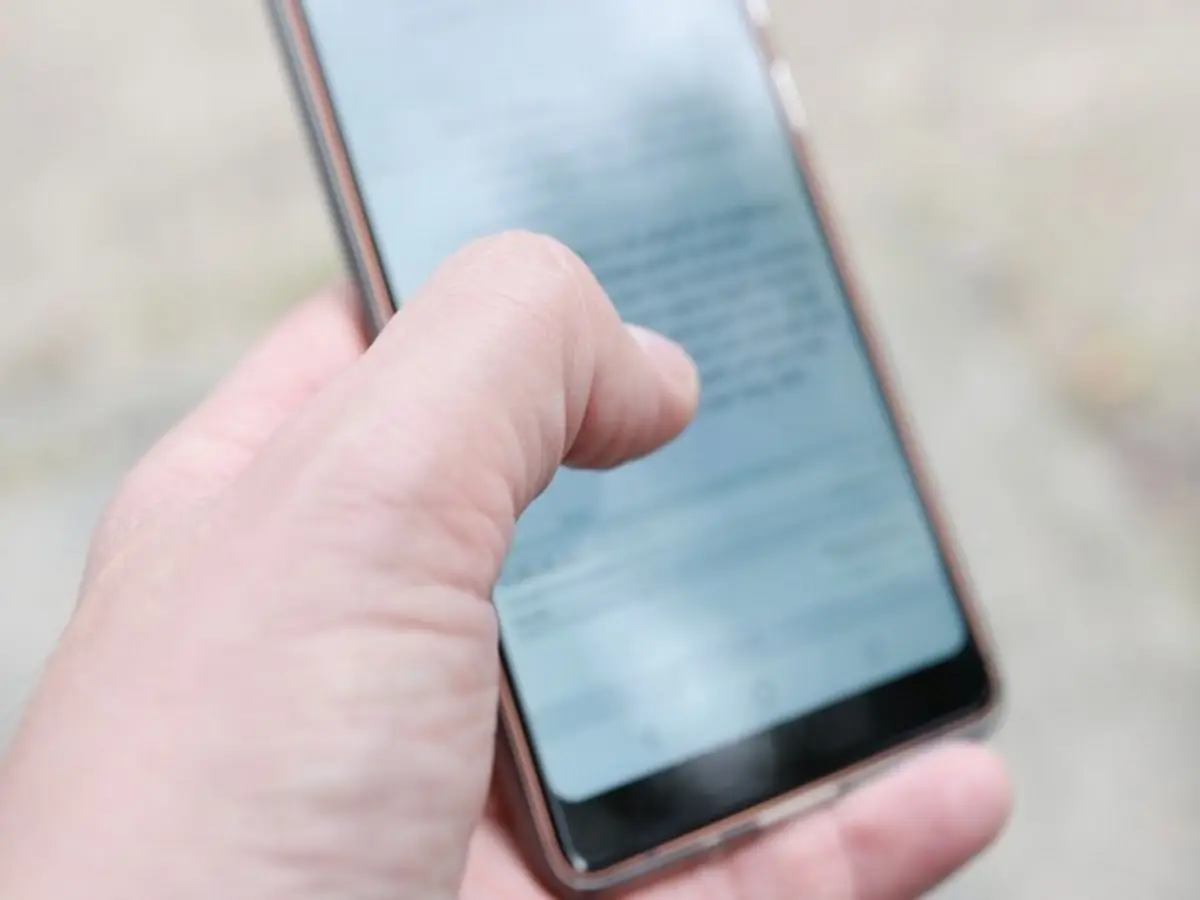
Representative Image
So, what changes will teenagers face? First, users under 18 will be limited to a cumulative two hours of Instagram and Facebook use each day. The limit can be switched off only with parental permission.
Social media addiction is increasingly being linked to worsening mental health among children and teenagers. But one question remains—are tech giants finally being held accountable? After facing lawsuits from multiple U.S. states over the alleged impact of its platforms on young users, Meta has agreed to a massive settlement worth billions of dollars.
The settlement could become a template for thousands of similar lawsuits against social media companies.
Twenty-nine states accused Meta of collecting children's personal data without parental consent and using that data to train generative artificial intelligence.
So, what changes will teenagers face? First, users under 18 will be limited to a cumulative two hours of Instagram and Facebook use each day. The limit can be switched off only with parental permission.
Teenagers will not be able to use the apps between midnight and 6 a.m. Notifications will also be muted by default during school hours, from 8 a.m. to 3 p.m.
Meta will also introduce reminders after every 15 minutes of continuous screen time, as well as alerts when usage reaches 60 and 90 minutes.
Trending Stories
&im=FitAndFill=(700,400)&imwidth=280&imheight=210&format=webp&quality=medium)
&imwidth=280&imheight=210&format=webp&quality=medium)
&imwidth=280&imheight=210&format=webp&quality=medium)
&imwidth=280&imheight=210&format=webp&quality=medium)
&im=FitAndFill=(700,400)&imwidth=280&imheight=210&format=webp&quality=medium)
&imwidth=280&imheight=210&format=webp&quality=medium)
&imwidth=280&imheight=210&format=webp&quality=medium)
&imwidth=280&imheight=210&format=webp&quality=medium)
&imwidth=280&imheight=210&format=webp&quality=medium)
&imwidth=280&imheight=210&format=webp&quality=medium)
&imwidth=280&imheight=210&format=webp&quality=medium)
&imwidth=280&imheight=210&format=webp&quality=medium)
&imwidth=280&imheight=210&format=webp&quality=medium)
&imwidth=280&imheight=210&format=webp&quality=medium)
&imwidth=280&imheight=210&format=webp&quality=medium)
&imwidth=280&imheight=210&format=webp&quality=medium)
&imwidth=280&imheight=210&format=webp&quality=medium)
&imwidth=280&imheight=210&format=webp&quality=medium)
&imwidth=280&imheight=210&format=webp&quality=medium)
&imwidth=280&imheight=210&format=webp&quality=medium)
&imwidth=280&imheight=210&format=webp&quality=medium)
&imwidth=280&imheight=210&format=webp&quality=medium)
&imwidth=280&imheight=210&format=webp&quality=medium)
&imwidth=280&imheight=210&format=webp&quality=medium)
&imwidth=280&imheight=210&format=webp&quality=medium)
&imwidth=280&imheight=210&format=webp&quality=medium)
&imwidth=280&imheight=210&format=webp&quality=medium)
&imwidth=280&imheight=210&format=webp&quality=medium)
&imwidth=280&imheight=210&format=webp&quality=medium)
&imwidth=280&imheight=210&format=webp&quality=medium)
&imwidth=280&imheight=210&format=webp&quality=medium)
&imwidth=280&imheight=210&format=webp&quality=medium)
&imwidth=280&imheight=210&format=webp&quality=medium)
&imwidth=280&imheight=210&format=webp&quality=medium)
Teenagers will also lose access to the number of likes and reactions on posts. That's significant because social media can amplify peer pressure and contribute to anxiety and depression.
Meta has also banned extreme makeup filters for teenagers. Parents will receive periodic updates about their child's usage. And Meta has agreed to strengthen its age-verification measures.
As part of the settlement, Meta will pay 12.7 billion U.S. dollars over the next decade. California is set to receive the biggest share — around 2.2 billion dollars.
But there is a catch. Part of Meta's payment will depend on rivals such as YouTube and TikTok implementing similar measures — including a one-hour daily limit, night mode and age-assurance measures for teenagers.
But can money make a difference to families who say they have lost their children to social media addiction?
This is not Meta's first major legal setback over social media addiction.
Earlier, a New Mexico state court ordered Meta to pay 567 million U.S. dollars into a teen mental-health fund and change how its platforms operate for young users.
In March, a Los Angeles court also found Meta and Google negligent in designing addictive products and ordered them to pay six million dollars to a 20-year-old woman who became addicted to Instagram and YouTube as a child.
Will Meta extend similar protections to teenagers in India?
And this brings us to a crucial question: Will Meta extend similar protections to teenagers in India? India is Meta's biggest market.
According to DataReportal estimates, India has around 481 million Instagram users and 403 million Facebook users.
The question comes at a time when India is also grappling with growing social-media use among young people.
One report estimates that social-media users in India spend up to one hour and 30 minutes a day on platforms such as YouTube, Instagram and Facebook.
A nationwide rural household survey covering more than 600,000 children found that access to smartphones is almost universal among 14-to-16-year-olds.
Seventy-six percent of digitally literate children said they had used smartphones to access social media.
And 37 percent of 16-year-olds and 27 percent of 14-year-olds reported having their own smartphone.
India is not alone. Governments around the world are trying to tackle digital addiction among young people. Nearly 40 percent of global education systems have introduced varying levels of restrictions or bans on cellphone use in schools. Australia, Malaysia and Indonesia have also introduced restrictions on social-media access for children below 16.
Meta's settlement in the United States has set a significant precedent. But it also raises an uncomfortable question for India: If stronger protections are possible in one of Meta's biggest markets, why shouldn't Indian children receive the same safeguards?
As social-media addiction continues to reshape childhood, the debate is no longer simply about screen time. It is about accountability. And in the wake of Meta's settlement, the question now is: What will India do to protect its children?
What do you think? Should India introduce similar social-media restrictions for teenagers?