

&imwidth=800&imheight=600&format=webp&quality=medium "Why Kenya is perfect for a wildlife-filled holiday")
Kenya remains one of the most sought-after destinations for wildlife enthusiasts globally. Located in East Africa, the country offers unparalleled access to diverse ecosystems, from expansive savannahs to dense forests. According to a 2025 report by the state-owned Wildlife Research and Training Institute, Kenya's elephant and rhino populations are increasing, making it an ideal choice for a nature-focused holiday. For travellers seeking an authentic safari experience, Kenya provides reliable wildlife sightings and year-round accessibility.
Witness the Great Migration
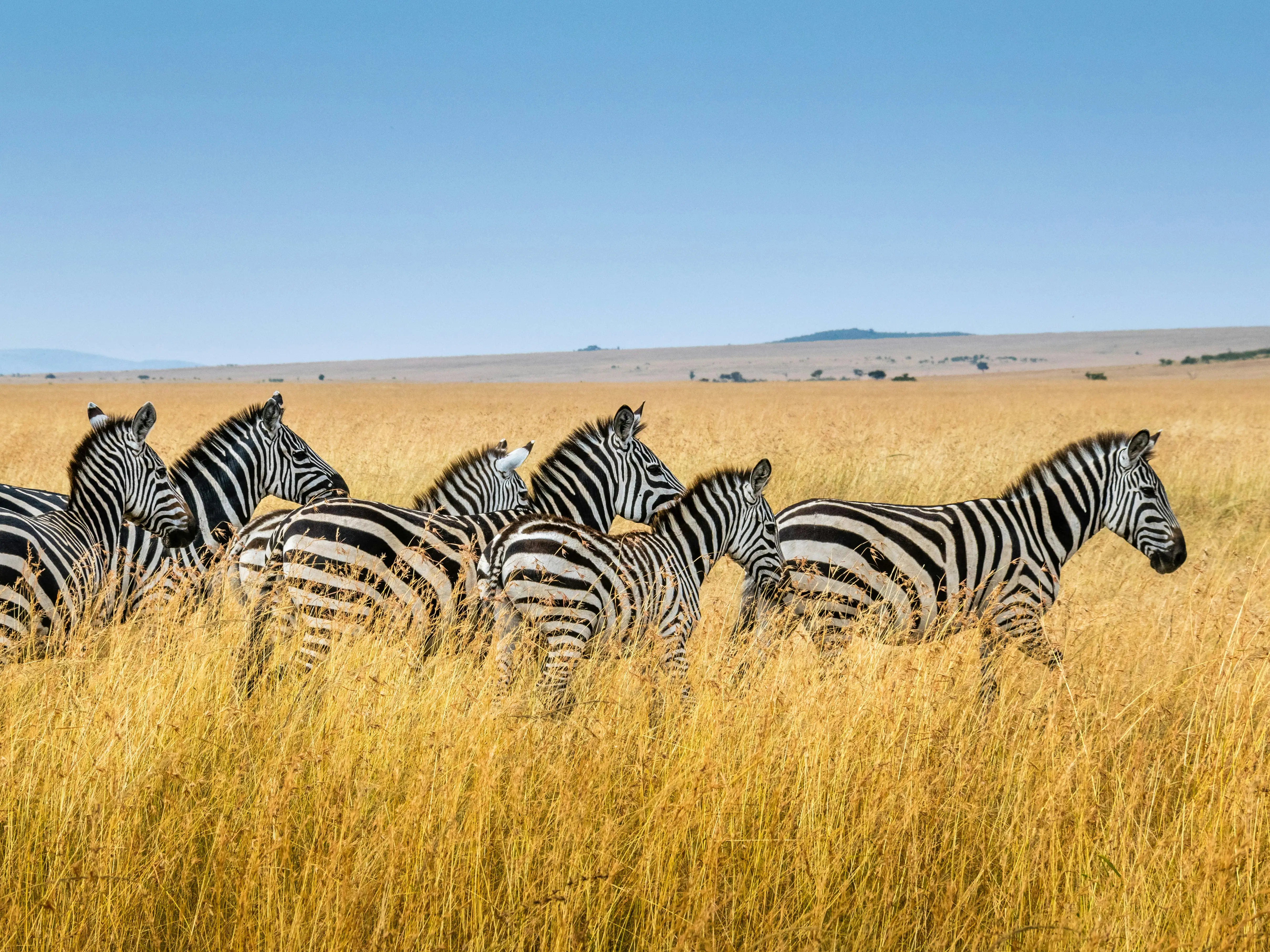
The Maasai Mara National Reserve is central to Kenya's wildlife appeal. Every year between July and October, the reserve hosts a spectacular stage of the Great Migration. Roughly two million wildebeest, alongside enormous groups of zebras and gazelles, make their way towards the Masai Mara from Tanzania's Serengeti in search of green grass. The migration involves crossing rivers where crocodiles wait, offering visitors a chance to observe nature in real time. The region's high concentration of big cats, including lions, ensures consistent sightings for safari-goers.
A haven for elephants and rare rhinos
Beyond the Maasai Mara, Kenya features numerous distinct habitats that protect iconic species. The 2025 National Wildlife Census showed that Kenya's elephant population has risen to 42,072 individuals. An estimated two-thirds of these elephants live outside national parks, often sharing landscapes with humans.
Further north, the Ol Pejeta Conservancy serves as a crucial sanctuary. It is famously home to Najin and Fatu, who are the last two northern white rhinos alive today. They live in a 700-acre secure enclosure and are protected by armed guards around the clock. Additionally, Ol Pejeta is the largest black rhino sanctuary in East Africa. Across the country, the combined black and white rhino population reached 2,102 in 2025, with Laikipia County holding the largest number.
Trending Stories
&imwidth=180&imheight=135&format=webp&quality=medium)
Houthis claim Riyadh airport attacks, Aramco strikes; issue fresh warning to airlines, travellers and workers
&imwidth=180&imheight=135&format=webp&quality=medium)
'Ouch!!! That must hurt': Kangana Ranaut hails Kamal Haasan's sharp reply to Elon Musk over Starlink row
&imwidth=180&imheight=135&format=webp&quality=medium)
Wasim Jaffer blames Ajit Agarkar-led selection panel for Virat Kohli’s Test retirement
&im=FitAndFill=(700,400)&imwidth=180&imheight=135&format=webp&quality=medium)
Is sending robots to Mars easier than sending humans?
&imwidth=180&imheight=135&format=webp&quality=medium)
Anthropic's AI invented a murder witness and sent the fake tip to Philadelphia police
&imwidth=180&imheight=135&format=webp&quality=medium)
UK school ditches technology, shifts from screen to pen and paper for learning
&imwidth=180&imheight=135&format=webp&quality=medium)
'Just coincidence': Police mistakes protester as AISA chief Neha Bora, arrests her from site
&imwidth=180&imheight=135&format=webp&quality=medium)
iPhone Duo price index: Tracking Apple’s latest pricing trends
&imwidth=180&imheight=135&format=webp&quality=medium)
McSweeney reveals how studying Virat Kohli’s YouTube clips helped Australia A conquer India
&imwidth=180&imheight=135&format=webp&quality=medium)
Nana Patekar's cause of death confirmed; here's what his postmortem report says
&imwidth=180&imheight=135&format=webp&quality=medium)
One Indian killed in Riyadh airport attack; 11 others injured : MEA
&imwidth=180&imheight=135&format=webp&quality=medium)
1,500 drones illuminate Mumbai sky as Cordelia Cruises unveils second ship, Cordelia Sky
&im=FitAndFill=(700,400)&imwidth=180&imheight=135&format=webp&quality=medium)
Navratri 2026: 9 days, 9 forms of Goddess Durga and 9 colours- Check the complete list
&imwidth=180&imheight=135&format=webp&quality=medium)
'Turn approver, resign, we'll forgive you': Rahul Gandhi claims receiving messages from CEC Gyanesh Kumar
&imwidth=180&imheight=135&format=webp&quality=medium)
Portugal Federation confirms Cristiano Ronaldo’s return to national team despite suspension
&imwidth=180&imheight=135&format=webp&quality=medium)
Congress demands action against chief election commissioner
&imwidth=180&imheight=135&format=webp&quality=medium)
BCCI rejects venue shift reports, India vs Sri Lanka 1st ODI to remain in Delhi
&imwidth=180&imheight=135&format=webp&quality=medium)
Anti-SIR protest in Mumbai: Protestors wear black masks & ribbons in Mumbai
&imwidth=180&imheight=135&format=webp&quality=medium)
Delhi protests: 'Court should not be dragged into political activity', says CJI Surya Kant
&imwidth=180&imheight=135&format=webp&quality=medium)
Diljit Dosanjh’s Delhi concert gets a new date: When and where to catch the singer
&imwidth=180&imheight=135&format=webp&quality=medium)
Microsoft's Nadella says treat every AI model as already hacked, and build an 'emergency brake'
&imwidth=180&imheight=135&format=webp&quality=medium)
Maharashtra appoints FDA commissioner Tukaram Mundhe as secretary of committee for MPSC overhaul amid stir
&imwidth=180&imheight=135&format=webp&quality=medium)
Saif Ali Khan is finally on Instagram! Here's what he shared in his first post
&imwidth=180&imheight=135&format=webp&quality=medium)
Telangana ATM heist: Thieves in nighties arrive in ambulance, break into SBI ATM in Kamareddy - VIDEO
&imwidth=180&imheight=135&format=webp&quality=medium)
Delhi protest: CJI Surya Kant declines to meet India Bloc leaders
&imwidth=180&imheight=135&format=webp&quality=medium)
'Say no to Muse': Meta has no control over its own moderation AI while it forces a security nightmare on everyone
&imwidth=180&imheight=135&format=webp&quality=medium)
CJI Surya Kant declines INDIA bloc leaders’ request for meeting ahead of march to SC, asks them to file petition
&imwidth=180&imheight=135&format=webp&quality=medium)
Telangana man allegedly recruited into Russian military dies near Ukraine border
&imwidth=180&imheight=135&format=webp&quality=medium)
Top AI models flunked a test of inventing new AI research, so much for self-improving AI
&imwidth=180&imheight=135&format=webp&quality=medium)
A watchdog rated 'ChatGPT for Teens' an unacceptable risk and says keep under-18s off it
&im=FitAndFill=(700,400)&imwidth=180&imheight=135&format=webp&quality=medium)
New OTT releases this week (October 12-18, 2026): Sacrifice, Koffee with Karan S9, Roadies Rebirth- 6 titles coming on Netflix, JioHotstar and more
&imwidth=180&imheight=135&format=webp&quality=medium)
Sidhu Moose Wala’s younger brother wins hearts by recreating late singer’s signature move at Toronto Hologram Show
&imwidth=180&imheight=135&format=webp&quality=medium)
Other Mommy leads North American box Office as Verity, Resident Evil round out top four
&imwidth=180&imheight=135&format=webp&quality=medium)
China imposes first-ever sanctions on ministers from Taiwan allies: What this means
&imwidth=180&imheight=135&format=webp&quality=medium)
Iran: US accepted some conditions, Clarity needed on others
Favourable climate for reliable sightings
Kenya's equatorial location provides a relatively stable climate, which is highly beneficial for wildlife viewing. The dry seasons, running from June to October and January to February, are generally considered the best times to visit. During these months, vegetation is sparse, and animals gather around permanent water sources. The country's tourism infrastructure is highly developed, connecting international arrivals to numerous domestic airstrips near major parks, reducing travel time between destinations.
A wildlife holiday in Kenya combines incredible biodiversity with reliable tourism infrastructure. Whether observing the two million wildebeest of the Great Migration or tracking the 2,102 rhinos across conservation areas, visitors are guaranteed a memorable experience. Proper planning during the dry season ensures optimal wildlife sightings across the country's landscapes.
