Why do wild animals need quiet places to survive?

&imwidth=600&imheight=450&format=webp&quality=medium "Why do wild animals need quiet places to survive?")
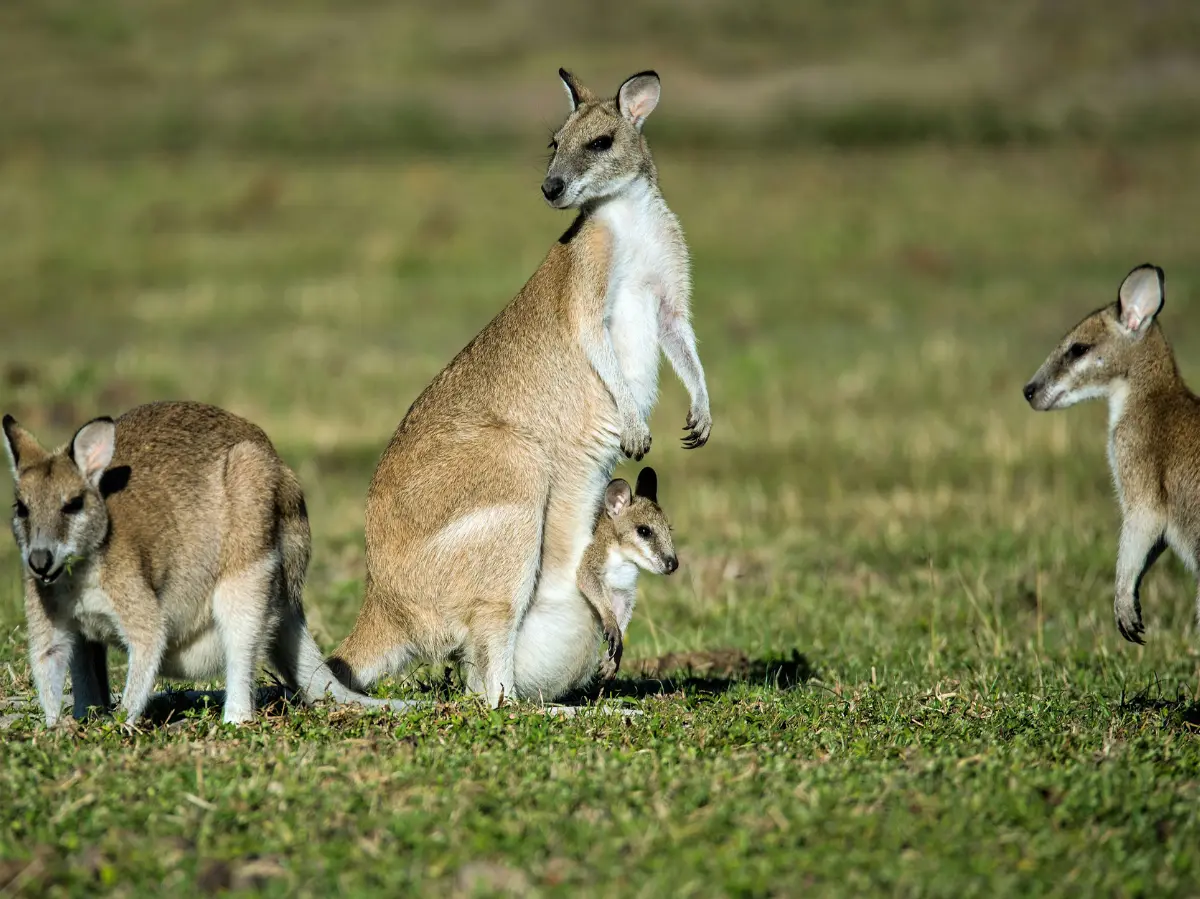
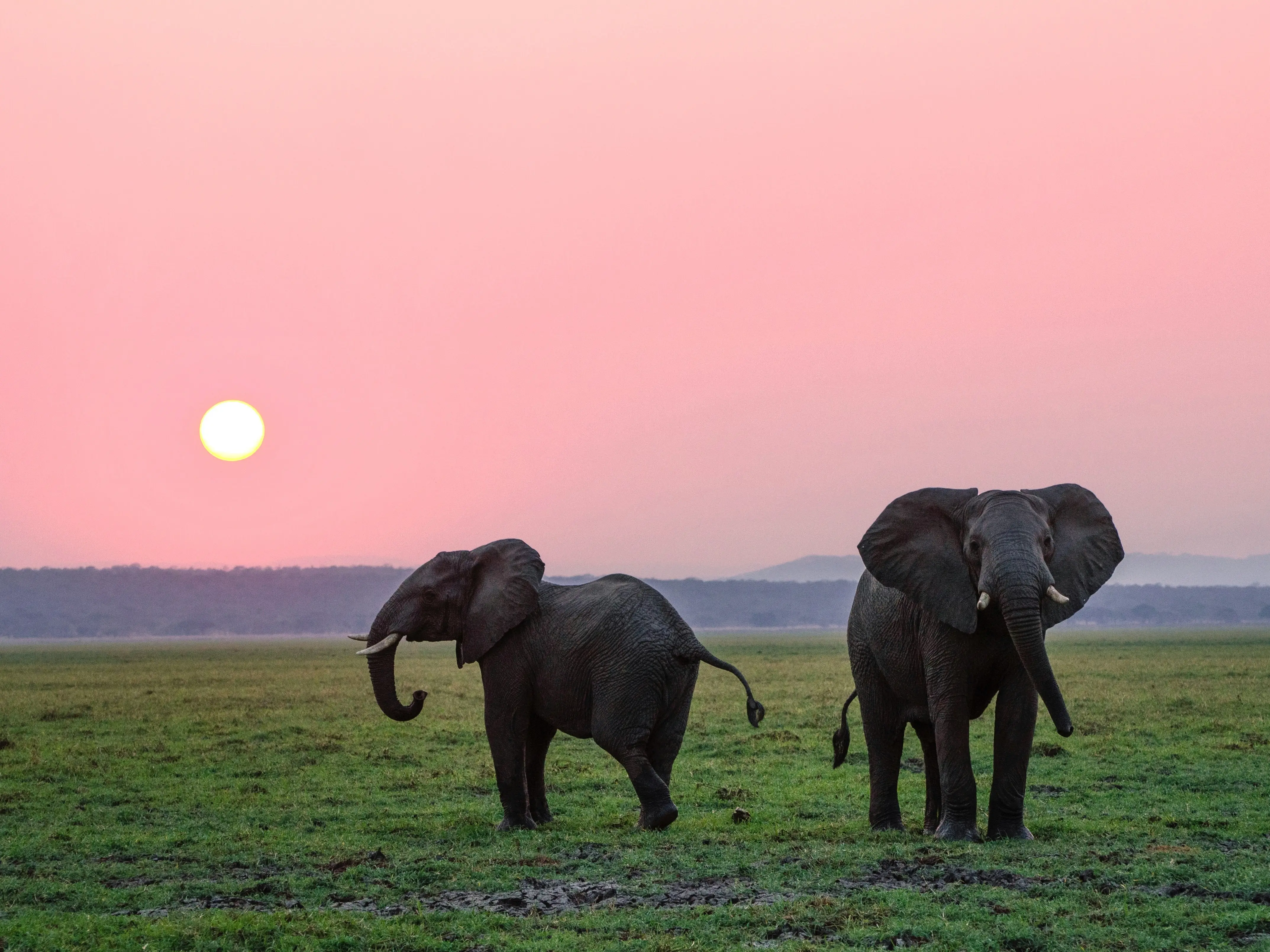
Why do wild animals need quiet places to survive? Photograph: (Unsplash)
Scientific research reveals that human-made noise pollution severely disrupts wildlife survival. Increased background noise reduces animal listening areas by up to 90 per cent, damaging breeding success and hunting abilities. Establishing quiet zones is vital for global conservation.
Human-made noise is creeping into the most remote forests and oceans, posing a severe threat to global wildlife. While habitat destruction often dominates environmental discussions, acoustic pollution is equally disastrous. For many wild species, survival hinges on their ability to hear faint, natural sounds. Without quiet places, animals struggle to hunt, find mates, and avoid predators, leading to significant population declines across various ecosystems.
The danger of acoustic masking and reduced listening areas
Animals rely on their hearing for daily survival. When human-generated noise from traffic, aircraft, or industrial activity drowns out natural sounds, it creates a dangerous effect known as acoustic masking.
A landmark 2017 study published in the journal Science revealed that human-caused noise doubled background sound levels in 63 per cent of protected areas in the United States. Furthermore, a 10-decibel increase in anthropogenic noise can cause a 90 per cent decline in an animal's listening area. This means predators cannot hear rustling prey, and prey animals become highly vulnerable because they cannot detect approaching danger.
Disruption of breeding and marine communication
Noise pollution directly damages reproductive success across numerous species. Birds and marine mammals use complex mating calls and communication systems. However, research shows that birds such as the ash-throated flycatcher experience lower reproductive success when exposed to constant noise from energy sectors. In cities, birds like great tits are forced to sing at higher frequencies just to be heard over traffic.
Trending Stories
)
)
)
)
)
&im=FitAndFill=(700,400))
)
)
)
&im=FitAndFill=(700,400))
&im=FitAndFill=(700,400))
)
)
)
)
)
)
)
)
)
)
)
)
)
)
)
)
)
)
)
)
&im=FitAndFill=(700,400))
)
)
&im=FitAndFill=(700,400))
The oceans are also suffering. Increased background noise from commercial shipping lanes severely restricts marine communication. Scientific estimates indicate that minke whales lose around 80 per cent of their communication range due to ocean noise, which affects their ability to navigate and breed successfully.
Creating acoustic buffer zones for conservation
To combat this invisible crisis, conservationists and park managers are exploring noise mitigation strategies. Establishing quiet zones and acoustic buffer zones around sensitive habitats is a crucial step. This involves aligning aeroplane flight paths over existing roads and restricting heavy vehicle movement near wilderness areas.
Protecting natural soundscapes is vital for ecosystem health. Travellers can help by respecting speed limits in national parks and maintaining low volumes when observing wildlife.
Preserving the acoustic environment is just as important as protecting physical habitats. By actively reducing human-made noise and supporting quiet zones, we can ensure that vulnerable animal populations have the peaceful environments they need to breed, hunt, and thrive for generations.
