
&imwidth=800&imheight=600&format=webp&quality=medium "Top places in India to visit if you love photography and nature")
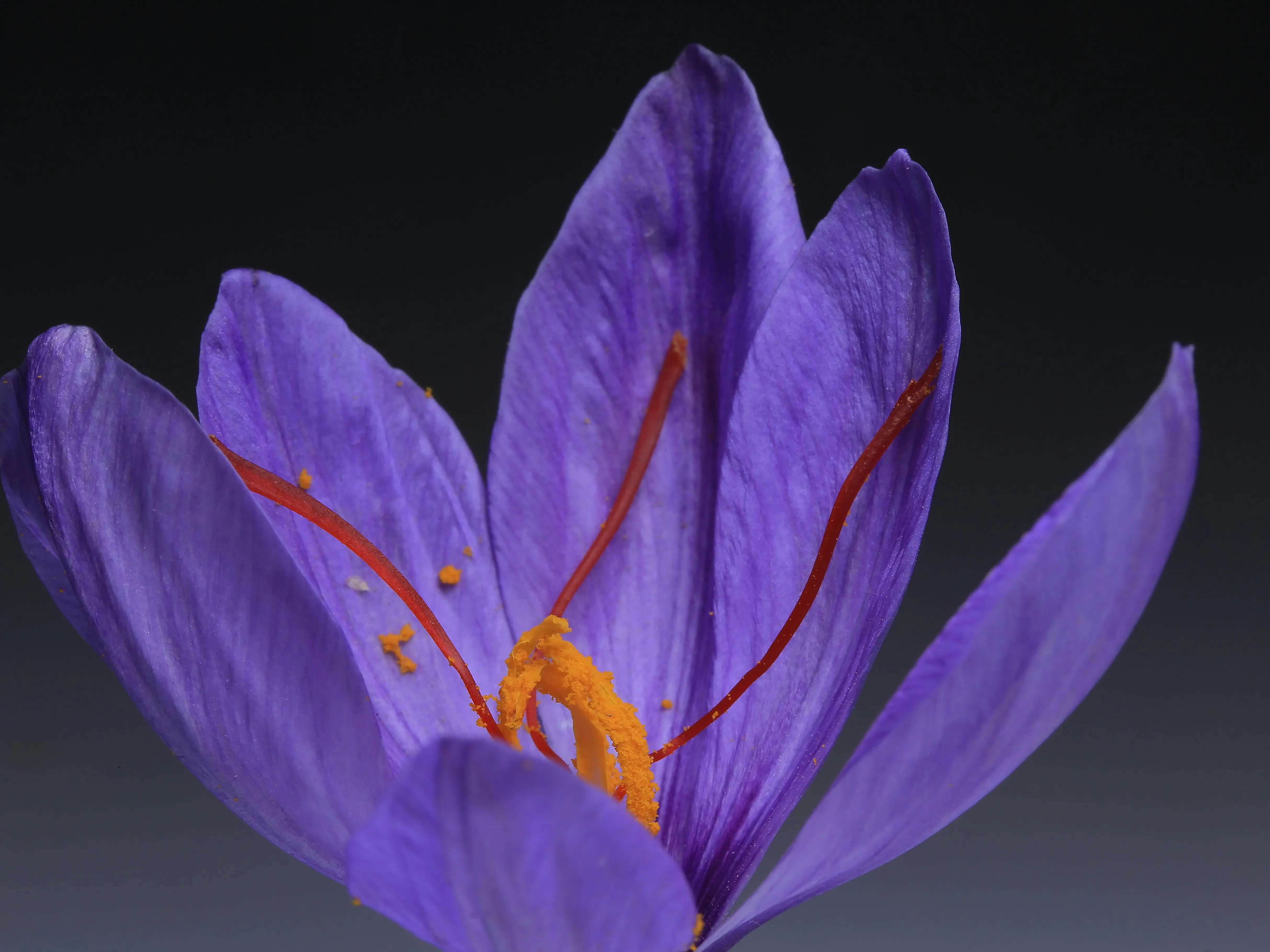
India's diverse geography provides a wide range of opportunities for nature photography. From high-altitude Himalayan valleys to dense tropical forests, the landscape changes dramatically across regions. For photographers looking to capture wildlife, rare flora, and raw natural light, selecting the right destination and season is crucial. Here are five locations across the country that offer distinct environments for landscape and wildlife photography.
1. Valley of Flowers: Alpine flora in Uttarakhand
Located in the Chamoli district, this high-altitude national park is a UNESCO World Heritage site. The Valley of Flowers sits above 3,600 metres and hosts more than 500 species of flowering plants. According to park authorities, the valley blooms extensively with rare alpine flora, including the blue poppy and Brahma Kamal, during the monsoon season between July and September. Photographers can capture these vibrant wildflower meadows against the backdrop of snow-capped Himalayan peaks. The trek starts from Govindghat and requires a moderate level of fitness.

2. Munnar: Rolling tea estates and misty hills
Munnar is a prominent hill station in the Western Ghats of Kerala, situated at an altitude of around 1,600 metres. The region is known for its expansive tea plantations that follow the natural contours of the hills. Early mornings offer the best lighting, as thick mist settles in the valleys. Nearby, the Eravikulam National Park provides unique opportunities to photograph the endangered Nilgiri Tahr. Official census data indicates that this park holds the largest contiguous wild population of the mountain goat, with around 841 individuals recorded.
3. Spiti Valley: High-altitude cold desert
Trending Stories
)
Woman removes all her clothes on American Airlines flight, performs 'indecent acts'; arrested
)
Turkish Airlines plane flies through a storm three times, triggering severe turbulence
)
'Huge destructive power': North Korea calls its latest missile launches 'live-fire drill' even as US dismisses 'immediate threat'
)
‘Let’s go’: Newly declassified videos show dramatic rescue of US Air Force officers downed in Iran
)
Natural caffeine sources gain popularity; matcha & botanicals offer calm energy
)
Veteran Bollywood actress Nafisa Ali shares health update as Stage 4 cancer progresses, starts targeted therapy
&im=FitAndFill=(700,400))
New OTT releases this week (September 14-20, 2026): Lust Stories 3, Waiting Hai, Irumudi- 5 new titles coming on Netflix, Prime Video and more
)
NEET-UG to move to computer-based test soon, NTA DG says ‘CBT is the future’
)
Did India risk its US trade deal despite softer stance at BRICS?
)
Ganesh Chaturthi 2026: Devotees throng the iconic Lalbaugcha Raja pandal in Mumbai
)
Practical Magic 2 breaks Spidey spell over North American box office
)
Did China give Iran intel before US base strike that killed 3 troops? Trump says, 'You’re right...'
)
China discovers vast gold and silver 'mine' in the Pacific with unheard-of deposits
)
Plane carrying prominent figure crashes at Libya’s Misrata airport: Report
)
'Nobody knows if it can be in control': ‘Godfather’ of AI, China spy chief back AI slowdown calls, flags political threat
)
800 million years old - Scientists discover 'fingerprints' of supercontinent Gondwana in ancient rocks
)
Orlando Bloom addresses Pirates of the Caribbean comeback and reunion with Johnny Depp
)
Russian drone hits Warsaw-bound train near Polish border, Zelensky accuses Moscow of ‘deliberate’ targeting
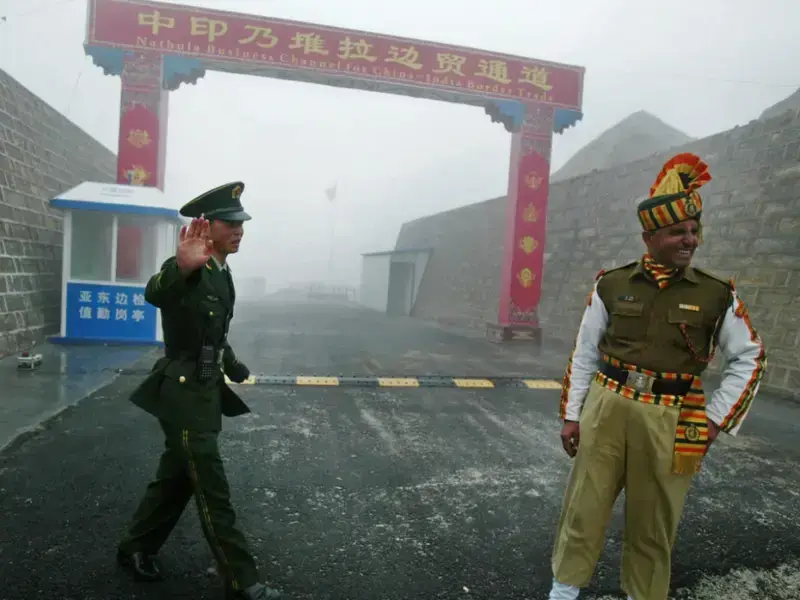)
China thinned Himalayan troop presence in 2025, India defence report says; terms border situation 'stable'
)
Women's Asia Cup 2026: India denied trophy once again despite winning the title
)
Pakistan puts Pak Rs 70 lakh bounty on UN terrorist Masood Azhar; move draws skepticism in Delhi
)
Israeli minister calls to strip Gaza film directors of citizenship
)
Liam Neeson sparks romance rumours after holding hands with Stella Stocker at TIFF 2026
&im=FitAndFill=(700,400))
Why European Meteor missiles use ramjet engines compared to standard US solid rockets
)
‘Want to reset ties with India, have engagement based on mutual interests,’ says Bangladesh minister
)
Trump says Canada eager to reach a deal, it could come ‘fairly soon’ if Ottawa treats US farmers better
)
Indian importers urge Bangladesh to lift export ban on 'Hilsa' fish ahead of Durga Puja
)
Video of Pakistani lawmaker struggling to read English tribute to Jinnah goes viral - WATCH
&im=FitAndFill=(700,400))
Why Chinese PL-15 air-to-air missiles use dual-pulse motors compared to European interceptors
)
Russia proposes to build 360 kmph Ivolga FG trains in India: What happened on sidelines of BRICS
)
Iran, India agree to deepen humanitarian and political ties, President Pezeshkian says
)
First naval drone battle? Ukraine says Sargan 3000 sank Russian unmanned boat
)
Humans may lose control of AI: Anthropic CEO calls for slowdown, Altman, Musk back him
)
Delhi’s balancing act: BRICS serves as a stage for West Asia diplomacy
For astrophotography and rugged landscapes, Spiti Valley offers clear, unpolluted skies. Located in Himachal Pradesh, this high-altitude cold desert features elevations ranging between 3,000 and 4,500 metres. Due to near-zero humidity and extremely low light pollution, it remains one of the premier spots in the country for capturing the Milky Way and star trails. Villages like Kibber and Langza, situated above 4,200 metres, provide wide-angle panoramic views for night sky photography.
4. Kaziranga National Park: Wildlife in the floodplains
Situated on the floodplains of the Brahmaputra river in Assam, Kaziranga is a primary destination for wildlife photography. Official census data confirms the park hosts approximately 70 per cent of the global population of the greater one-horned rhinoceros, with the latest count reaching 2,613 rhinos. The tall elephant grass and wetland ecosystem also support Bengal tigers, wild water buffalo, and varied birdlife. Winter mornings bring heavy fog, allowing photographers to capture atmospheric silhouettes of the animals.
5. Meghalaya: Living root bridges and tropical waterfalls
The Khasi and Jaintia hills of Meghalaya receive some of the highest rainfall in the world. This environment sustains dense tropical forests and unique bio-engineering structures known as living root bridges. Formed by guiding the roots of rubber fig trees across streams, these bridges offer distinct architectural subjects integrated with nature. The post-monsoon season enhances the region's numerous waterfalls, making it an ideal time for long-exposure photography.
Successful nature photography requires patience and respect for local ecosystems. Photographers should always adhere to forest department guidelines and maintain a safe distance from wildlife. Carrying appropriate protective equipment for lenses is essential when visiting during the monsoon or winter months.
