How to explore Japan beyond Tokyo and Kyoto

&imwidth=600&imheight=450&format=webp&quality=medium "How to explore Japan beyond Tokyo and Kyoto")
Japan Photograph: (Pexels)
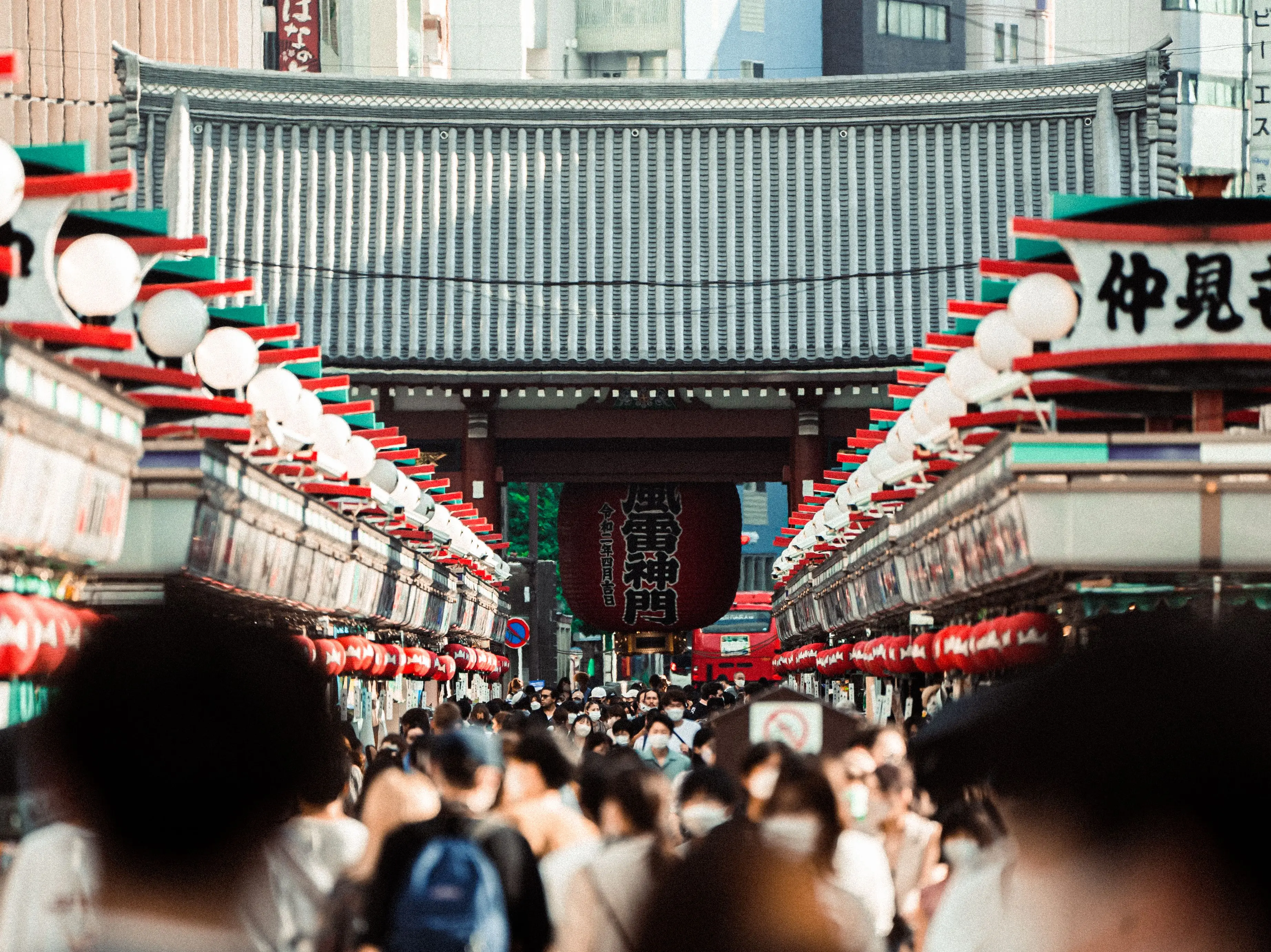
With international tourists crowding Tokyo and Kyoto, exploring Japan's regional prefectures offers a quieter alternative. From utilising regional rail passes for Tohoku to visiting Kanazawa and Shikoku, these practical strategies help you navigate off-the-beaten-path destinations.
Japan is experiencing record-breaking tourism, with the Japan National Tourism Organization (JNTO) reporting that over 60 per cent of international visitors concentrate in just three cities: Tokyo, Kyoto, and Osaka. This intense demand leads to crowded attractions and inflated hotel rates. However, venturing into Japan's regional prefectures offers a quieter, more authentic travel experience. Here are practical ways to explore the country beyond the standard tourist trail.
Utilise regional rail passes
In October 2023, the cost of the national Japan Rail (JR) Pass increased by nearly 65 per cent. Instead of purchasing the national ticket, budget-conscious travellers should target regional passes. For example, the JR East Tohoku Area Pass allows five consecutive days of unlimited travel for approximately Rs 16,500. This pass provides direct bullet train access to northern prefectures like Aomori and Akita, which see fewer tourists but offer extensive hot spring networks and preserved samurai districts.
Explore the Hokuriku coast
Kyoto is famous for its traditional architecture, but it currently suffers from severe overcrowding. Kanazawa, located in Ishikawa Prefecture along the Sea of Japan, serves as a direct alternative. The Hokuriku Shinkansen connects Tokyo to Kanazawa in just two and a half hours. Kanazawa features intact geisha districts and Kenrokuen, officially designated as one of Japan's three great landscape gardens. According to local tourism data, accommodation in Kanazawa costs up to 30 per cent less than equivalent stays in Kyoto.
Discover Shikoku island
Trending Stories
&im=FitAndFill=(700,400)&imwidth=280&imheight=210&format=webp&quality=medium)
&imwidth=280&imheight=210&format=webp&quality=medium)
&imwidth=280&imheight=210&format=webp&quality=medium)
&imwidth=280&imheight=210&format=webp&quality=medium)
&imwidth=280&imheight=210&format=webp&quality=medium)
&imwidth=280&imheight=210&format=webp&quality=medium)
&imwidth=280&imheight=210&format=webp&quality=medium)
&imwidth=280&imheight=210&format=webp&quality=medium)
&imwidth=280&imheight=210&format=webp&quality=medium)
&imwidth=280&imheight=210&format=webp&quality=medium)
&imwidth=280&imheight=210&format=webp&quality=medium)
&imwidth=280&imheight=210&format=webp&quality=medium)
&imwidth=280&imheight=210&format=webp&quality=medium)
&imwidth=280&imheight=210&format=webp&quality=medium)
&imwidth=280&imheight=210&format=webp&quality=medium)
&imwidth=280&imheight=210&format=webp&quality=medium)
&imwidth=280&imheight=210&format=webp&quality=medium)
&imwidth=280&imheight=210&format=webp&quality=medium)
&imwidth=280&imheight=210&format=webp&quality=medium)
&imwidth=280&imheight=210&format=webp&quality=medium)
&imwidth=280&imheight=210&format=webp&quality=medium)
&imwidth=280&imheight=210&format=webp&quality=medium)
&imwidth=280&imheight=210&format=webp&quality=medium)
&imwidth=280&imheight=210&format=webp&quality=medium)
&imwidth=280&imheight=210&format=webp&quality=medium)
&imwidth=280&imheight=210&format=webp&quality=medium)
&im=FitAndFill=(700,400)&imwidth=280&imheight=210&format=webp&quality=medium)
&im=FitAndFill=(700,400)&imwidth=280&imheight=210&format=webp&quality=medium)
&imwidth=280&imheight=210&format=webp&quality=medium)
&imwidth=280&imheight=210&format=webp&quality=medium)
&imwidth=280&imheight=210&format=webp&quality=medium)
&imwidth=280&imheight=210&format=webp&quality=medium)
&imwidth=280&imheight=210&format=webp&quality=medium)
&imwidth=280&imheight=210&format=webp&quality=medium)
&imwidth=280&imheight=210&format=webp&quality=medium)
&im=FitAndFill=(700,400)&imwidth=280&imheight=210&format=webp&quality=medium)
&imwidth=280&imheight=210&format=webp&quality=medium)
Shikoku is the smallest of Japan's four main islands and remains largely untouched by mass tourism, receiving less than two per cent of all international visitors to the country. It is famous for the 88 Temple Pilgrimage route, which stretches across 1,200 kilometres. Visitors do not need to walk the entire route. Renting a car or using local train lines allows you to visit key geographical sites like the Iya Valley, known for its steep mountain gorges and historical vine bridges.
Leverage domestic flight discounts
The bullet train is efficient, but domestic airlines often provide cheaper long-distance travel. Both Japan Airlines (JAL) and All Nippon Airways (ANA) offer special fares exclusively for foreign tourists. These specific regional fares typically start around Rs 3,000 per sector. This pricing structure makes remote destinations like Hokkaido in the north or Okinawa in the south highly accessible without enduring a 10-hour train journey.
Moving away from Japan's standard Golden Route requires a slight shift in planning, but the rewards are significant. By utilising regional transport passes and targeting lesser-known prefectures, you gain access to crowd-free historical sites and considerably lower daily travel costs.
