
&imwidth=800&imheight=600&format=webp&quality=medium "Beach or mountains: which holiday is right for you?")
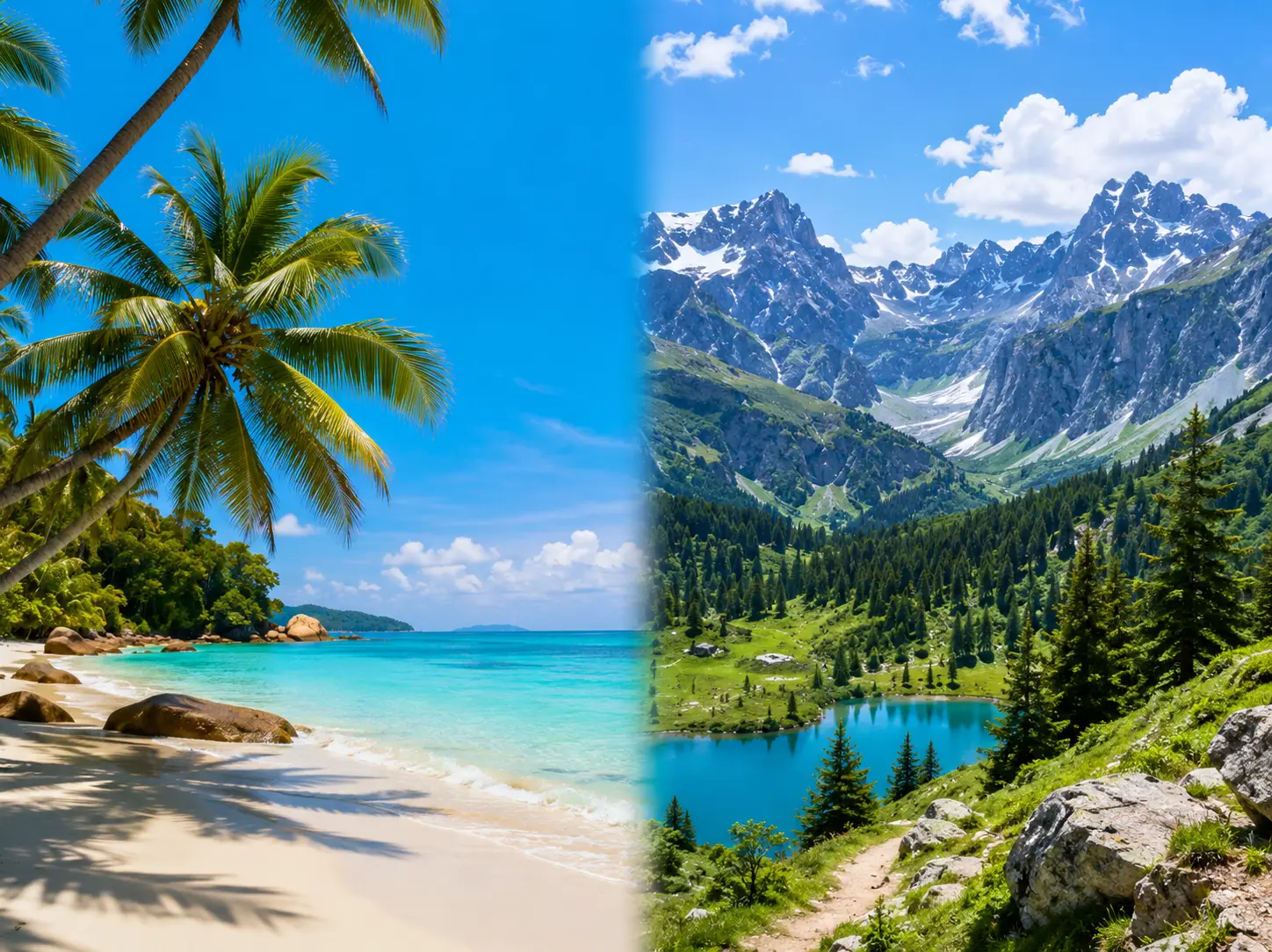
Choosing between a coastal retreat and an alpine getaway requires evaluating both your budget and your travel goals. While beaches offer traditional relaxation, mountain regions provide adventure and a completely different financial structure. Understanding the differences in accommodation pricing, accessibility, and health benefits can help you make an informed decision for your next trip.
Analysing accommodation and premium costs
Oceanfront properties consistently command premium nightly rates due to high demand and limited coastal real estate. Travel data indicates that prime beach resorts can easily exceed Rs 15,000 per night during peak seasons. Conversely, mountain destinations, outside of the core winter skiing months, often feature a wider variety of budget-friendly homestays and cabins. Travellers can frequently find highly-rated mountain accommodations averaging between Rs 4,000 and Rs 7,000 per night, making high-altitude trips significantly more cost-effective for longer stays.

Evaluating accessibility and transit expenses
While mountain lodging might be cheaper, geographical isolation can increase your local transit budget. Remote hill stations and alpine villages often lack comprehensive public transport networks, frequently requiring tourists to hire private drivers or rent vehicles. Coastal tourist hubs, by contrast, are typically well-connected by municipal buses, airport shuttles, and local transit passes. When planning a mountain holiday, it is crucial to factor in these higher daily transport costs against the savings made on accommodation.
Distinct health and wellness benefits
Trending Stories
)
Justice eludes Air India 1985 bombing victims as Canada probe goes 'inactive' | Gravitas
)
Trump revives India-Middle East-Europe economic corridor as India emerges central to West Asia’s future: What is it?
)
Erdogan again raises Kashmir issue at UNGA, calls for dialogue under UN Charter
)
Trump signs Greenland security deal with Denmark, paving way for two new US military bases
)
Most Americans want greater federal AI oversight
)
IND vs JPN T20I: How an overturned wide became point of difference between India's win and a tie
)
Trump-Xi summit: From trade to Taiwan, what will the US and Chinese presidents discuss in Washington?
)
Cyclone Arnab: Landfall expected before midnight tomorrow as IMD issues orange alerts across six states
)
ICC plans T20I expansion and fewer ODIs in 2027–2031 FTP cycle: Report
)
US-China tech war: Businesses in the front line
)
'Mumma’s boy from Gwalior who dared to dream': Kartik Aaryan pens long note after first National Award win
)
Gravitas | Boosting NHS productivity could save 20,600 lives in UK annually: Report
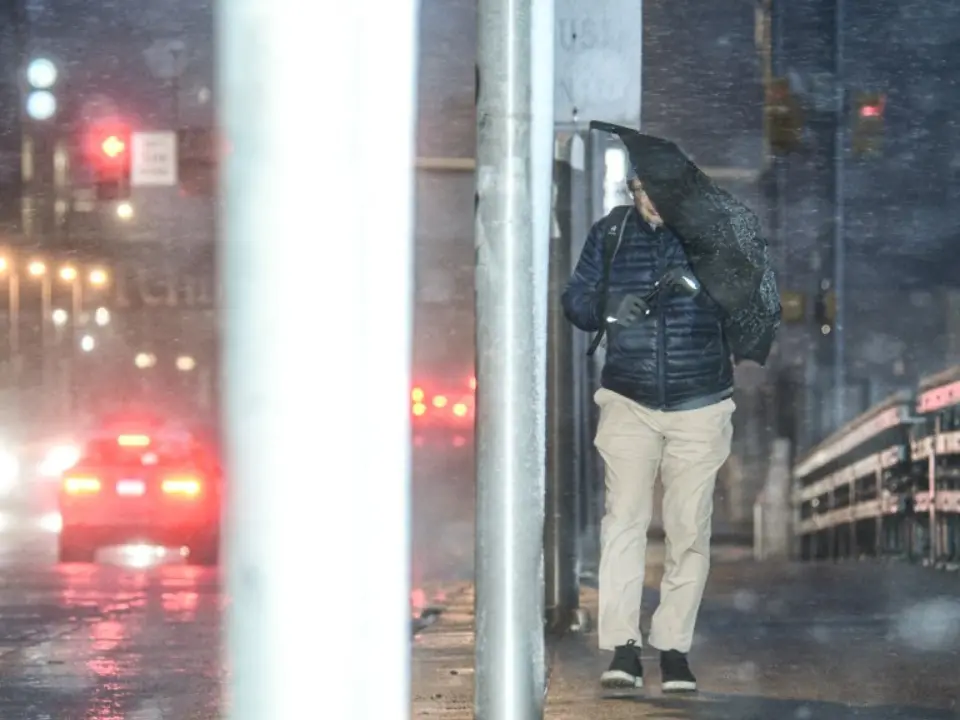)
Nor'easter could batter 13 US states this week. What you should know
)
US and China vie for AI dominance as calls grow for regulation | Gravitas
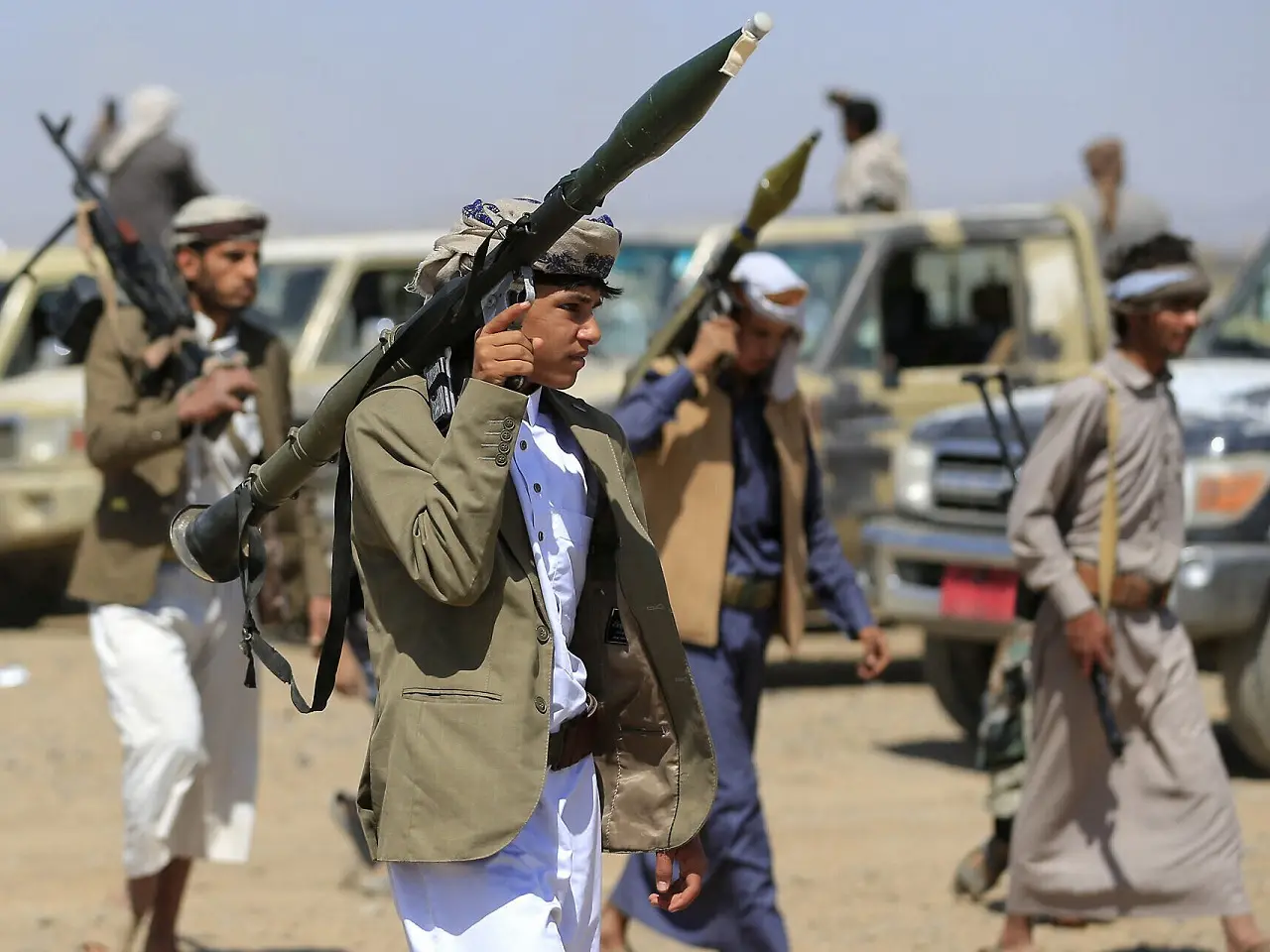)
Yemen clashes kill 154 people in two days as cornered Saudi battles Houthi offensive | Gravitas
)
Bomb scare in New York amid UNGA: Suspicious suitcase found near UN headquarters
)
IND vs JPN, one-off T20I: Japan captain Kendel on pushing India to the brink - ‘It was special’
)
Raaka creates history! Allu Arjun’s film secures Guinness World Record ahead of release
)
Mikel Arteta verbally agrees to three-year extension with Arsenal after title-winning Premier League season
)
WION Iconic Tourism Summit and Awards 2026: Key voices to discuss India’s tourism future
)
WION Iconic Tourism Summit and Iconic Awards 2026: India's travel economy leaders gather in Delhi
&im=FitAndFill=(700,400))
New OTT releases this week (September 21-27, 2026): Shaque: Trust No One, Hunkkaar, Don’t Be Shy- 5 new titles coming to Netflix, Prime Video and more
)
81st UN General Assembly: Burnham announces UK-US AI defence tie-up
)
Trump calls on nations to quit ‘rogue’ and ‘out-of-control’ International Criminal Court, rips UN
)
Infections transmitted from pregnant woman linked to autism risk
)
'What kind of confession is this?': Pakistan PM Shehbaz Sharif’s 'terrorists would be roaming New York' remark goes viral, raises alarm online. Watch
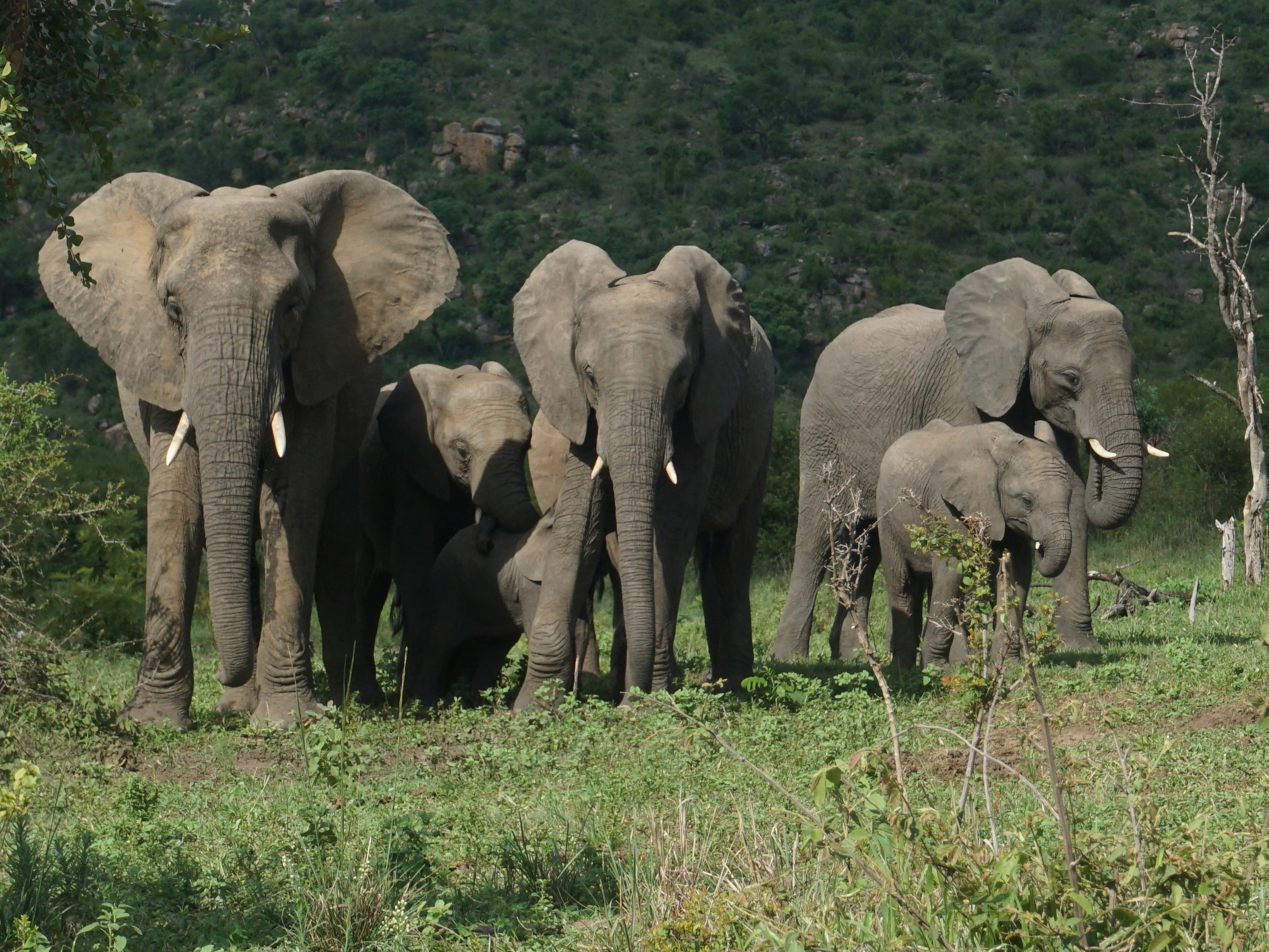)
Elephants hide behind trees, stage surprise attack on poachers targeting rhinos in South Africa
)
IIT Bombay professor Suryanarayana Doolla sent on leave amid Sahil Wakode death probe
&im=FitAndFill=(700,400))
National Film Awards 2026: Kartik Aaryan, Mammootty, Yami Gautam, Randeep Hooda and other key winners
)
‘Strike a deal or drive Iran into hell’: Trump issues fresh warning to Tehran at UNGA
)
Anne Hathaway to run in supporting race for Nolan's epic
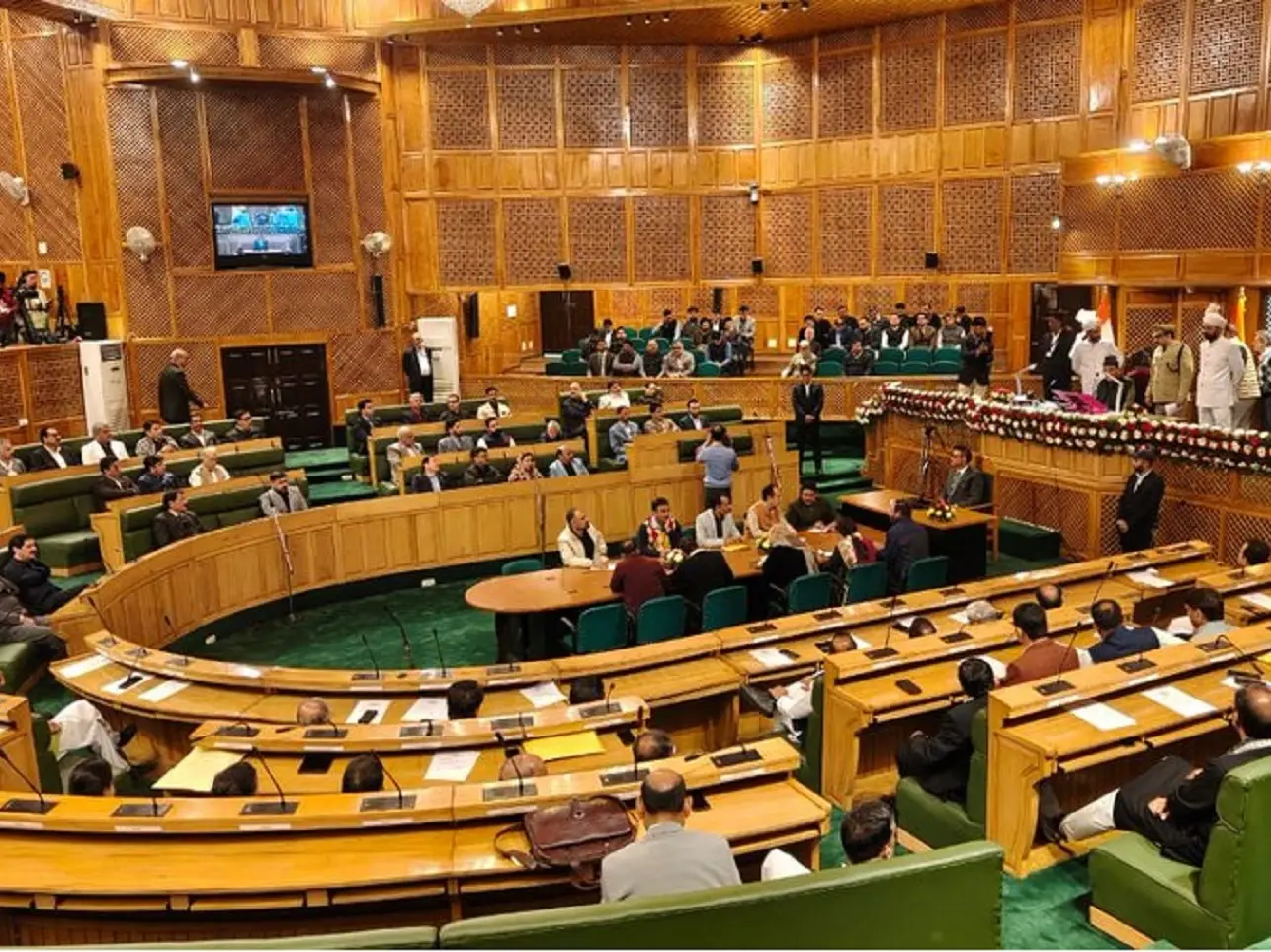)
Over 4,200 books withdrawn from circulation in J&K colleges, 94% from Kashmir
)
From Gaddafi tearing up UN Charter to Trump’s ‘escalatorgate’: Most unforgettable UNGA moments
)
Explainer: Why rare-earth export licences and Board of Trade are US priorities ahead of Trump-Xi summit
)
Asia prepares for record El Nino, food shock
)
Oil slips to $98 as Saudi Arabia restarts East-West oil pipeline
)
Four female students raped during 'Red Zone' at California university. What we know
)
'Taiwan and human rights are red lines': China warns US ahead of Xi-Trump visit
Both environments offer scientifically backed health advantages. Mountain travel exposes visitors to high-altitude fresh air, and navigating steep terrain serves as rigorous cardiovascular exercise. Studies show that spending time at higher elevations can temporarily boost metabolic rates. Meanwhile, coastal destinations are ideal for stress reduction. The sound of crashing waves naturally lowers cortisol levels, and sensible sun exposure provides essential Vitamin D, though travellers must carefully manage UV risks.