Explained: Why Ed Sheeran is facing copyright infringement lawsuit


Ed Sheeran believes that this type of litigation is damaging to the music industry.
Ed Sheeran, the popular English singer, is currently embroiled in a copyright infringement lawsuit. The heirs of Ed Townsend, co-writer and composer of Marvin Gaye's song "Let's Get It On," have accused Sheeran of unlawfully using the "heart" of the song in his hit "Thinking Out Loud." The heirs claim that Sheeran copied the song's "harmonic progressions," "melodic and rhythmic elements," and "repeated it continuously" throughout his song. However, Sheeran denies the allegations and argues that Gaye's song only has routine elements that are not unique or protectable. The lawsuit focuses on the musical building blocks of Gaye's song, not the lyrics or the overall feel.
The jury is tasked with deciding whether Sheeran copied these building blocks, which are recorded on sheet music filed with the United States Patent and Trademark Office. Townsend's family has been vocal about the case. Kathryn Townsend Griffin, Townsend's daughter, is the lead plaintiff in the lawsuit. While testifying, she said that she believes Sheeran is a fantastic artist with a bright future, but she has to protect her father's legacy.
Townsend, who was a singer, songwriter, and lawyer and also wrote the 1958 R&B doo-wop hit "For Your Love," passed away in 2003.

What is Ed Sheeran's response?
Sheeran has argued that "most pop songs can fit over most pop songs," citing "Let It Be" by the Beatles and "No Woman, No Cry" by Bob Marley as examples. He also played a four-chord progression from "Thinking Out Loud," and Alexander Stewart, a musicologist for the plaintiffs, argued that Sheeran's second chord is similar to the minor one in the same position in the "Let's Get It On" progression. Sheeran responded by demonstrating a version with a major chord that he said he played at "every single gig."
)
No Pandya as Auqib Nabi earns maiden ODI call-up; Mayank returns for WI T20Is| check full squads
)
Trump praises India’s Opium crackdown, hails anti-drug efforts
)
FBI Director Kash Patel grilled over change of hiring rules on bestiality
)
Sydney Sweeney defends provocative ad choice, the internet is still not impressed
)
Trump calls Canada-EU associate membership plan ‘laughable’ and threatens 'very serious tariffs'
)
Shahzad Bhatti Network declared terrorist organisation under UAPA: Govt order
)
US, China dominate global economy: Where does India rank among the world's biggest economies?
)
Finnish president Stubb calls Trump 'good for NATO' as allies increase defense expenditure
)
Hockey: Pakistan urges AHF to move Asian Champions Trophy out of India over security concerns
)
Bigg Boss 20: Mahhi Vij reveals she lost Yuva role to Kareena Kapoor; 'didn’t work out in my favour'
)
All Indian goods to get duty-free access to New Zealand
)
Alex Saab, ally of Venezuela's Maduro, pleads guilty in US corruption case
)
Lionel Messi for 2026 Ballon d’Or over Mbappe and Yamal, says Diego Simeone
)
Veteran actor Anant Nag honoured with Indian cinema’s highest award
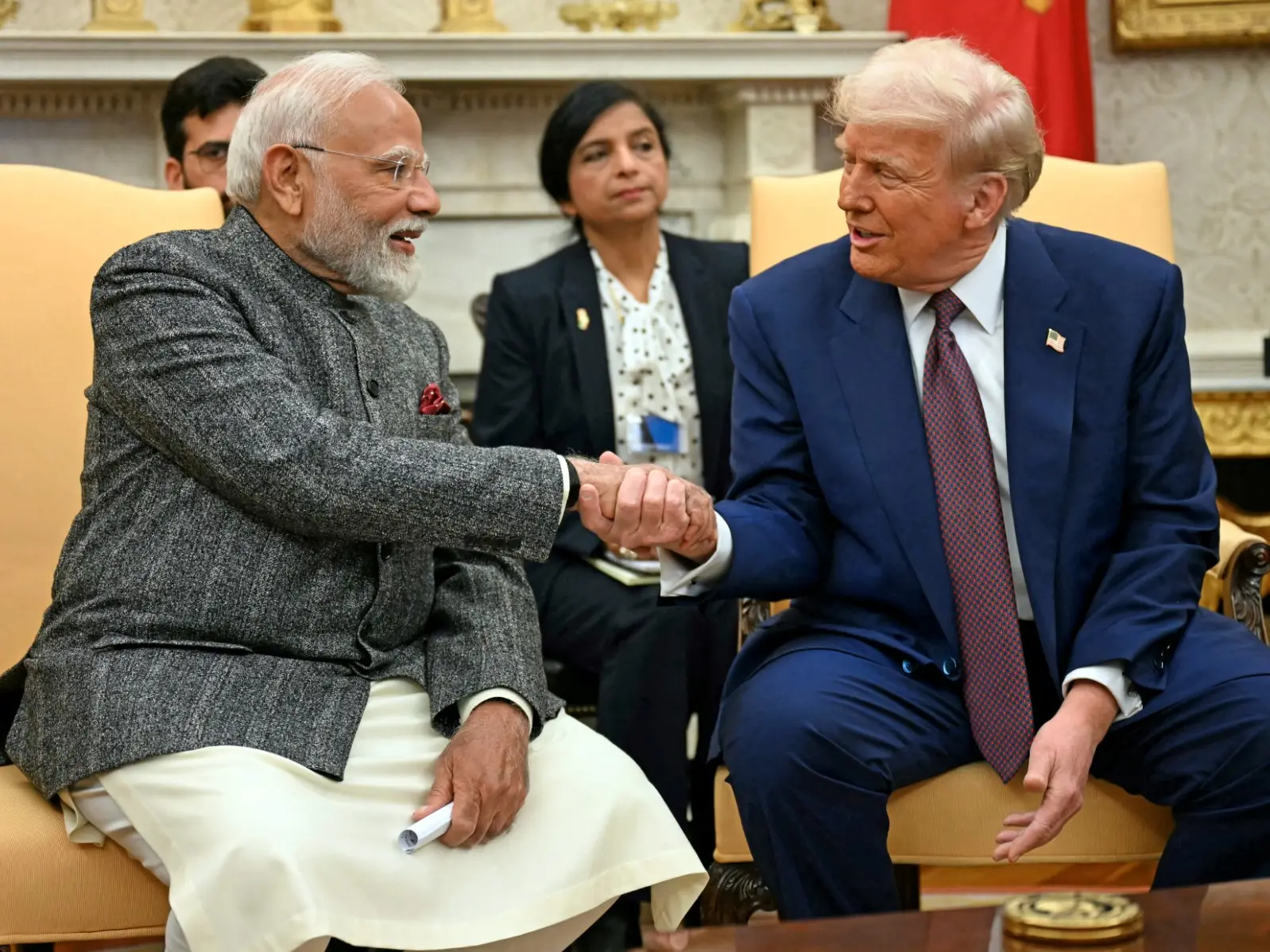)
Trump backs PM Modi’s anti-opium push even as India remains on US illicit drug-producing list
)
Pakistan naval vessel returns to harbour with 'severe damage' after collision with Indian warship in Arabian Sea
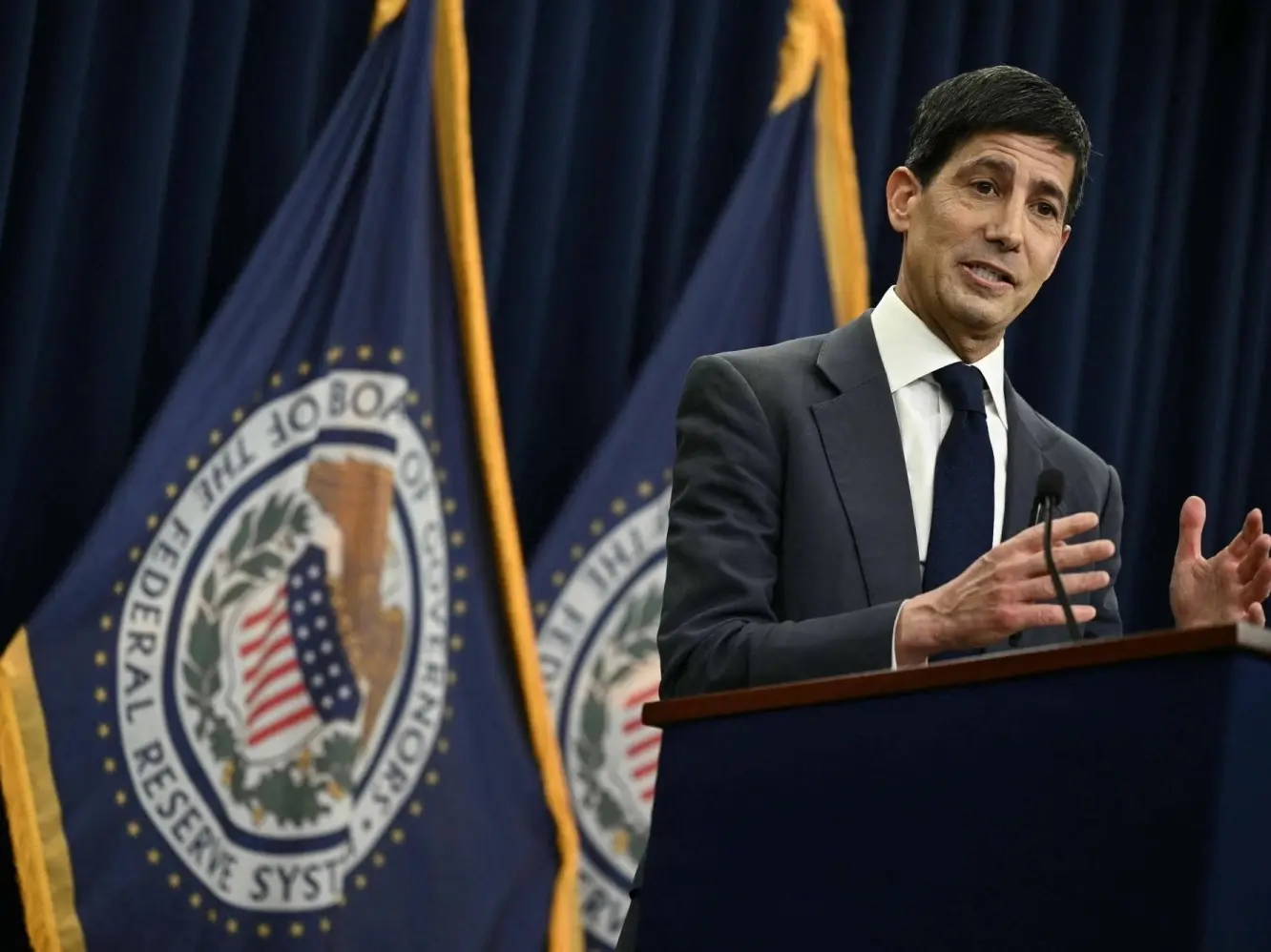)
Fed raises rates for first time in 3 years, Kevin Warsh defies Trump as inflation mounts
)
What is Article 10 of the 1991 treaty at the centre of Pakistan Navy's 'unprofessional conduct'
)
Katrina Kaif’s postpartum weight is not the problem; your gaze is
)
Ex-CIA officer caught with gold bars worth $40 million seeks plea deal | Gravitas
)
Daayra movie review: Kareena Kapoor, Prithviraj Sukumaran shine in Meghna Gulzar’s cop-versus-cop crime thriller
)
US trade tariff: 100% tariff targets Russian buyers amid trade tensions
)
Pakistan: Imran Khan's sons Kasim & Sulaiman claim their father is 'tortured' in jail
&im=FitAndFill=(700,400))
New OTT releases this week (September 14-20, 2026): Lust Stories 3, Waiting Hai, Irumudi- 5 new titles coming on Netflix, Prime Video and more
)
Trump's Iran war faces fresh House rebuke; 7 Republicans join Democrats in push to end conflict ahead of midterms
)
Trump gets new power to hit India, China with up to 100% tariffs as US Senate clears Russia sanctions bill
)
US Treasury rallies global financial institutions for Op Economic Outcast to isolate Iran
)
Saudi vs Houthis: Riyadh claims to have shot Houthi drone targeting Mecca
)
Riyadh warns of ‘red line’ after Mecca targeted; Houthis claim downing Saudi fighter jet – What’s happening?
&im=FitAndFill=(700,400))
Suriya and Jyothika say ‘I do’ again after 20 years! See their dreamy wedding pics
)
Abhishek Sharma rises to No. 2 in T20Is; ENG’s Robinson 3rd after record Pakistan Tests
)
Extreme warming in Indian Ocean added 695 billion tons of ice to Antarctica ice sheet
)
BRICS success stuns White House, Trump targets India with 100% tariff | Gravitas
)
Meghan Markle's phone number leaked from children's WhatsApp group, couple switches Archie and Lilibet's school
)
The Early Spring season 2 is happening, but fans have one request - 'don't change the actors'
Sheeran believes that this type of litigation is damaging to the songwriting industry and that claims are being made with the idea that a settlement will be cheaper than taking the case to court, even if there's no basis for the claim. He pointed out that coincidence is bound to happen if 60,000 songs are being released every day on Spotify.
Sheeran has also said that he couldn't believe that somebody would listen to one of his songs and then "diminish it by saying I stole it," adding that he found it really insulting.
Also Read:Ed Sheeran gets support from fellow performers in copyright trial
Support of peers for Ed Sheeran
Sheeran has said that he has received encouragement from other performers who share his concerns about litigation resulting from their songwriting, though he did not name anyone. He offered a spirited defence during his second day on the witness stand on May 1and stated that all songwriters view such allegations as a threat to their work. The trial, which is now in its second week, stems from a lawsuit filed by Ed Townsend's heirs several years ago. They are seeking unspecified damages.
Not the first copyright infringement suit against Ed Sheeran
This case is just one of several that Sheeran has faced over alleged copyright infringement. He is facing two other lawsuits in the same courthouse (Manhattan federal court)over the alleged similarities between "Thinking Out Loud" and "Let's Get It On," filed by a company that holds an 11.11 per cent stake in "Let's Get It On." Sheeran has also faced litigation for allegedly copying aspects of the song "Amazing" in his hit "Photograph," and for copying Sami Chokri's song "Oh Why" in his song "Shape of You." He went on to win the latter but said “claims like this are way too common now and have become a culture where a claim is made with the idea that a settlement will be cheaper than taking it to court, even if there’s no base for the claim."
Also Read:Explained | Controversy around Friends: A classic sitcom or a relic of a less diverse era?
Concerns over the impact of litigations on music industry
In the trial, Sheeran has raised concerns about the impact of litigation on the music industry. Many in the industry fear that the proliferation of lawsuits over alleged similarities between songs could stifle creativity and innovation, leading to an adverse effect on musicians, who would be discouraged from taking risks and experimenting with new sounds and styles. If every chord progression, melody, or rhythm is potentially subject to litigation, singers and songwriters may be hesitant to incorporate elements from other songs or genres into their own work and go out of the way to check whether the tune of their song might sound similar to some other song. This could lead to a homogenisation of music, with fewer new sounds and ideas being introduced.
Also Read:Explained: How John Wick films use limited dialogue to build enigma around Keanu Reeves' Baba Yaga
Also, the cost and time involved in defending against lawsuits could be prohibitive for independent or emerging musicians, who may not have the resources to fight back. This could create a power dynamic where established artists or companies with deep pockets are better equipped to withstand litigation and assert their ownership of musical elements, while smaller or newer players may be forced to settle or give up their claims.
If that weren't enough, there is a thing called 'sampling' in music, which refers to the practice of taking a portion, or a sample, of an existing sound recording and incorporating it into a new composition.The process of sampling has been widely used in various music genres, such as hip-hop, electronic, and pop, to create new songs by blending pre-existing elements with new sounds and lyrics. The practice is prevalent andthings could heat up, if legal measures were taken to counter it.
Ultimately, the outcome of the Sheeran lawsuit and others like it could have far-reaching implications for the music industry.
WATCH WION LIVE HERE
You can now write for wionews.com and be a part of the community. Share your stories and opinions with us here.