Swara Bhasker’s Jauhar remark brings Jayasi’s book Padmavat back in focus: Here's what inspired Sanjay Leela Bhansali's historical epic

&imwidth=600&imheight=450&format=webp&quality=medium "Swara Bhasker’s Jauhar remark brings Jayasi’s book Padmavat back in focus: Here's what inspired Sanjay Leela Bhansali's historical epic")
Swara Bhasker slams Jauhar in Padmaavat Photograph: (X)
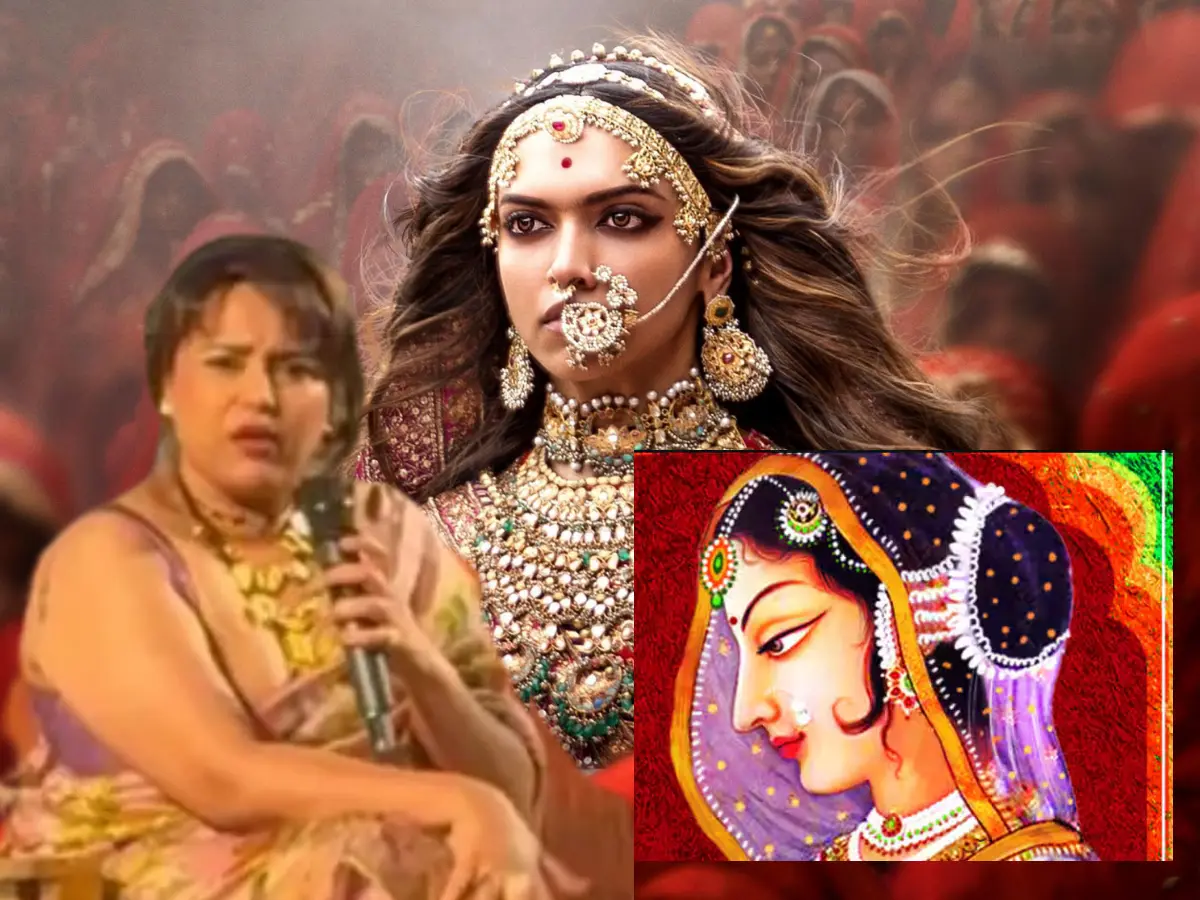
Swara Bhasker’s remarks on Jauhar scene in Sanjay Leela Bhansali's 2018 historical epic has brought Queen Padmaavati back into focus. Here’s a look at the legend, Malik Muhammad Jayasi, whose 1540 poem inspired the director's blockbuster hit, Padmaavat.
Swara Bhasker’s recent remark on the life story of Rani Padmaavati and her act of bravery, known as Jauhar, has once again brought the legendary queen into focus. Calling the act “cowardly,” Bhasker’s statement has sparked a debate online, with many criticising the actress for her remarks on the act associated with Padmaavati. While the queen of Chittor has long been remembered as a symbol of courage and honour, questions now arise over whether she was a real historical figure or a fictional character and how Sanjay Leela Bhansali’s historical epic Padmaavat was inspired by Malik Muhammad Jayasi’s 16th-century Sufi epic poem. Here’s everything you need to know.
Swara Bhasker slams Jauhar scene in Padmaavat
Speaking at an event organised by the India International Centre (IIC) in New Delhi, Swara Bhasker questioned the climax of Sanjay Leela Bhansali's Padmaavat, which shows how Deepika Padukone’s character, Queen Padmaavati, performing Jauhar along with hundreds of other women. She questioned, "Are we saying that rape is the end of a woman’s life?"
She further continued that, "I’m watching this, these 800 women committing jauhar, and I was like, if I had been, God forbid, if I was a rape survivor, what is this film telling me? I would feel like a coward, that I didn’t kill myself to save my honour. Is that what you want to tell in a society like ours, where I feel like there’s anyway a rape epidemic?”
Bhaskar talked about a shot featuring a pregnant woman during the sequence and questioned the portrayal that the baby doesn't deserve to be born because she might be raped by a Muslim ruler.
“And then there was that one shot, it made me so mad, I was like, chiii, in the audience loudly. There is a close-up of a pregnant woman’s belly. And she is going, so you’re saying that a foetus that might be female doesn’t deserve to be born, because she might be raped by a Muslim ruler?” she said.
As soon as Bhasker’s video from the event went viral, her remarks drew a strong reaction online. Several netizens criticised her comments, saying they were disrespectful to Rajput women and their history, while others supported her for questioning the portrayal and interpreting it from a contemporary perspective.
Amid the heavy criticism, Swara Bhaskar posted a clarification video on social media, saying that her recent speech at an event in Delhi had been completely mistranslated and misrepresented.
Trending Stories
&imwidth=280&imheight=210&format=webp&quality=medium)
&imwidth=280&imheight=210&format=webp&quality=medium)
&imwidth=280&imheight=210&format=webp&quality=medium)
&imwidth=280&imheight=210&format=webp&quality=medium)
&imwidth=280&imheight=210&format=webp&quality=medium)
&imwidth=280&imheight=210&format=webp&quality=medium)
&imwidth=280&imheight=210&format=webp&quality=medium)
&imwidth=280&imheight=210&format=webp&quality=medium)
&imwidth=280&imheight=210&format=webp&quality=medium)

&imwidth=280&imheight=210&format=webp&quality=medium)
&imwidth=280&imheight=210&format=webp&quality=medium)
&imwidth=280&imheight=210&format=webp&quality=medium)
&imwidth=280&imheight=210&format=webp&quality=medium)
&imwidth=280&imheight=210&format=webp&quality=medium)
&imwidth=280&imheight=210&format=webp&quality=medium)
&im=FitAndFill=(700,400)&imwidth=280&imheight=210&format=webp&quality=medium)
&imwidth=280&imheight=210&format=webp&quality=medium)
&imwidth=280&imheight=210&format=webp&quality=medium)
&imwidth=280&imheight=210&format=webp&quality=medium)
&imwidth=280&imheight=210&format=webp&quality=medium)
&imwidth=280&imheight=210&format=webp&quality=medium)
&imwidth=280&imheight=210&format=webp&quality=medium)
&imwidth=280&imheight=210&format=webp&quality=medium)
&imwidth=280&imheight=210&format=webp&quality=medium)
&im=FitAndFill=(700,400)&imwidth=280&imheight=210&format=webp&quality=medium)
&imwidth=280&imheight=210&format=webp&quality=medium)
&imwidth=280&imheight=210&format=webp&quality=medium)
&im=FitAndFill=(700,400)&imwidth=280&imheight=210&format=webp&quality=medium)
&imwidth=280&imheight=210&format=webp&quality=medium)
&imwidth=280&imheight=210&format=webp&quality=medium)
&imwidth=280&imheight=210&format=webp&quality=medium)

&imwidth=280&imheight=210&format=webp&quality=medium)
Malik Muhammad Jayasi’s Padmavat
The story of Rani Padmaavati is best known through Malik Muhammad Jayasi’s Padmavat, a 1540 epic poem written in Awadhi. It is believed that the poem was written 237 years after Delhi Sultan Alauddin Khalji attacked and captured the Fort of Chittor in 1303 CE. The poem tells the story of Padmaavati, Ratan Sen, and Alauddin Khalji.
The story begins with Ratan Sen, the king of Chittor, who learns about Padmavati, the princess of Singhal (Sri Lanka), from a talking parrot named Hiraman. He later travels to Singhal, wins her hand, and brings her back to Chittor as his wife.
Ratan Sen introduces Queen Padmavati to Raghav Chetan, who later betrays the king of Chittor and tells Sultan Alauddin Khalji about Padmavati’s extraordinary beauty. Khalji then marches to Chittor, driven by obsession, and the siege begins.
Queen Padmaavati and Jauhar
The epic poem further tells the legendary story of Queen Padmavati and the practice of jauhar. During the massive conflict between Sultan Alauddin Khilji and Ratan Sen, Queen Padmavati's husband, Sen, dies. This leads her, along with the other women of the fort, to choose death over their dishonour.
The Jauhar begins as they walk into a massive fire, while the men charge out into a final, fatal battle. This collective decision left Khilji alone, capturing only an empty, burning fortress.
Sanjay Leela Bhansali’s Padmaavat
When Sanjay Leela Bhansali’s historical epic Padmaavat hit cinemas, the film garnered massive attention for its storyline and portrayal of the conflict between Rajput rulers and Alauddin Khilji. However, its popularity led many viewers to believe that Queen Padmaavati was a real historical figure. However, according to several historical reords, Padmaavati was a fictional character rather than an actual historical figure.
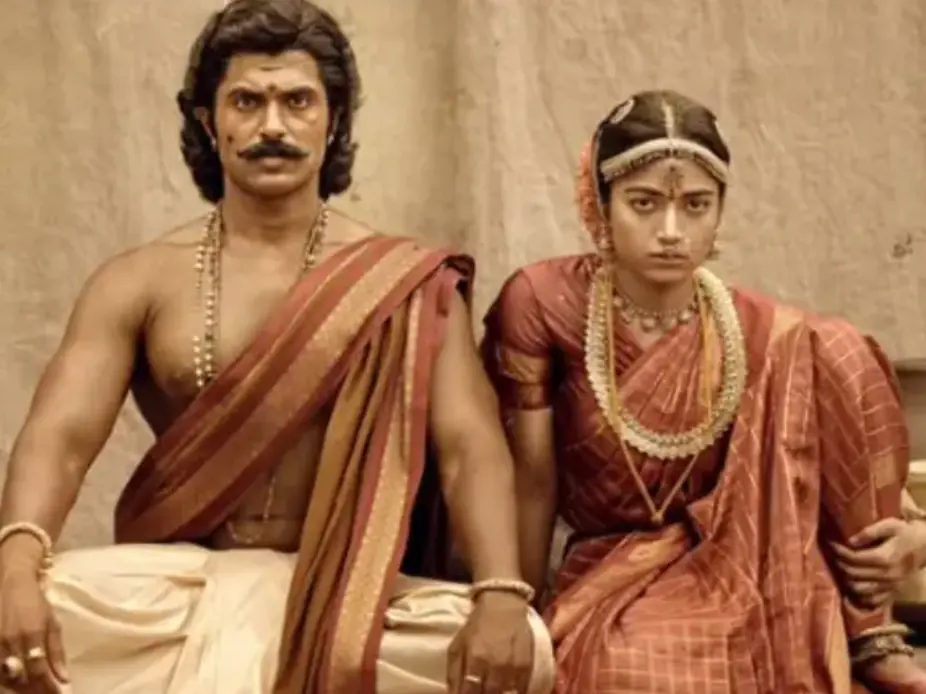
No known contemporary historical records mention Padmaavati before Malik Muhammad Jayasi’s 16th-century epic poem came to be known. Hence, Bhansali’s 2018 film was inspired by Jayasi’s poem. It stars Deepika Padukone as Rani Padmaavati, Shahid Kapoor as Ratan Sen, and Ranveer Singh as Alauddin Khilji, and follows the steps described in the 1540 epic poem.

