


Ever since Namit Malhotra announced his decision to make Ramayana, there has been widespread curiosity, speculation and discussion around the film. Puritans felt that there was no need to tamper with Hindu mythology, and cynics were sure it would go the Adipurush way and thus spoil it. Others weren't sure of the casting choices, and some were plain curious about how director Nitesh Tiwari would translate one of the greatest Indian stories for the big screen. Happy to report that Ramayana Part 1 delivers to a great extent. And no, it doesn't go the Adipurush way- if you know what I mean.
For Indians, Ramayana has been a timeless story that has been passed down through generations. It's a great story that highlights the triumph of good over evil.Coupled with warfare, Ramayana has been and will always be for all seasons.
Adapting the epic comes with a huge responsibility, especially in a country like India, which considers the epic sacred. And the makers of Ramayana: Part 1 take utmost care to present the core story as it is without taking much artistic liberty.
Ramayana goes beyond the basic story
The film's first half is three hours long nd takes a painstakingly long time to establish the key characters, especially Ravana and Ram.
The film slightly flips the narrative in the beginning. Instead of introducing Ram, we are first introduced to Ravana and his rise to power in Lanka. Tiwari's hold over the script shines through the most here as he narrates the story of how Ravana compelled Lord Brahma to bless him with invincibility, among other things, after years of excruciatingly difficult meditation and penance. We are told how Lanka was won over from the Asuras by the Gods with the help of Lord Indra (Kunal Kapoor), who had been blessed with special powers from Lord Vishnu.
Trending Stories

Chinese streamers film in Bangladesh, allegedly tell viewers they are in India

‘He had no idea she was a spy’: Trump says FBI probing Nvidia’s Jensen Huang amid national security concerns

'She was 19, I was 17...': Nvidia CEO Jensen Huang's love story with wife Lori goes viral amid alleged Chinese spy affair

Harry Potter world grows: 2 new books confirmed—here is what they are about

Delhi AQI touches 384 on Diwali morning, 11 monitoring stations record severe air quality

IND vs NZ, 3rd ODI: When and where to watch live streaming in India?

Nvidia shares crash 8% after reports of probe into CEO Jensen Huang's alleged spy links

Ramayana team issues legal notice over theatre recordings, cites High Court orders

Marco Rubio refuses to reiterate past support for JD Vance, but backs Pete Hegseth

New OTT releases this week (November 9-15, 2026): Jailer 2, The Lord of the Rings, Bandra- 6 latest titles coming on Netflix, Prime Video and more

Europe seeks fair Ukraine deal, urges US restraint on Iran in G7 Meets; France accuses IRGC of hacking supermarket fridges

Pyre faces major theatre setback as Vinod Kapri claims 75% screenings removed: 'We deserve a fair chance'

Who is Lori Mills? Nvidia CEO Jensen Huang's wife, once his lab partner, now married for 41 years

First handshake? Radio signal with all hallmarks of alien technology detected in China

US midterms 2026: These Senate and House races are still too close to call. Here's where they stand

23-year-old Telangana student goes missing in US, state minister seeks MEA intervention

Republican lawmaker Thomas Massie files resolution in House to impeach Defence Secretary Pete Hegseth

Jensen Huang's net worth means Lori Huang could get 7.2 lakh crore in case of a divorce

‘Jan 6 Capitol attack will follow Trump to his grave,’ says Joe Biden in his memoir

From kiss cam to dance clips: AI videos mock Nvidia CEO Jensen Huang amid affair scandal

$4.8 billion chip puzzle: How Nvidia's Megaspeed connection unravelled an alleged honeytrap plot

Paraguay banking crisis: New President orders all ministers to resign, appoints Schreiner as new central bank head

What is 'Samosa Caucus'? Could Indian-American politicians pose diplomatic challenge for India

AFG vs ZIM: Zimbabwe become first team to score 500+ in both innings of a Test match

60 fires in 24 hours: Jammu battles major blazes on Diwali night, 35 incidents in district alone

Khamenei orders Iranian President Pezeshkian to end ‘no war, no peace’ status with US

England name squad for South Africa Tests; Liam Patterson-White earns maiden call-up

Iran ‘decapitated’ and militarily over, US ‘locked and loaded’, says Trump after talks with Qatari PM

Pakistan’s Rs 316-billion Hydropower Project halted as rock collapse hits protective barrier, no casualties

Salman Khan reacts to Ramayana's Rs 4,000 crore budget: 'I just don’t think...'

Sheikh Hasina's banned student outfit calls shutdown: Bangladesh on alert after spate of blasts, arson

The Muslim politician and voter: A growth the US right wing cannot ignore, and will have to live with

Who is Alice Huang, the woman Nvidia CEO Jensen Huang allegedly had an affair with?
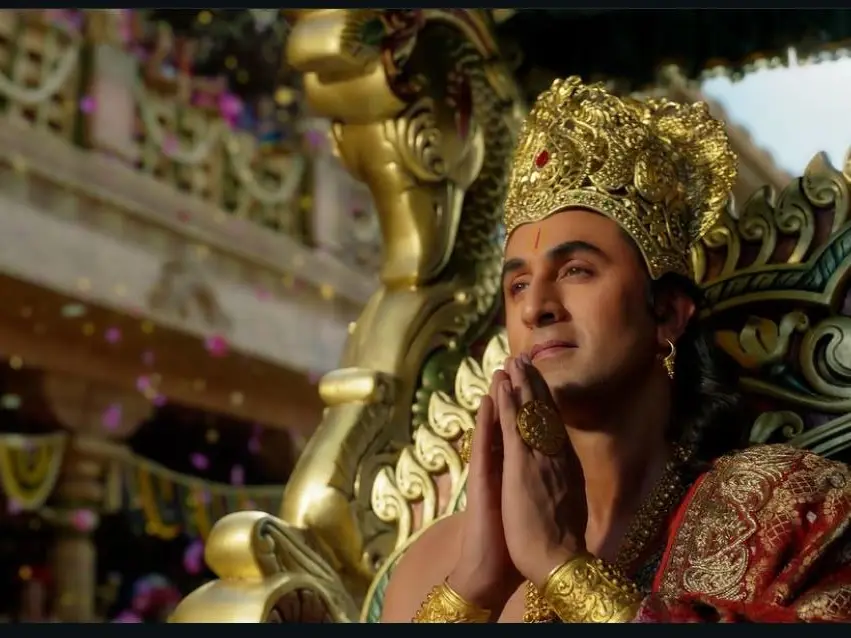
Ranbir Kapoor in Ramayana Photograph: (X/Ramayana)
As Ravana grows up in the dark dungeons of the world under in Lanka, it's his mother, Princess Kaikasi, who motivates him to seek revenge. Tiwari here brilliantly shows the class divide, with Asuras representing the impoverished, oppressed class, while Dev lok belongs to the privileged class and the oppressors.
The scenes featuring Ravana's difficult journey to immortality and subsequent reign to power in Lanka as the king are brilliantly shot and executed.
As Ravana rises to power in Lanka, sages get concerned, and Lord Vishnu is beckoned to help mankind from ultimate destruction. In Ayodhya, Prince Ram (Ranbir Kapoor) is born to King Dashrath and Queen Kaushalya. Blessed with the powers of the gods, an incarnation of Lord Vishnu, Ram is special right from childhood. More of a thinker and a doer, Ram is always shown to be curious, calculating, loyal and patient, with the acumen of a true warrior.
Loyalty is a virtue that Ram develops right from childhood. Having seen his father, King Dashrath, shower more attention on Kaikeyi, instead of his mother, Ram vows to King Janak on his wedding day that he will have only Sita as his wife and will not allow any other woman to be in his life.
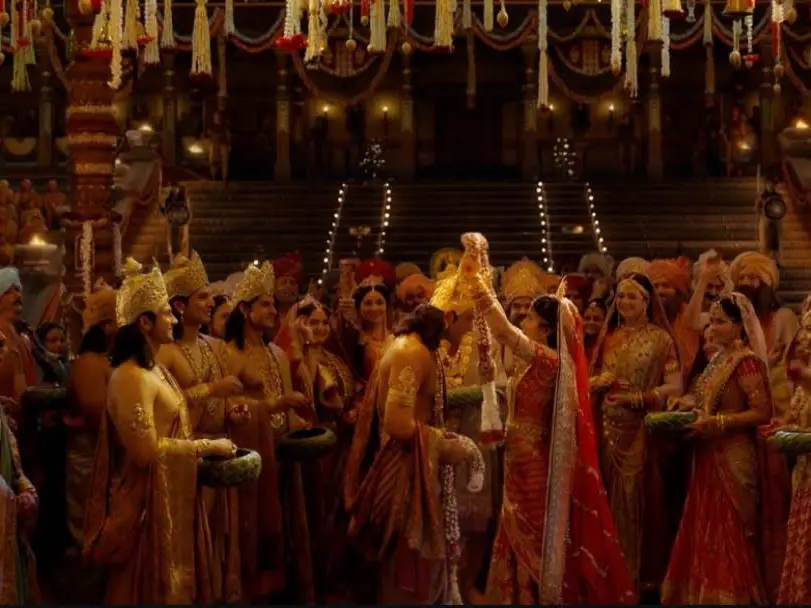
Still from Ramayana Photograph: (X/Ramayana)
When in exile, he rejects Surpanakha’s (Rakul Preet Singh) advances only because he has vowed never to marry any other woman. The rejection doesn’t go down well for the Princess of Lanka, who then shapeshifts to become Sita to be near Ram. When the disguise comes off, and Lakshman(Ravi Dubey) chops off her nose, Surpanakha is consumed by anger and goes to her brother, Ravan, to seek revenge for the insult. Ravan abducts Sita to Lanka as Ram sets out on a journey to the unknown land of Lanka to get his wife back.
The visually grand scale and stunning VFX
Mounted on a huge scale, Ramayana primarily works because of its jaw-dropping VFX. Producer Namit Malhotra’s visual effects studio DNEG creates a visually breathtaking premise, perfect for the time the story is set in. The film’s massive canvas is visible in every frame, and almost all are picturesque. One doesn't feel like taking their eyes off the screen even for a moment.
The action sequences are elaborate and very well executed. I particularly enjoyed the portions where Ram, Sita and Lakshman tackle a bunch of monsters in a cursed jungle and one involving the aged bird Jatayu and Ravana near the end of the film, which leads to Jatayu’s death.
The performances
When you have such a credible cast, you expect memorable performances from each one of them. Yash is introduced first to the screen, and he is stunning as Ravan. The whole sequence of him taking over Lanka is so well choreographed by stunt directors Guy Norris and Terry Notary and executed well by the actor that the most hated character in the epic suddenly feels cool. Writers Shridhar Raghavan and Nitesh Tiwari give deeper insights to Ravan and his backstory, which so far has not been widely discussed. Those who have read Ramayan may know the details, but for a larger population, Ravan is only shown as a an evil abductor. Ramayana the movie offers a fresh perspective on the character.
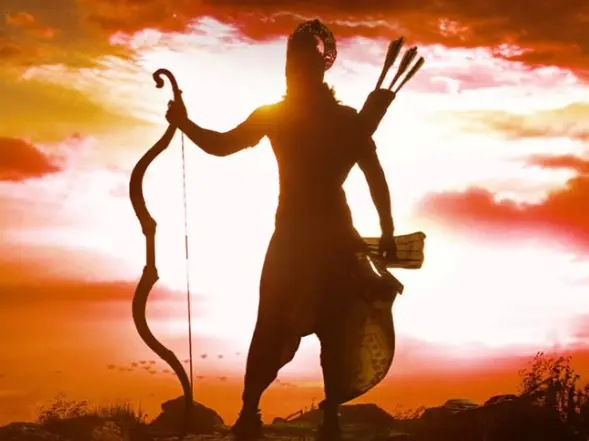
Ranbir Kapoor in Ramayana Photograph: (X/Ramayana)
Yash plays the brooding, evil but just man with conviction and shines in every frame.
There were a lot of speculations about Sai Pallavi’s casting as Sita. The actress, who is a name to reckon with in South cinema, makes a splendid debut in Ramayana: Part 1.
Strong and resilient, Sai portrays Sita with the right amount of restraint, never overdoing it. The other actor who shines is Ravi Dubey, who makes his Bollywood debut with this film. Dubey has been a popular face on television for years and knows his craft well. He gets the best lines and plays the slightly impulsive and witty Lakshman to the hilt. In fact, his onscreen chemistry with actor Ranbir Kapoor, who plays his older brother, is one of the highlights of the film.
Kapoor, who has the huge responsibility of playing one of the revered deities of India, on screen, delivers a restrained performance. With pauses and long silences, Kapoor tries to play Lord Ram with utmost sincerity. However, his portrayal on several occasions appears very bland. Blame it on the writing or the unintentional but inevitable comparison with Yash, Ranbir’s performance on many occasions appears caricature-like. His scenes with Sai also lack the depth and thus emotional connection with the audience. Maybe Ranbir will be able to show his true talent in the second part when the story focuses on the warrior Ram.
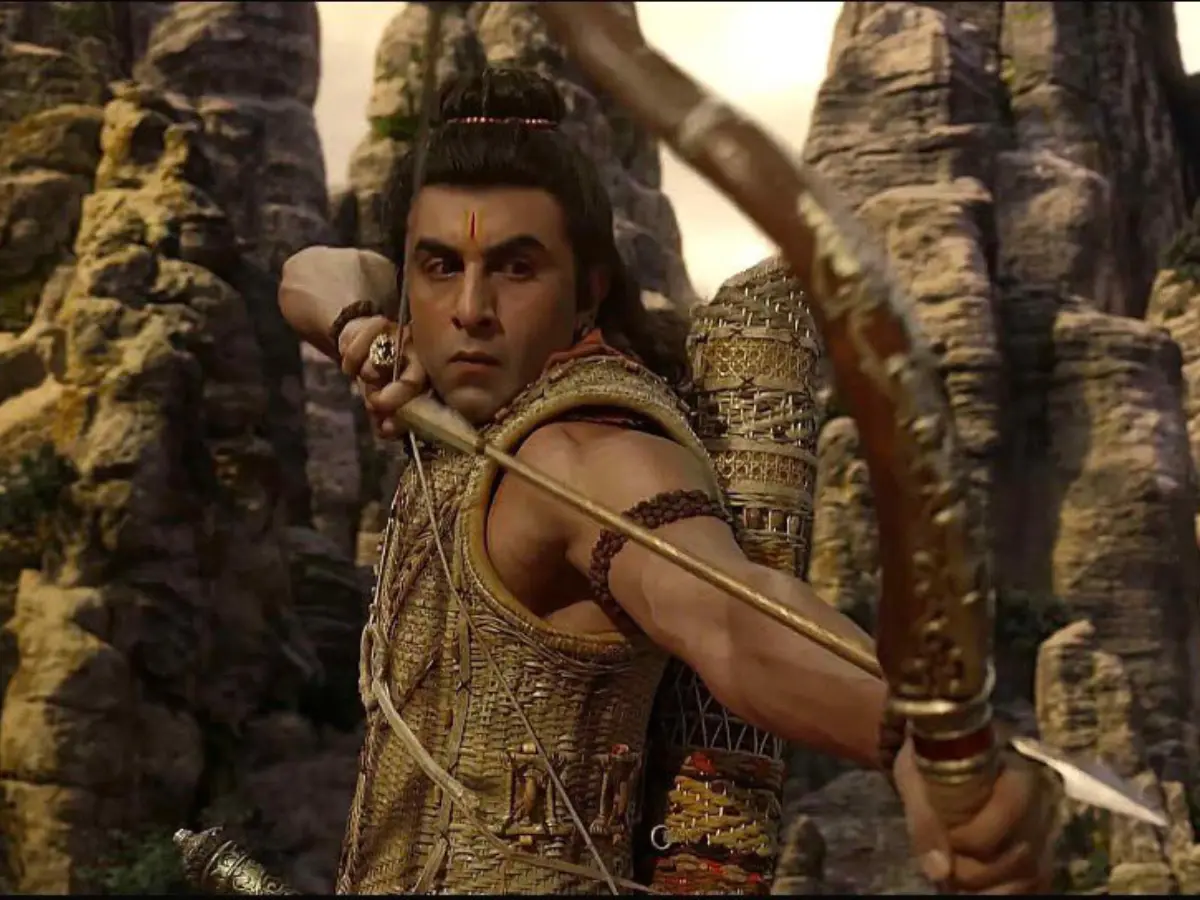
Ranbir Kapoor in Ramayana Photograph: ()
There are actors like Vivek Oberoi, Rakul Preet Singh, Shobhana, Sheeba Chaddha, Lara Dutta, Arun Govil, and Kunal Kapoor playing significant characters in the film- all playing their parts well but failing to create a lasting impression owing to their limited screen time.
I found AR Rahman and Hans Zimmer’s music very average. When you have two music maestros collaborating for an epic like Ramayana, you expect a memorable soundtrack. That isn’t the case with Ramayana. Or maybe the extravagant visual effects overpower the rest of the departments of filmmaking in this one.
Final Verdict
Ramayana: Part 1 works on many levels. To their credit, the makers do not take too many artistic liberties (I will overlook the turbaned men and veiled women straight from Rajasthan in Treta Yuga) and stick to the basic story. This helps in creating a sense of familiarity for the audience in India. It also opens up the story to a newer generation, giving them faces to connect to the characters they may have heard of in passing.
Ramayana: Part 1 ultimately triumphs for its audacious scale. Indian cinema, perhaps, will witness a change going forward in terms of filmmaking after Ramayana. The film shows what India and Indian artists are capable of. Producers Namit Malhotra and Yash, along with director Nitesh Tiwari, take an age-old story and present it with all possible modern-day technology, making Ramayana a stunning visual extravaganza.
Ramayana: Part 1 is now running in theatres.

