Wildlife care: What we know about the elephant rescued from Nagaland’s floods

&imwidth=600&imheight=450&format=webp&quality=medium "Wildlife care: What we know about the elephant rescued from Nagaland’s floods")
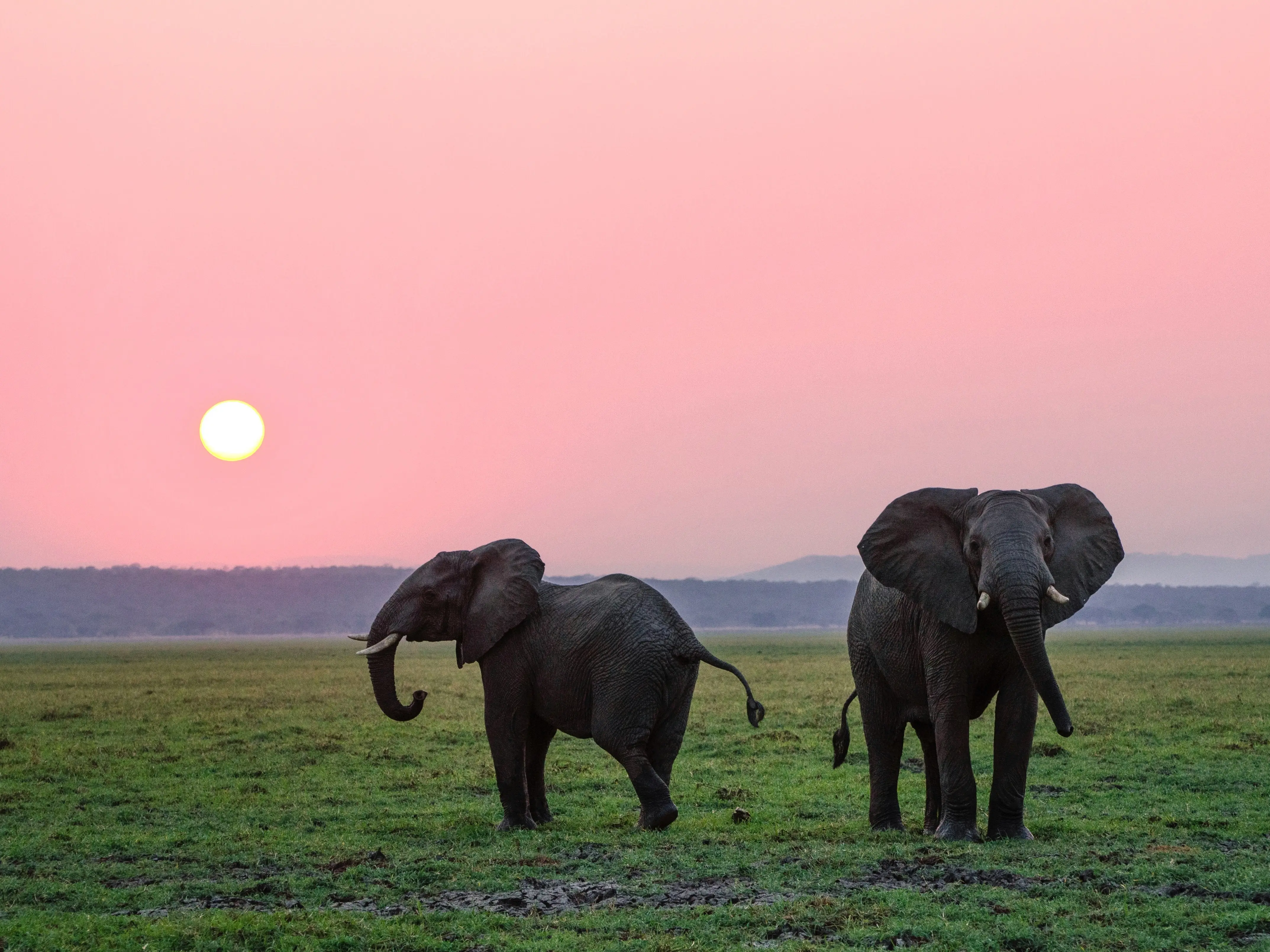
A rescued elephant receives care after surviving the floods in Nagaland. Photograph: (Unsplash)
A rescued elephant is receiving specialised care after surviving severe flooding in Nagaland. With injuries and ongoing health challenges, her recovery will require careful treatment and monitoring before doctors decide when she can safely return to the wild.
Wildlife rescue efforts can continue long after an animal has been brought out of immediate danger. In Joymoti’s case, surviving the floods was only the first stage of a longer recovery process.
The 53-year-old female elephant was swept away by floodwaters in Nagaland during the second week of July and was later rescued by local communities with assistance from government agencies, according to information released by Vantara. She has since been taken to Vantara in Jamnagar for specialised veterinary treatment.
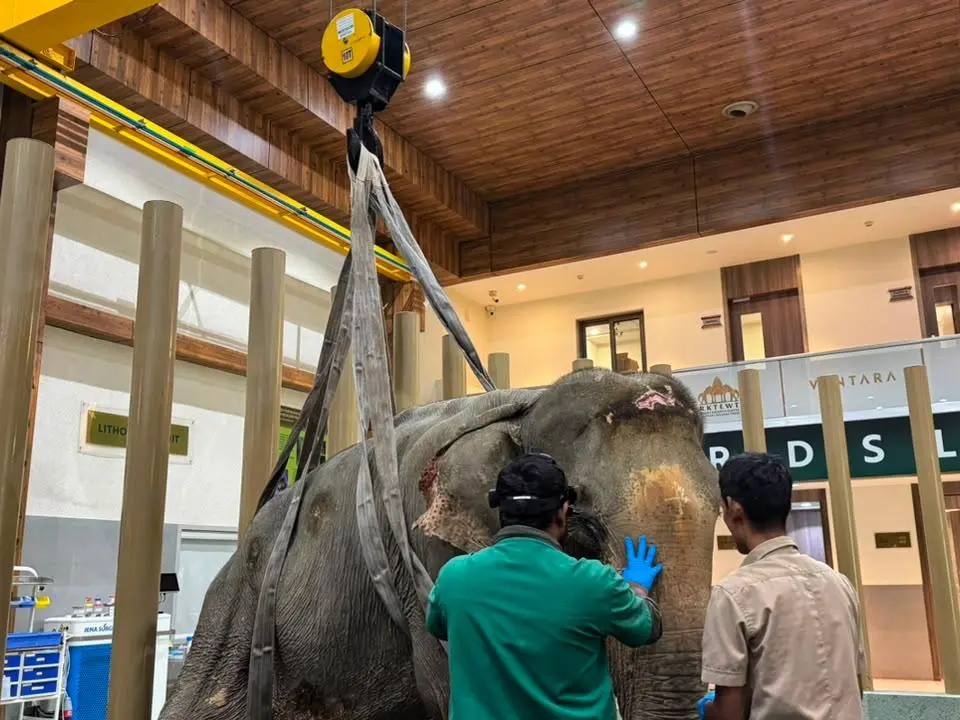)
A rescued elephant receives care after surviving the floods in Nagaland. Photograph: (Unsplash)
What happened to Joymoti?
Joymoti sustained several injuries during the incident. According to Vantara, she had wounds on her forehead, right ear, the area above her tail, left inner thigh and abdomen. She also suffered a deep wound around her external genital area that had become infested with maggots. Her right eye was severely damaged, leaving her blind in that eye and causing persistent tearing, the organisation said.
Joymoti also had an existing mobility problem. Vantara said she has longstanding lameness in her left hind leg following a fracture sustained during logging. The injury affects her ability to move normally and makes accessing food and water more difficult.
What treatment did she receive after the rescue?
Following her rescue, Joymoti received first aid and primary veterinary care. According to Vantara, her initial treatment included wound dressing, pain management, multivitamin and mineral supplementation and supportive care. The organisation said the extent of her injuries, combined with her age and existing mobility problems, meant she required a higher level of specialised veterinary intervention. She was subsequently moved to Jamnagar for further treatment.
Why was Joymoti airlifted?
Trending Stories
&imwidth=280&imheight=210&format=webp&quality=medium)
&imwidth=280&imheight=210&format=webp&quality=medium)
&im=FitAndFill=(700,400)&imwidth=280&imheight=210&format=webp&quality=medium)
&imwidth=280&imheight=210&format=webp&quality=medium)
&imwidth=280&imheight=210&format=webp&quality=medium)
&imwidth=280&imheight=210&format=webp&quality=medium)
&imwidth=280&imheight=210&format=webp&quality=medium)
&imwidth=280&imheight=210&format=webp&quality=medium)
&imwidth=280&imheight=210&format=webp&quality=medium)
&imwidth=280&imheight=210&format=webp&quality=medium)
&imwidth=280&imheight=210&format=webp&quality=medium)
&imwidth=280&imheight=210&format=webp&quality=medium)
&imwidth=280&imheight=210&format=webp&quality=medium)
&imwidth=280&imheight=210&format=webp&quality=medium)
&imwidth=280&imheight=210&format=webp&quality=medium)
&imwidth=280&imheight=210&format=webp&quality=medium)
&imwidth=280&imheight=210&format=webp&quality=medium)
&imwidth=280&imheight=210&format=webp&quality=medium)
&imwidth=280&imheight=210&format=webp&quality=medium)
&imwidth=280&imheight=210&format=webp&quality=medium)
&imwidth=280&imheight=210&format=webp&quality=medium)
&imwidth=280&imheight=210&format=webp&quality=medium)
&imwidth=280&imheight=210&format=webp&quality=medium)
&imwidth=280&imheight=210&format=webp&quality=medium)
&imwidth=280&imheight=210&format=webp&quality=medium)
&imwidth=280&imheight=210&format=webp&quality=medium)
&imwidth=280&imheight=210&format=webp&quality=medium)
&imwidth=280&imheight=210&format=webp&quality=medium)
&imwidth=280&imheight=210&format=webp&quality=medium)
&imwidth=280&imheight=210&format=webp&quality=medium)
&imwidth=280&imheight=210&format=webp&quality=medium)
&im=FitAndFill=(700,400)&imwidth=280&imheight=210&format=webp&quality=medium)
&imwidth=280&imheight=210&format=webp&quality=medium)
&imwidth=280&imheight=210&format=webp&quality=medium)
The decision to transport Joymoti by air was linked to the physical demands of a long-distance journey. Vantara said air transport was chosen to reduce the duration and physical strain associated with travelling by road, particularly given the elephant’s multiple injuries and mobility limitations. The organisation said the transfer involved veterinary and animal-care teams responsible for her assessment, handling, loading, monitoring during the flight and arrival at the hospital. Joymoti is expected to undergo a comprehensive veterinary assessment at Vantara. According to the organisation, treatment will focus on her injuries and eye condition, along with nutritional and supportive care based on the findings of the examination.
Is Joymoti being permanently moved?
No. Vantara said Joymoti's transfer to Jamnagar is strictly for medical treatment and is not a permanent relocation. The organisation said she will return to her natural habitat once she has recovered and is considered medically fit to do so.
What does the case say about wildlife healthcare?
Joymoti's case has also brought attention to the need for specialised veterinary facilities closer to wildlife habitats, particularly in areas vulnerable to floods and other emergencies. Vantara said it has proposed three wildlife veterinary care centres in Assam, including a dedicated elephant facility. According to the organisation, the proposed centres would provide species-specific infrastructure and veterinary support and would operate independently under the Assam Forest Department. The stated aim is to strengthen local veterinary capacity so that wildlife requiring urgent treatment can receive care closer to where emergencies occur, potentially reducing the need for long-distance transfers. For now, however, Joymoti's immediate concern is her recovery. The elephant is receiving veterinary treatment for injuries sustained during the floods as well as care related to her pre-existing mobility problem. Her eventual return to her habitat will depend on her medical condition and recovery.
