Independence Day marks a new step in India’s wildlife restoration efforts

&imwidth=600&imheight=450&format=webp&quality=medium "Independence Day marks a new step in India’s wildlife restoration efforts")
Independence Day marks a new step in India’s wildlife restoration efforts
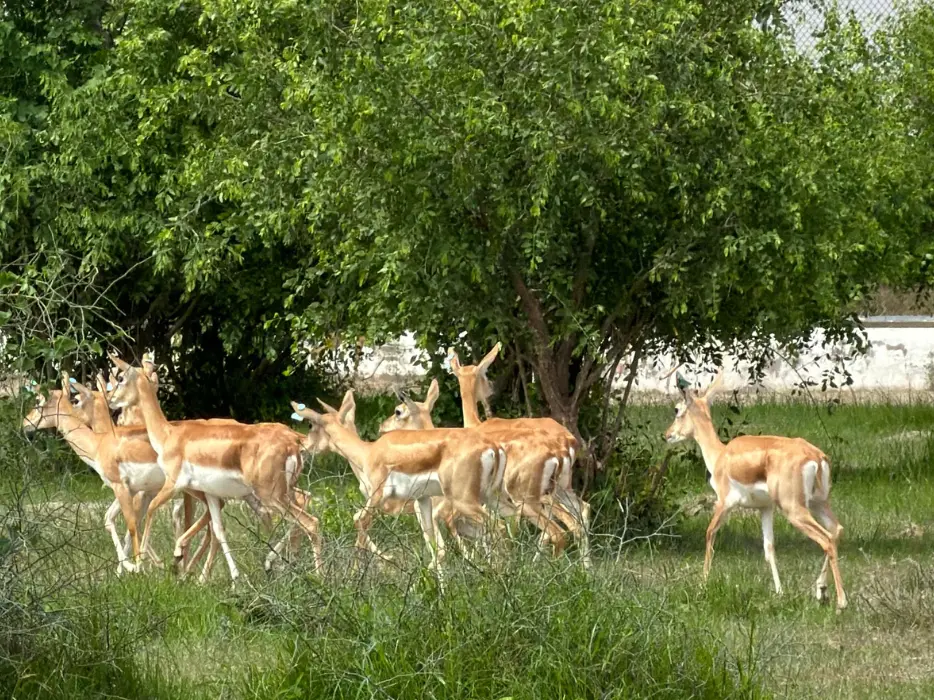
India marked Independence Day with the release of 20 blackbucks into Gujarat’s Banni Grasslands. The move aims to restore native herbivore populations, strengthen the grassland ecosystem and support long-term wildlife recovery through habitat management and monitoring.
India’s 80th Independence Day marked a new step in efforts to restore native wildlife, with 20 blackbucks released into the Banni Grasslands of Kutch as part of a wider programme to strengthen native herbivore populations and support the recovery of the grassland ecosystem.
The release was carried out by the Gujarat Forest Department with technical support from the Greens Zoological Rescue and Rehabilitation Centre (GZRRC), Vantara, on August 15. The animals comprised five males and 15 females and were transferred from Vantara’s facility in Jamnagar, according to information provided by the organisation. The move followed approvals from the Chief Wildlife Warden, Gujarat, and the Central Zoo Authority (CZA).
The significance of the exercise goes beyond the release of 20 animals. According to the Gujarat Forest Department and Vantara, the aim is to strengthen Banni’s native herbivore community and help restore ecological relationships within one of India’s important grassland landscapes.
Why native herbivores matter
Banni has historically supported a range of herbivores, including blackbuck, chinkara, nilgai and wild boar. The restoration of these species can play a role in rebuilding natural predator-prey relationships and supporting the wider functioning of the grassland ecosystem.
The release of blackbucks therefore forms part of a broader effort to restore species that are native to the landscape rather than simply increasing the number of individual animals.
Trending Stories
&imwidth=280&imheight=210&format=webp&quality=medium)
&imwidth=280&imheight=210&format=webp&quality=medium)
&im=FitAndFill=(700,400)&imwidth=280&imheight=210&format=webp&quality=medium)
&imwidth=280&imheight=210&format=webp&quality=medium)
&imwidth=280&imheight=210&format=webp&quality=medium)
&imwidth=280&imheight=210&format=webp&quality=medium)
&imwidth=280&imheight=210&format=webp&quality=medium)
&imwidth=280&imheight=210&format=webp&quality=medium)
&imwidth=280&imheight=210&format=webp&quality=medium)
&imwidth=280&imheight=210&format=webp&quality=medium)
&imwidth=280&imheight=210&format=webp&quality=medium)
&imwidth=280&imheight=210&format=webp&quality=medium)
&imwidth=280&imheight=210&format=webp&quality=medium)
&imwidth=280&imheight=210&format=webp&quality=medium)
&imwidth=280&imheight=210&format=webp&quality=medium)
&imwidth=280&imheight=210&format=webp&quality=medium)
&imwidth=280&imheight=210&format=webp&quality=medium)
&imwidth=280&imheight=210&format=webp&quality=medium)
&imwidth=280&imheight=210&format=webp&quality=medium)
&imwidth=280&imheight=210&format=webp&quality=medium)
&imwidth=280&imheight=210&format=webp&quality=medium)
&imwidth=280&imheight=210&format=webp&quality=medium)
&imwidth=280&imheight=210&format=webp&quality=medium)
&imwidth=280&imheight=210&format=webp&quality=medium)
&imwidth=280&imheight=210&format=webp&quality=medium)
&imwidth=280&imheight=210&format=webp&quality=medium)
&imwidth=280&imheight=210&format=webp&quality=medium)
&imwidth=280&imheight=210&format=webp&quality=medium)
&imwidth=280&imheight=210&format=webp&quality=medium)
&imwidth=280&imheight=210&format=webp&quality=medium)
&imwidth=280&imheight=210&format=webp&quality=medium)
&im=FitAndFill=(700,400)&imwidth=280&imheight=210&format=webp&quality=medium)
&imwidth=280&imheight=210&format=webp&quality=medium)
&imwidth=280&imheight=210&format=webp&quality=medium)
Banni also supports pastoral communities, making the management of its wildlife and grassland a longer-term exercise involving both ecological and human considerations.
Dr Jaipal Singh, IFS, Chief Wildlife Warden, Gujarat, said the release was part of the state's continuing efforts to restore wildlife and biodiversity in Banni.
“Restoring native wildlife is fundamental to restoring healthy landscapes,” Singh said. He added that the recovery of Banni’s ecological character would require science, sustained management and collaboration, while acknowledgingVantara’s technical support for the programme.
The process behind the release
The 20 blackbucks underwent veterinary examination, health screening, quarantine and disease surveillance before being transported, according to Vantara. The organisation said the transfer and release were conducted under prescribed wildlife movement and handling protocols. The process was designed to assess the animals' health and minimise risks associated with moving them into a new environment. The Banni Grassland Forest Division has also sought Vantara’s technical support for the wider translocation programme. According to the organisation, this includes specialised herbivore transport vehicles, portable boma systems, veterinary expertise and assistance with the safe handling and transportation of animals.
The Gujarat Forest Department remains responsible for the conservation programme and management of the landscape, with Vantara providing technical capabilities for the translocation exercise.
Part of a larger wildlife programme
The Banni release is connected to a wider native-herbivore conservation programme in Gujarat. According to information provided by Vantara, the Ministry of Environment, Forest and Climate Change has approved the translocation of 500 blackbucks and 100 chinkaras in Gujarat, with directions issued by the Chief Wildlife Warden.
Some elements of the wider programme are intended to strengthen prey populations in connection with the planned cheetah reintroduction programme. The Banni release, however, has also been described as having a separate objective: restoring populations of wildlife native to the grassland.
This distinction is important because the restoration of native species involves more than preparing a landscape for another conservation project. It also concerns the recovery of species and ecological relationships that belong to the landscape itself.
From blackbucks to the wider ecosystem
The blackbuck is native to the Indian subcontinent and has historically been associated with open grassland and semi-arid landscapes. For Banni, the restoration of native herbivores could have wider ecological implications. Herbivores influence vegetation through grazing and form part of the food base for predators. Their presence can therefore affect several levels of an ecosystem. But the release of 20 animals alone cannot establish a stable population. The longer-term outcome will depend on the animals' survival, reproduction, habitat conditions, availability of resources and continued monitoring. Effective restoration also requires sustained management of the habitat in which the animals are expected to live.
Vantara's role
Vantara's involvement in the Banni programme is primarily described as technical support to the Gujarat Forest Department.
Ajit Kulkarni, Special Director, Compliance & Due Diligence, Vantara, said successful species restoration requires more than releasing animals.
“Species restoration is not simply about releasing animals,” Kulkarni said, pointing to habitat conditions, the individual animals being released, population planning and the involvement of local communities as factors that can influence long-term outcomes.
His comments represent Vantara’s position on the conservation programme and its role in supporting the Forest Department.
Vantara has also previously supported the Gujarat Forest Department in the rewilding of nearly 80 spotted deer in Barda Wildlife Sanctuary, according to information supplied by the organisation.
A wider conservation direction
The Banni programme comes as India places greater emphasis on species recovery, habitat restoration and the management of wildlife populations. Project Cheetah has brought prey-base management, grassland conservation, scientific wildlife management and community participation into greater focus. The wider Gujarat programme includes elements linked to that effort, while the Banni blackbuck release also has an independent focus on restoring a species native to the grassland.
For the landscape itself, the challenge is likely to extend beyond individual animal releases.
Banni is a large and ecologically distinctive grassland that has to support wildlife alongside pastoral livelihoods. Maintaining suitable habitat, managing populations and monitoring the animals after release will therefore be central to determining whether the programme delivers a lasting conservation outcome. The 20 blackbucks released on Independence Day are one part of that longer process. The real measure of success will be whether they establish themselves in the landscape and contribute to a self-sustaining native herbivore population over time.
