War is making Russia stronger? How Ukraine is shaping Moscow’s next generation of weapons

&imwidth=600&imheight=450&format=webp&quality=medium "War is making Russia stronger? How Ukraine is shaping Moscow’s next generation of weapons")
Ukraine war has cost Russia heavily Photograph: (AFP)
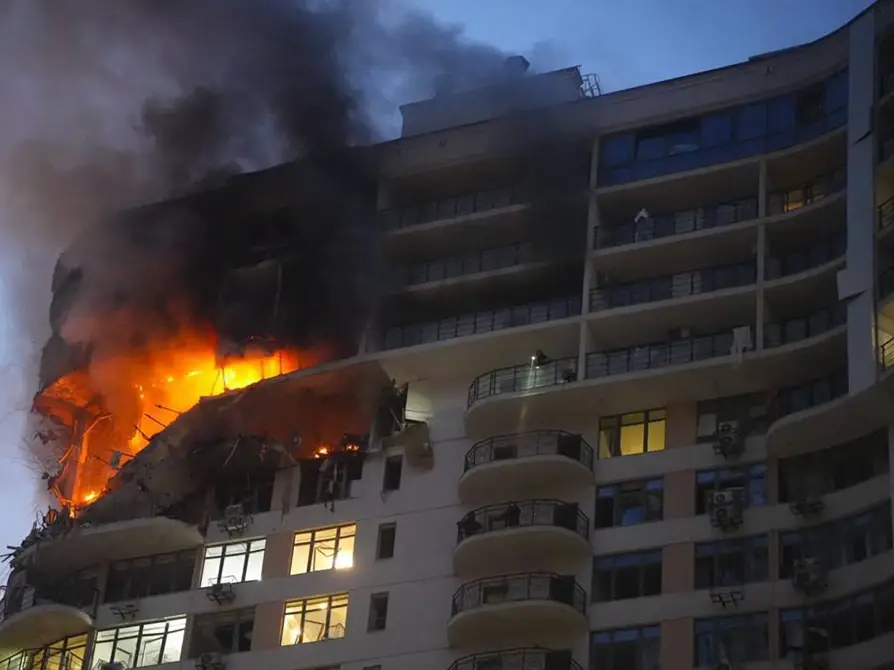
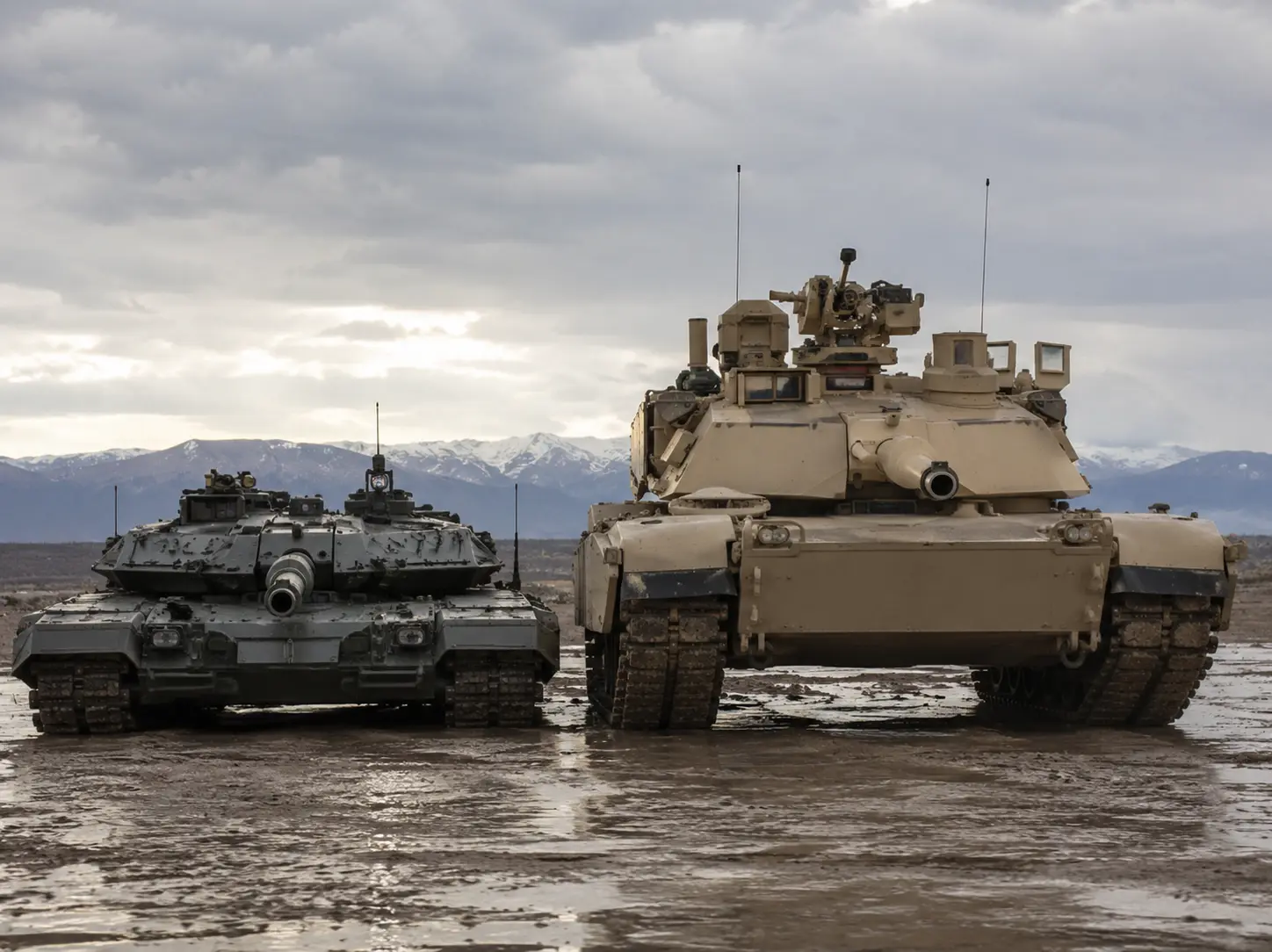
The Ukraine war has cost Russia heavily but also given Moscow years of combat experience with drones, electronic warfare, GPS jamming and Western weapons. Those lessons are now shaping Russian systems, from SU-57-linked drones and Geran variants to layered, lower-cost air defence.
More than four years of war in Ukraine have cost Russia heavily in soldiers, aircraft, armour, ships and military equipment. But the conflict has also provided Moscow with sustained combat experience against drones, electronic warfare, GPS jamming, precision weapons and Western-supplied air-defence systems. That's intelligence and information that cannot simply be purchased.
Some of those lessons are now becoming visible in Russia’s emerging weapons. At the El Alamein International Airshow in Egypt, Moscow displayed several systems reflecting how its thinking has evolved. One of the clearest trends is the growing emphasis on unmanned and stand-off warfare, keeping expensive aircraft and personnel farther from enemy defences.
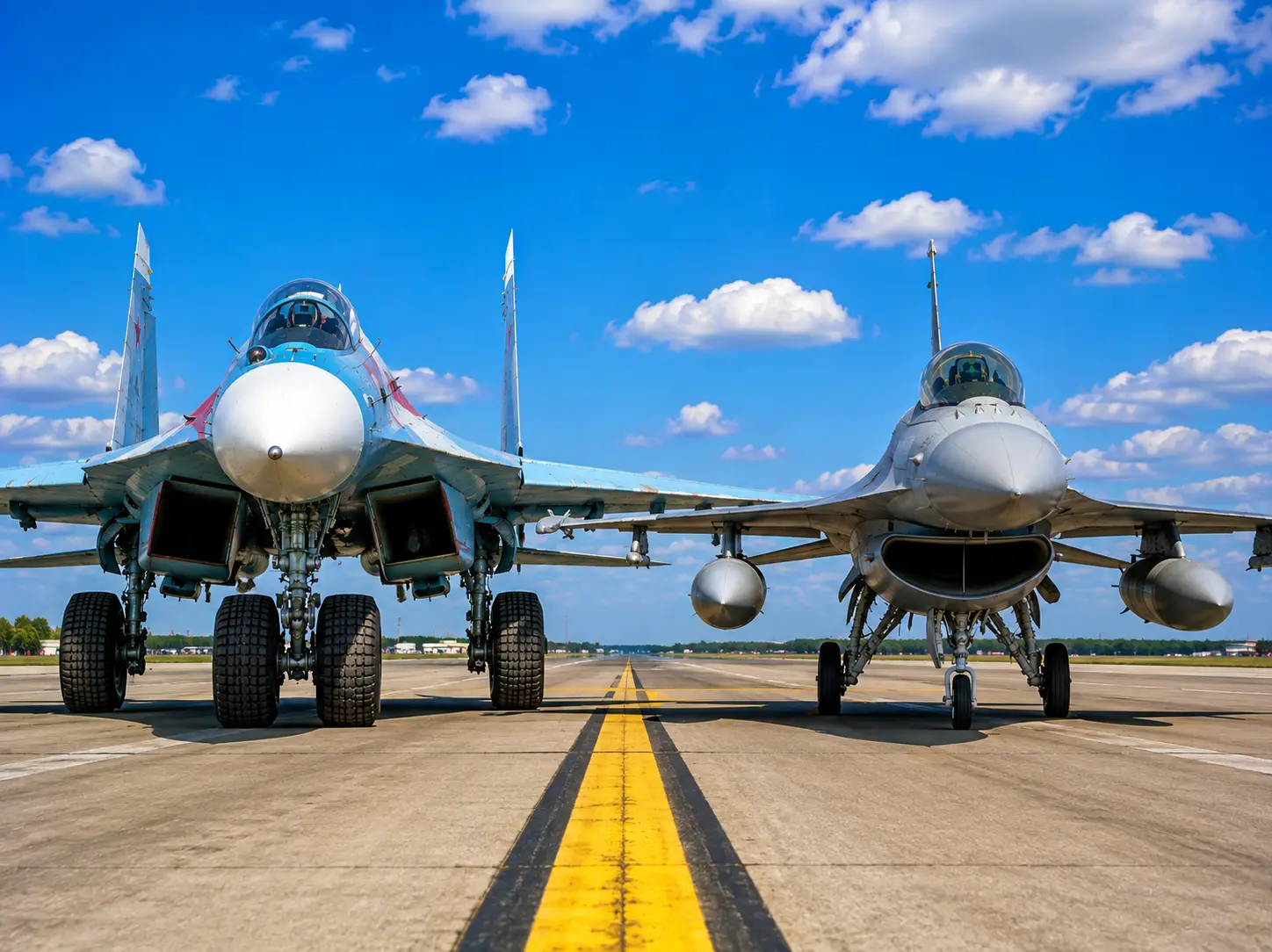
Russia publicly displayed the concept of using the stealth aircraft SU-57 as an airborne launch and command platform for unmanned weapons. Instead of sending the fighter deep into defended airspace, drones and stand-off weapons could penetrate ahead of it.
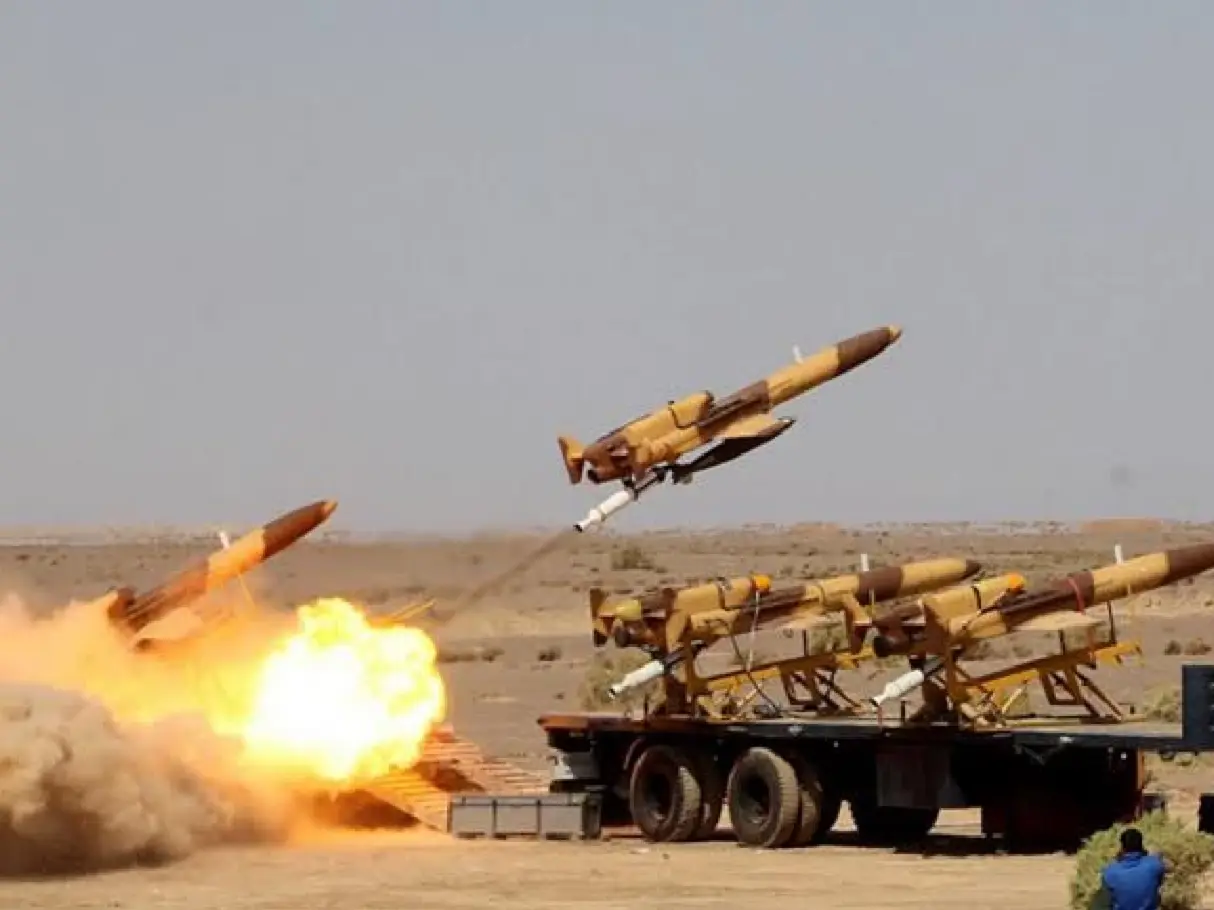
Russia’s Geran programme is evolving too. The Shahed-derived, propeller-driven attack drone has been supplemented by newer jet-powered variants, reflecting the constant contest between Russian strike systems and Ukrainian interception. Another lesson concerns economics. Modern warfare requires not only sophisticated weapons but enough of them to sustain prolonged combat. Systems such as the Dan-T, with a reported a range of up to 450 kms derived from the combat-used S8000 Banderol.
Russia has showcased the Pantsir-SMD-E and upgraded Pantsir-S1M, alongside smaller interceptors intended to tackle drones and precision weapons more economically. The TKB-1167 takes the logic further, using machine guns against small, low-flying drones rather than expensive missiles.
At the opposite end of the spectrum is the Garpia-A1E, marketed as a long-range loitering munition with a range of up to 1,000 kilometres.
Trending Stories
&im=FitAndFill=(700,400))
)
)
)
&im=FitAndFill=(700,400))
)
)
)
)
)
)
)
)
)
)
)
&im=FitAndFill=(700,400))
)
)
)
)
)
)
)
)
)
&im=FitAndFill=(700,400))
&im=FitAndFill=(700,400))
)
)
&im=FitAndFill=(700,400))
)
)
Individually, these systems may not represent a revolution. The transformation lies in how they fit together. Long-range drones provide mass. Stand-off weapons protect aircraft. Electronic warfare disrupts the enemy. Layered air defence counters incoming threats. Cheaper interceptors improve the economics of defence. Ukraine has exposed serious weaknesses in Russia’s military. But it has also forced Moscow to adapt.

