US, Japan war drills aim to prevent conflict with China, says ex-US Army officer


A paratrooper (R) with Japan's 1st Airborne Brigade (JGSDF), walks past paratroopers from the US Army’s 3-509th Battalion, 11th Airborne division, during Operation Orient Shield 26 Joint Airborne drop at Kita-Dalen Training area in Eniwa, Hokkaido on September 15, 2026. Photograph: (AFP)
Former US Army officer Rich Outzen says US-Japan military exercises must demonstrate combat readiness to deter Chinese aggression against Taiwan and reassure regional allies.
The United States and Japan are conducting one of their largest military exercises in the Pacific, deploying tens of thousands of troops, warships, aircraft and advanced missile systems as China's military presence expands across the region.
Speaking exclusively to WION's Defence Pulse, Colonel Rich Outzen, a former US Army officer and State Department adviser, said the exercises must demonstrate genuine combat readiness if they are to deter a future conflict.
Preparing for War to Prevent It
The Keen Sword 27 exercise, running from October 19 to 29, involves approximately 57,000 personnel, 40 warships and 260 aircraft. The Philippines is participating for the first time, alongside several other partner nations.
Asked whether such exercises were beginning to resemble preparations for war, Outzen responded: “I would hope that they start to look like preparations for war immediately.”
He explained that military preparedness was essential to convincing Beijing that attempting to seize Taiwan by force would carry unacceptable costs. According to Outzen, the exercises demonstrate that Japan, the Philippines and other regional partners are prepared to resist forcible changes to the status quo.
Trending Stories


American Missiles Across the Pacific
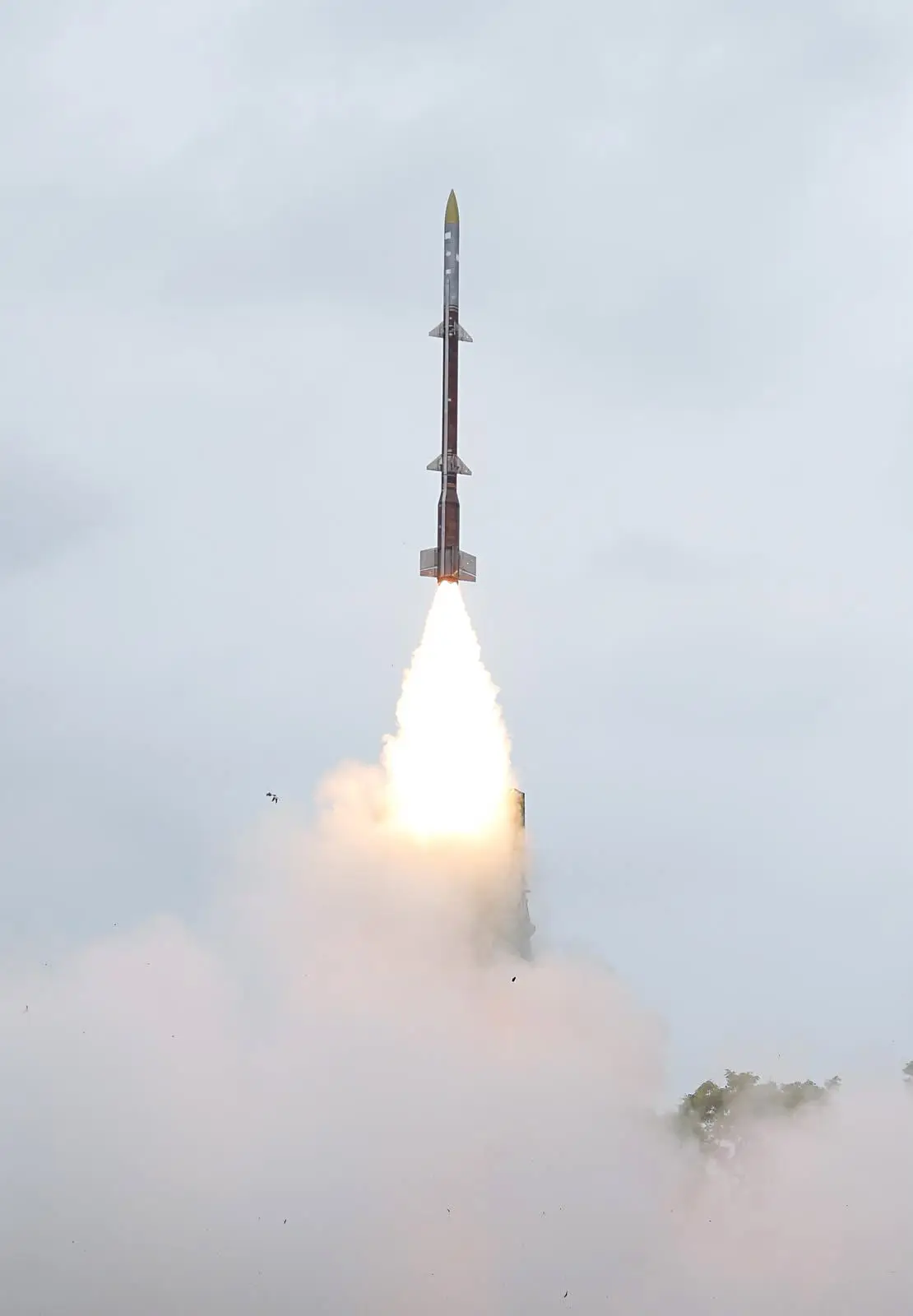
US Marines have deployed NMESIS mobile anti-ship missile systems to Japan's southwestern islands, alongside counter-drone air defence capabilities.
Outzen emphasised that modern warfare requires dispersed, mobile missile systems rather than concentrated military installations vulnerable to drone and missile attacks. He said the real challenge was integrating different weapons, command structures and military doctrines into a coordinated fighting force.
China's Expanding Military Reach
China's Liaoning aircraft carrier strike group has also operated in the western Pacific, while Japanese authorities have reported Chinese reconnaissance activity near their southwestern islands.
Outzen cautioned against describing the growing US-Japan-Philippines cooperation as a formal military front against China. “The political task is deterrence,” he said, explaining that Washington's objective was to discourage military aggression against Taiwan and its treaty allies.
Outzen argued that China's expanding naval capabilities reflected its ambition to become a global military power by 2049. However, he rejected the idea of an inevitable US-China confrontation, describing the emerging international order as increasingly multipolar, with India also becoming a significant global power.
For Washington, he said, the strategic challenge was ensuring China's expanding influence did not threaten American allies.