Nobody understands high-altitude warfare better than Indian Army, says Maj Gen Yash Mor

&imwidth=600&imheight=450&format=webp&quality=medium "Nobody understands high-altitude warfare better than Indian Army, says Maj Gen Yash Mor")
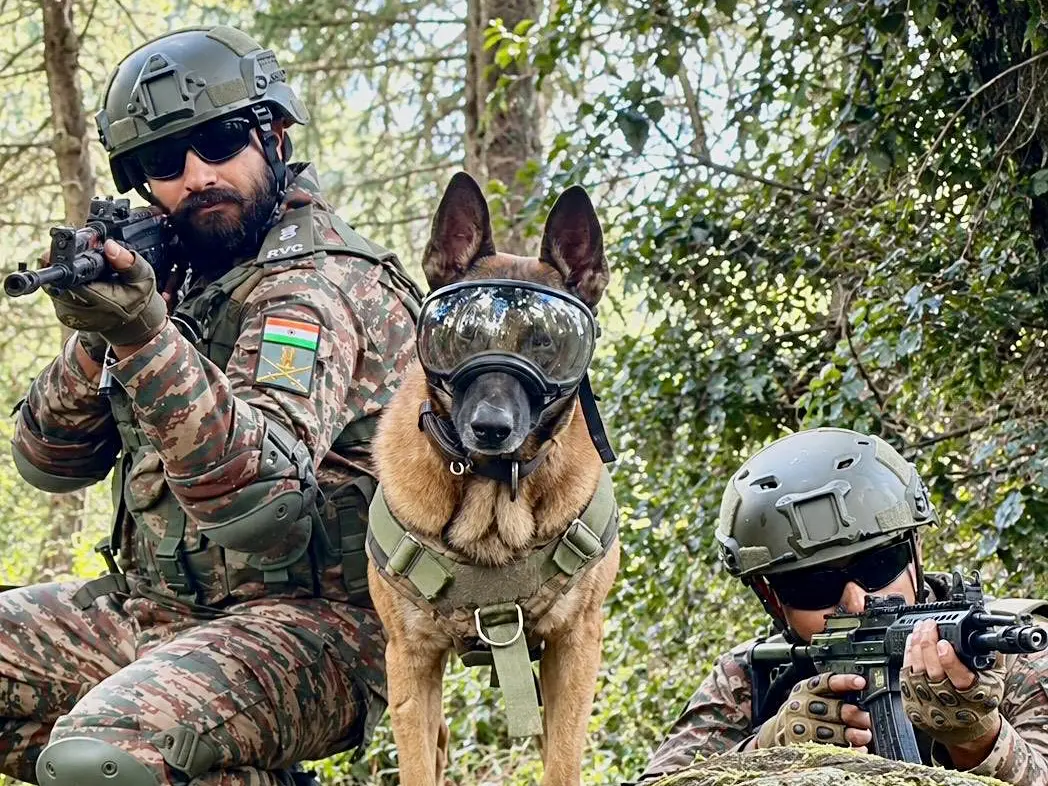
Exercise Yudh Abhyas 2026. Photograph: (ANI)
Gen Mor said modern conflicts have accelerated the military emphasis on drones, robotics and network-centric warfare. But high altitude creates an additional problem. Technology that performs reliably elsewhere can suffer significant degradation in extreme cold and thin air.
As Indian and American soldiers train together in the Himalayas during the 22nd edition of Yudh Abhyas, the exercise highlights a battlefield where both soldiers and military technology are pushed to their limits. Speaking to WION's Defence Pulse, Major General Yash Mor (Retd.), an Indian Army veteran with extensive high-altitude experience, explained why operating in the Himalayas presents challenges few militaries routinely encounter.
Gen. Mor has served two tenures in Ladakh, including Eastern Ladakh, and has operated across high-altitude areas during his Army career. He pointed to decades of Indian experience in environments ranging from Siachen to the battlefields of Kargil. “I don't think any other army in the world has the high-altitude warfare experience that we have.”
This year's exercise is also demonstrating how technology is changing mountain warfare. Drones, autonomous systems and counter-drone capabilities are being incorporated alongside conventional infantry operations. American troops from the 11th Airborne Division, known as the Arctic Angels, are bringing their own experience of operating in extreme cold.
WATCH:
Gen Mor said modern conflicts have accelerated the military emphasis on drones, robotics and network-centric warfare. But high altitude creates an additional problem. Technology that performs reliably elsewhere can suffer significant degradation in extreme cold and thin air. He explains how engines, batteries, electronics, communications equipment and other military systems can see their performance fall dramatically during severe winters. “Equipment really takes a beating in high-altitude terrain. Maintenance of equipment and safeguarding of equipment is a challenge which not many people understand unless they handle the equipment.”
The same environment places enormous demands on soldiers. Acclimatisation, nutrition, health, morale and the ability to sustain operations at temperatures that can fall below minus 30 degrees Celsius become as important as weapons and sensors. Yudh Abhyas 2026 therefore represents more than interoperability between two armies. It brings emerging battlefield technologies into one of the world's most unforgiving combat environments, combining the lessons of modern drone warfare with India's decades of experience fighting and operating at extreme altitude.
Trending Stories
)
)
)
)
)
)
&im=FitAndFill=(700,400))
)
)
)
)
)
)
)
)
)
)
)
)
)
)
)
)
)
)
)
)
)
)
)
)
)
)
&im=FitAndFill=(700,400))
&im=FitAndFill=(700,400))
)
&im=FitAndFill=(700,400))
)
)
)
)
)

