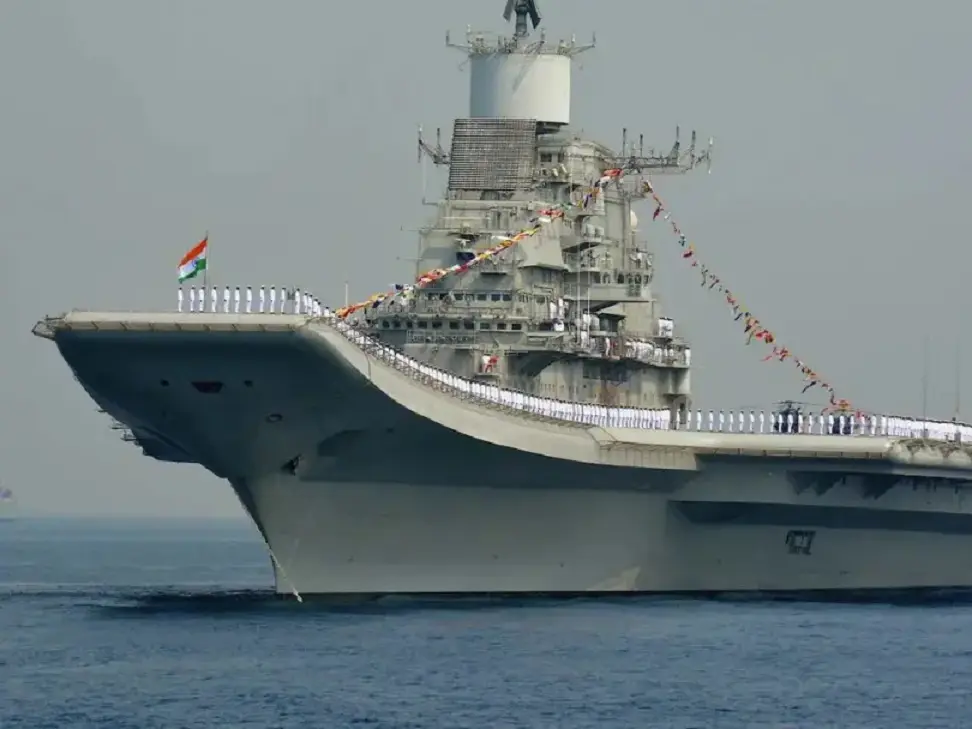
India’s naval priorities: Ex-Navy Chief calls for third aircraft carrier, more warships and submarines

&imwidth=600&imheight=450&format=webp&quality=medium "India’s naval priorities: Ex-Navy Chief calls for third aircraft carrier, more warships and submarines")
India needs to accelerate the long-delayed 30-year submarine construction plan. Photograph: (AFP)
For India, integrating more warships or autonomous vehicles into a larger, coordinated maritime force capable of protecting its interests across the Indian Ocean is the need. Besides, international naval exercises help improve interoperability with partner navies.
India is strengthening its naval capabilities with new submarine hunters, indigenous warships and emerging autonomous underwater systems. But as China expands its presence in the Indian Ocean and Pakistan modernises its submarine fleet, maintaining India's maritime advantage will require further investment in frontline warships, submarines and surveillance platforms.
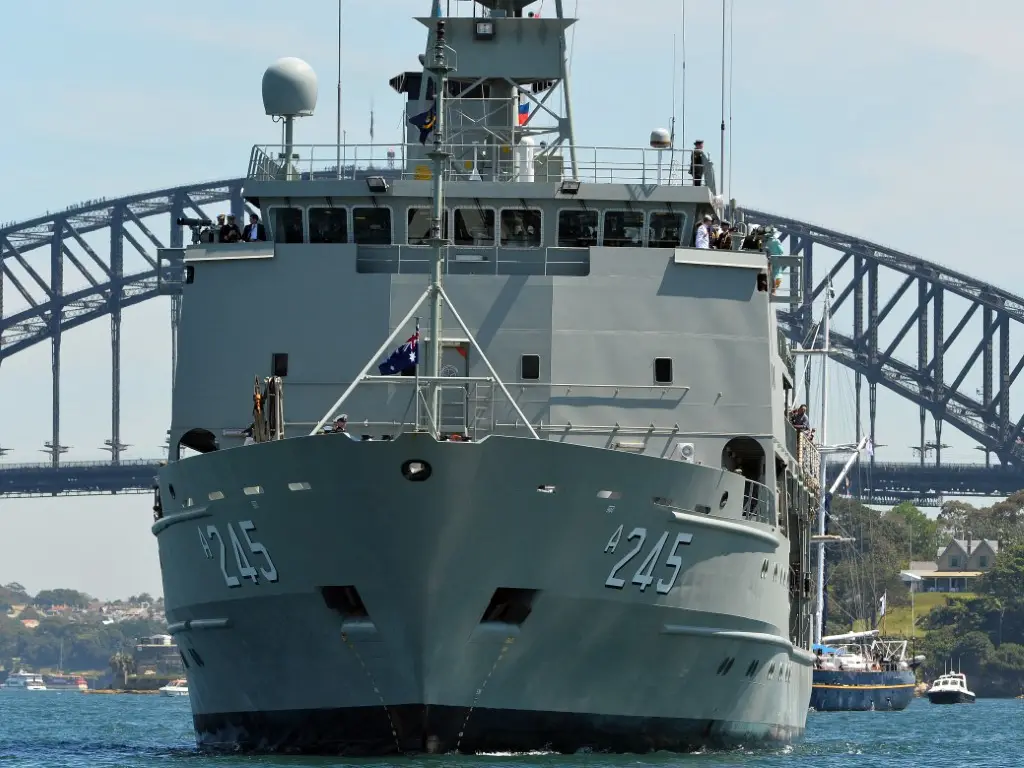
The commissioning of INS Mangrol, the third indigenous Mahe-class anti-submarine warfare shallow-water craft, marks another step towards strengthening India's coastal defences. Meanwhile, INS Samarthak, a multipurpose vessel designed to support unmanned maritime systems and indigenous technology trials, represents India's growing focus on autonomous naval warfare.
Speaking exclusively on WION's Defence Pulse, former Indian Navy Chief Admiral Sunil Lanba welcomed these developments while outlining the capabilities India must prioritise.
More warships, third aircraft carrier and submarines: Admiral Lanba's priorities
Asked to identify India's most pressing naval requirements, Admiral Lanba stressed the importance of "induction in larger numbers of blue-water platforms", particularly destroyers and frigates. He also highlighted an "urgent need to sanction the third aircraft carrier for the Navy" and accelerate the long-delayed 30-year submarine construction plan.
Lanba pointed to progress on Project 75(I), saying negotiations were underway between the Ministry of Defence and prospective construction partners. He also called for substantially more multirole helicopters and maritime patrol aircraft, both crewed and uncrewed.
Trending Stories
&im=FitAndFill=(700,400)&imwidth=280&imheight=210&format=webp&quality=medium)
&imwidth=280&imheight=210&format=webp&quality=medium)
&imwidth=280&imheight=210&format=webp&quality=medium)
&imwidth=280&imheight=210&format=webp&quality=medium)
&imwidth=280&imheight=210&format=webp&quality=medium)
&imwidth=280&imheight=210&format=webp&quality=medium)
&imwidth=280&imheight=210&format=webp&quality=medium)
&imwidth=280&imheight=210&format=webp&quality=medium)
&imwidth=280&imheight=210&format=webp&quality=medium)
&imwidth=280&imheight=210&format=webp&quality=medium)
&imwidth=280&imheight=210&format=webp&quality=medium)
&imwidth=280&imheight=210&format=webp&quality=medium)
&imwidth=280&imheight=210&format=webp&quality=medium)
&imwidth=280&imheight=210&format=webp&quality=medium)
&imwidth=280&imheight=210&format=webp&quality=medium)
&imwidth=280&imheight=210&format=webp&quality=medium)
&imwidth=280&imheight=210&format=webp&quality=medium)
&imwidth=280&imheight=210&format=webp&quality=medium)
&imwidth=280&imheight=210&format=webp&quality=medium)
&imwidth=280&imheight=210&format=webp&quality=medium)
&imwidth=280&imheight=210&format=webp&quality=medium)
&imwidth=280&imheight=210&format=webp&quality=medium)
&imwidth=280&imheight=210&format=webp&quality=medium)
&imwidth=280&imheight=210&format=webp&quality=medium)
&imwidth=280&imheight=210&format=webp&quality=medium)
&imwidth=280&imheight=210&format=webp&quality=medium)
&im=FitAndFill=(700,400)&imwidth=280&imheight=210&format=webp&quality=medium)
&imwidth=280&imheight=210&format=webp&quality=medium)
&imwidth=280&imheight=210&format=webp&quality=medium)
&imwidth=280&imheight=210&format=webp&quality=medium)
&imwidth=280&imheight=210&format=webp&quality=medium)
&imwidth=280&imheight=210&format=webp&quality=medium)
&imwidth=280&imheight=210&format=webp&quality=medium)
&imwidth=280&imheight=210&format=webp&quality=medium)
&imwidth=280&imheight=210&format=webp&quality=medium)
&imwidth=280&imheight=210&format=webp&quality=medium)
With Pakistan acquiring eight Chinese-designed Hangor-class submarines, Lanba emphasised the importance of anti-submarine operations to safeguard India's ports, harbours and merchant shipping. He also identified comprehensive maritime domain awareness, including underwater sensors and aerial surveillance, as essential to detecting emerging threats.
‘It can't be just unmanned platforms’: Admiral Lanba on autonomous warfare
Discussing India's emerging autonomous capabilities, Admiral Lanba described the development of autonomous systems as an important addition to naval capabilities rather than a fundamental shift in doctrine.
On India's Jalkapi extra-large autonomous underwater vehicle, he suggested surveillance missions using onboard sonars could eventually be followed by armed operations involving torpedoes. However, he cautioned against replacing conventional platforms entirely.
"It has to be a healthy mix of both manned and unmanned. It can't be just unmanned platforms," he said. He also highlighted the importance of international naval exercises, explaining how digital communications and data-sharing improve interoperability with partner navies.
For India, integrating more warships or autonomous vehicles into a larger, coordinated maritime force capable of protecting its interests across the Indian Ocean is the need.

