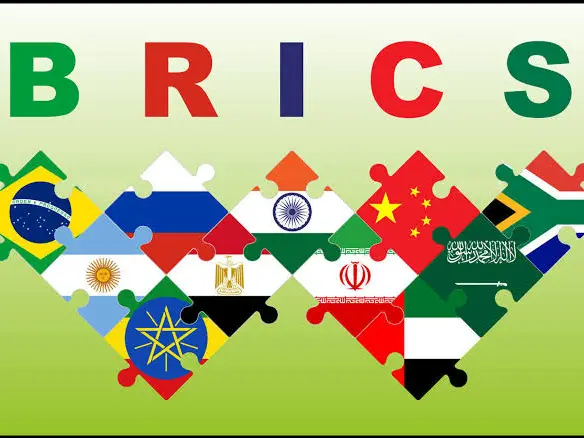
How much military power now sits inside the expanded BRICS?

&imwidth=600&imheight=450&format=webp&quality=medium "How much military power now sits inside the expanded BRICS?")
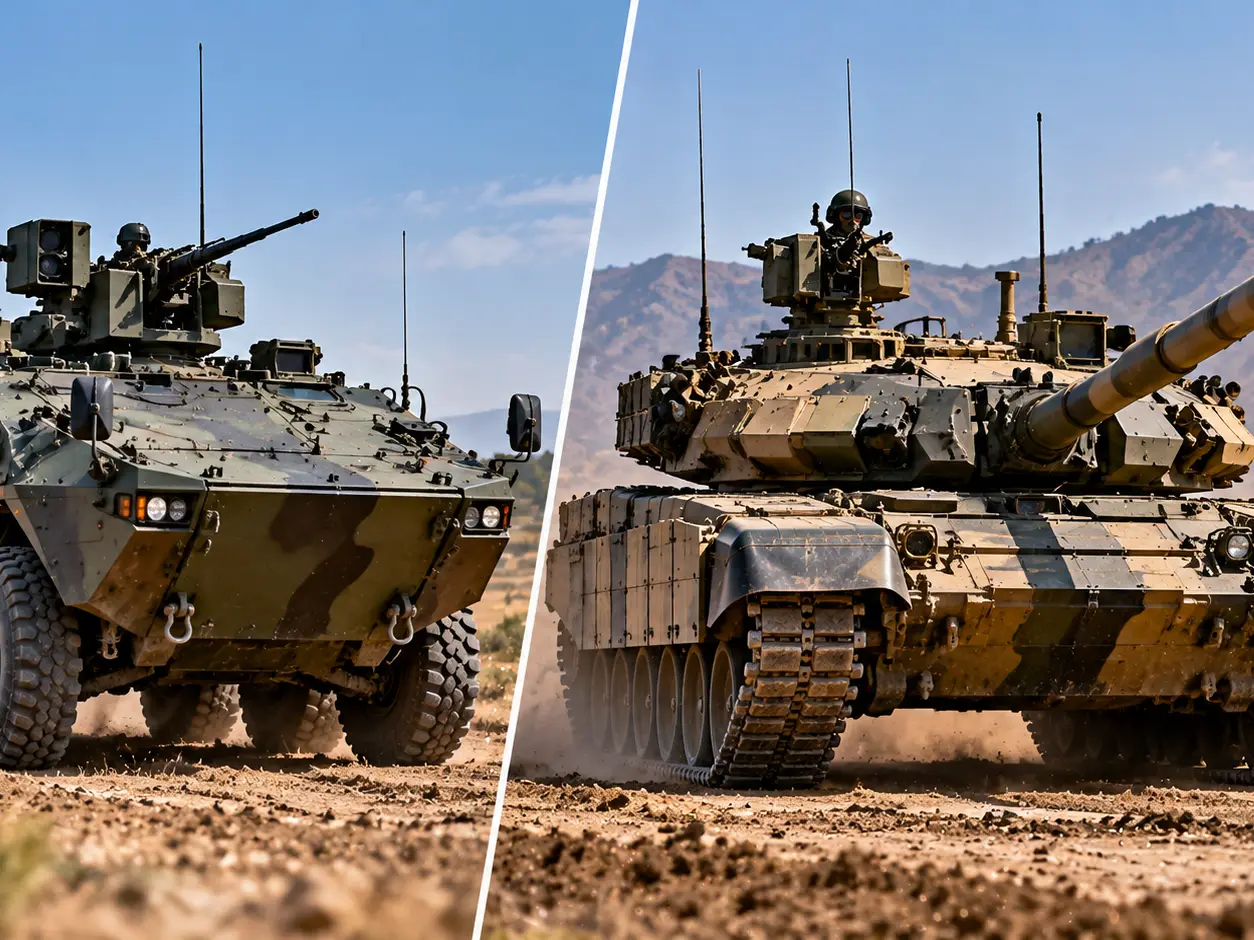
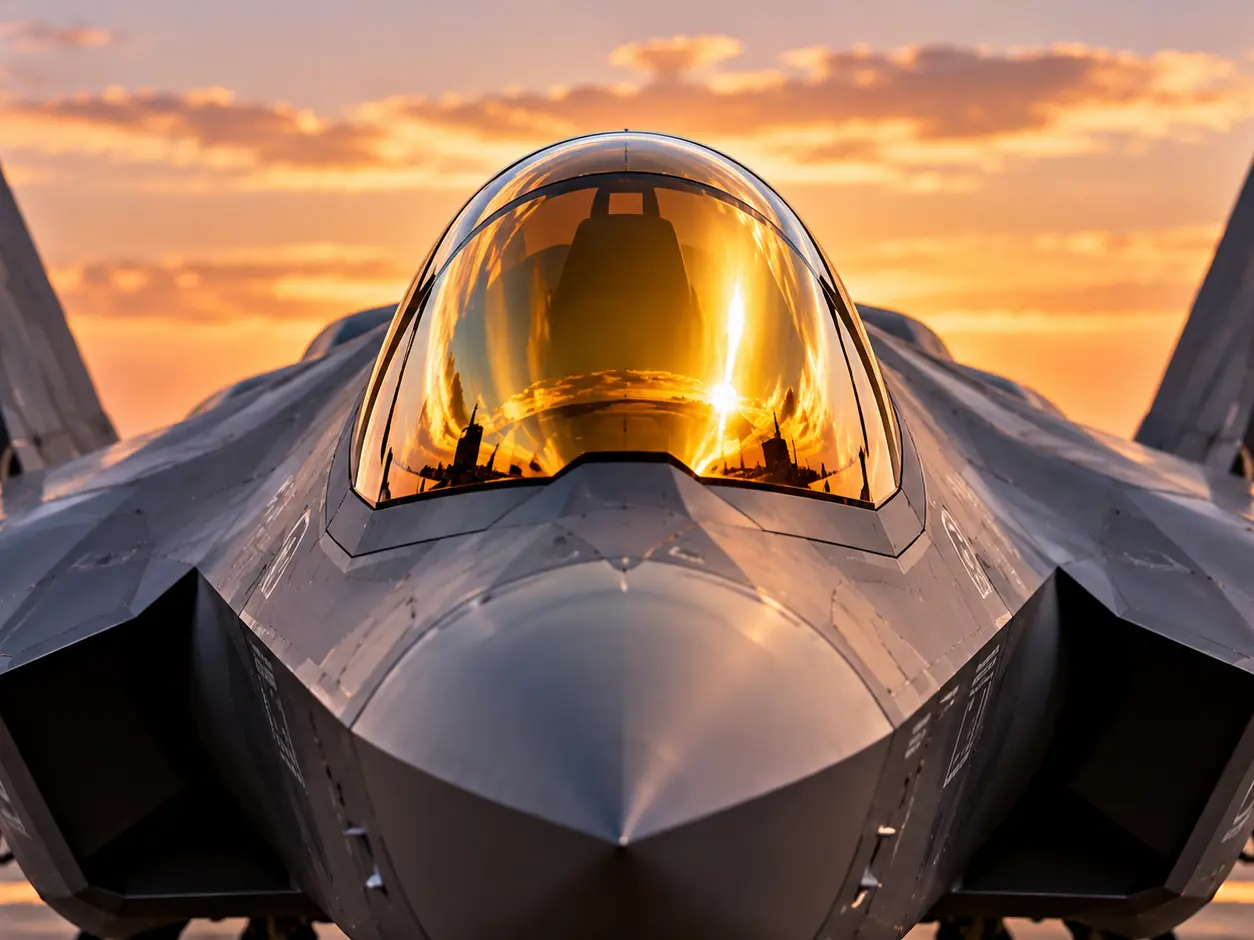
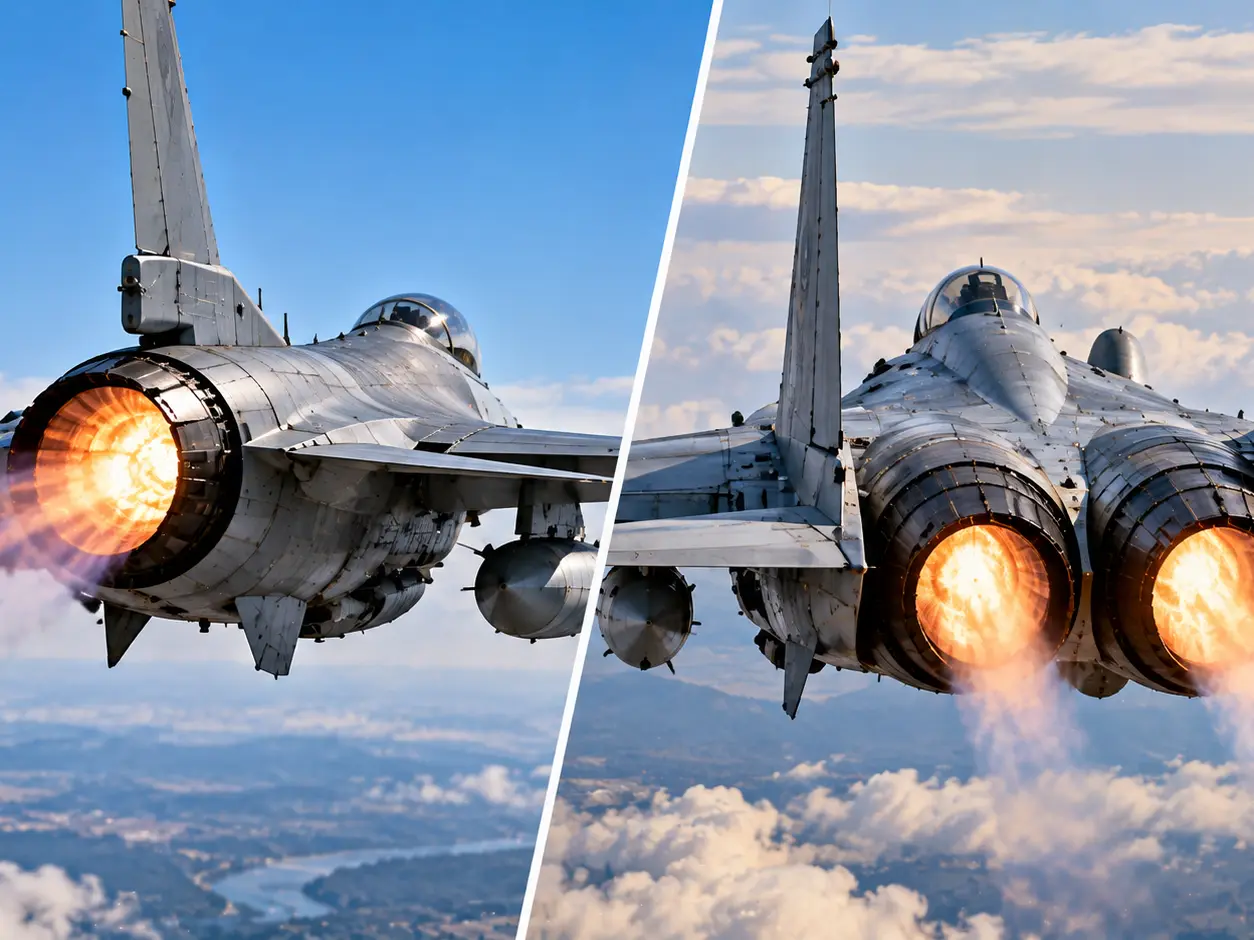
For representative purpose only Photograph: (Devian Art)
BRICS is not a military alliance and possesses no collective-defence clause or integrated military command. Its members have different strategic priorities
BRICS is usually measured in GDP, population, trade and energy. But place the expanded grouping on a military map and another picture emerges: a significant concentration of nuclear weapons, missile forces, major armies, naval power, defence industries and strategic geography. At its centre are Russia, India and China, three nuclear-armed powers representing distinct models of military strength.
Russia brings strategic nuclear depth, a formidable missile arsenal, advanced air-defence systems, nuclear submarines and a defence industry operating under the pressures of years of war in Ukraine. Its recent combat experience has also provided lessons in drones, electronic warfare, ammunition consumption and sustaining military production during prolonged conflict.
India represents a different model.
Its nuclear deterrent, Agni missiles, BrahMos, aircraft carriers, ballistic-missile submarines and increasingly sophisticated air and missile defences are reinforced by its commanding position in the Indian Ocean. At the same time, India's growing indigenous defence ecosystem is steadily expanding its ability to manufacture missiles, warships, artillery, aircraft, drones and electronic systems. China's strength lies in combining military modernisation with enormous industrial capacity. The PLA operates the world's largest navy by number of battle-force ships, fields the J-20 stealth fighter and possesses a vast conventional missile arsenal. Its expanding capabilities in space, cyber warfare, drones and autonomous systems add another dimension to Chinese hard power.
Beyond the three heavyweights, BRICS brings together other specialised centres of military capability. Iran has demonstrated considerable missile, drone and asymmetric-warfare capabilities. Brazil possesses a significant aerospace industry. Saudi Arabia and the UAE operate advanced combat aircraft and are investing in domestic defence production. Egypt combines substantial military strength with the strategic significance of the Suez Canal, while Indonesia occupies a critical position along Indo-Pacific maritime routes.
Trending Stories
&imwidth=280&imheight=210&format=webp&quality=medium)
&imwidth=280&imheight=210&format=webp&quality=medium)
&imwidth=280&imheight=210&format=webp&quality=medium)
&imwidth=280&imheight=210&format=webp&quality=medium)
&imwidth=280&imheight=210&format=webp&quality=medium)
&im=FitAndFill=(700,400)&imwidth=280&imheight=210&format=webp&quality=medium)
&imwidth=280&imheight=210&format=webp&quality=medium)
&imwidth=280&imheight=210&format=webp&quality=medium)
&imwidth=280&imheight=210&format=webp&quality=medium)
&imwidth=280&imheight=210&format=webp&quality=medium)
&imwidth=280&imheight=210&format=webp&quality=medium)
&imwidth=280&imheight=210&format=webp&quality=medium)
&im=FitAndFill=(700,400)&imwidth=280&imheight=210&format=webp&quality=medium)
&imwidth=280&imheight=210&format=webp&quality=medium)
&imwidth=280&imheight=210&format=webp&quality=medium)
&imwidth=280&imheight=210&format=webp&quality=medium)
&imwidth=280&imheight=210&format=webp&quality=medium)
&im=FitAndFill=(700,400)&imwidth=280&imheight=210&format=webp&quality=medium)
&im=FitAndFill=(700,400)&imwidth=280&imheight=210&format=webp&quality=medium)
&imwidth=280&imheight=210&format=webp&quality=medium)
&imwidth=280&imheight=210&format=webp&quality=medium)
&imwidth=280&imheight=210&format=webp&quality=medium)
&imwidth=280&imheight=210&format=webp&quality=medium)
&imwidth=280&imheight=210&format=webp&quality=medium)
&im=FitAndFill=(700,400)&imwidth=280&imheight=210&format=webp&quality=medium)
&imwidth=280&imheight=210&format=webp&quality=medium)
&imwidth=280&imheight=210&format=webp&quality=medium)
&imwidth=280&imheight=210&format=webp&quality=medium)
&imwidth=280&imheight=210&format=webp&quality=medium)
&imwidth=280&imheight=210&format=webp&quality=medium)
&imwidth=280&imheight=210&format=webp&quality=medium)
&imwidth=280&imheight=210&format=webp&quality=medium)
&imwidth=280&imheight=210&format=webp&quality=medium)
&imwidth=280&imheight=210&format=webp&quality=medium)
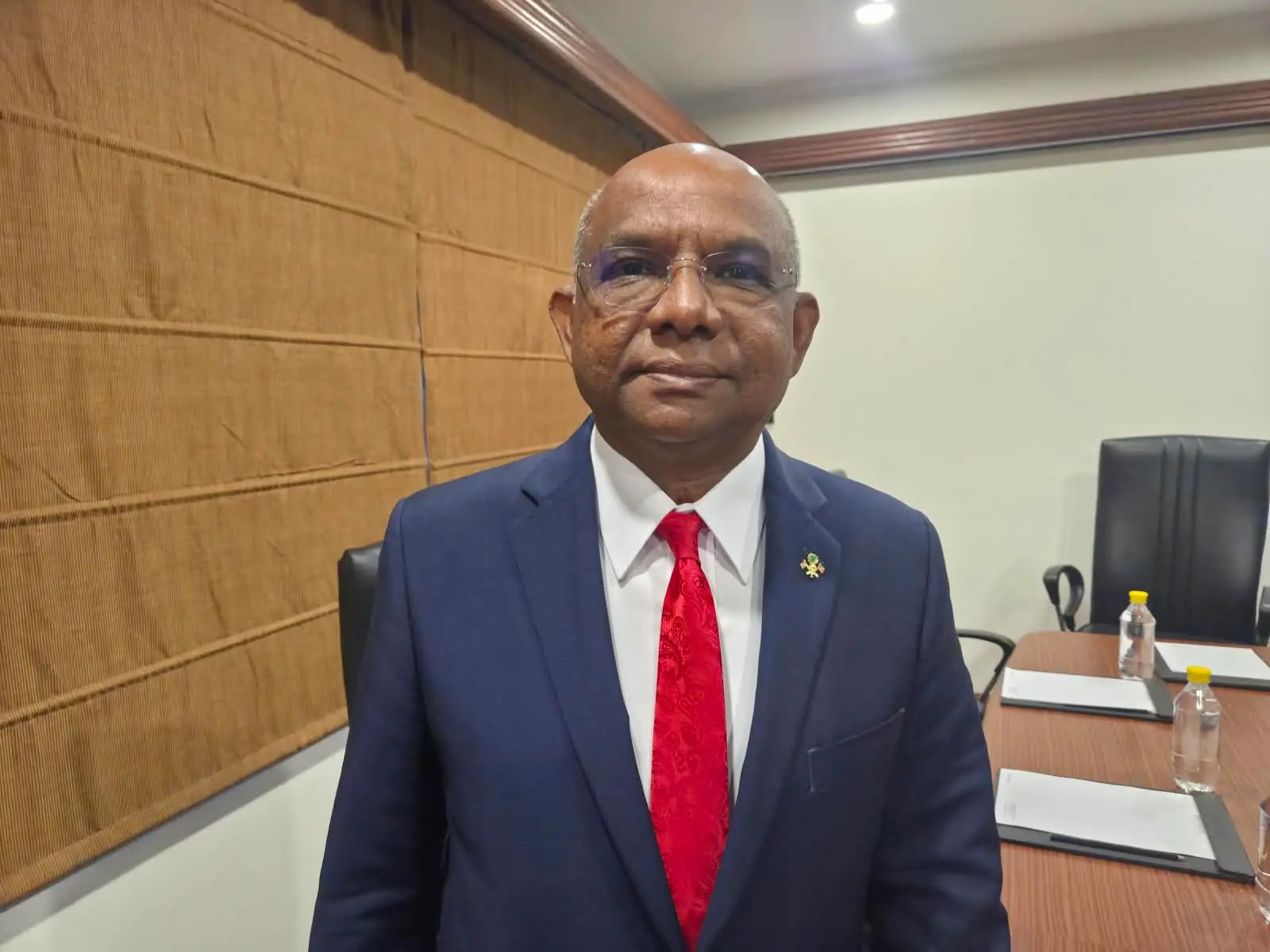
Speaking to former Chief of Integrated Defence Staff Lt Gen Satish Dua on WION's Defence Pulse, he highlighted the scale of the grouping's military weight. "Russia is the second largest military today, China is the third largest military, and India is the fourth largest military... it's a very good hard-power combination of three countries alone."
The uniqueness of India's foreign policy requires a thorough study from other nations. Afterall,India can sit with Russia and China in BRICS, while simultaneously exercising with the United States, France, Japan and Australia. For Dua, India's distinguishing strength goes beyond weapons. "Very few countries, if any at all, possess the kind of strategic autonomy that India seems to be able to leverage today. We are engaging with both the West and the East and the Global South."
That distinction is important. BRICS is not a military alliance and possesses no collective-defence clause or integrated military command. Its members have different strategic priorities. But from the Arctic and Eurasia to Hormuz, Suez, the Indian Ocean and Indo-Pacific sea lanes, the expanded BRICS brings together an extraordinary combination of military capability, industrial capacity and strategic geography. When one looks at BRICS beyond the prism of economic power, one should not misshow much of the world's hard power now sits there too.

