World Bank argues against cryptos as reserve portfolio asset

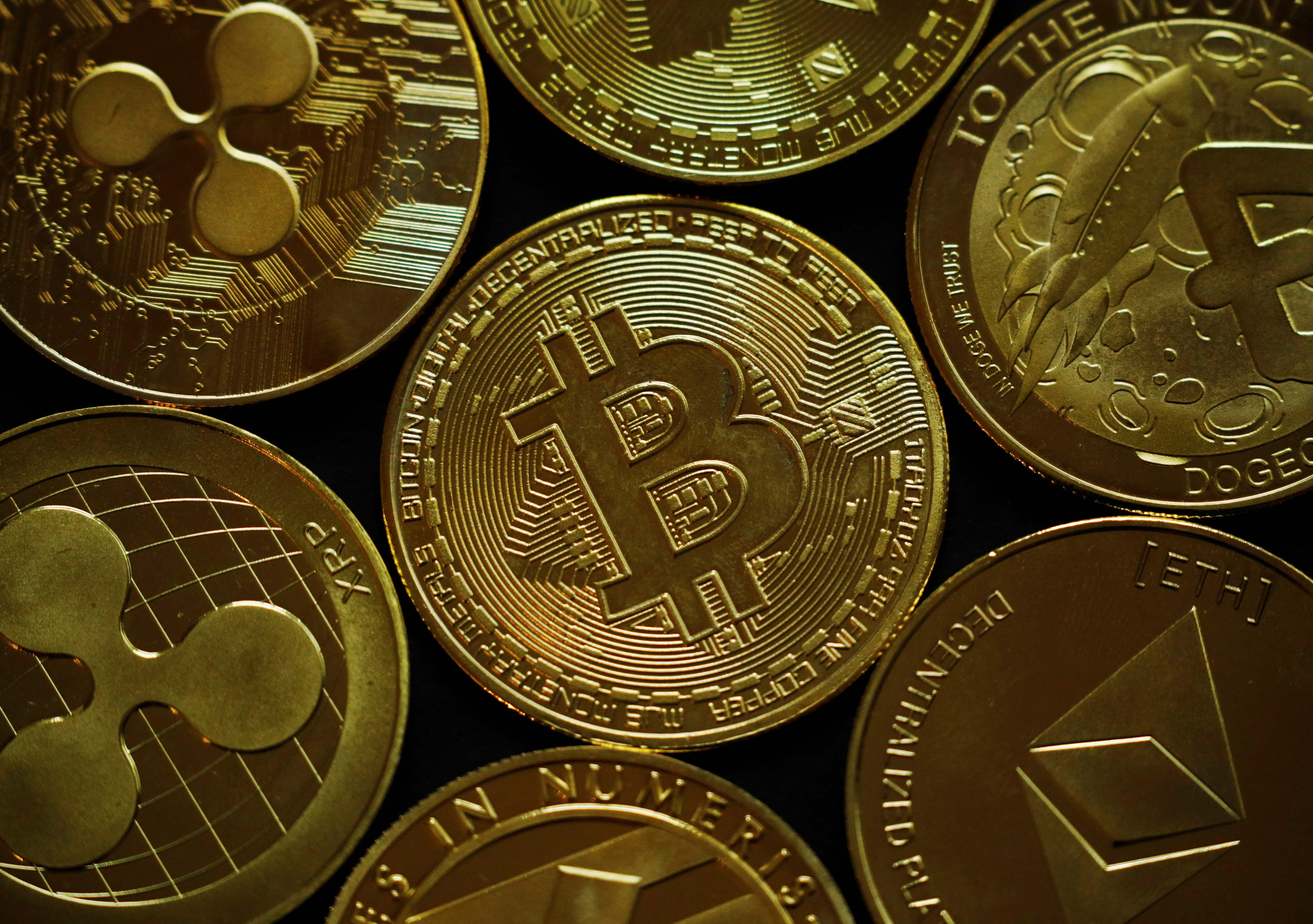
World Bank argues against cryptos as reserve portfolio asset
The increasing market capitalisation, footprint, and structure of crypto-assets have prompted institutional investors and central banks to investigate potential exposures to these assets and determine if it is fair to include them in their portfolios.
While crypto-assets might play a role in central banks' reserve portfolios in the future, a white paper from the World Bank states that these instruments do not qualify at the moment in their current state. There has been some guidance from policymakers and standard-setting bodies.
However, the regulatory landscape for crypto-assets is still unclear. their value is very volatile, which makes them unreliable as a store of value. To qualify as instruments for reserve portfolios, crypto assets must undergo certain fundamental modifications.

What is the World Bank's take?
1. Decreased volatility needed
Crypto assets are not a good way for central banks to self-insure against shocks because their prices are highly volatile, with an annualised volatility of 70 per cent. This is far greater than the volatility of equities and gold.
&imwidth=180&imheight=135&format=webp&quality=medium)
100,000 strikes in 3 years: How October 7 redefined Israel's war
&im=FitAndFill=(700,400)&imwidth=180&imheight=135&format=webp&quality=medium)
Happy Birthday Rekha: Watch these 7 evergreen Bollywood hits on Netflix, Prime Video and more
&imwidth=180&imheight=135&format=webp&quality=medium)
‘Your people don’t even let us near it’: IAF chief’s blunt response on US F-35; India yet to decide on Russia’s Su-57
&imwidth=180&imheight=135&format=webp&quality=medium)
Real or fake? PIB fact-checks protest videos; Delhi Police clarifies on Gurdwara Bangla Sahib clip
&imwidth=180&imheight=135&format=webp&quality=medium)
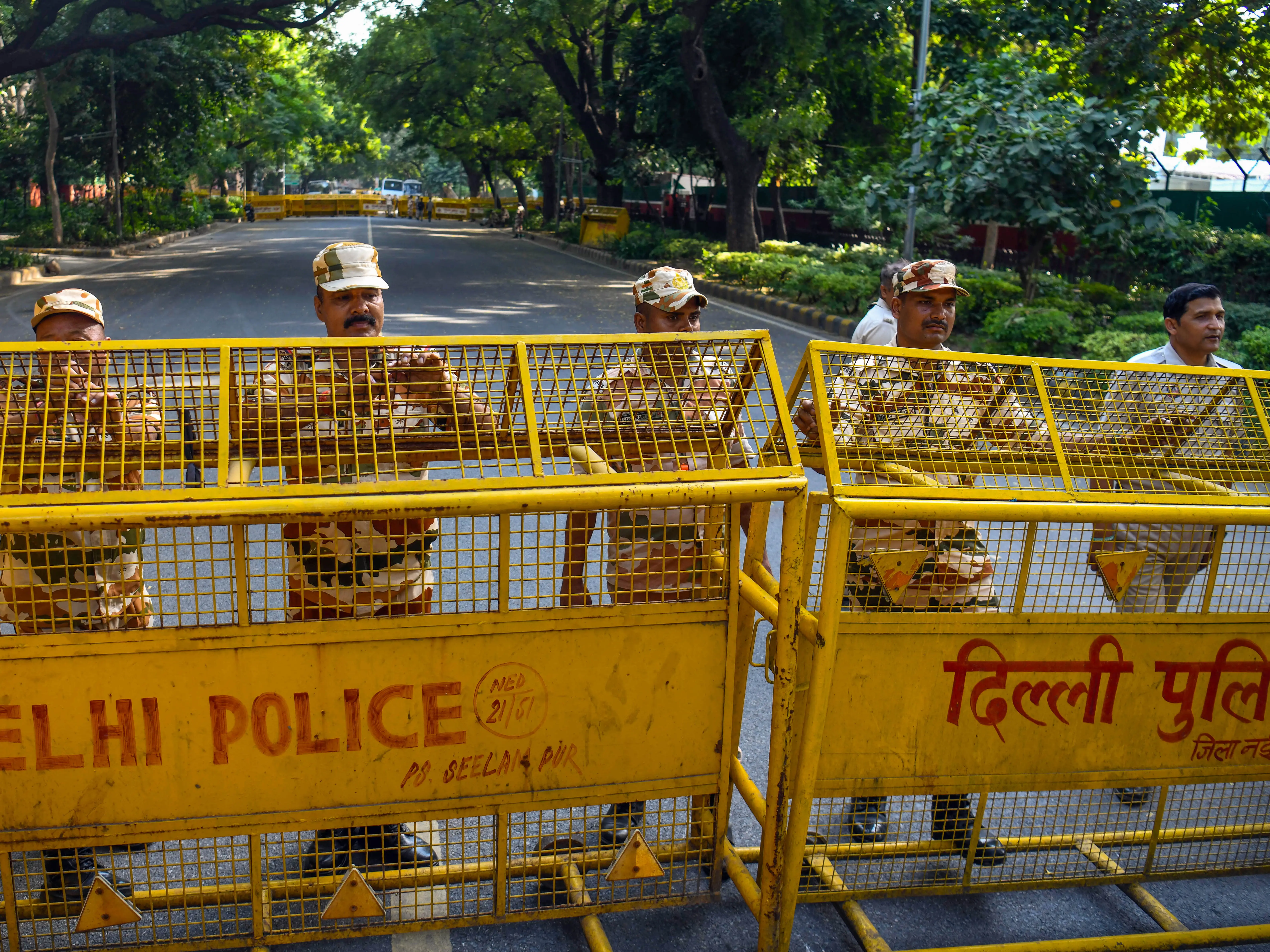
Delhi on high alert for CJP protest: Delhi police to use body cams to 'prove whether we did anything’; Pink Force, RAF, 35,000 personnel deployed
&imwidth=180&imheight=135&format=webp&quality=medium)
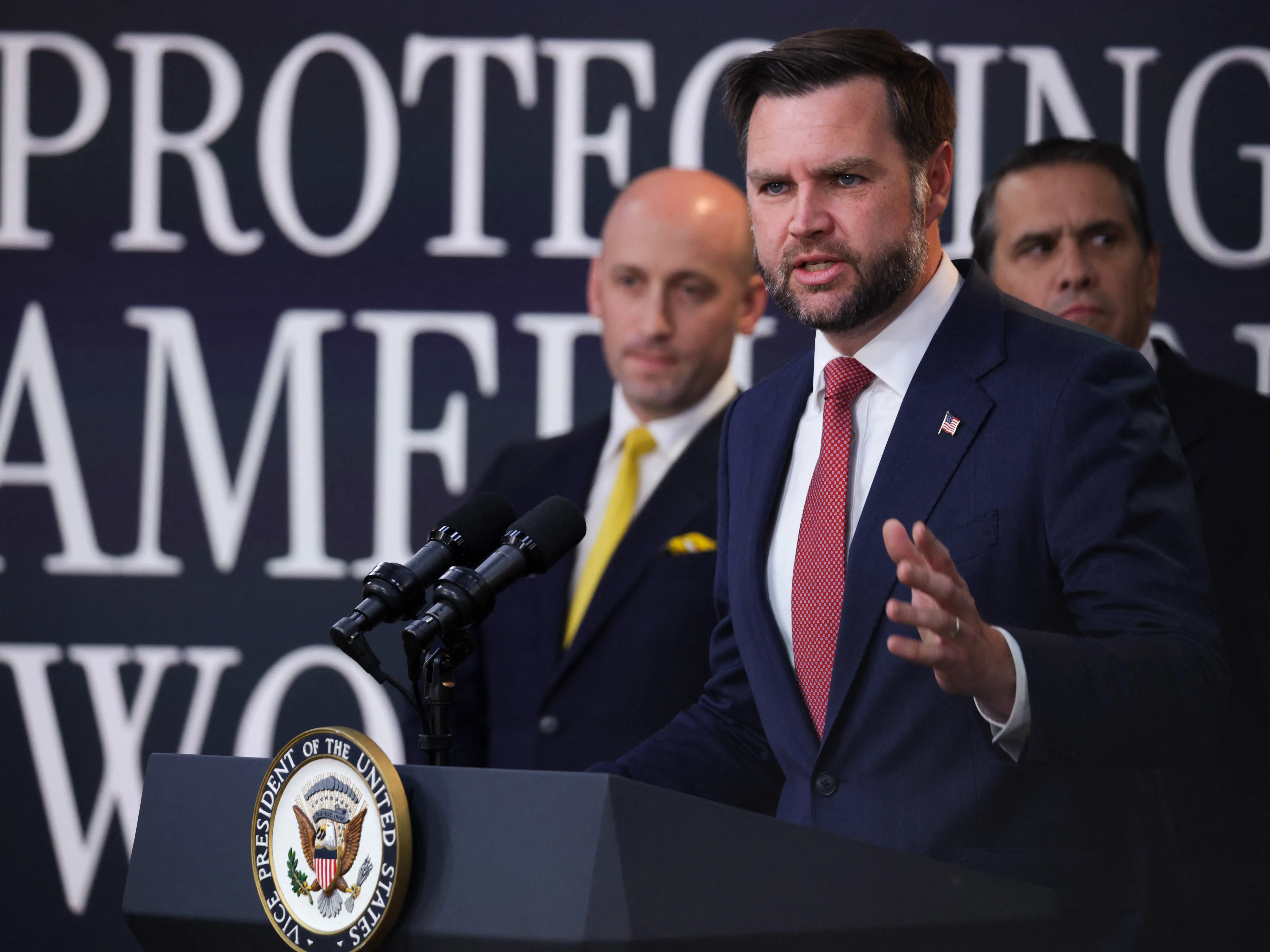
‘Never-ending flow of cheap labour’: JD Vance hits back at Indian-origin Congresswoman over US green card curbs for major tech companies
&imwidth=180&imheight=135&format=webp&quality=medium)
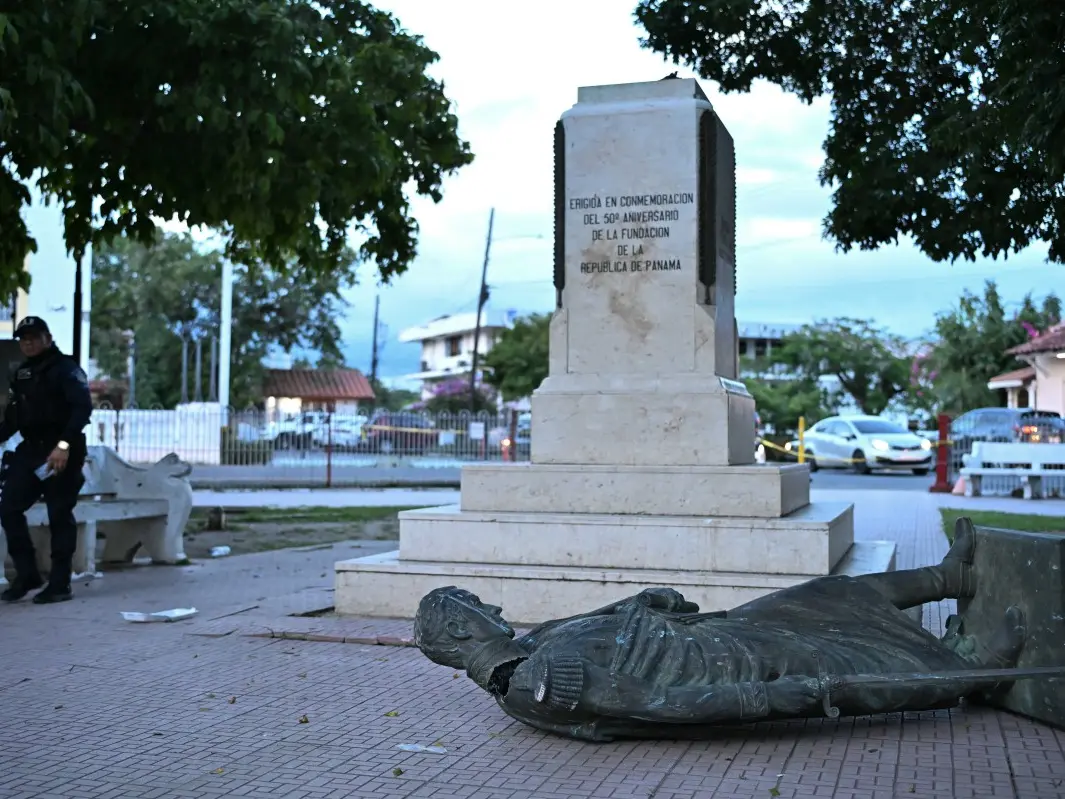
Panama president declares ‘major disaster’ after powerful 7.7-magnitude earthquake; over 80 aftershocks recorded
&imwidth=180&imheight=135&format=webp&quality=medium)
Why Rajinikanth turned down Baasha 2 and Petta 2 but returned for Jailer 2
&imwidth=180&imheight=135&format=webp&quality=medium)
'Jantar Mantar not the story of India': BJP's Sambit Patra claims 'anarchists' tried to hold Delhi captive
&imwidth=180&imheight=135&format=webp&quality=medium)
BJP MP Ravi Shankar Prasad slams CJP protests, calls it 'shadow boxing for AAP'
&imwidth=180&imheight=135&format=webp&quality=medium)
US midterm elections: Why Zohran Mamdani's influence could become a headache for Democrats and Republicans
&imwidth=180&imheight=135&format=webp&quality=medium)
Riyadh airport hit in missile attack, dozens injured; 5 in intensive care
&imwidth=180&imheight=135&format=webp&quality=medium)
'Spent Rs 2,000 cr to elect Trump': Elon Musk bought US President's loyalty by writing the biggest political cheque in human history
&imwidth=180&imheight=135&format=webp&quality=medium)
Powerful 7.7 magnitude earthquake strikes Panama, tsunami warning issued
&imwidth=180&imheight=135&format=webp&quality=medium)
Elon musk & India clash over Starlink's market entry terms
&imwidth=180&imheight=135&format=webp&quality=medium)
INDIA bloc plans mega protest on Monday amid Delhi crackdown, Wangchuk's warns to launch 'padyatra'
&imwidth=180&imheight=135&format=webp&quality=medium)
Who is Ajinkya Shinde, announced to lead CJP protest after Dipke, Das and Ranka's detention?
&imwidth=180&imheight=135&format=webp&quality=medium)
'Ouch!!! That must hurt': Kangana Ranaut hails Kamal Haasan's sharp reply to Elon Musk over Starlink row
&imwidth=180&imheight=135&format=webp&quality=medium)
‘Right to protest must be protected, but...’: Delhi Police reveals why it denied CJP permission for October 10 Jantar Mantar protest
&imwidth=180&imheight=135&format=webp&quality=medium)
Hamas used double agents, deceived Israel to carry out October 7 massacre
&imwidth=180&imheight=135&format=webp&quality=medium)
NIA files FIR in Flydubai hijack attempt and attack on Smit Machchhar, probes ‘larger conspiracy’
&imwidth=180&imheight=135&format=webp&quality=medium)
Portugal Federation confirms Cristiano Ronaldo’s return to national team despite suspension
&imwidth=180&imheight=135&format=webp&quality=medium)
All 22 Indian seafarers safe in attack on Panama-flagged tanker off UAE coast
&imwidth=180&imheight=135&format=webp&quality=medium)
‘Time for Ukraine to get a new president’: Trump lashes out at Zelensky over Russia strikes
&im=FitAndFill=(700,400)&imwidth=180&imheight=135&format=webp&quality=medium)
Food shortages, suicide attempts and more: USS Abraham Lincoln returns to US after 321 day deployment — What happened aboard the US carrier?
&imwidth=180&imheight=135&format=webp&quality=medium)
Thai queen becomes first reigning monarch to fly jet solothailand #queen #wion
&imwidth=180&imheight=135&format=webp&quality=medium)
‘Every game against Liverpool is special’: Erling Haaland ahead of Anfield clash
&imwidth=180&imheight=135&format=webp&quality=medium)
Rahul Gandhi calls Modi, Shah ‘cowards’ amid CJP protest crackdown in Delhi
&imwidth=180&imheight=135&format=webp&quality=medium)
Four years, 3 licenses, zero launch: Why is Elon Musk’s Starlink still struggling to crack Indian market? EXPLAINED
&imwidth=180&imheight=135&format=webp&quality=medium)
AUS vs SA 1st Test, Day 2: Renshaw shines with 190 as Australia dominate South Africa
&imwidth=180&imheight=135&format=webp&quality=medium)
Why was CJP founder Abhijeet Dipke detained? What Delhi Police said
&imwidth=180&imheight=135&format=webp&quality=medium)
Putin conveys Iran’s proposal to Trump, offers to take Tehran’s enriched uranium
&imwidth=180&imheight=135&format=webp&quality=medium)
'It’s been 12 hours': CJP writes to Delhi Police, demands release of Dipke, Saurav Das and Ranka
2. Stronger custody & safekeeping solutions
The loss or theft of crypto private keys, which are essential to digital assets like bearer instruments, might result in irretrievable loss. Essential for storage, access, and authentication are industry-grade solutions for managing and executing private keys that can resist fraud or cyberattacks.
3. More than enough decentralisation
Potential dangers exist in crypto-asset initiatives that are not adequately decentralised. So, they are subject to substantial control by a governing body or central party. Large investors are hesitant to take on and manage substantial exposures to crypto-assets. This is due to their limited liquidity and market capitalisation compared to more traditional currencies and asset classes.
However, derivatives markets have developed to control risks. The liquidity of the biggest crypto-assets - such as bitcoin and ether - has greatly increased.
4. Investment tools are readily available
Government bonds and other extremely safe investments are the norm for central banks. For the most part, crypto-assets don't perform anything useful on their own, like generating interest or dividends. There are still many unknowns and dangers in this experimental environment. This is despite the potential for "staking" to create revenue and the potential for DeFi apps to aid in the generation of returns on crypto assets.
5. Implementation of banking & commerce protocols
Crypto assets must become a tool for cross-border investment and trade flows. This is to ensure reserve managers against trade and financial shocks. In such flows, crypto asset adoption is quite low.
Policymakers have achieved some headway into most of these concerns. However, there are still many important questions about the domestic and international regulation of crypto-assets. This includes the authority, missions, and instruments of relevant institutions.