Western officials explore confiscating $300 bn Russian assets: Report

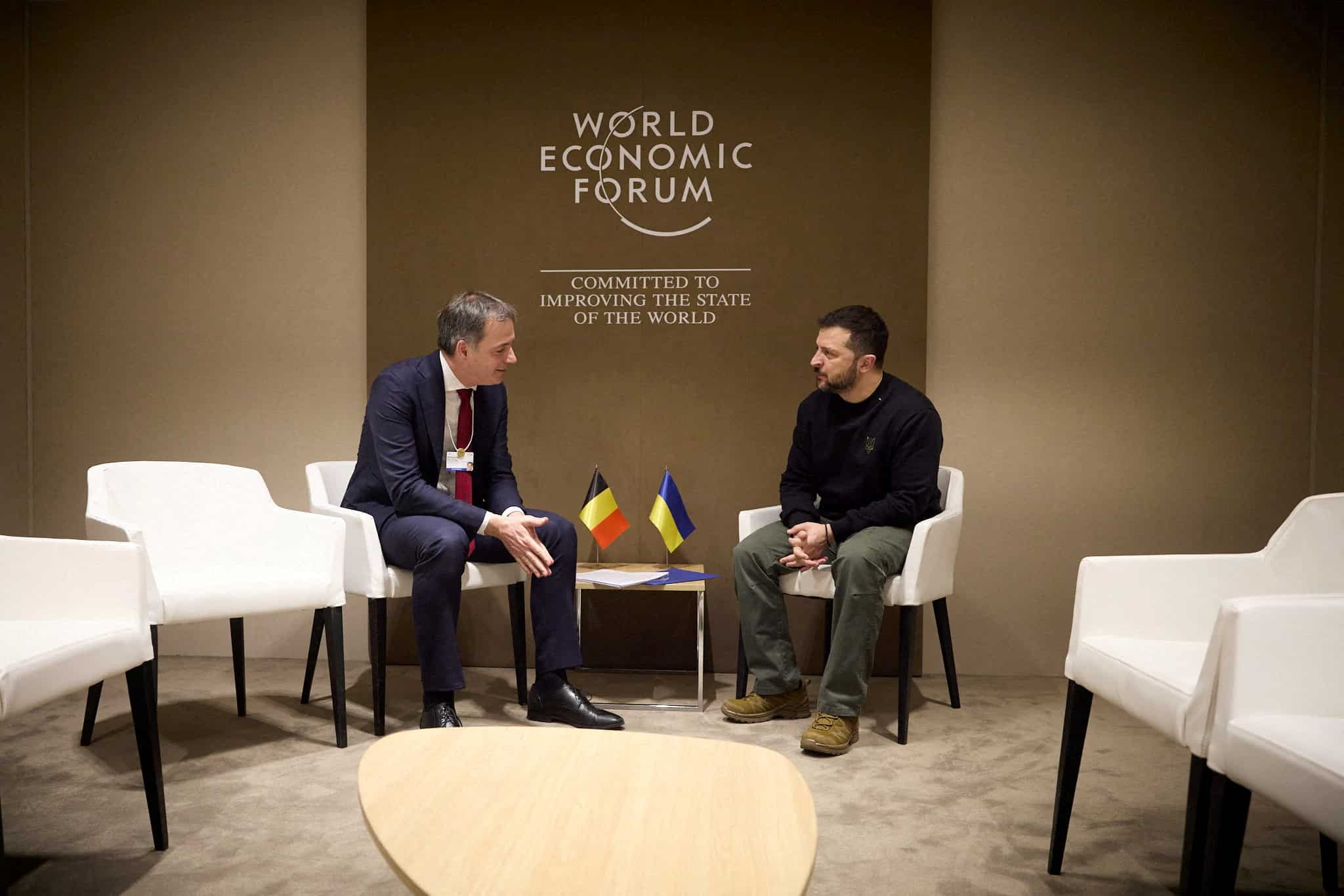
Ukraine's President Volodymyr Zelenskiy and Belgium's Prime Minister Alexander De Croo
In a significant development at the World Economic Forum in Davos, Western officials expressed openness to the idea of confiscating around $300 billion of Russian assets to support Ukraine.
This is based on a Reuters report.
The move comes in response to President Vladimir Putin's deployment of troops into Ukraine in 2022, prompting the United States and its allies to impose sanctions, blocking significant sovereign Russian assets in the West. While the proposition is under consideration, officials caution that navigating the legal intricacies and determining the impact on the global financial system present formidable challenges.

Legal complexities and potential limitations
Addressing the complexities involved in seizing Russian assets, Penny Pritzker, US special representative for Ukraine's economic recovery, emphasised the need for legal scrutiny and collective decision-making.
"No decisions have been made. It's a misperception to think this is going to be a panacea effect. There's real effort going on, but we are far from a conclusion,” Reuters quoted her as saying.
)
Nigeria: Protesters take to the streets, police fire shots
)
US-Iran war: Tehran draws red lines — seven demands before any peace talks
)
Russia-Europe tensions: Polish PM warns Russian attacks could test NATO's unity
&im=FitAndFill=(700,400))
‘Not the US or China’: These are the countries leading the world in arable land
)
Mark Carney mimics Trump in hilarious moment over C$70 billion clean-energy investment; room erupts in laughter
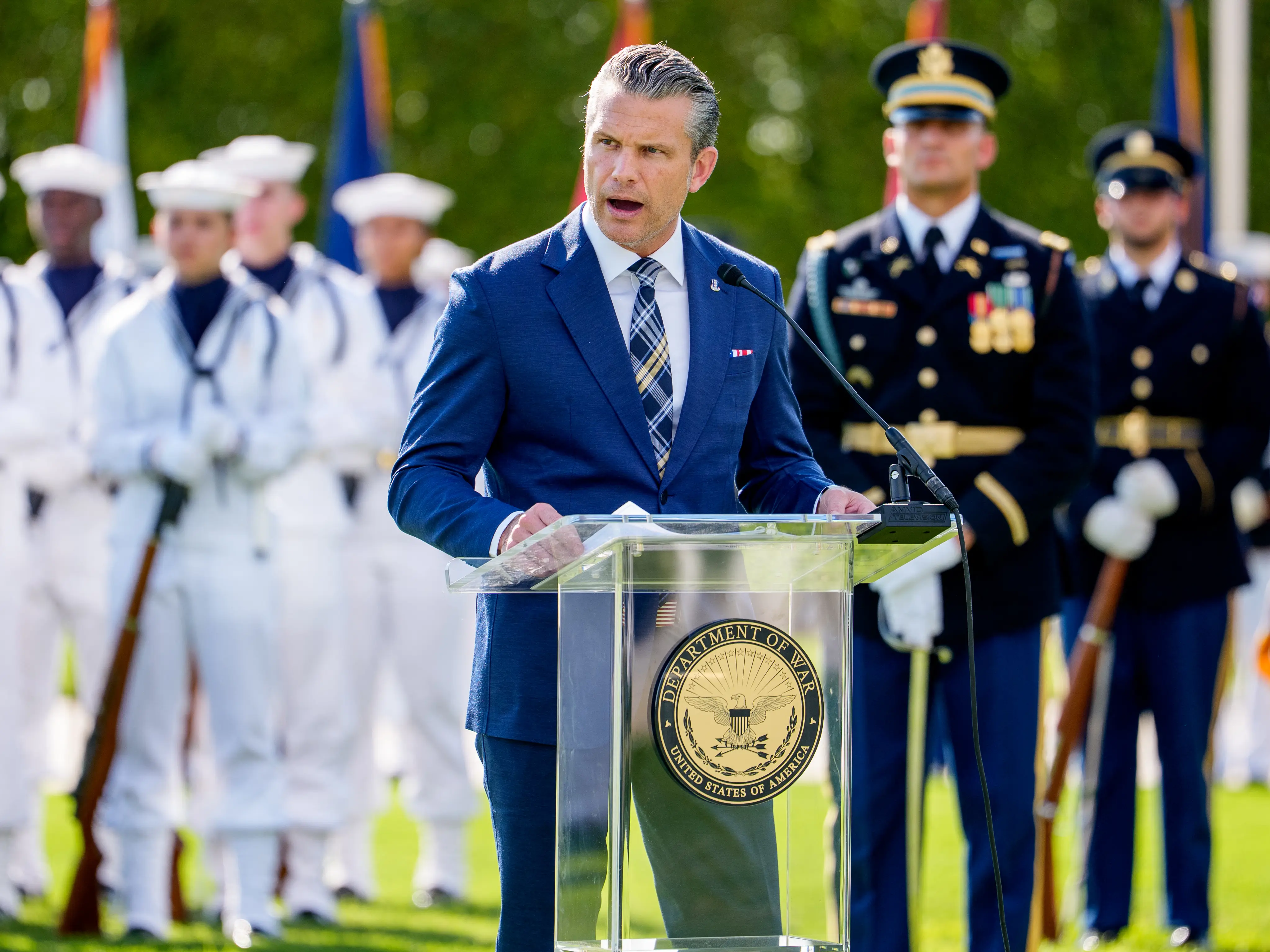)
Pentagon revives mandatory testosterone testing for male troops aged 30 and above
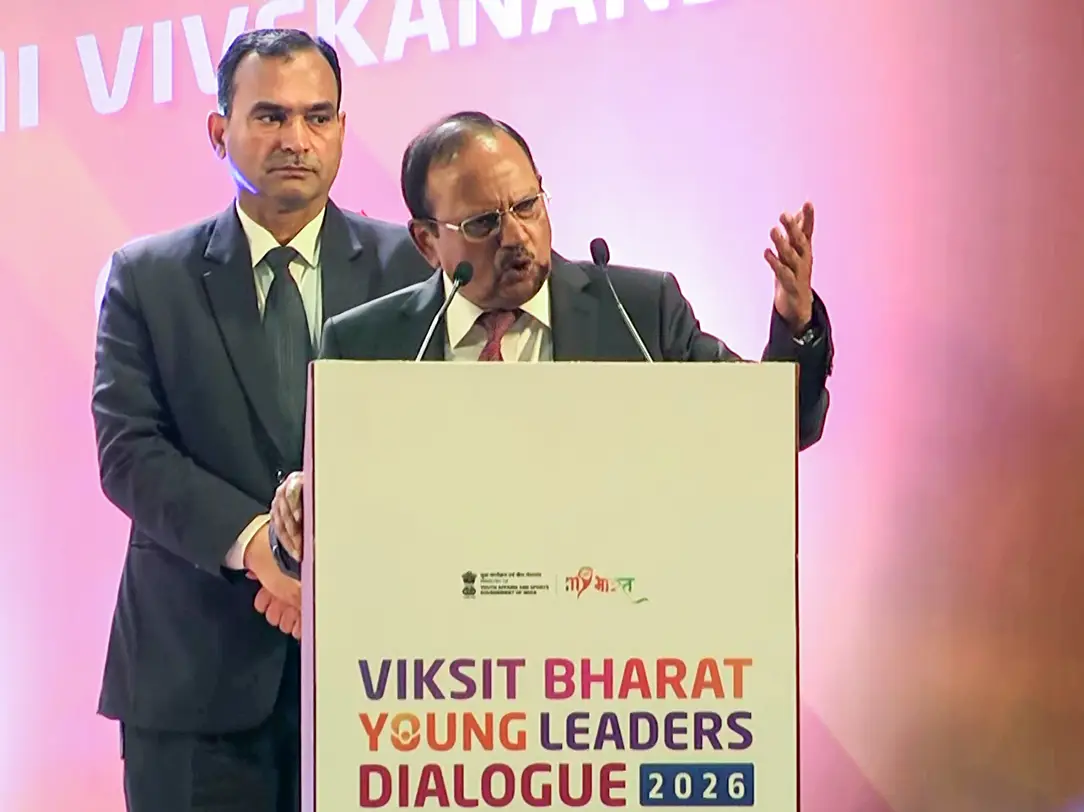)
‘End of my career...’: NSA Doval recalls tense Sikkim mission when China captured Indian intelligence team
)
Trump defends AI amid growing alarm, announces new 'AI force' and promises an 'AI czar'
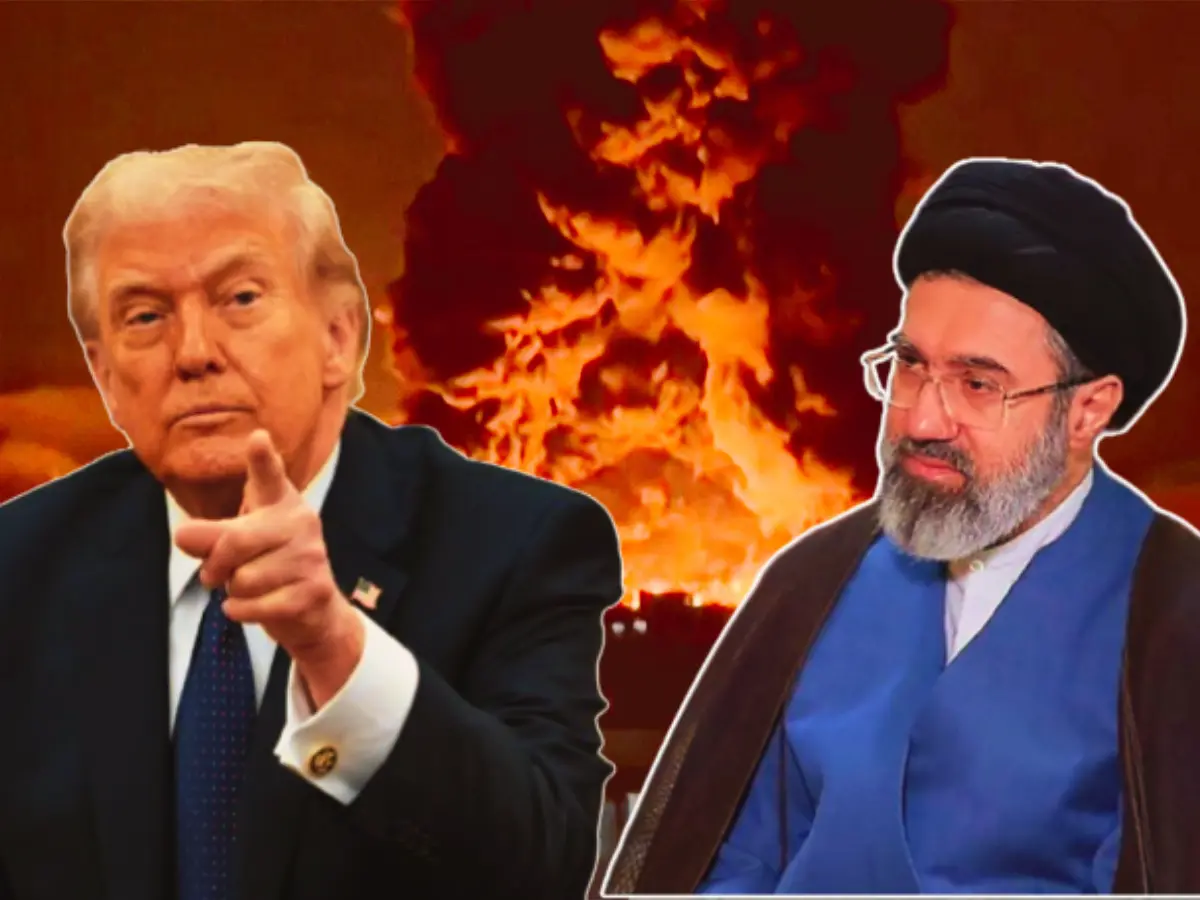)
Iran sets 7 conditions to end war with US: What are Tehran’s demands?
)
Trump announces ‘AI Force’ as debate grows over AI risks and regulation
)
China may have gained access to US's classified F-35 jets; parts meant for repairs diverted to Hong Kong, sparking Pentagon inquiry
)
Gaza under attack: Health chief's son killed in IDF strikes
)
Inspired by podcasts and Meghalaya murder case: How Siya allegedly planned Ketan Agarwal’s Lohagad fort murder
)
Arvind Kejriwal, family members, Delhi CM Rekha Gupta get SIR notices
)
Cochin shipyard starts building Indian Navy's next-gen missile vessels
)
Saudi vs Houthis: Houthis claim missiles & drones used in attack on key Saudi sites
)
Ed Sheeran addresses Macklemore's removal, Gaza conflict during Philadelphia concert: 'I cannot hide how I feel'
)
Brigitte Bardot’s private collection set for Paris auction; key items and prices revealed
)
‘Will go to any extent’: Pakistan vows to defend Saudi Arabia amid Houthi attacks
66 years of the Indus Waters Treaty: How India and Pakistan settled a bitter river dispute
)
The Verdict | When precision fails: US commits war crime in Minab school strike, UN finds
)
9 women found dead near Johannesburg: South Africans rally, demand 'enough' to femicide
)
Trump wants to rename ‘Artificial Intelligence’, gives 3 options: Which one would you pick?
)
US-Iran war: Tehran sets seven conditions to re-engage in talks with US
)
Reacher star Alan Ritchson opens up about alleged blackmail, suicide attempt during difficult period
)
Africa is splitting, and a lot sooner than estimated, giving way to a new ocean
)
Flying cars in UAE: Ras Al Khaimah signs deal with Chinese company to test new transport
)
Trump bans CNN, MS NOW and Politico from White House over ‘FAKE NEWS’
)
Trump 2.0: Dark days ahead for America’s ‘imperial presidency’
&im=FitAndFill=(700,400))
How many F-35s does Britain, Japan and Israel have?
)
Harry Brook targets long reign at top of T20I rankings after Sri Lanka sweep
)
Russia's deadly Ukraine strikes kill 2 in Sumy, hit Dnipro mall
)
Russia holds first parliamentary elections since the beginning of the Ukraine war
&im=FitAndFill=(700,400))
Meet top 5 Indian batters with fastest T20I centuries
)
Raphinha hat-trick powers Barcelona to 3-1 win over Sevilla in La Liga
)
Russia, not represented at Davos, has voiced its opposition, arguing that such confiscation contradicts free-market principles. The Kremlin has warned of reciprocal actions, threatening to seize US, European, and other assets in retaliation.
Janet Yellen's concerns and mitigation efforts
US Treasury Secretary Janet Yellen, who has consistently expressed concerns about the legal authority for confiscating Russian assets, recently embraced exploring seizure options based on international law.
According to Reuters, Yellen highlighted the challenges, stating, "It would be a question of understanding and seeing if mitigation could be put in place and seeing if the G7 could agree on international law rationale."
Some officials worry about potential repercussions on storing reserves in dollars or euros. Seizing Russian assets invested in government bonds could pose risks to the willingness of central banks to store reserves with each other.
Belgian Prime Minister's Perspective
Belgian Prime Minister Alexander De Croo expressed a nuanced stance, not opposing asset confiscation but emphasising the necessity of a clear mechanism. He suggested a potential avenue by stating, "For example, they can be used as collateral for raising funds for Ukraine."
De Croo conveyed openness to further discussions and participation in finding a legal basis for transferring the assets to Ukraine without destabilising the global financial system. Acknowledging the complexity of the situation, he highlighted the need for a structured approach and proposed utilising any taxable revenue for the benefit of Ukraine.
(With inputs from Reuters)