
&imwidth=800&imheight=600&format=webp&quality=medium "US goods imports plunge in April as tariffs bite, narrowing trade deficit sharply")
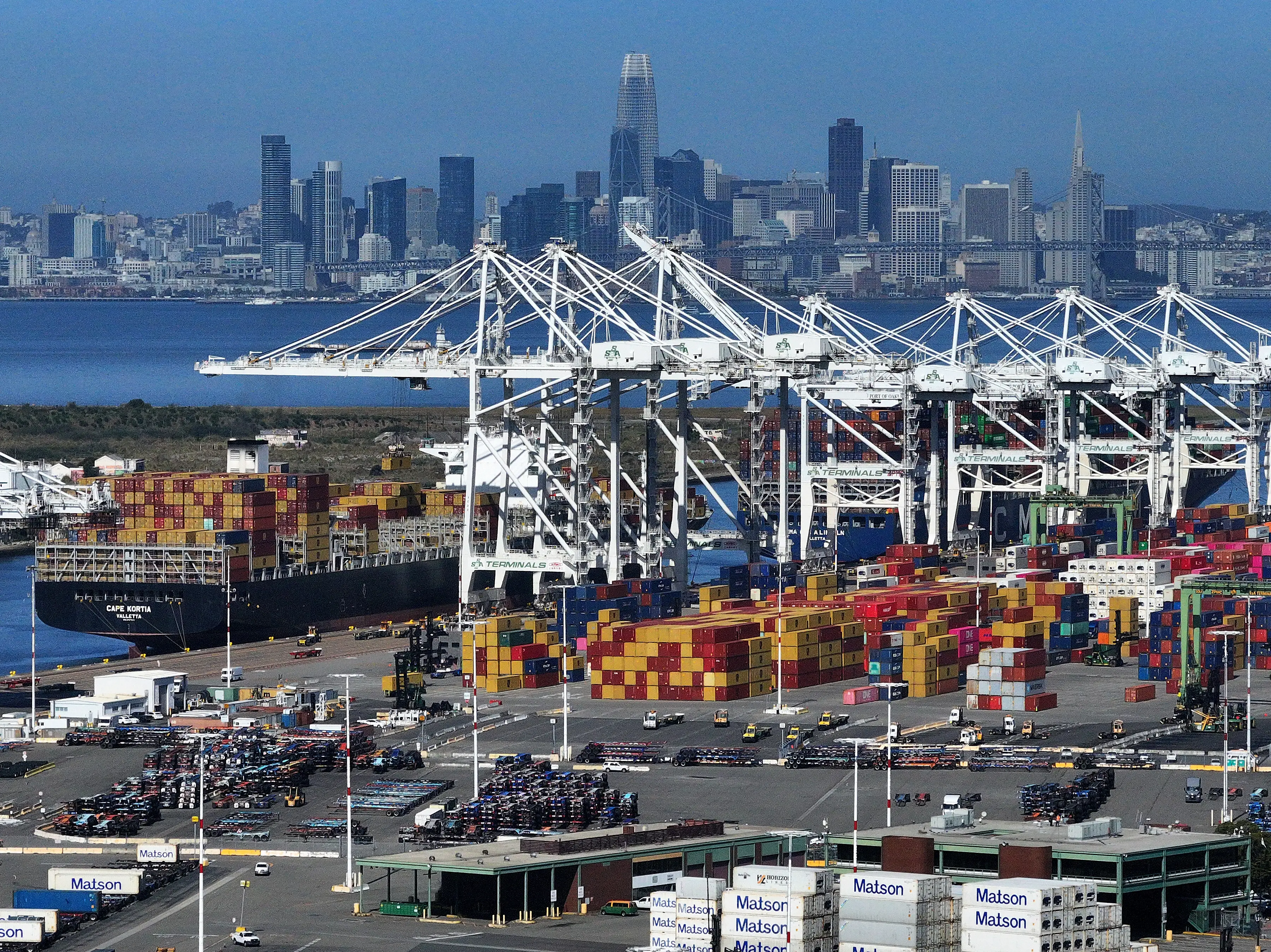
The United States saw a record-breaking decline in goods imports in April, as President Donald Trump’s sweeping tariffs began to reshape the country’s trade landscape. Imports plummeted by 19.8 per cent from March to $276.1 billion, the largest monthly drop since the Census Bureau began tracking the data in 1992, according to figures released on May 30.
The collapse in imports followed a frenzied import rush in March, when businesses scrambled to stockpile foreign goods ahead of Trump’s so-called “liberation day” tariff hike announced for April 2. That front-loading sent the March trade deficit soaring to $162.3 billion, but the tide turned sharply in April as US companies slammed the brakes on new shipments.
As a result, the goods trade deficit narrowed by 46 per cent to $87.6 billion, the smallest gap in 18 months. Exports, meanwhile, edged up 3.4 per cent to $188.5 billion, adding to the positive swing in trade data.

Tariff turmoil and economic whiplash
The abrupt reversal in trade volumes has distorted US economic readings. The import surge in March contributed to a 0.2 per cent annualised decline in first-quarter GDP, marking the country’s first contraction since 2022. However, economists now expect a rebound in the second quarter (Q2).
The Atlanta Federal Reserve on May 30 revised its GDP forecast for the second quarter sharply upward, from 2.2 per cent to 3.8 per cent, citing the improvement in net trade.
Trending Stories
)
US Supreme Court backs Trump administration's use of SAVE database to check voter citizenship
)
Beijing to Washington! Ivanka Trump makes a style statement in Chinese designer Guo Pei for President Xi Jinping’s White House welcome
)
Heart of the Beast review: Brad Pitt leads a gripping tale of survival and loyalty
)
Outrage erupts after 3-year-old is married to 60-year-old man in Pakistan, link to her sister's murder being probed
)
Pakistan deploys over 20,000 security personnel as PTI vows march for Imran Khan's release
)
‘Not just a local tragedy’: Nepal PM Shah warns UN of growing climate threat, says Nepal floods were 'a warning to the world'
)
Asian Games: Shooting spree continues as India win silver in women’s 50m rifle 3P team event
)
India-New Zealand FTA is ‘an expression of trust’, NZ High Commissioner Patrick John Rata says
)
OpenAI AI Agents hacked 4 websites before Hugging Face, researchers reveal
)
Pentagon quietly adds 37 wounded troops to Iran war tally without explaining when or how
&im=FitAndFill=(700,400))
New Friday OTT releases (September 25, 2026): Don’t Be Shy, Hunkkaar: The Roar, Mango Pachcha- 6 movies and TV shows on Netflix, Prime Video and more
)
Yemen's war escalates: Saudi-backed leader calls for general mobilisation against the Houthis
)
‘Attack on Mecca a red line for Pakistan’: Shehbaz Sharif warns Houthis at UN
)
Tesla is preparing something big for Optimus: new Gen 3 models surface in app
)
Bias or safety concerns? Bengaluru CEO says firm will not hire men from UP, Bihar, Rajasthan, MP. Here's why
)
Nigeria Navy moves to boost oil security, tackle crude theft and infrastructure threats
)
Indian diplomat Petal Gahlot raises deteriorating situation in Pakistan-occupied Kashmir in right of reply at UN
)
Scientists detect first radio signals directly from faraway planet
)
‘It is all possible’: Putin weighs next steps on Ukraine talks, rules out Europe conflict
)
10,000 gather in support of 87-year-old forcefully evicted from home of 71 years
)
Trump rejects Iran's 7-day ceasefire proposal as US weighs renewed bombing after midterms: Report
)
Red Sea crisis: Houthis promise not to target European ships; UNSC condemns Saudi attacks
)
Gaza's war turned environmental damage into second crisis
)
Trump-Xi summit wrap: Big pageantry, Iran talks, few major developments and more meetings planned
)
'Making history': Xi Jinping praises Trump as US-China leaders dine at White House
)
'We do not wish to continue. It's America that must choose': Iran president Pezeshkian calls on US to end war
)
India's UN Envoy slams Pakistan: 'They claim security by day, terrorism by night'
)
Bollywood mourns Mushtaq Khan: Sunny Deol, Rajpal Yadav and others pay tribute
)
Myanmar training camp case: US national, 6 Ukrainians allowed to meet their families abroad
)
'FIRST LOOK from inside Noah’s Ark': Researchers share video from inside mysterious mound in Turkey
)
Cindy Crawford’s son Presley Gerber cremated as death probe continues
)
WATCH | As Shehbaz Sharif claims Pakistan’s ‘victory’ during 2025 conflict, Indian diplomat R Srinivas laughs at UN
)
'A terrorist country is asking me that question?': Jaishankar hits back at Pakistani journalist at UN; flags attacks on commercial shipping
)
Army chief reviews operational preparedness along LoC, visits mega eye camp in Tangdhar
&im=FitAndFill=(700,400))
‘Absolutely savage, sickening’: Zelensky slams Russia as daytime strikes kill 5 in Kyiv
)
US court backs Pentagon's decision to exclude Anthropic over Claude AI restrictions
JPMorgan echoed the trend, upgrading its Q2 growth outlook to 4 per cent, though it cautioned that “swings in trade volumes may be making it difficult to measure underlying growth.” Over the first half of the year, the bank sees average growth at around 2 per cent.
Consumer goods imports were hit hardest in April, falling 32 per cent to $69.6 billion. Industrial supply shipments dropped 31 per cent, and automotive imports slid 19 per cent, the Census Bureau said. Analysts believe declines in high-value categories such as pharmaceuticals, computer equipment, and precious metals drove much of the drop.
Despite a recent US-China deal to temporarily reduce tariffs, the situation remains fluid. Trump accused Beijing on May 30 of “totally violating” the agreement via a Truth Social post, stoking fears of renewed friction.
A US trade court briefly ruled the tariffs illegal earlier this week, but they were reinstated by a federal appeals court the following day, pending further review.
Economists warn that volatility could persist in the coming months, suggesting that inventory drawdowns may dampen GDP growth before summer’s end.