US Fed makes biggest rate increase since 2000 to fight inflation

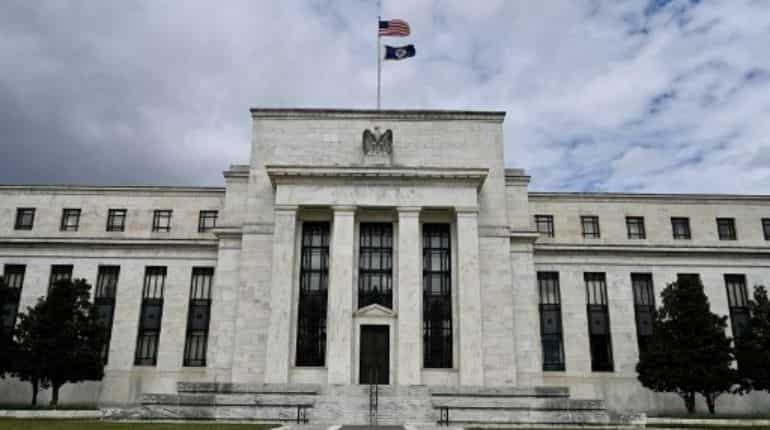
US Federal Reserve
The Federal Reserve on Wednesday announced itsbiggestratehikesince2000, with a half percentage pointincreaseas it works to crush soaring USinflation.
Withinflationat the highestratein four decades, Federal Reserve Chair Jerome Powell sent a message directly to the American people, expressing concern for the pain caused by rising prices, and pledging to use all available tools to bring them down.
But he told reporters he remains confident the economy is strong enough to withstandrateincreases without tipping into a recession.

After a quarter-point hike in March, the UScentral bank's policy-setting Federal Open Market Committee (FOMC) pushed the benchmark interestrateabove 0.75 per cent as it works to cool the economy, and confirmed more increases "will be appropriate."
The hike will raise the costs of all types of borrowing, from mortgages to credit cards to car loans, cooling demand and business activity.
)
Trump-Xi Summit: Trade, Taiwan and the red lines shaping US-China talks | Race To Power
)
US citizen injured in Illinois after ICE agents mistook him for fugitive, hospitalised
)
US judge questions Trump’s decision to ban CNN, MS NOW and Politico from White House
)
Afghan woman cyclist who disguised herself as a boy to escape Taliban, wins Asian Games medal
)
'There will be elections': Venezuela's interim leader Delcy Rodriguez makes big announcement at UN
)
IIT Bombay CCTV footage emerges: Sahil Wakode seen looking at phone in examination hall
)
Cyclone Arnab: Landfall expected before midnight tomorrow as IMD issues orange alerts across six states
)
9 killed, several injured as tourist bus catches fire on Yamuna Expressway
)
NBA player Steven Adams shares hilarious GTA VI theory
)
WION Iconic Tourism Summit 2026: Union Minister Shekhawat on 'experiential travel', peace diplomacy
)
ICC plans T20I expansion and fewer ODIs in 2027–2031 FTP cycle: Report
)
'AI got into my speech': Prince Harry jokes after teleprompter failure at event in New York
)
Scientists detect first radio signals directly from faraway planet
)
China to test supersonic jet that moves at Mach 2, double the speed of sound
)
WION Iconic Tourism Summit: 'Hanuman Ansh' Director on blockbuster success
)
Open AI, Anthropic CEO urges caution over rapid AI development at UN Security Council, call for 'extreme care'
)
Bomb scare in New York amid UNGA: Suspicious suitcase found near UN headquarters
)
Hours before Xi-Trump meeting, US announces visa curbs targeting birth tourism: What is it?
)
'Partners rather than rivals': Xi Jinping's first message after landing in US for Trump summit
)
WION Iconic Tourism Summit: Is India's travel boom outrunning its airports, airlines and hotels?
)
WION Iconic Tourism Summit and Awards 2026: Key voices to discuss India’s tourism future
&im=FitAndFill=(700,400))
New OTT releases this week (September 21-27, 2026): Shaque: Trust No One, Hunkkaar, Don’t Be Shy- 5 new titles coming to Netflix, Prime Video and more
)
WATCH | China President Xi Jinping lands in US as Trump greets him ahead of high-stakes summit
)
Australian PM Anthony Albanese calls OpenAI AI incident 'unacceptable' after restricted data access
)
'What kind of confession is this?': Pakistan PM Shehbaz Sharif’s 'terrorists would be roaming New York' remark goes viral, raises alarm online. Watch
)
WION Iconic Tourism Summit: How local tourism MSMEs must upskill for AI integration
)
Eight USS Abraham Lincoln sailors attempted suicide, Acting Navy Secretary says
)
Pilot recreates Mona Lisa in sky over Oklahoma and Arkansas in four-hour flight: VIDEO
)
Elephants hide behind trees, stage surprise attack on poachers targeting rhinos in South Africa
)
'Putin is patient zero': Zelensky slams Russian president at UNGA, accuses him of using fighters from 47 countries
&im=FitAndFill=(700,400))
National Film Awards 2026: Kartik Aaryan, Mammootty, Yami Gautam, Randeep Hooda and other key winners
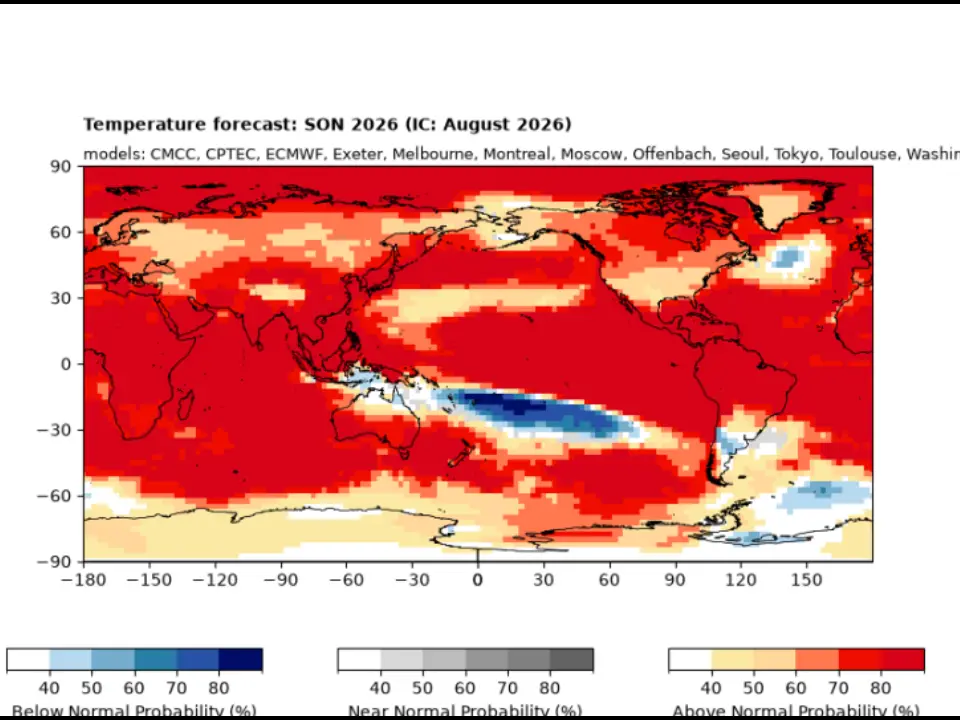)
El Niño 2026 heats up to become strongest in 1,000 years
)
Israeli envoy to US Yechiel Leiter’s son critically injured in West Bank ramming attack
&im=FitAndFill=(700,400))
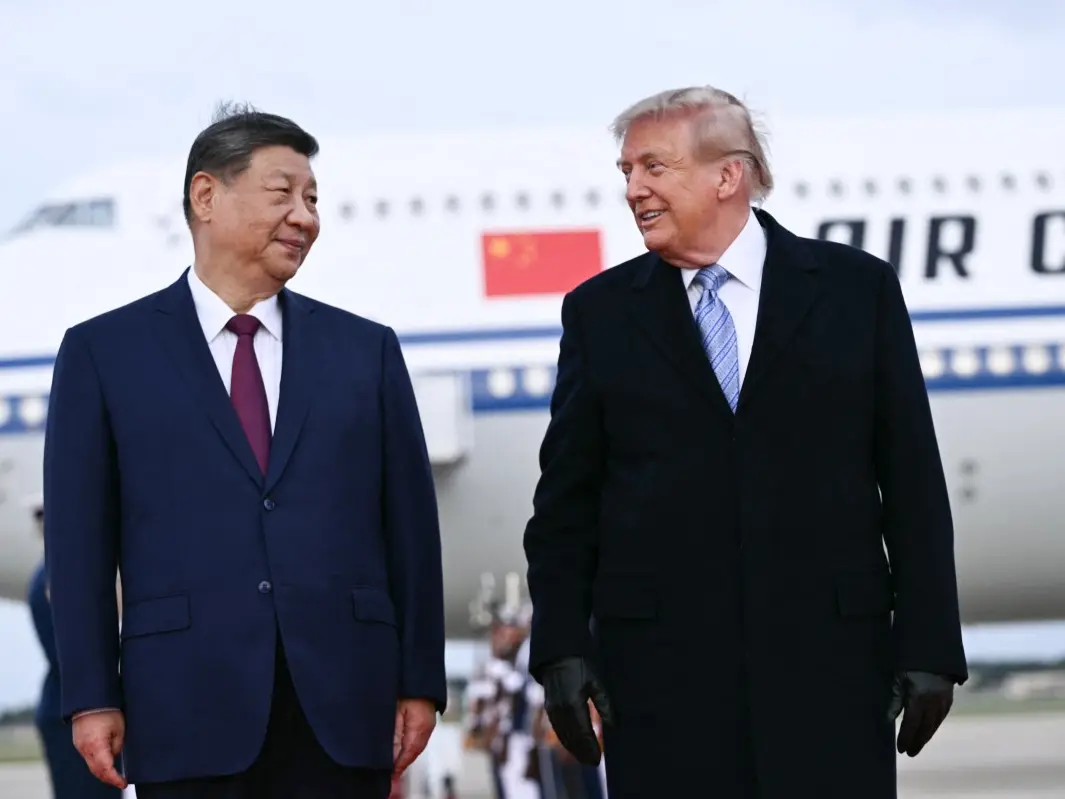
Trump welcomes Xi Jinping in rare airport gesture: Photos from Chinese President's arrival in US
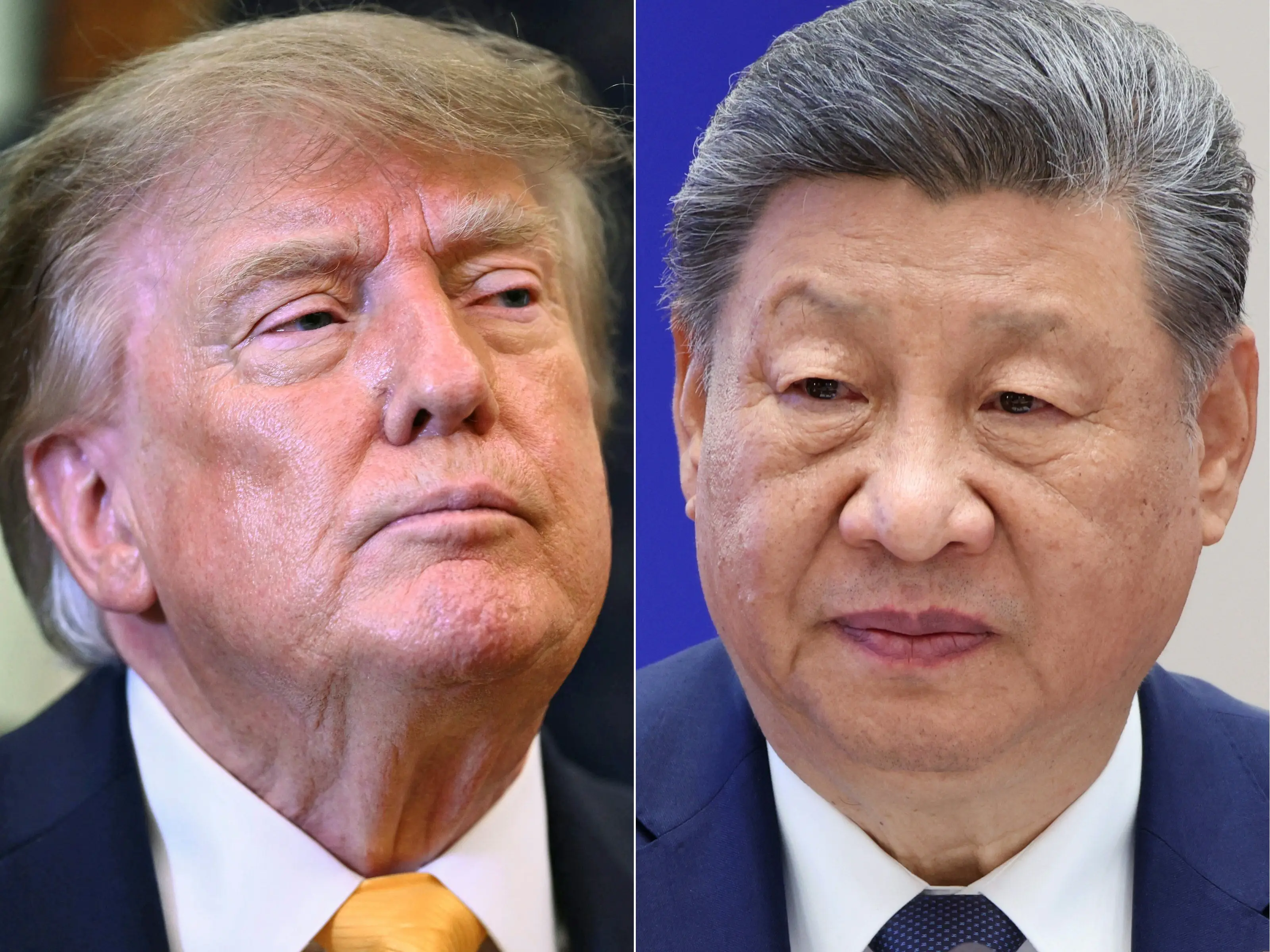)
Xi-Trump meeting: China’s human rights red line and past protests explained
Inflationhas become an overriding concern after the world's largest economy saw annual consumer prices surge 8.5 per cent over the 12 months to March,thebiggestjumpsinceDecember 1981.
Policymakers continue to believeinflationwill gradually return to theFed's two-percent target as it raises borrowing costs, but in a statement following the conclusion of its two-day meeting, the FOMC said it will be "highly attentive toinflationrisks."
In an unusual move, Powell opened his news conference speaking to the American people.
"Inflationis much too high. And we understand the hardship that is causing," he said, promising to use all tools available to bring it down "expeditiously."
Watch |US Fed lifts policy rate by 0.25%
He acknowledged that higher interest rates also bring their share of pain, but "everyone would be better off if we can get this job done. The sooner, the better."
To achieve that aim, he said "additional 50-basis point increases should be on the table at the next couple of meetings," however, a more aggressive three-quarter point hike is not under consideration.
TheFed's goal is to engineer a "soft landing," reining ininflationwhile avoiding a contraction in economic activity, and Powell said that outcome is likely.
"It's a strong economy, and nothing about it suggested... that it's close to or vulnerable to a recession," he said.
Ukraine war impact
But with China's pandemic lockdowns worsening global supply snarls and the war in Ukraine pushing commodity prices higher, analysts fear factors beyond thecentral bank's control could undermine that goal, and perhaps plunge the US economy into a recession.
WATCH WION LIVE HERE:
The FOMC acknowledged the "highly uncertain" impact of Russia's invasion of Ukraine and Western sanctions on Moscow, which are "creating additional upward pressure oninflationand are likely to weigh on economic activity."
In addition, Covid lockdowns in China "are likely to exacerbate supply chain disruptions," the statement said.
Offloading bonds
Though it contracted in the first quarter, Powell said the economy was healthy enough to withstand higher rates, and pointed to robust job gains and strong household and business spending.
However, central bankers cannot engineer a solution for the worker shortages that have challenged businesses and raised fears of a wage-price spiral, when employees demand higher salaries and fuel price increases.
Powell downplayed those concerns, saying some of theinflationis due to price shocks, whileFedpolicy can help address the "imbalance" in the labor market.
On Wednesday, payroll services firm ADP reported private employers added a weaker-than-expected 247,000 workers in April, a sign that companies are struggling to find available labor, while government data released Tuesday showed there are nearly two openings for every job seeker.
The FOMC also said it would begin reducing its massive bond holdings starting June 1, beginning at the pace of $47.5 billion a month, and then doubling after three months, also aimed at removing stimulus from the economy.
The decision was widely expected, and many economists believe the FOMC will again hike rates by a half-point in June, though Ian Shepherdson of Pantheon Economics said, "After that we think all bets are off, given the likelihood of a steep, sustained drop ininflation, a clear softening in manufacturing, and a meltdown in housing market activity."
Stock markets cheered theFedmove, closing sharply higher, with big gains in interest-sensitive tech shares.