
&imwidth=800&imheight=600&format=webp&quality=medium "US-China trade truce leaves rare earths issue unresolved")
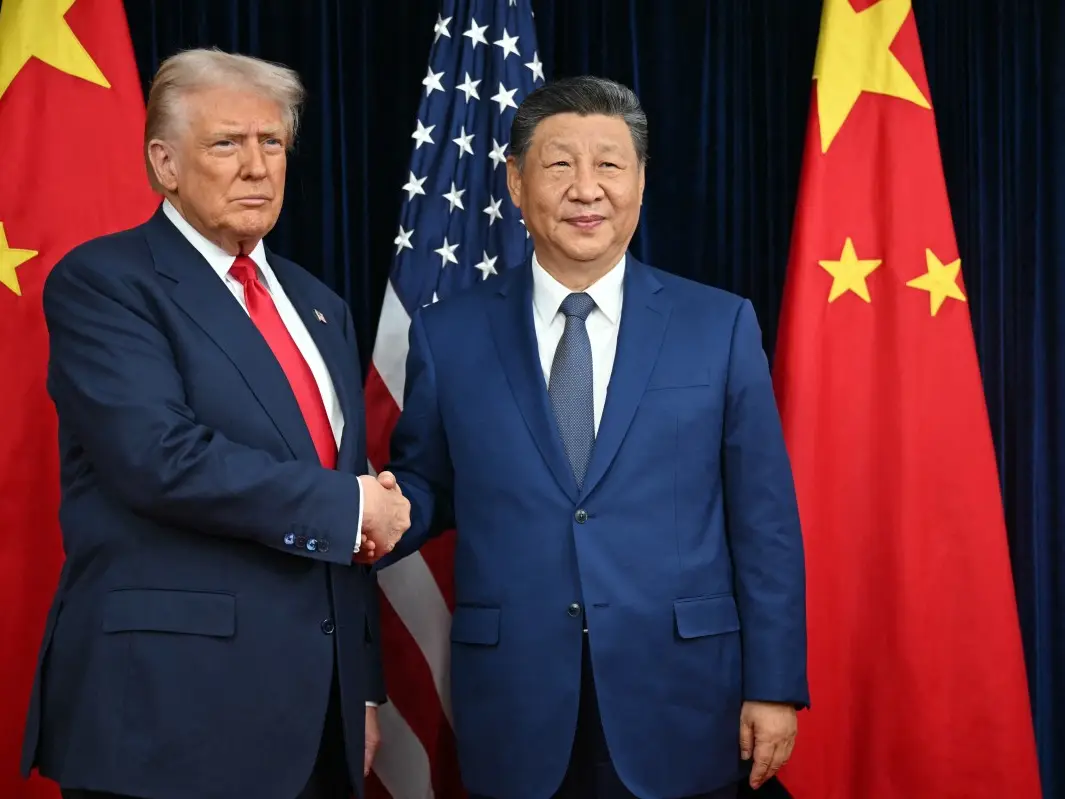
The latest round of US-China trade talks concluded in London with both sides declaring a new truce, but key issues surrounding national security-linked export controls remain unresolved, casting a shadow over hopes for a comprehensive long-term agreement.
While US President Donald Trump hailed the deal as a “great success”, people familiar with the matter confirmed to Reutersthat the compromise excludes crucial components like military-grade rare earth exports and advanced technology restrictions.
According to two individuals briefed on the negotiations, Beijing has yet to commit to lifting its export restrictions on certain specialised rare-earth magnets essential to US military suppliers, particularly those used in fighter jets and missile systems.

In parallel, the US maintains its export curbs on cutting-edge AI chips that it fears could have military applications in China. This unresolved tension forms a significant obstacle to any broader trade resolution.
At the London discussions, Chinese negotiators reportedly linked progress on easing restrictions on rare-earth magnets with the longstanding US controls on AI chip exports. This marked a shift from the original trade dialogue, which had centred on tariff adjustments and China’s trade surplus.
The emerging focus on export controls, especially in sectors vital to defence and next-generation technologies, signals a deeper strategic competition between the two powers.
Trending Stories
)
AI kill switch explained: Why shutting down a dangerous AI may not be as simple as pressing a button
)
Putin's United Russia party wins 355 seats in Duma election; 4 other parties cross threshold to enter parliament
)
US ships in Indian Ocean ‘will be attacked’ if war resumes, warns Iran
)
Delhi Air pollution: Strict crackdown on waste burning
)
SNL UK takes aim at Ed Sheeran with AI Princess Diana sketch
)
‘0% chance’: Nvidia CEO Jensen Huang dismisses AI extinction fears by 2030
&im=FitAndFill=(700,400))
What TSMC's 2nm technology means for Apple
)
Trump says he'll build an 'AI Force' and appoint a czar, for 'high IQ' people only
)
'Were you here to sell chickpeas?': Wasim Akram criticises Babar Azam's captaincy
)
Apple reportedly building AI server with M8 Ultra chips, may use Nvidia technology
)
TIFF 2026: Theja Rio’s Angh wins Platform Prize, puts Nagaland story on global stage
)
BTS' fans question iHeartRadio’s treatment of group after brief festival set
)
Glitch in the matrix caught on camera: Woman vanishes after talking to reporter
)
Samsung raises Galaxy S26 prices by Rs 20,000: Here’s what each model now costs
)
Fleming's aspirations as England Test coach include WTC, top ranking and Ashes
)
Operation Sindoor’s hidden naval dimension | MoD reveals Indian Navy Special Forces joined May 7 strikes
)
J&K Assembly Session begins amid chaos: BJP, ruling alliance clash as statehood demand dominates
)
Trump-Xi summit: US Treasury Secretary holds meeting with Chinese Vice Premier
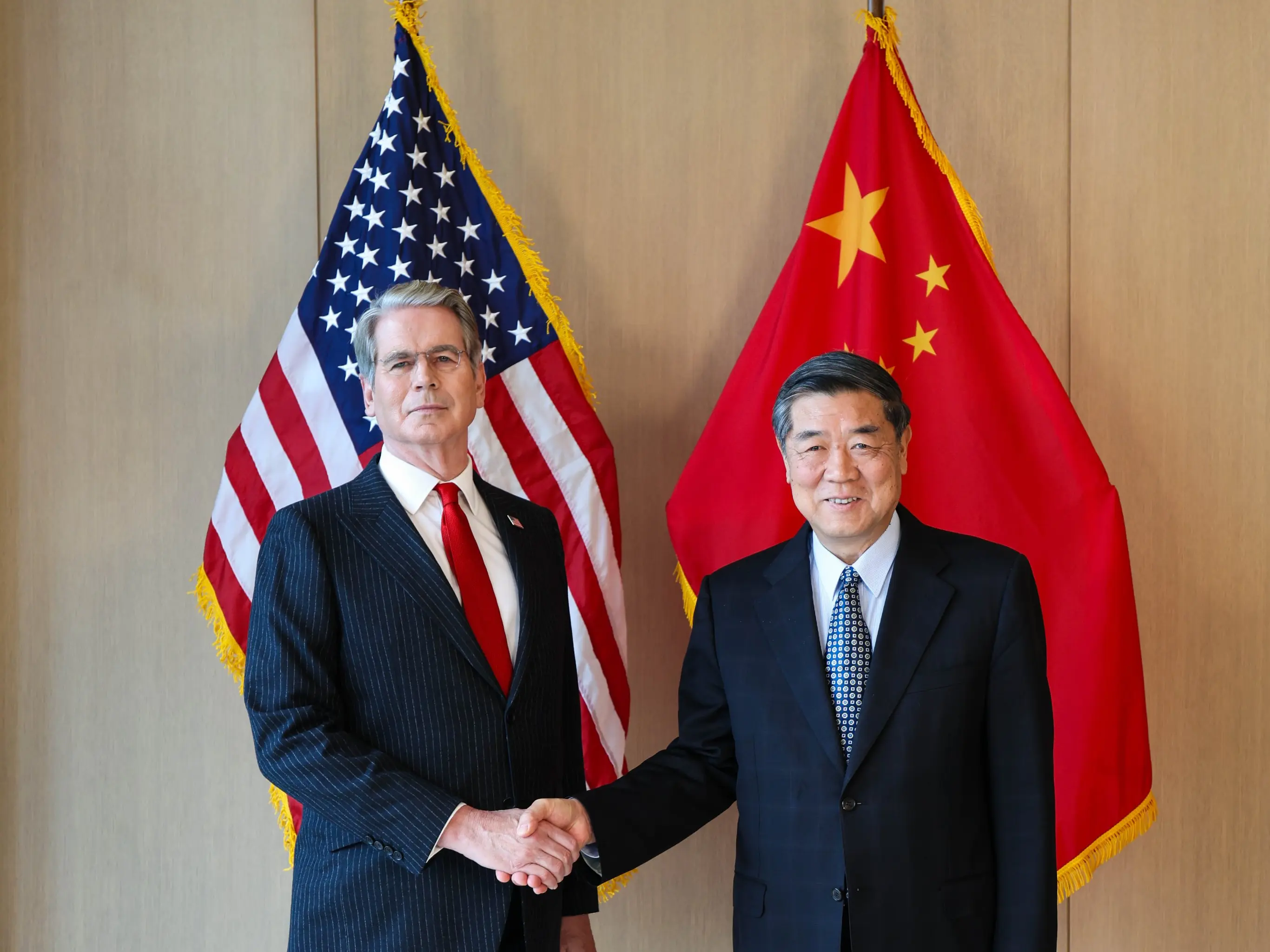)
Bessent meets China’s He Lifeng to prepare for Trump-Xi summit
)
S Jaishankar, former Army chief among high-profile names issued Delhi SIR notices
)
CDU suffers historic defeat in eastern Germany as AfD surges, Merz vows to stay on
)
Iran sets 7 conditions to end war with US: What are Tehran’s demands?
)
Arvind Kejriwal, family members, Delhi CM Rekha Gupta get SIR notices
)
AI actress Tilly Norwood glitches mid-interview, switches from English to Chinese | Watch
)
Saudi vs Houthis: Houthis claim missiles & drones used in attack on key Saudi sites
)
Punjab man consumes poison outside DC office; Congress, BJP target AAP government
)
Saudi Arabia exits China-led mBridge digital currency platform amid Saudi-Houthi conflict
)
ICE shooting in Texas leaves man seriously injured; officials demand independent investigation and transparency
)
'Lot of things to learn from experienced players': Jayasuriya backs Rohit, Virat for 2027 ODI World Cup
)
Chancellor Friedrich Merz vows to stay on as exit polls signal major poll setback
)
Taylor Swift has a 'proud wife' moment as Travis Kelce scores first touchdown of season: 'That’s my husband!'
)
Several petrol pumps, other businesses to refuse UPI payments above Rs 2,000 from Oct 16: Is it legal?
)
Mahabharat actor Saurav Gurjar arrested in Hyderabad, sent to 14-day judicial custody in sexual exploitation case
&im=FitAndFill=(700,400))
New OTT releases this week (September 21-27, 2026): Shaque: Trust No One, Hunkkaar, Don’t Be Shy- 5 new titles coming to Netflix, Prime Video and more
)
Noel Tata challenges Chandrasekaran’s reappointment as Tata Sons chairman. What happened at the board meeting
&im=FitAndFill=(700,400))
Kareena Kapoor birthday special: Inside her net worth, best movies, luxurious lifestyle and love story with Saif Ali Khan
)
Pilot recreates Mona Lisa in sky over Oklahoma and Arkansas in four-hour flight: VIDEO
)
Delhi: Flagged voters remain on the draft roll but face hearings
)
China now makes advanced memory chips without the machines it was banned from buying
)
Jailer 2: Vidya Balan joins Rajinikanth's upcoming film as Kantha | Watch
)
Microsoft executive called AI training the ‘largest theft of labour in human history’
)
Italy moves to ban face veils in schools as Meloni pushes new integration measures
Limited gains on rare earths and tariff relief
Although both sides emerged from the talks with what they described as a framework to de-escalate trade tensions, key concessions remain narrow in scope. China has agreed to expedite the approval of export licences for rare earths bound for non-military US manufacturers.
These fast-track approvals are expected to be valid for six months and would apply to companies seen as “trusted” by Beijing. Additionally, a “green channel” has been proposed to facilitate smoother processing for select US firms.
Chinese rare-earth magnet producer JL MAG Rare-Earth confirmed it had received export licences that included shipments to the United States, while the Chinese Commerce Ministry acknowledged approval of compliant applications.
However, rare earth elements like samarium—vital for military applications—remain excluded from this arrangement. Automakers, who primarily use dysprosium and terbium in electric motors and braking systems, will benefit more directly from the current terms than the defence industry.
Meanwhile, US officials indicated plans to extend existing tariffs on China by another 90 days beyond the August 10 deadline agreed in Geneva, signalling that a more permanent agreement is not expected before then.
Rare earths as strategic leverage
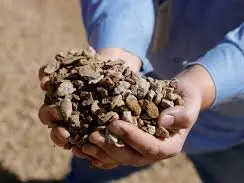
Rare earth elements—17 minerals crucial to modern manufacturing—have emerged as a strategic bargaining chip in the ongoing trade conflict. China mines around 70 per cent of the world’s rare earths and processes nearly 90 per cent, giving it a near-monopoly in this domain.
Beijing’s dominance also extends to related products such as rare earth magnets, which are critical not only to the auto and electronics industries but also to advanced weapons systems.
Earlier this year, China imposed export controls on seven key rare earths and related products in response to US tariff escalations. These restrictions, which affected elements such as samarium, dysprosium, and gadolinium, created significant bottlenecks for global manufacturers, particularly in the automotive sector.
The impact was swift and deep: Chinese customs data revealed that US imports of rare earths dropped 37 per cent in April, while rare earth magnet imports fell by over 50 per cent.
The Geneva truce in May temporarily eased tensions by reducing US tariffs from 145 per cent to 30 per cent and Chinese duties from 125 per cent to 10 per cent. However, the apparent stall in Beijing’s efforts to roll back its rare earth export controls led to renewed friction. The London agreement was widely seen as an effort to stabilise the situation before the tariff pause expired.
Structural barriers and strategic deadlock
Despite the temporary nature of the latest deal, structural issues remain entrenched. China’s control over the rare earth supply chain is backed by decades of investment, state support, and aggressive pricing strategies that forced global competitors out of business.
Efforts by Western countries to diversify supply chains have made limited progress. Export licences issued by Beijing often apply to single shipments or are valid for only six months, making long-term planning difficult for manufacturers.
Experts note that Beijing’s licensing regime, once seen as a retaliatory measure, is now being institutionalised as a permanent feature of China’s trade policy. This allows China to deter rare earth stockpiling by US firms and maintain strategic leverage in future negotiations.
Furthermore, China has expanded its export control framework to other critical minerals such as tungsten, essential for semiconductor and military-grade tools. These moves, combined with the US’s continued efforts to curb China’s access to advanced AI technologies, signal a decoupling trend that extends beyond trade into strategic and technological spheres.
While the US has secured some concessions, analysts remain sceptical about the prospects of a lasting resolution. Chinese commentators, including those at the Chinese Academy of Social Sciences, warn that the fundamental trade imbalance and broader geopolitical mistrust may prevent any comprehensive agreement during President Trump’s current term.
In the meantime, industries reliant on rare earths, especially automotive, aerospace, and defence, are bracing for continued volatility. With Beijing unlikely to relinquish its dominance and Washington unwilling to compromise on technology exports, the London truce appears more like a tactical pause than a strategic breakthrough.
(With inputs from agencies)