Trump’s aid cuts stall global water projects, exposing millions to new risks

&imwidth=600&imheight=450&format=webp&quality=medium "Trump’s aid cuts stall global water projects, exposing millions to new risks")
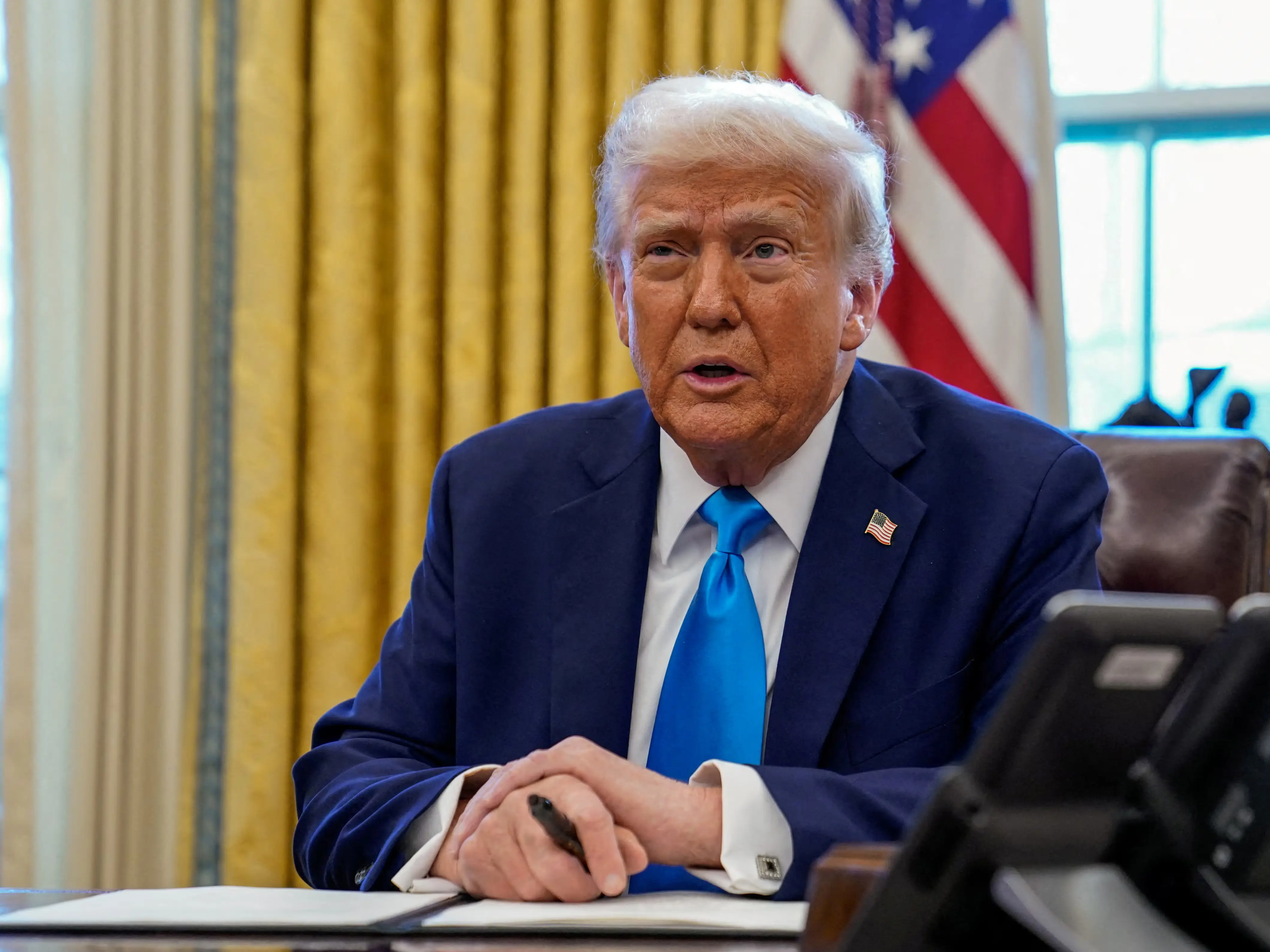
US President Donald Trump speaks as he signs documents in the Oval Office at the White House in Washington. Photograph: (Reuters)
The Trump administration's significant cuts to US foreign aid have led to the abandonment of essential water and sanitation projects in developing countries, putting vulnerable populations at risk of disease and insecurity.
The Trump administration’s sweeping cuts to US foreign aid have left dozens of critical water and sanitation projects abandoned midstream across developing countries, exposing vulnerable populations to mounting risks of disease, displacement, and insecurity.
As per an exclusive investigation by Reuters, at least 21 water-related infrastructure projects in 16 countries have been halted after Washington froze hundreds of millions of dollars in funding earlier this year. The abrupt policy reversal has not only stranded construction sites but also endangered the lives of millions who had been promised clean drinking water and sanitation facilities by the United States.
From cement sacks to security threats
Projects once seen as symbols of US goodwill now lie incomplete, pipes rusting, trenches open, and bags of cement gathering dust. In Nepal, construction of over 100 water systems was paused, with 6,500 cement bags and vital plumbing material left idle. The Himalayan nation now plans to complete the job with domestic funds, according to Water Minister Pradeep Yadav.
In Kenya’s Taita Taveta County, work on a key irrigation canal was stopped abruptly, with only 220 metres of a planned 3.1-kilometre channel built. Local leaders warn of a looming flood disaster, as unplastered canal walls may collapse during heavy rains, endangering lives and farmland. “Without plaster, the walls will collapse in heavy rain,” warned community leader Juma Kobo.
According to internal memos accessed by Reuters, only 15 per cent of a five-year, $100 million USAID project in Kenya had been completed before contractors were told to withdraw. Nearly $100,000 worth of unused materials remain exposed to looting and degradation.
Trending Stories
&imwidth=280&imheight=210&format=webp&quality=medium)
&imwidth=280&imheight=210&format=webp&quality=medium)
&imwidth=280&imheight=210&format=webp&quality=medium)
&imwidth=280&imheight=210&format=webp&quality=medium)
&imwidth=280&imheight=210&format=webp&quality=medium)
&imwidth=280&imheight=210&format=webp&quality=medium)
&imwidth=280&imheight=210&format=webp&quality=medium)
&imwidth=280&imheight=210&format=webp&quality=medium)
&imwidth=280&imheight=210&format=webp&quality=medium)
&imwidth=280&imheight=210&format=webp&quality=medium)

&imwidth=280&imheight=210&format=webp&quality=medium)
&imwidth=280&imheight=210&format=webp&quality=medium)
&imwidth=280&imheight=210&format=webp&quality=medium)
&imwidth=280&imheight=210&format=webp&quality=medium)
&imwidth=280&imheight=210&format=webp&quality=medium)
&imwidth=280&imheight=210&format=webp&quality=medium)
&im=FitAndFill=(700,400)&imwidth=280&imheight=210&format=webp&quality=medium)
&imwidth=280&imheight=210&format=webp&quality=medium)
&imwidth=280&imheight=210&format=webp&quality=medium)
&imwidth=280&imheight=210&format=webp&quality=medium)
&imwidth=280&imheight=210&format=webp&quality=medium)
&imwidth=280&imheight=210&format=webp&quality=medium)
&imwidth=280&imheight=210&format=webp&quality=medium)
&imwidth=280&imheight=210&format=webp&quality=medium)
&imwidth=280&imheight=210&format=webp&quality=medium)
&im=FitAndFill=(700,400)&imwidth=280&imheight=210&format=webp&quality=medium)
&imwidth=280&imheight=210&format=webp&quality=medium)
&imwidth=280&imheight=210&format=webp&quality=medium)
&imwidth=280&imheight=210&format=webp&quality=medium)
&imwidth=280&imheight=210&format=webp&quality=medium)
&imwidth=280&imheight=210&format=webp&quality=medium)
&imwidth=280&imheight=210&format=webp&quality=medium)

&imwidth=280&imheight=210&format=webp&quality=medium)
&im=FitAndFill=(700,400)&imwidth=280&imheight=210&format=webp&quality=medium)
A separate memo by the US embassy in Nairobi, cited by Reuters, noted the “reputational risk” from leaving such projects unfinished, suggesting that extremist groups like al Shabaab could exploit public anger to bolster recruitment.
Lebanon, Congo, and a global toll
In Lebanon, a USAID-backed initiative to supply solar-powered water utilities was cancelled, costing 70 jobs and forcing utilities back onto costly diesel systems, energy adviser Suzy Hoayek told Reuters. Meanwhile, in conflict-ridden eastern Congo, abandoned water kiosks now double as play areas for children. One mother, Evelyne Mbaswa, said her 16-year-old son disappeared after venturing out to fetch water.
“These cuts are not just numbers on a budget sheet,” said Tjada D’Oyen McKenna, CEO of Mercy Corps. “This is the unraveling of progress, stability and human dignity.”
Research published in The Lancet warned that the aid rollbacks could result in an additional 14 million deaths by 2030, many from preventable diseases linked to unsafe water and poor sanitation.
Why Trump pulled the plug?
The Trump administration has defended the foreign aid rollback, saying US taxpayer money should benefit Americans first. According to Reuters, senior Republicans argue that agencies like USAID had drifted from core missions, funding “woke” projects such as LGBT rights initiatives in Serbia.
The water and sanitation programme had an annual budget of $450 million, a small share of the $61 billion in total US foreign aid. However, it had strong bipartisan support prior to 2025. A 2014 law that doubled water aid funding was passed unanimously by Congress.
Yet since January, the dismantling of USAID operations has also stalled food, medical and infrastructure aid across multiple continents. Although the US State Department has restored some emergency aid, Secretary of State Marco Rubio has said future assistance will be “more limited”.
One exception is Jordan, where a $6 billion desalination plant project was revived after direct diplomatic intervention by King Abdullah, according to Reuters.
But for countries like Ethiopia, Tanzania, and the Democratic Republic of the Congo, the future remains uncertain.
Local solutions, uncertain futures
In Kenya’s flood-prone Taita Taveta, residents are now scrambling for solutions. Community leaders plan to sell leftover cement and steel cables from the halted USAID site to fund basic backfilling.
Farmer Mary Kibachia, 74, whose home was flooded after the project halted, summed up the sentiment: “Where can I go? This is home.”