
&imwidth=800&imheight=600&format=webp&quality=medium "Trump administration tightens rules for wind and solar subsidies")
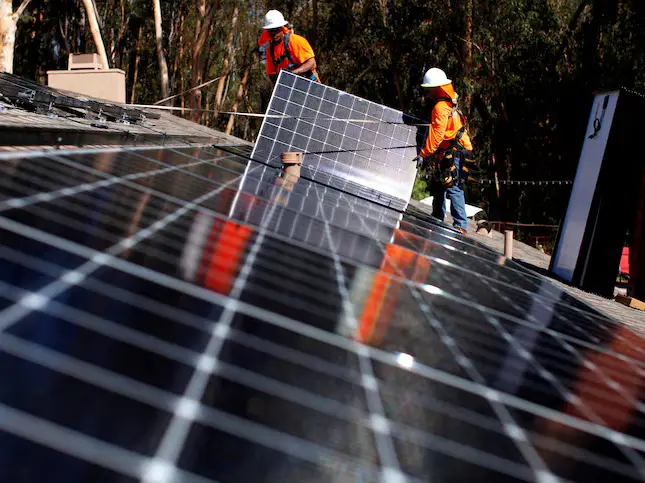
The Trump administration on August 15 announced sweeping changes to how solar and wind projects qualify for federal tax subsidies, adding another hurdle for clean-energy developers already facing a compressed timeline to secure benefits before they phase out. The US Treasury Department’s new rules, which take effect September 2, require utility-scale renewable projects to demonstrate “substantial and continuous physical work” to be considered under construction, eliminating a long-standing practice that allowed developers to qualify by spending at least 5 per cent of project costs up front.
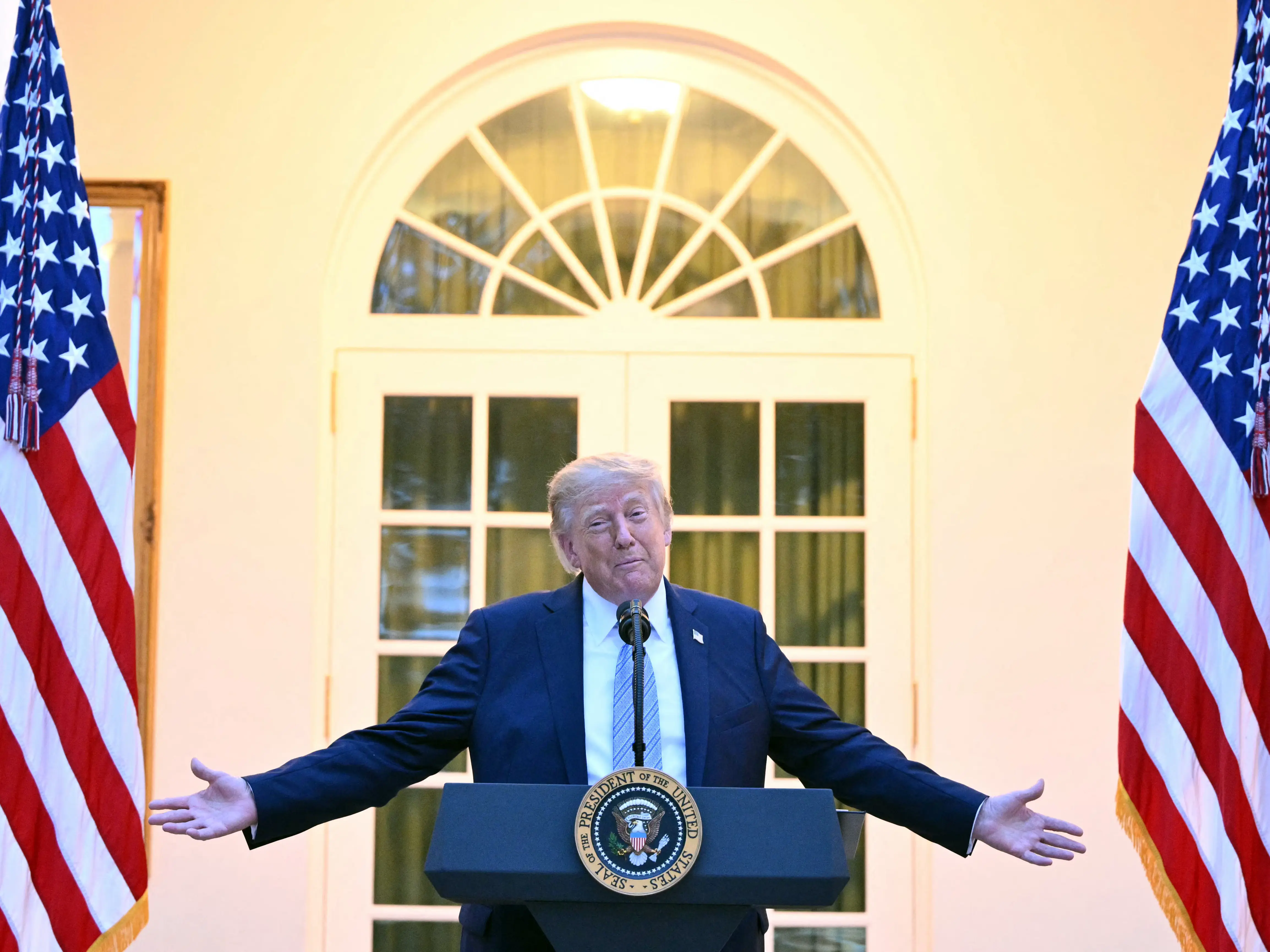
The stricter eligibility standards follow an executive order signed by US President Donald Trump last month directing the Treasury to restrict credits to facilities that had progressed beyond permitting, design, or component procurement. Small projects under 1.5 megawatts, including most residential solar systems, will still be able to use the 5 per cent safe-harbor provision.
Tax credits at stake

Under Trump’s newly enacted One Big Beautiful Bill Act, projects must begin construction by July 2026 or enter service by 2027 to qualify for a 30 per cent investment tax credit, plus additional bonuses. Previously, under the Inflation Reduction Act, developers had until 2032 to commence construction. The compressed timeline and elimination of the safe-harbor rule could put thousands of projects in jeopardy. BloombergNEF estimates more than 2,500 announced wind and solar projects, with a combined generating capacity equal to 383 nuclear reactors, have yet to break ground and could be affected. Industry analysts say the new rule is likely to favour large, well-capitalised developers with projects already underway.
Industry backlash and market response
Clean-energy trade groups sharply criticised the move, arguing it undermines Congressional intent and will delay the buildout of affordable power. Despite industry alarm, shares of large solar companies rallied on August 15, with Sunrun rising as much as 28 per cent, NextEra Energy up 5 per cent, and NexTracker nearly 9 per cent, as investors bet major players were better positioned to weather the stricter rules.
Trending Stories
)
Oxford United's new clothing line featured 'United 93' phase
&im=FitAndFill=(700,400))
‘Not the US or China’: These are the countries leading the world in arable land
)
Pentagon revives mandatory testosterone testing for male troops aged 30 and above
)
Mark Carney mimics Trump in hilarious moment over C$70 billion clean-energy investment; room erupts in laughter
)
Iran rebuilding nuclear facilities? New satellite images show Tehran may be rapidly restoring bombed Parchin base
)
It's a girl! Deepika Padukone and Ranveer Singh welcome their second child
)
FACT CHECK: Why did PM Modi ask Xi ‘is it okay’ at BRICS Summit? New video reveals...
)
Putin: European leaders using war rhetoric to save falling ratings
)
China may have gained access to US's classified F-35 jets; parts meant for repairs diverted to Hong Kong, sparking Pentagon inquiry
)
Trump announces ‘AI Force’ as debate grows over AI risks and regulation
)
Arvind Kejriwal, family members, Delhi CM Rekha Gupta get SIR notices
)
Cochin shipyard starts building Indian Navy's next-gen missile vessels
)
Russia extends ban on Western food imports for two more years in extended sanctions countermeasure
)
Brigitte Bardot’s private collection set for Paris auction; key items and prices revealed
)
Why Ranveer Singh’s Dhurandhar missed India’s Oscar entry; FFI jury member reveals what happened
)
How did an Australian river with 500 crocodiles pass the Olympic test? Here's how
)
‘Will go to any extent’: Pakistan vows to defend Saudi Arabia amid Houthi attacks
&im=FitAndFill=(700,400))
Ananya Panday to Sharvari: 5 actresses serving major princess vibes
66 years of the Indus Waters Treaty: How India and Pakistan settled a bitter river dispute
)
The Verdict | When precision fails: US commits war crime in Minab school strike, UN finds
)
Trump signs Russia sanctions bill into law, targets Moscow’s energy sector
Russia attacks Ukraine with 174 drones, kills 8; 2 vessels hit in Black Sea
)
Pak: A series of counter terrorism operations in Khyber Pakhtunkhwa
)
Flying cars in UAE: Ras Al Khaimah signs deal with Chinese company to test new transport
)
Reacher star Alan Ritchson opens up about alleged blackmail, suicide attempt during difficult period
)
Africa is splitting, and a lot sooner than estimated, giving way to a new ocean
)
Ajit Agarkar’s future as chief selector to be decided at right time, says BCCI secretary
)
Trump bans CNN, MS NOW and Politico from White House over ‘FAKE NEWS’
)
Trump 2.0: Dark days ahead for America’s ‘imperial presidency’
&im=FitAndFill=(700,400))
How many F-35s does Britain, Japan and Israel have?
)
Tirupati Laddu ghee adulterated with chemicals, says ED, supplier arrested
)
Trump extends H-1B visa's $100,000 fee until September 2027: What it means for Indians?
)
Russia holds first parliamentary elections since the beginning of the Ukraine war
&im=FitAndFill=(700,400))
Meet top 5 Indian batters with fastest T20I centuries
)
‘System run by six individuals’: Rahul Gandhi targets PM Modi, Amit Shah, NSA Doval
)
)
Still, analysts warn the changes will slow US renewable expansion. BloombergNEF projects annual installations of clean energy could plunge 41 per cent after 2027 as tax credits expire. That outlook comes at a time when the US faces surging power demand from data centres and AI-driven industries, leaving policymakers with fewer low-cost options to meet growth.
Mounting pressure on clean energy
Since taking office in January, Trump has made no secret of his scepticism toward wind and solar, calling them unreliable and dependent on Chinese supply chains. His administration has already cancelled federal permits for major projects and ordered new reviews that further delay development. While large developers such as NextEra and AES Corp. have signalled they can ride out the new rules, the broader industry faces uncertainty.
With solar, wind, and batteries making up 96 per cent of new US power capacity added last year, the Treasury’s latest move could reshape the nation’s clean-energy trajectory and raise costs for households and businesses alike.
(With inputs from agencies)