
&imwidth=800&imheight=600&format=webp&quality=medium "SBI’s fraud tag on Anil Ambani sparks legal challenge: Was due process ignored?")
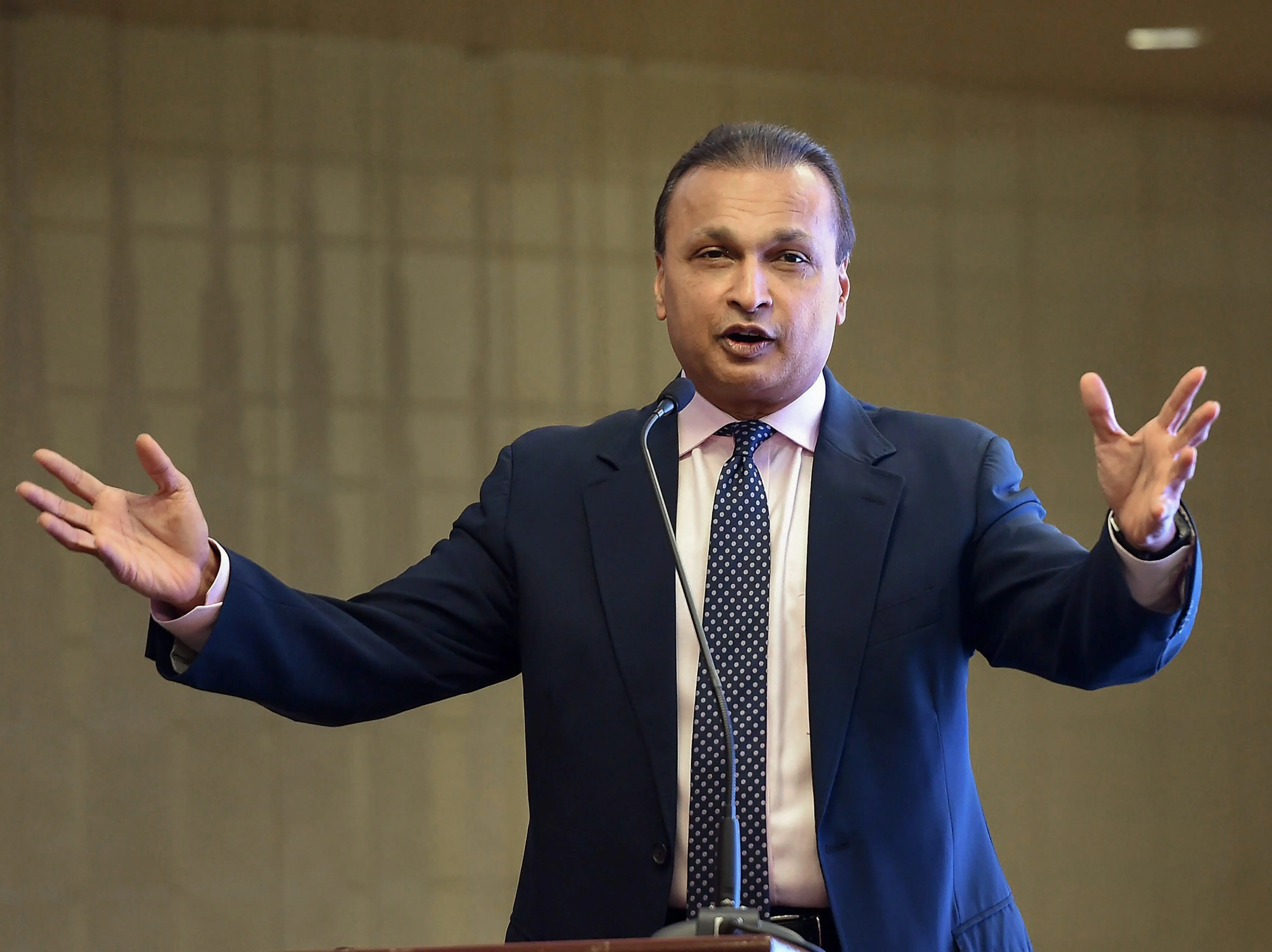
India’s largest lender, the State Bank of India (SBI), is reportedly under fire for classifying Reliance Communications (RCOM) and its former director, Anil D. Ambani, as fraud. The move, passed through an ex-parte order in June 2025, has been branded “arbitrary and discriminatory” by Ambani’s counsel, who argue that the decision violates the principles of natural justice laid down by the Supreme Court.
Counsel’s objections to SBI’s move
According to Zee Business, Ambani’s lawyers say SBI’s Fraud Identification Committee passed its order without giving him a personal hearing, a requirement mandated by multiple rulings, including SBI v. Rajesh Agarwal (2023), T. Takano v. SEBI (2022), Milind Patel v. Union Bank of India (2024), and Ankit Bhuwalka v. IDBI Bank (2025).

The counsel further alleges that SBI withheld key annexures of the forensic audit report. One annexure, meant to contain revenue breakup details, was reportedly shared in an incomplete form showing only icons instead of data sheets. This, they argue, deprived Ambani of a fair chance to respond.
Adding to this, SBI had in April 2025 withdrawn show-cause notices against five non-executive directors of RCOM, including former SBI chairman Arun Purwar and ex-LIC chief Raj Narain Murari L. Bhardwaj, acknowledging they had no role in daily operations. Yet Ambani alone continues to face fraud action, raising concerns of selective treatment.
What makes the matter more complex is the stance of other lenders. On 10 July 2025, Canara Bank, another consortium member, unconditionally withdrew its fraud classification against RCOM and Ambani before the Bombay High Court. As per PTI, the bank admitted the classification “could not be sustained in law.” This contradiction within the lenders’ consortium highlights a lack of uniformity.
Trending Stories
)
Trump-Xi Summit: Trade, Taiwan and the red lines shaping US-China talks | Race To Power
)
US citizen injured in Illinois after ICE agents mistook him for fugitive, hospitalised
)
US judge questions Trump’s decision to ban CNN, MS NOW and Politico from White House
)
Afghan woman cyclist who disguised herself as a boy to escape Taliban, wins Asian Games medal
)
'There will be elections': Venezuela's interim leader Delcy Rodriguez makes big announcement at UN
)
IIT Bombay CCTV footage emerges: Sahil Wakode seen looking at phone in examination hall
)
Cyclone Arnab: Landfall expected before midnight tomorrow as IMD issues orange alerts across six states
)
9 killed, several injured as tourist bus catches fire on Yamuna Expressway
)
NBA player Steven Adams shares hilarious GTA VI theory
)
WION Iconic Tourism Summit 2026: Union Minister Shekhawat on 'experiential travel', peace diplomacy
)
ICC plans T20I expansion and fewer ODIs in 2027–2031 FTP cycle: Report
)
'AI got into my speech': Prince Harry jokes after teleprompter failure at event in New York
)
Scientists detect first radio signals directly from faraway planet
)
China to test supersonic jet that moves at Mach 2, double the speed of sound
)
WION Iconic Tourism Summit: 'Hanuman Ansh' Director on blockbuster success
)
Open AI, Anthropic CEO urges caution over rapid AI development at UN Security Council, call for 'extreme care'
)
Bomb scare in New York amid UNGA: Suspicious suitcase found near UN headquarters
)
Hours before Xi-Trump meeting, US announces visa curbs targeting birth tourism: What is it?
)
'Partners rather than rivals': Xi Jinping's first message after landing in US for Trump summit
)
WION Iconic Tourism Summit: Is India's travel boom outrunning its airports, airlines and hotels?
)
WION Iconic Tourism Summit and Awards 2026: Key voices to discuss India’s tourism future
&im=FitAndFill=(700,400))
New OTT releases this week (September 21-27, 2026): Shaque: Trust No One, Hunkkaar, Don’t Be Shy- 5 new titles coming to Netflix, Prime Video and more
)
WATCH | China President Xi Jinping lands in US as Trump greets him ahead of high-stakes summit
)
Australian PM Anthony Albanese calls OpenAI AI incident 'unacceptable' after restricted data access
)
'What kind of confession is this?': Pakistan PM Shehbaz Sharif’s 'terrorists would be roaming New York' remark goes viral, raises alarm online. Watch
)
WION Iconic Tourism Summit: How local tourism MSMEs must upskill for AI integration
)
Eight USS Abraham Lincoln sailors attempted suicide, Acting Navy Secretary says
)
Pilot recreates Mona Lisa in sky over Oklahoma and Arkansas in four-hour flight: VIDEO
)
Elephants hide behind trees, stage surprise attack on poachers targeting rhinos in South Africa
)
'Putin is patient zero': Zelensky slams Russian president at UNGA, accuses him of using fighters from 47 countries
&im=FitAndFill=(700,400))
National Film Awards 2026: Kartik Aaryan, Mammootty, Yami Gautam, Randeep Hooda and other key winners
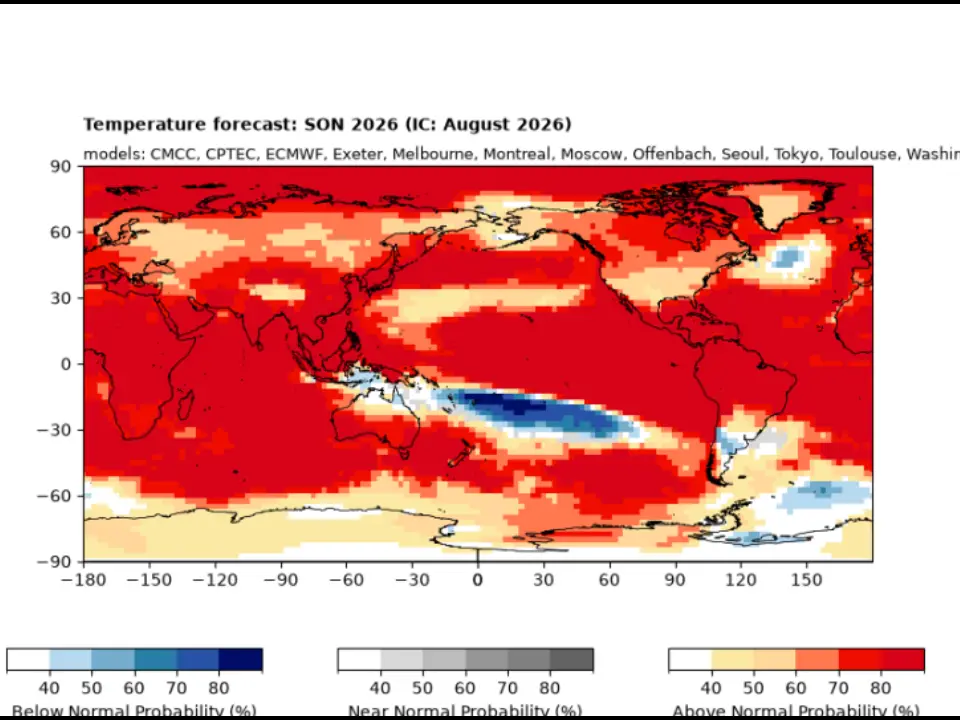)
El Niño 2026 heats up to become strongest in 1,000 years
)
Israeli envoy to US Yechiel Leiter’s son critically injured in West Bank ramming attack
&im=FitAndFill=(700,400))
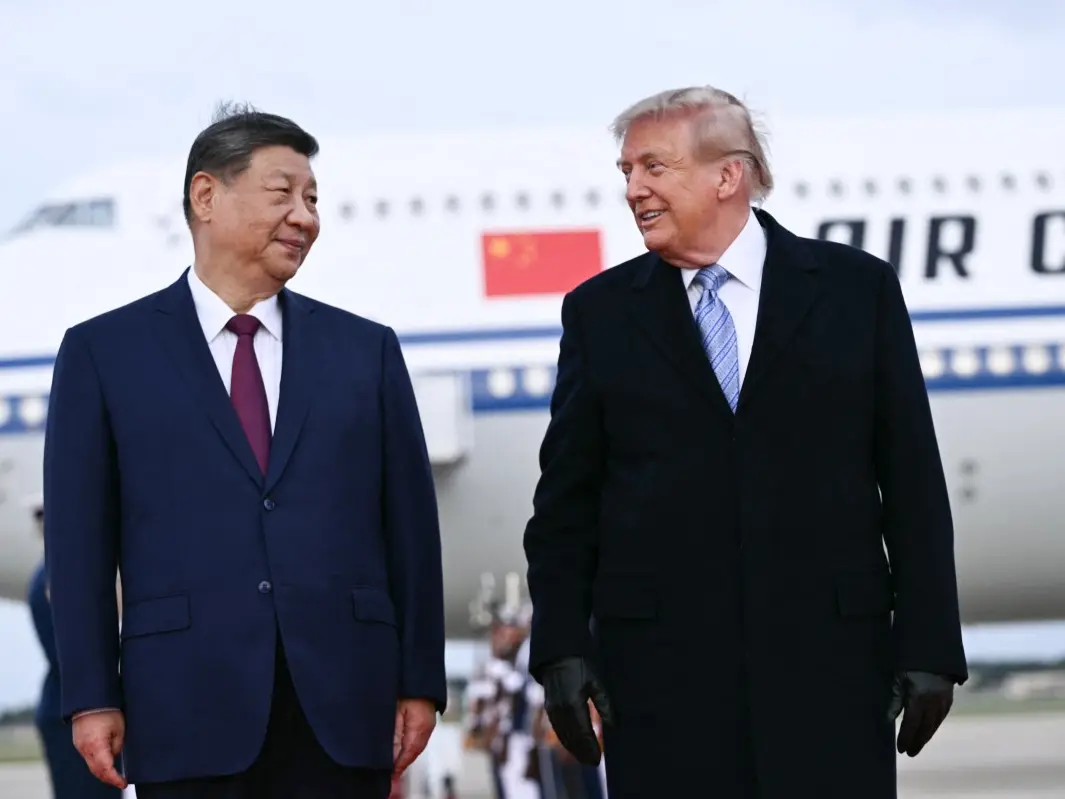
Trump welcomes Xi Jinping in rare airport gesture: Photos from Chinese President's arrival in US
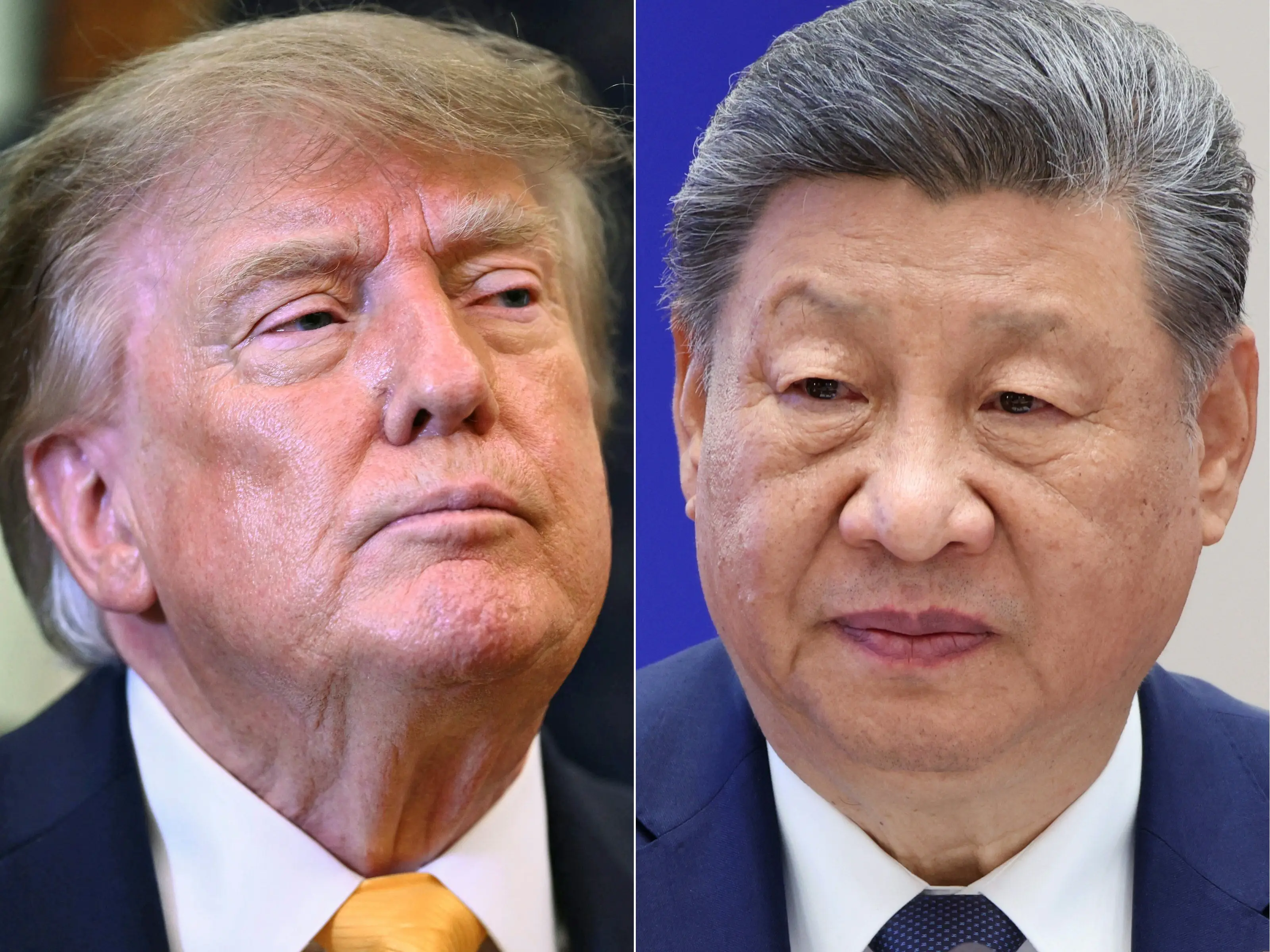)
Xi-Trump meeting: China’s human rights red line and past protests explained
SBI’s position
SBI, for its part, maintains that its order is consistent with the Reserve Bank of India’s Master Directions on fraud reporting. The bank points to findings of fund diversion and irregularities in loan agreements, based on a forensic audit of RCOM’s accounts. As reported by Reuters, the bank argues that it is duty-bound to report fraud cases to the RBI and file complaints with investigative agencies.
Why this matters?
Fraud classification has far-reaching consequences. Once tagged, borrowers and guarantors lose access to institutional credit for five years, and banks are required to lodge criminal complaints.
For Ambani, this action adds to a series of regulatory setbacks. As per Bloomberg, insolvency proceedings continue at the NCLT over his personal guarantees, including a ₹1,385 crore ($166 million) exposure to SBI. In July 2025, the Enforcement Directorate conducted raids on Ambani-linked firms in connection with alleged diversion of Yes Bank loans, according to PTI.
Meanwhile, SEBI in August 2025 rejected Ambani’s settlement plea in the Reliance Mutual Fund–Yes Bank AT1 bonds case, citing investor losses of ₹1,828 crore ($220 million), as reported by the New Indian Express. The government also told Parliament in July 2025 that SBI’s exposure to RCOM stood at over ₹3,000 crore ($360 million), including ₹2,227 crore in fund-based loans, as reported by Moneylife.
A long and winding legal battle
This is not the first time Anil Ambani and Reliance Communications have been caught in disputes with lenders over fraud classification. The saga dates back to November 2020, when SBI first declared RCom’s loan account fraudulent. In January 2021, SBI even lodged a complaint with the Central Bureau of Investigation (CBI), before the Delhi High Court stepped in and stayed the move, as per Reuters.
In March 2023, the Supreme Court ruled that borrowers must be given a hearing before such a classification. Following this verdict, SBI withdrew its fraud tag in September 2023. But the relief was short-lived. Between December 2023 and September 2024, fresh show-cause notices were issued to RCom and Anil Ambani. On 23 June 2025, SBI reinstated the fraud classification against the company, as reportedby PTI.
Meanwhile, other lenders also shifted their stance. On 29 April 2025, SBI withdrew showcause notices against five non-executive directors of the company, while on 10 July 2025, Canara Bank informed the Bombay High Court that it had withdrawn its fraud classification against RCom, according to Reuters.
The government has also been drawn into the matter. In July 2025, it told Parliament that SBI’s exposure to Reliance Communications stood at over ₹3,000 crore ($360 million), including ₹2,227 crore ($267 million) in fund-based loans, as reported by Moneylife. The same month, the Enforcement Directorate conducted raids on firms linked to Ambani over alleged diversion of loans from Yes Bank, according to PTI.
Separately, the Securities and Exchange Board of India (SEBI) rejected settlement pleas filed by Anil Ambani and others in August 2025, in a case concerning Reliance Mutual Fund’s investments in Yes Bank’s additional tier-1 bonds. The regulator cited investor losses of ₹1,828 crore ($220 million) as the reason for not accepting the settlement, as reported by the New Indian Express.
Alongside these cases, insolvency proceedings continue against Ambani’s personal guarantees, including a ₹1,385 crore ($166 million) exposure to SBI, which is being heard by the Mumbai bench of the National Company Law Tribunal (NCLT), as per Bloomberg.
The bigger picture
At the heart of the dispute is a critical question that can Indian banks enforce accountability in high-profile defaults while respecting due process and judicial precedents?
SBI’s firm stance, contrasted with Canara Bank’s withdrawal, underscores the lack of uniformity in how lenders approach fraud classification. For Ambani, the outcome of this case could determine not just access to credit, but also his standing in multiple ongoing legal and regulatory battles.
(With inputs from the agencies)