Redefining Productivity: How a 70-hour workweek debate challenges conventional wisdom


NR Narayana Murthy
In a rapidly changing world where the boundaries between work and personal life continue to blur, the debate over a 70-hour workweek has taken center stage. NR Narayana Murthy's impassioned call for India's youth to work longer hours has ignited discussions on productivity, practicality, and the very essence of what it means to thrive in a technology-driven era.
To shed light on this multifaceted debate, we turn to Neeti Sharma, the Co-Founder and President of TeamLease EdTech, who brings her experience and insights to the forefront. With her finger on the pulse of the modern workforce, Sharma offers a unique perspective on the evolving landscape of productivity, the practicality of extended work hours, and the dynamic forces reshaping our work culture.
The productivity paradigm shift

At the heart of this debate is the notion of productivity. Traditionally, productivity was often measured by the number of hours worked. However, as Neeti Sharma, Co-Founder and President of TeamLease EdTech, points out, the definition of productivity has evolved. In today's world, where remote work and technology have changed the way we operate, it's no longer about the hours on the clock but about the outcomes.
Sharma highlights that people often end up working longer hours without realising it, especially with the rise of remote work. The blurred boundaries between professional and personal life have led to a reevaluation of how we define productivity.
The practicality predicament
)
Saudi vs Houthis: Houthis claim missiles & drones used in attack on key Saudi sites
)
Nepal forms 7-member panel to probe August 26 Bhotekoshi flood from source to downstream
)
Gaza under attack: Health chief's son killed in IDF strikes
)
Reacher star Alan Ritchson opens up about alleged blackmail, suicide attempt during difficult period
)
Delhi voter roll shake-up: 3.31 million electors flagged in SIR review
)
US-Iran war: Tehran draws red lines — seven demands before any peace talks
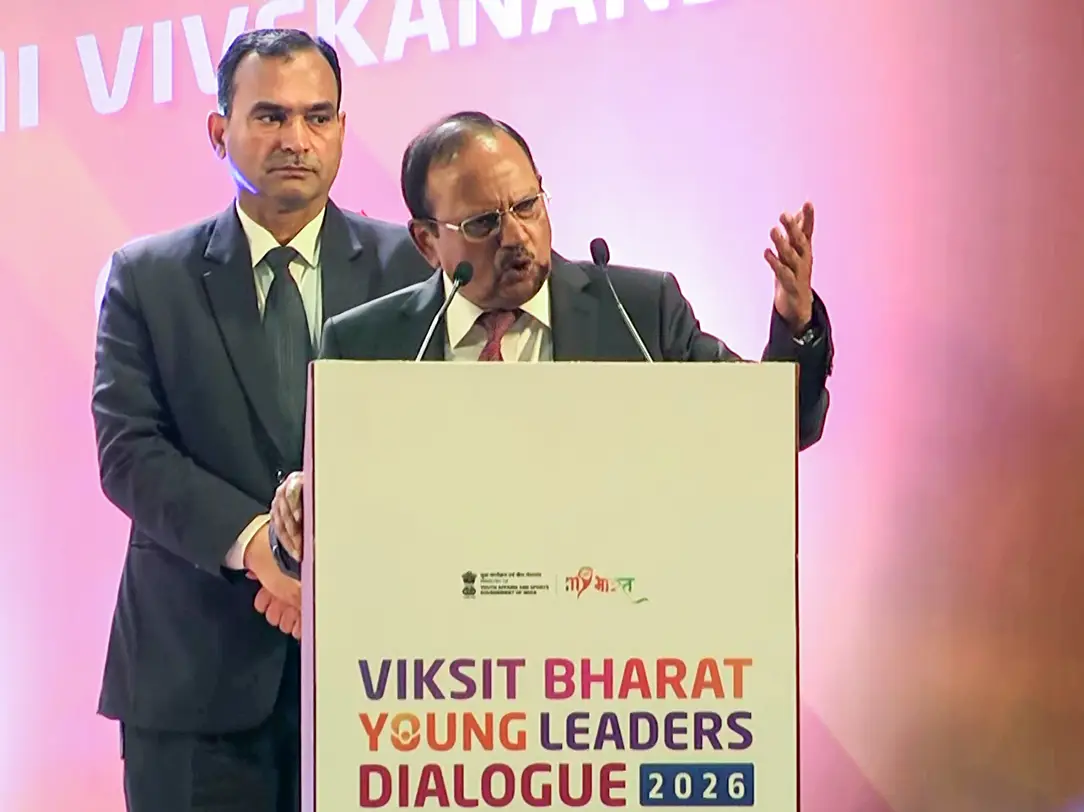)
‘End of my career...’: NSA Doval recalls tense Sikkim mission when China captured Indian intelligence team
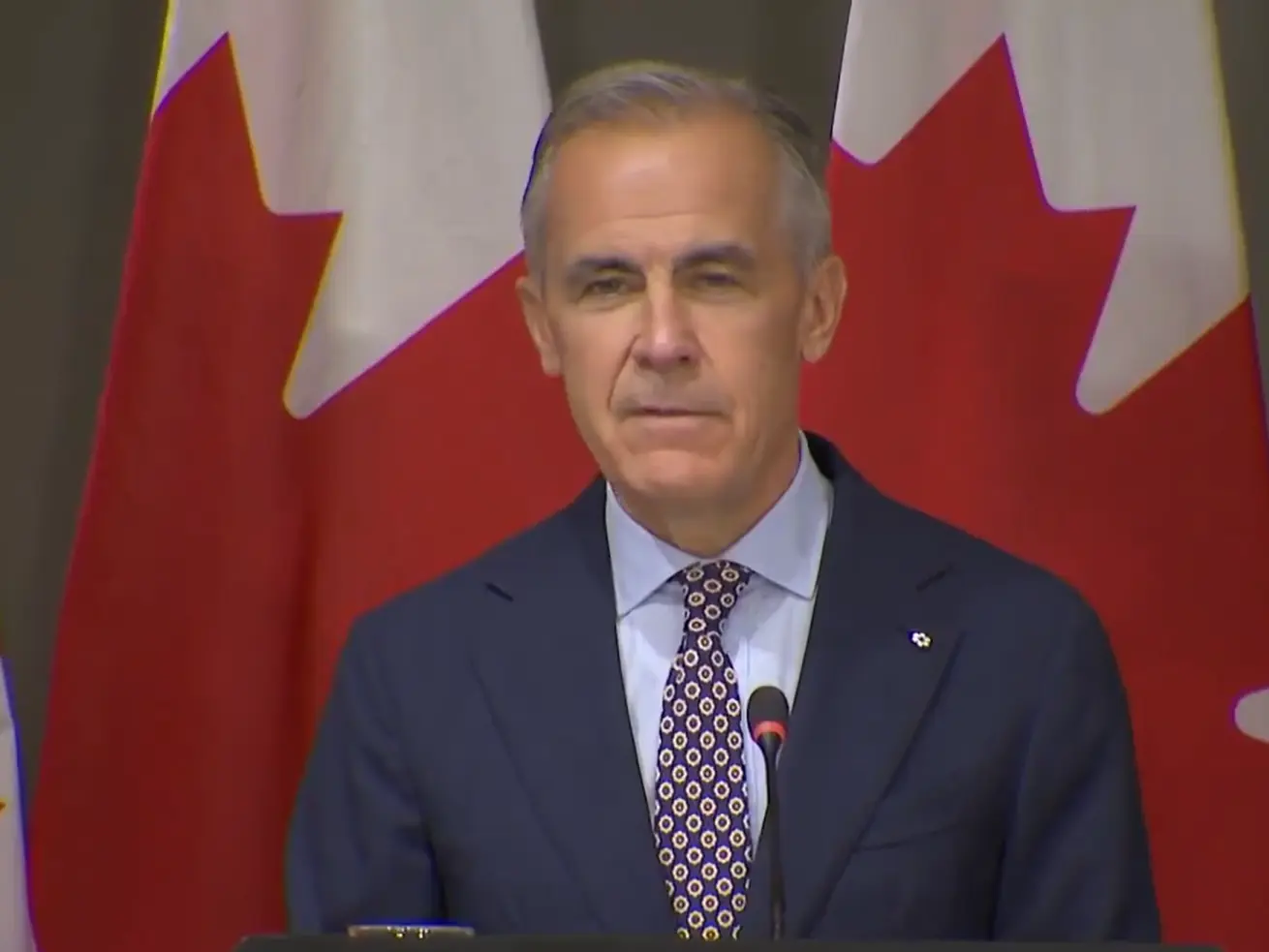)
Mark Carney mimics Trump in hilarious moment over C$70 billion clean-energy investment; room erupts in laughter
)
9 women found dead near Johannesburg: South Africans rally, demand 'enough' to femicide
)
Report: Iran rebuilding Taleghan 2, nuclear site tied to past weapons research, hit twice by Israel
)
Iran sets 7 conditions to end war with US: What are Tehran’s demands?
)
Harry Brook targets long reign at top of T20I rankings after Sri Lanka sweep
)
Russia's deadly Ukraine strikes kill 2 in Sumy, hit Dnipro mall
)
Russia-Europe tensions: Polish PM warns Russian attacks could test NATO's unity
66 years of the Indus Waters Treaty: How India and Pakistan settled a bitter river dispute
)
Trump defends AI amid growing alarm, announces new 'AI force' and promises an 'AI czar'
&im=FitAndFill=(700,400))
How many F-35s does Britain, Japan and Israel have?
)
Raphinha hat-trick powers Barcelona to 3-1 win over Sevilla in La Liga
)
EXCLUSIVE | Singer Hanita Bhambri on her Toxic debut, working with Vishal Mishra and more
)
Trump announces ‘AI Force’ as debate grows over AI risks and regulation
)
Africa is splitting, and a lot sooner than estimated, giving way to a new ocean
)
Nigeria: Protesters take to the streets, police fire shots
&im=FitAndFill=(700,400))
‘Not the US or China’: These are the countries leading the world in arable land
)
China may have gained access to US's classified F-35 jets; parts meant for repairs diverted to Hong Kong, sparking Pentagon inquiry
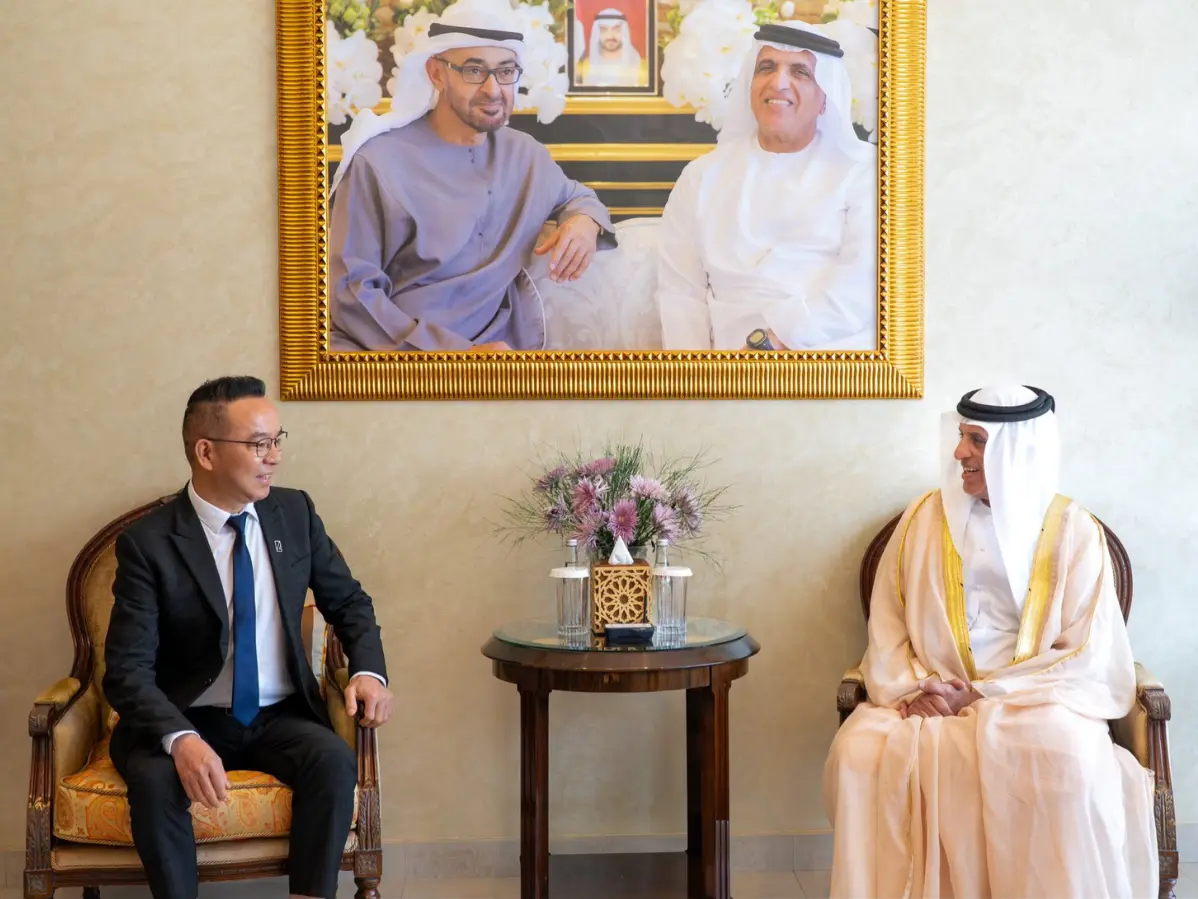)
Flying cars in UAE: Ras Al Khaimah signs deal with Chinese company to test new transport
)
The Verdict | When precision fails: US commits war crime in Minab school strike, UN finds
)
Aravana prasadam shortage at Sabarimala temple in Kerala triggers protests, TDB questioned
)
Trump 2.0: Dark days ahead for America’s ‘imperial presidency’
)
‘Will go to any extent’: Pakistan vows to defend Saudi Arabia amid Houthi attacks
)
Cochin shipyard starts building Indian Navy's next-gen missile vessels
)
Kampala-Ankara rift deepens: Uganda suspends military ties, seeks Fred Lumbuye's extradition
)
US-Iran war: Tehran sets seven conditions to re-engage in talks with US
)
Arvind Kejriwal, family members, Delhi CM Rekha Gupta get SIR notices
)
Russia holds first parliamentary elections since the beginning of the Ukraine war
)
Several petrol pumps, other businesses to refuse UPI payments above Rs 2,000 from Oct 16: Is it legal?
)
Ed Sheeran addresses Macklemore's removal, Gaza conflict during Philadelphia concert: 'I cannot hide how I feel'
Russia attacks Ukraine with 174 drones, kills 8; 2 vessels hit in Black Sea
&im=FitAndFill=(700,400))
Meet top 5 Indian batters with fastest T20I centuries
)
Trump bans CNN, MS NOW and Politico from White House over ‘FAKE NEWS’
)
)
While proponents argue that a 70-hour workweek could lead to increased dedication and efficiency, critics raise valid concerns. They question whether such a rigid schedule is practical in a world where flexibility and work-life balance are increasingly valued.
Gig working, a growing trend, is also brought into the equation. This type of work blurs the lines further, with individuals often working more than a standard workweek without adhering to a fixed schedule. It's a dynamic shift in how we perceive work.
The multi-faceted nature of productivity
In this evolving landscape, productivity is revealed to be multi-faceted. It encompasses factors beyond just the number of hours worked. Attention span, focus, adaptability, and smart work play significant roles in determining true productivity.
Efficiency, as it turns out, can be achieved without confining oneself to a stringent work schedule. Discipline may be a part of the equation, but it doesn't always equate to productivity. The contemporary world requires an approach that adapts to the individual, recognising that peak productivity can differ from person to person.
A broader discourse
The debate over a 70-hour workweek serves as a microcosm of a broader conversation about the future of work. It challenges us to question our preconceived notions about productivity, practicality, and the balance between professional and personal life.
As we navigate this complex, fast-paced world, the 70-hour workweek debate compels us to consider the very essence of what it means to be productive. It urges us to break free from the constraints of rigid schedules and embrace a more dynamic, individualised approach to work.
In the end, productivity isn't about the hours we put in; it's about the value we create, the innovation we bring, and the balance we maintain in our lives. The 70-hour workweek debate is merely a reflection of a world in transition, challenging us to adapt, evolve, and ultimately redefine our understanding of success in the modern era.
WATCH WION LIVE HERE