Is the AI chip boom already over? Global semiconductor stocks slide as investors question unbridled spending

&imwidth=600&imheight=450&format=webp&quality=medium "Is the AI chip boom already over? Global semiconductor stocks slide as investors question unbridled spending")
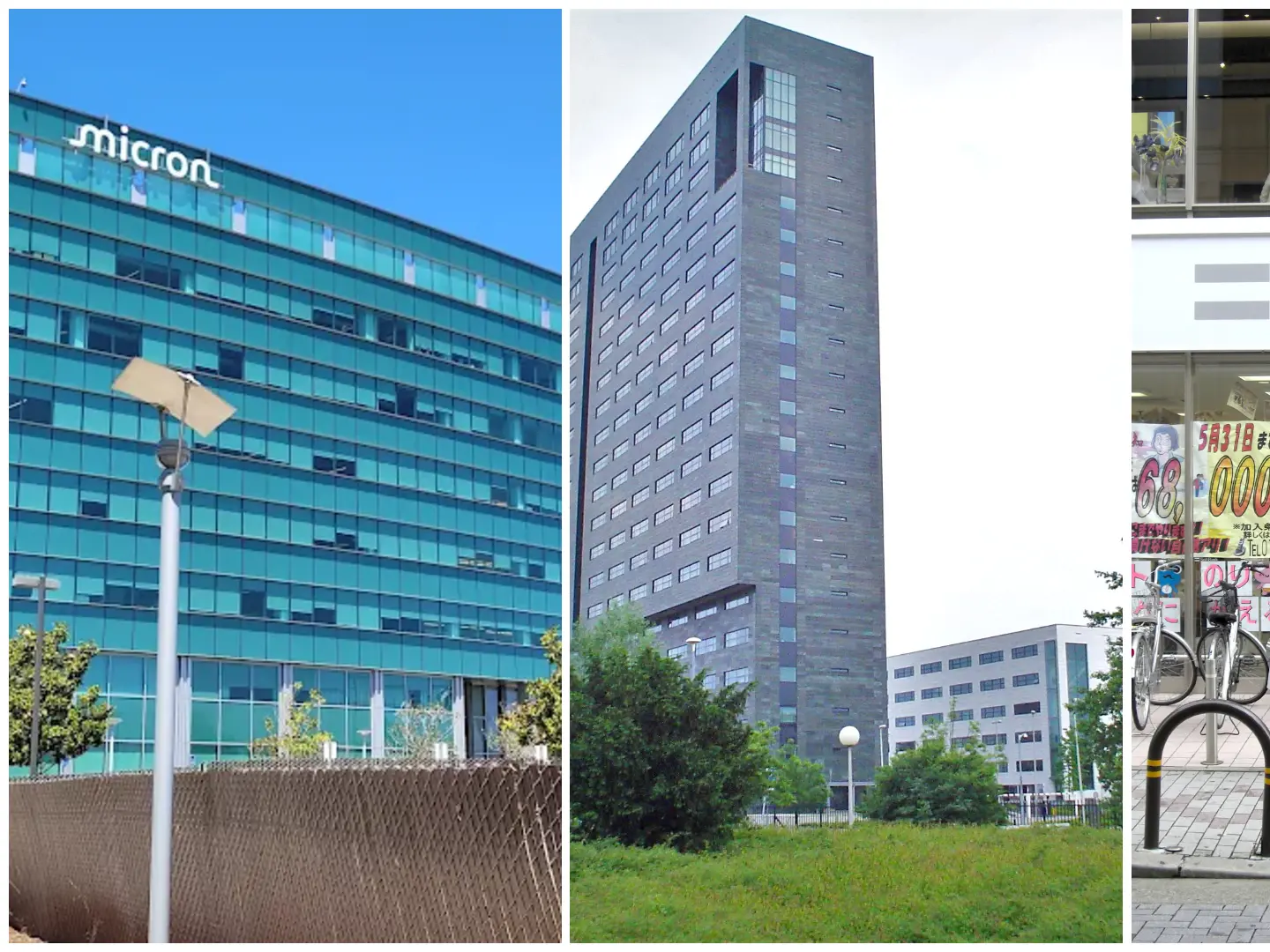
Shares of firms linked to AI chips, such as Micron and ASML are down. Photograph: (Others)
AI chip stocks are tumbling. Investors are questioning the spending spree, as opposed to low returns. A Chinese company's advancements in chip memory is adding to concerns. Here is how the picture looks now
Shares of several companies linked to artificial intelligence (AI) semiconductors have fallen sharply in recent sessions, raising concerns about whether the AI chip investment boom can sustain momentum. The sell-off intensified as investors reassess revenue expectations, financing costs and competition from China. OpenAI’s annualised revenue run-rate approached $50 billion at the end of September, below the expectations of $70 billion. AI chip makers and equipment suppliers were hammered globally, with South Korean chipmakers suffering steep losses.
The AI rout: How exposed firms are performing
Micron Technology closed at $989.04 on Monday, down 3.88 per cent, after having fallen 4.79 per cent on 8 October. The US memory-chip maker is exposed to concerns about AI spending as well as intensifying competition in the memory market. SoftBank Group fell 8.50 per cent to ¥5,310 on Tuesday, following a 3.92 per cent decline on 9 October. Its exposure to AI investments, including OpenAI, makes it vulnerable.
ASML Holding, the global leader in advanced chipmaking equipment, closed at $1,750.24 in the US on Monday, down 1.69 percent, with its Amsterdam-listed shares also are under pressure.
The Dutch company's fortunes are closely linked to chip makers' investment plans.
The declines were steeper in Asian markets, where SK Hynix fell about 10 per cent and Samsung Electronics lost 7.4 per cent on Tuesday. Tokyo Electron dropped around 7 per cent while Taiwan Semiconductor Manufacturing Company (TSMC) declined 2 per cent. Japan's Kioxia fell by around 14 per cent.
Trending Stories
&imwidth=280&imheight=210&format=webp&quality=medium)
&im=FitAndFill=(700,400)&imwidth=280&imheight=210&format=webp&quality=medium)
&imwidth=280&imheight=210&format=webp&quality=medium)
&imwidth=280&imheight=210&format=webp&quality=medium)
&imwidth=280&imheight=210&format=webp&quality=medium)
&imwidth=280&imheight=210&format=webp&quality=medium)
&imwidth=280&imheight=210&format=webp&quality=medium)
&imwidth=280&imheight=210&format=webp&quality=medium)
&im=FitAndFill=(700,400)&imwidth=280&imheight=210&format=webp&quality=medium)
&imwidth=280&imheight=210&format=webp&quality=medium)
&imwidth=280&imheight=210&format=webp&quality=medium)
&imwidth=280&imheight=210&format=webp&quality=medium)
&imwidth=280&imheight=210&format=webp&quality=medium)
&imwidth=280&imheight=210&format=webp&quality=medium)
&imwidth=280&imheight=210&format=webp&quality=medium)
&imwidth=280&imheight=210&format=webp&quality=medium)
&imwidth=280&imheight=210&format=webp&quality=medium)
&imwidth=280&imheight=210&format=webp&quality=medium)
&imwidth=280&imheight=210&format=webp&quality=medium)
&im=FitAndFill=(700,400)&imwidth=280&imheight=210&format=webp&quality=medium)
&imwidth=280&imheight=210&format=webp&quality=medium)
&imwidth=280&imheight=210&format=webp&quality=medium)
&imwidth=280&imheight=210&format=webp&quality=medium)
&imwidth=280&imheight=210&format=webp&quality=medium)
&imwidth=280&imheight=210&format=webp&quality=medium)
&imwidth=280&imheight=210&format=webp&quality=medium)
&imwidth=280&imheight=210&format=webp&quality=medium)
&im=FitAndFill=(700,400)&imwidth=280&imheight=210&format=webp&quality=medium)
&imwidth=280&imheight=210&format=webp&quality=medium)
&imwidth=280&imheight=210&format=webp&quality=medium)
&imwidth=280&imheight=210&format=webp&quality=medium)
&imwidth=280&imheight=210&format=webp&quality=medium)
&imwidth=280&imheight=210&format=webp&quality=medium)
&imwidth=280&imheight=210&format=webp&quality=medium)
In the US, shares of Nvidia, Advanced Micro Devices (AMD) and Broadcom weakened. The Philadelphia Semiconductor Index, which tracks major chip stocks, fell 2.67 per cent to 12,236.79 on Tuesday.
What is causing the AI chip firms' stock volatility?
Several concerns are converging, as investors question if the enormous sums being spent on AI infrastructure will generate sufficient returns. Data centres require expensive processors, memory chips, electricity, and cooling systems. Higher bond yields and financing costs make these investments costlier, particularly for companies that rely on borrowing or external funding.
AI firms' recent revenue figures raised questions about how quickly AI businesses can convert demand into sustainable income. Even as it continues its expansion, OpenAI's September run-rate was below investor expectations.
China, the hidden but fast-growing factor
Competition from China is another concern, with news of progress in the country on AI computing. For instance, ChangXin Memory Technologies (CXMT) outlined plans to introduce a new generation of DDR5 server-memory modules by the end of 2026. The Chinese company's proposed dynamic random-access memory (DRAM) architecture uses less area per memory cell than the conventional design. Its market entry can hit established manufacturers hard, though CXMT's ability to scale up remains to be seen.
AI investors are like gamblers, says Broadcom CEO
Broadcom chief executive Hock Tan said some AI investors resemble gamblers in a casino. Speaking at an event in Singapore, he questioned whether they fully understood AI technology and the business models behind their bets. He raised concerns about companies spending heavily on AI without demonstrating returns.
The sustainability of current valuations is at the core of the issue. If investor confidence weakens, AI companies could find it harder to raise the capital to expand infrastructure. Intel chief executive Lip-Bu Tan highlighted potential constraints on the industry's growth, including hardware limitations.
Does this mean the AI boom is over?
It's too early to say so. The current sell-off is due to doubts about valuations, profitability, and the pace of investment. It's not proof that demand for AI chips has collapsed. The key question is whether spending on AI infrastructure can lead to lasting revenue and profits.
The investor focus appears to have shifted from the glowing promise of AI to the realistic financial returns.

