
&imwidth=800&imheight=600&format=webp&quality=medium "India and UK set to ink trade deal: What is on the cards?")
India and the United Kingdom (UK) are on the verge of a historic moment as Prime Minister Narendra Modi and UK Prime Minister Sir Keir Starmer prepare to sign a landmark Free Trade Agreement (FTA) this week. The agreement, which has been years in the making, will usher in significant tariff reductions and trade liberalisation, providing both nations with fresh economic opportunities. However, while India stands to benefit from expanded market access and cheaper goods, other global powers, particularly the United States and Japan, may face heightened competition in the Indian market.
What you should know about the India-UK FTA
The deal, finalised after nearly three years of negotiations, is poised to cut tariffs on more than 90 per cent of UK exports to India. These reductions will span a broad range of goods, including alcoholic beverages like Scotch whisky and gin, which will see tariffs reduced from 150 per cent to 75 per cent immediately and eventually to 40 per cent over the next decade. Likewise, British luxury cars will enjoy a major tariff cut, from over 100 per cent to 10 per cent, though the benefit will be subject to a quota system.

The agreement also eliminates or reduces tariffs on a variety of consumer and industrial products, such as salmon, chocolates, machinery, cosmetics, and medical devices. Indian consumers can expect lower prices on imported goods, while UK manufacturers can gain a stronger foothold in India's growing market.
For India, the deal provides preferential market access for nearly 99 per cent of its exports to the UK, particularly benefiting sectors like textiles, footwear, gems and jewellery, auto components, and pharmaceuticals. Indian textile hubs such as Tiruppur and Surat, as well as companies like Welspun India and Arvind Ltd., stand to gain from the elimination of UK tariffs on textiles and apparel. Indian manufacturers of footwear, like Bata India and Relaxo, will also be able to tap into the UK market duty-free. Furthermore, Indian electric vehicle makers like Tata Motors and Mahindra Electric will enjoy reduced tariffs and quotas on UK-bound electric and hybrid vehicles.
In the services sector, the deal paves the way for easier short-term entry of Indian professionals, including yoga instructors, chefs, and musicians, to the UK. Indian workers on short-term transfers will be exempt from paying UK national insurance contributions for up to three years, offering significant cost savings for companies engaged in intra-company transfers.
Trending Stories
)
Woman removes all her clothes on American Airlines flight, performs 'indecent acts'; arrested
)
Turkish Airlines plane flies through a storm three times, triggering severe turbulence
)
'Huge destructive power': North Korea calls its latest missile launches 'live-fire drill' even as US dismisses 'immediate threat'
)
‘Let’s go’: Newly declassified videos show dramatic rescue of US Air Force officers downed in Iran
)
Natural caffeine sources gain popularity; matcha & botanicals offer calm energy
)
Veteran Bollywood actress Nafisa Ali shares health update as Stage 4 cancer progresses, starts targeted therapy
&im=FitAndFill=(700,400))
New OTT releases this week (September 14-20, 2026): Lust Stories 3, Waiting Hai, Irumudi- 5 new titles coming on Netflix, Prime Video and more
)
NEET-UG to move to computer-based test soon, NTA DG says ‘CBT is the future’
)
Did India risk its US trade deal despite softer stance at BRICS?
)
Ganesh Chaturthi 2026: Devotees throng the iconic Lalbaugcha Raja pandal in Mumbai
)
Practical Magic 2 breaks Spidey spell over North American box office
)
Did China give Iran intel before US base strike that killed 3 troops? Trump says, 'You’re right...'
)
China discovers vast gold and silver 'mine' in the Pacific with unheard-of deposits
)
Plane carrying prominent figure crashes at Libya’s Misrata airport: Report
)
'Nobody knows if it can be in control': ‘Godfather’ of AI, China spy chief back AI slowdown calls, flags political threat
)
800 million years old - Scientists discover 'fingerprints' of supercontinent Gondwana in ancient rocks
)
Orlando Bloom addresses Pirates of the Caribbean comeback and reunion with Johnny Depp
)
Russian drone hits Warsaw-bound train near Polish border, Zelensky accuses Moscow of ‘deliberate’ targeting
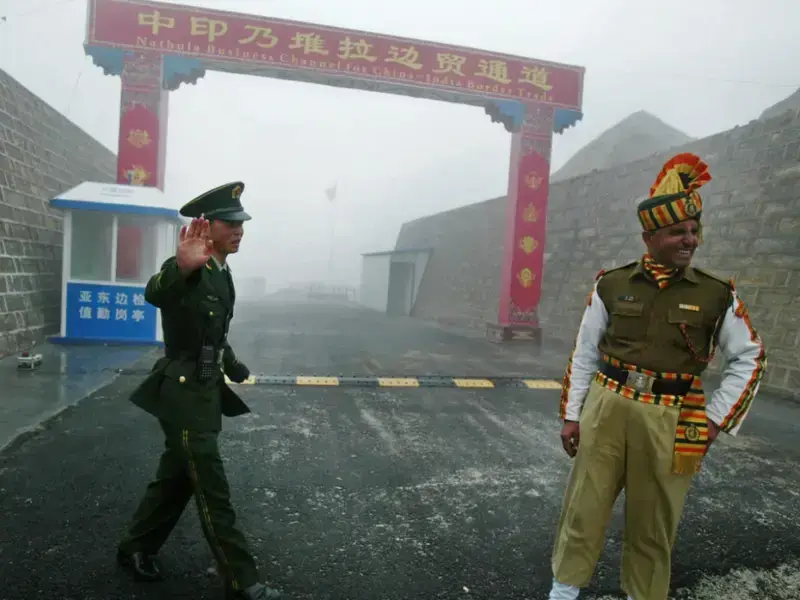)
China thinned Himalayan troop presence in 2025, India defence report says; terms border situation 'stable'
)
Women's Asia Cup 2026: India denied trophy once again despite winning the title
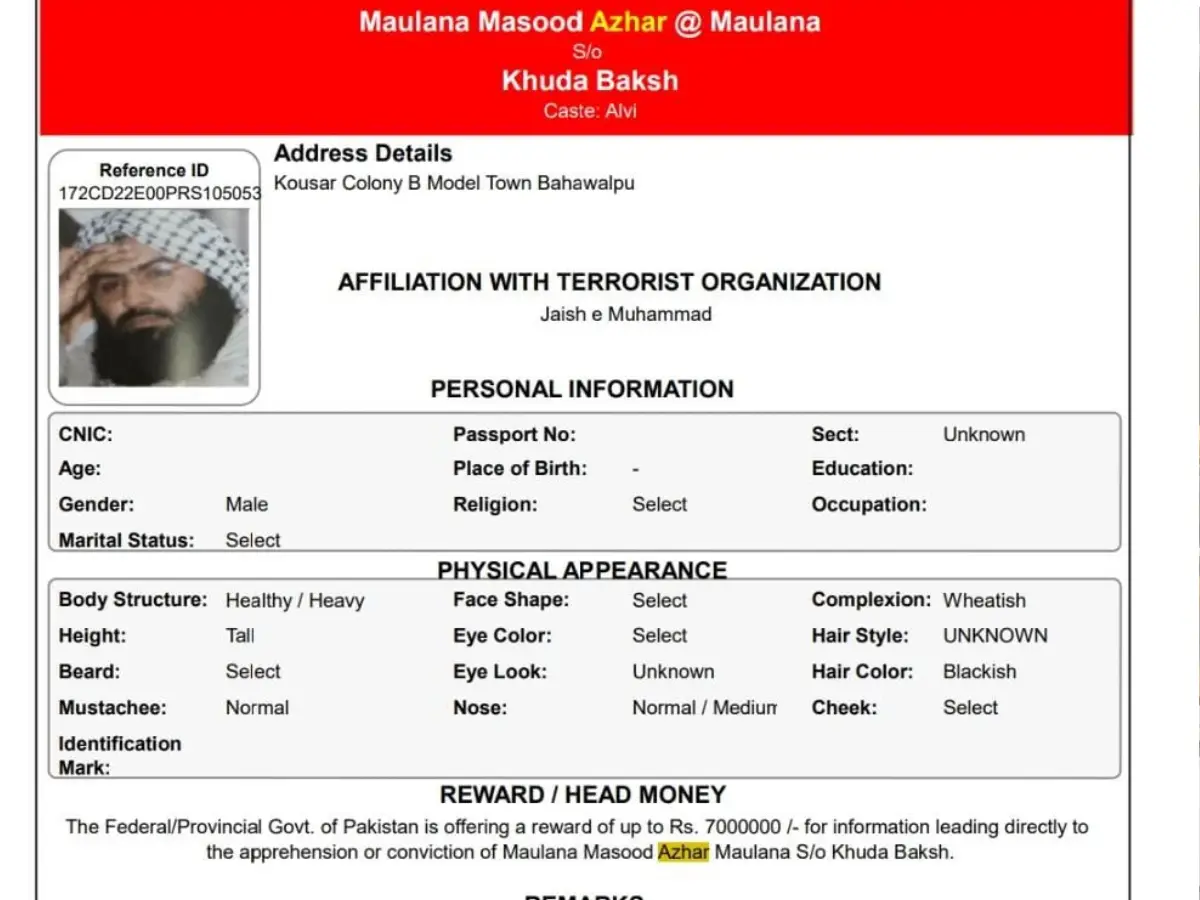)
Pakistan puts Pak Rs 70 lakh bounty on UN terrorist Masood Azhar; move draws skepticism in Delhi
)
Israeli minister calls to strip Gaza film directors of citizenship
)
Liam Neeson sparks romance rumours after holding hands with Stella Stocker at TIFF 2026
&im=FitAndFill=(700,400))
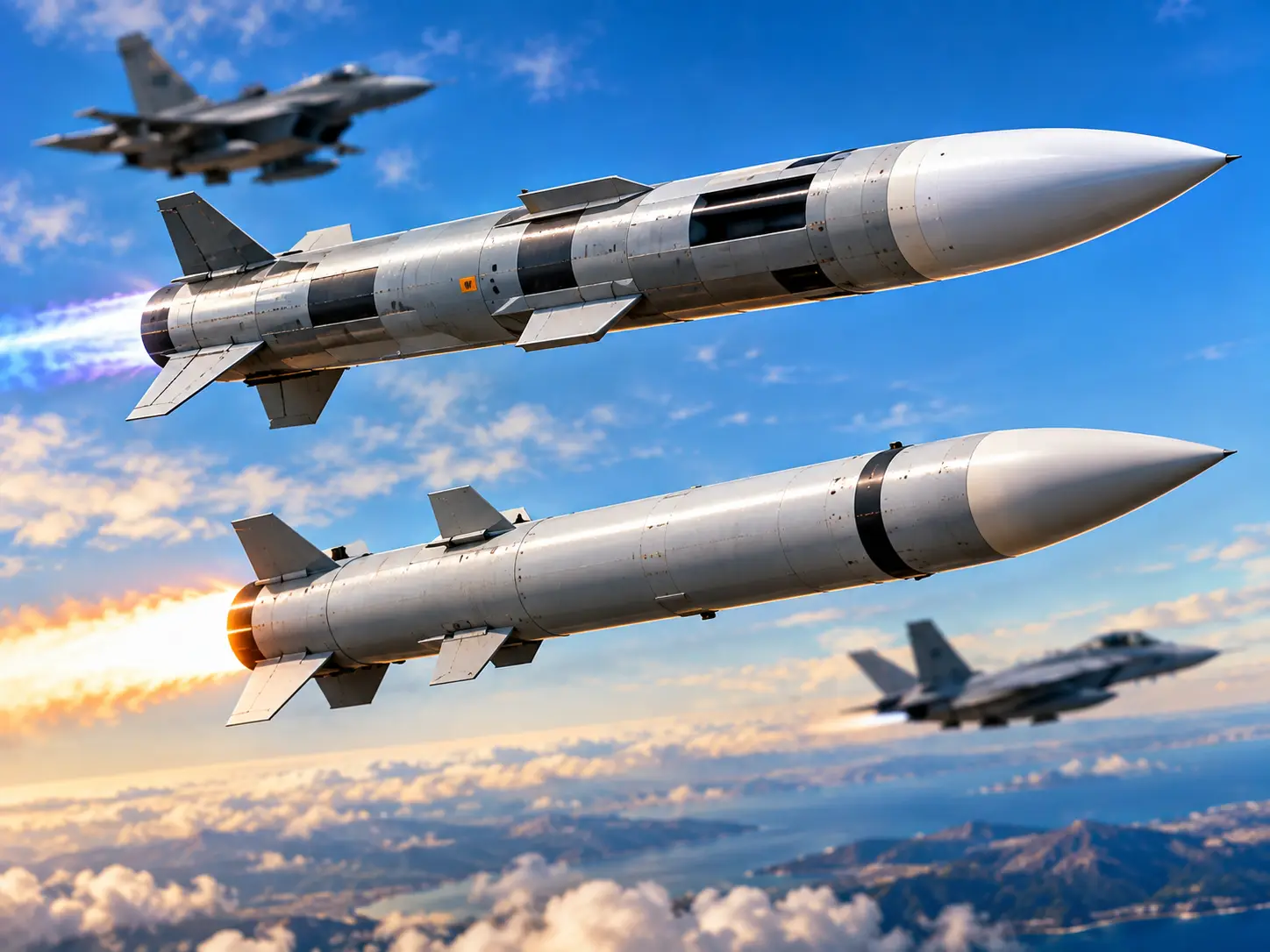
Why European Meteor missiles use ramjet engines compared to standard US solid rockets
)
‘Want to reset ties with India, have engagement based on mutual interests,’ says Bangladesh minister
)
Trump says Canada eager to reach a deal, it could come ‘fairly soon’ if Ottawa treats US farmers better
)
Indian importers urge Bangladesh to lift export ban on 'Hilsa' fish ahead of Durga Puja
)
Video of Pakistani lawmaker struggling to read English tribute to Jinnah goes viral - WATCH
&im=FitAndFill=(700,400))
Why Chinese PL-15 air-to-air missiles use dual-pulse motors compared to European interceptors
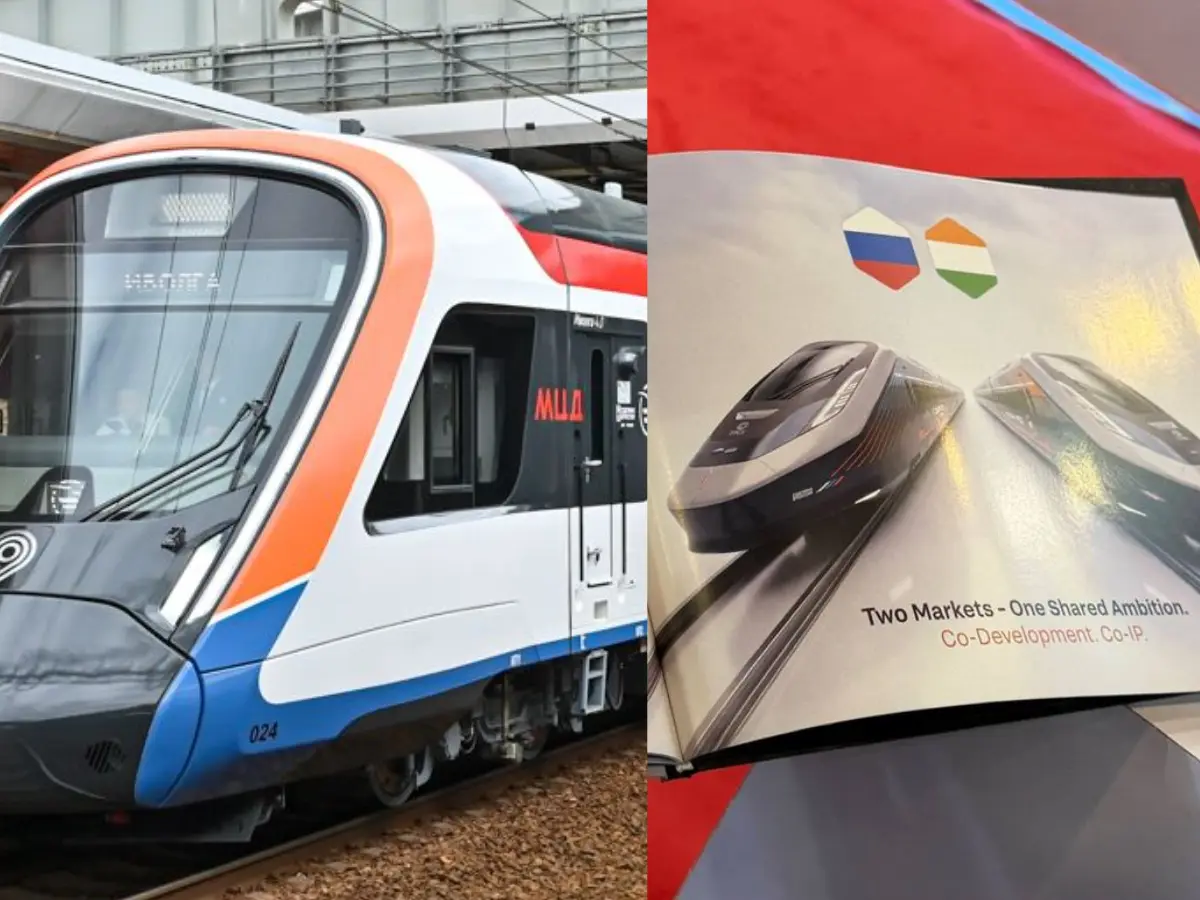)
Russia proposes to build 360 kmph Ivolga FG trains in India: What happened on sidelines of BRICS
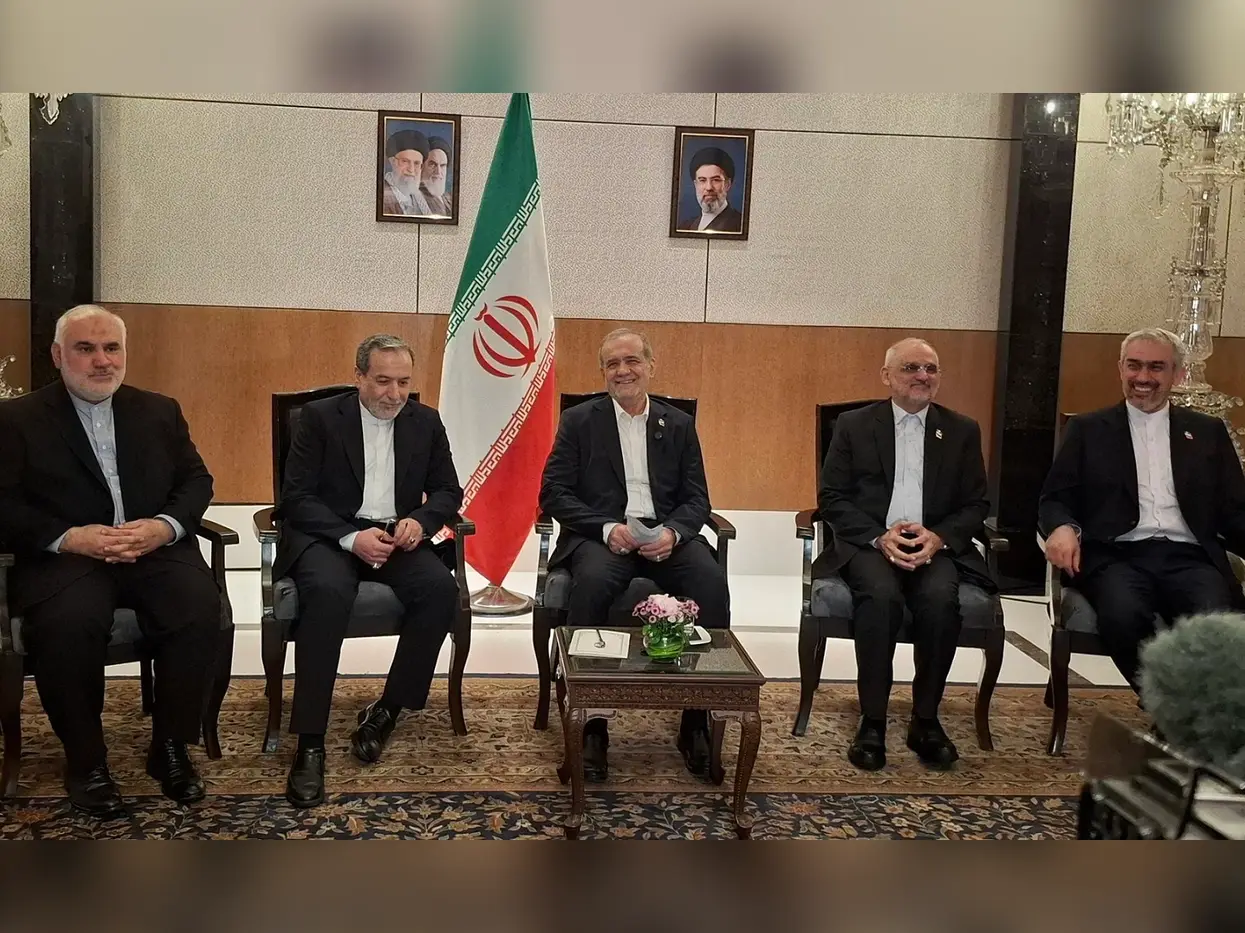)
Iran, India agree to deepen humanitarian and political ties, President Pezeshkian says
)
First naval drone battle? Ukraine says Sargan 3000 sank Russian unmanned boat
)
Humans may lose control of AI: Anthropic CEO calls for slowdown, Altman, Musk back him
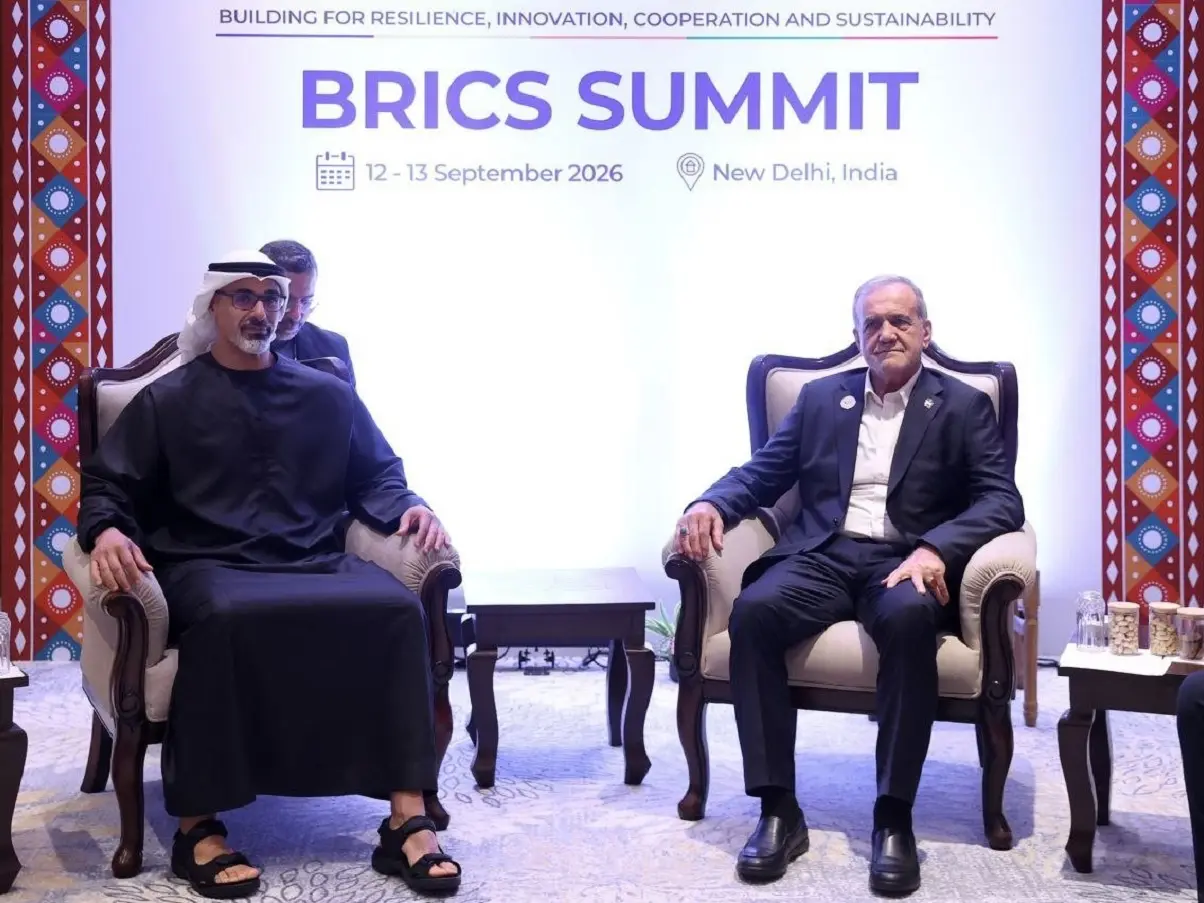)
Delhi’s balancing act: BRICS serves as a stage for West Asia diplomacy
Impact on US Exports to India
While the FTA marks a win for India and the UK, it introduces new challenges for other global players, particularly the United States. The agreement is expected to trigger heightened competition in a number of sectors where the US has a strong presence. The US exported $39 billion worth of goods to India in 2024, and approximately 3.2 per cent of that total, around $1.24 billion, could be exposed to increased competition from UK products.
US exports to India most at risk include copper and iron waste, machinery, vehicle parts, contact lenses, and therapeutic equipment. The immediate tariff reductions on UK goods will create a price advantage for British producers, potentially eroding market share for US exporters in these segments. In particular, industries such as copper and iron waste, which account for a substantial portion of US exports to India, could see heightened competition from UK imports, further complicating the trade landscape.
Japan faces competition in key export sectors
Japan, another key player in the Indian market, is also likely to feel the impact of the India-UK FTA. In 2024, Japan exported $19.9 billion worth of goods to India. With the India-UK FTA now in place, about 2.2 per cent of Japan’s exports, or roughly $440 million, could face competition from lower-cost UK products. These include machinery, chemicals, and electronics, areas where both Japan and the UK have competitive stakes.
The European Union, which exported $48.3 billion in goods to India last year, will also face some competition. Although the impact on EU exports is more limited, at around 1.7 per cent of its total shipments to India, the UK’s improved market access could still challenge EU exporters in certain sectors, such as luxury goods and food products.
Strategic recalibration of trade alliances
The India-UK FTA represents a strategic recalibration for both nations. For India, the deal offers access to advanced industrial and medical technologies at lower costs and presents new opportunities for Indian businesses to expand globally, especially in textiles, footwear, and pharmaceuticals. It also underscores India's growing role as a major player in international trade, seeking to diversify its trade partnerships beyond traditional allies like the US and Japan.
The deal is expected to boost UK exports to India by 60 per cent by 2040, adding £4.8 billion ($6.5 billion) annually to the British economy and providing a substantial boost to the UK’s GDP. The agreement is a key step in the UK’s post-Brexit strategy, aimed at strengthening trade ties with the world’s fastest-growing major economy.
India, meanwhile, is likely to see a surge in exports, particularly in the textile, gem, and jewellery sectors, as well as in agricultural goods like mangoes and grapes. The removal of tariffs on such products should help make Indian goods more competitive in the UK market.
(With inputs from agencies)