How crypto exchanges rushed to list Trump’s meme coin and why many investors lost big

&imwidth=600&imheight=450&format=webp&quality=medium "How crypto exchanges rushed to list Trump’s meme coin and why many investors lost big")
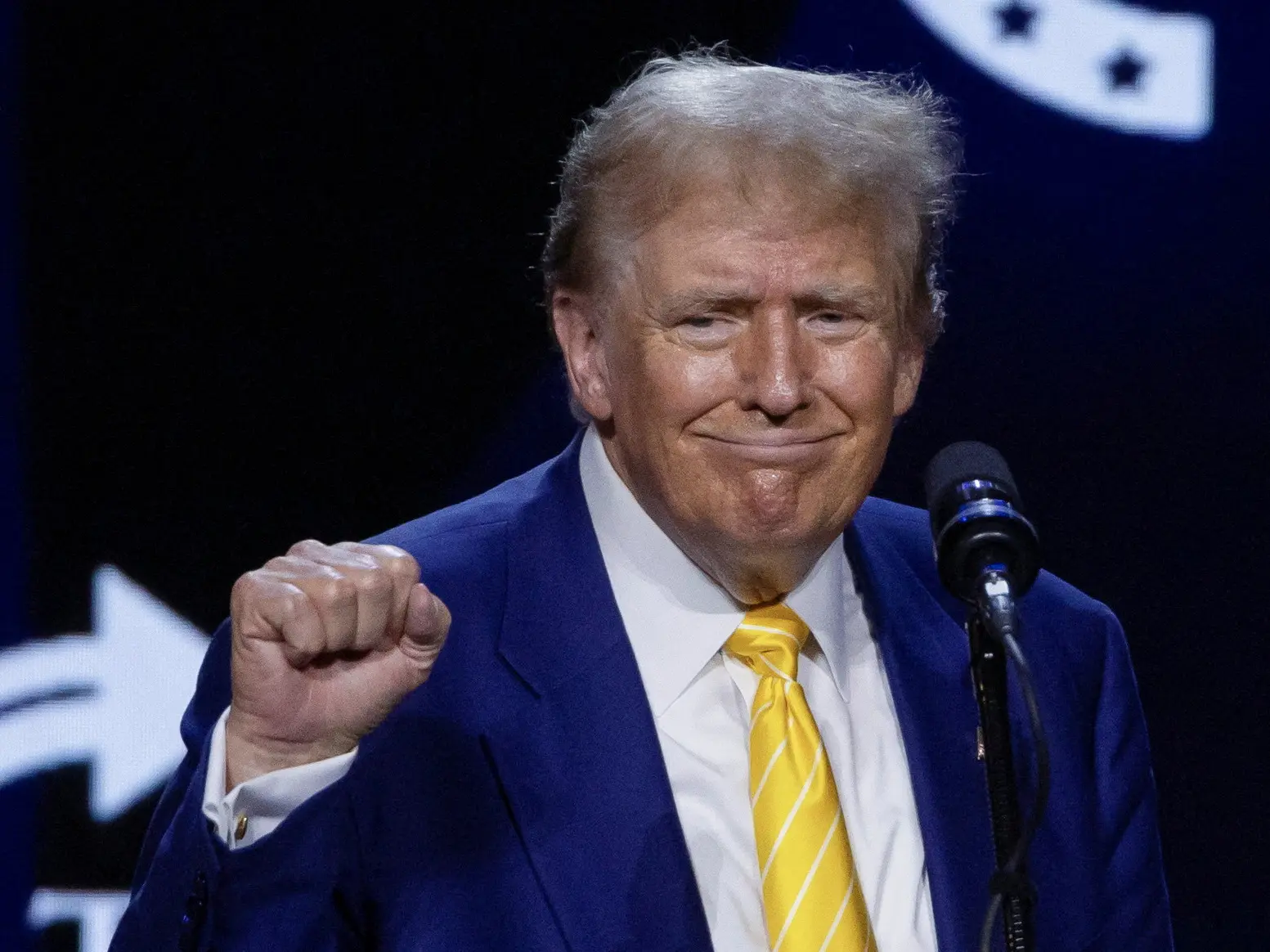
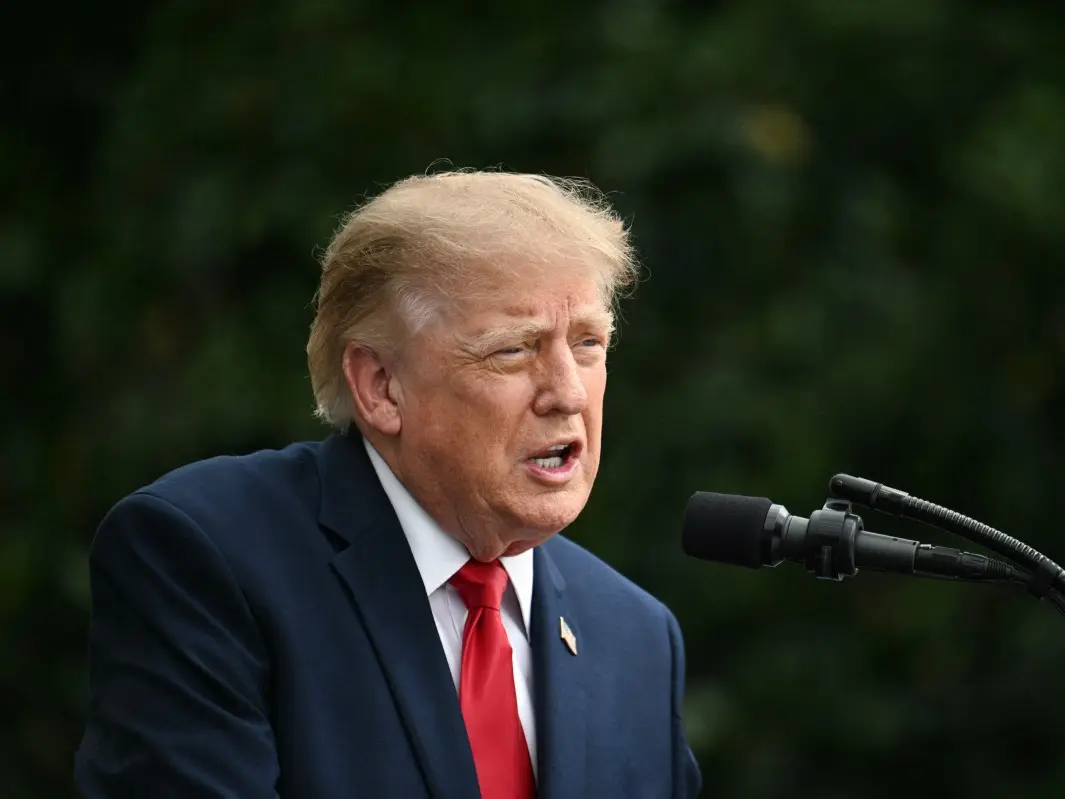
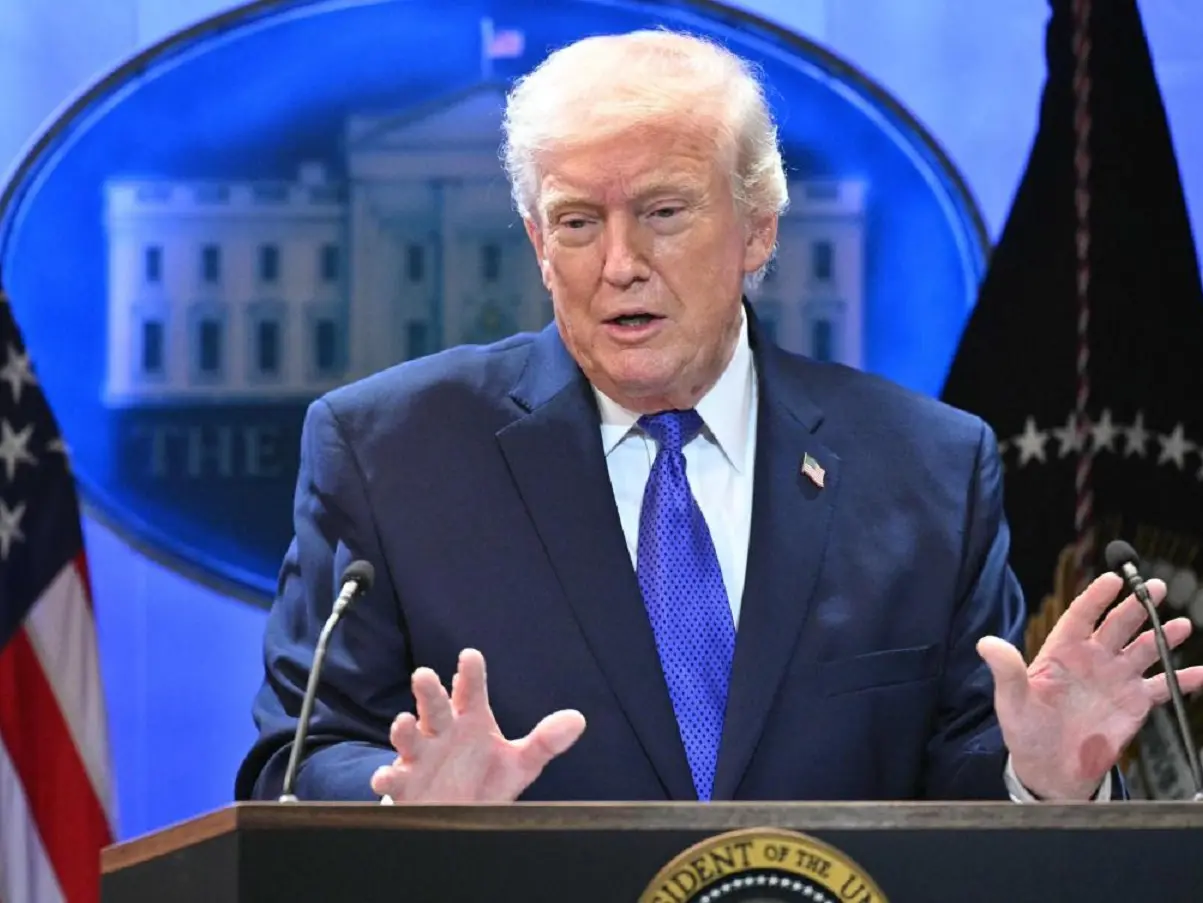
US President Donald Trump. Photograph: (Reuters)
The $TRUMP meme coin, launched just days before Donald Trump’s 2025 inauguration, was fast-tracked by major crypto exchanges in under 48 hours—bypassing typical vetting timelines.
In a cryptocurrency world that claims to prioritise rigour and investor protection, the $TRUMP meme coin flipped the rules overnight. When US President Donald Trump launched his namesake digital token, $TRUMP, just days before his inauguration in January, some of the world’s largest crypto exchanges listed it in record time, many within 48 hours, according to a Reuters investigation. That’s unusually fast in an industry that often takes months to vet risky assets.
The coin, while politically charged and culturally viral, has no intrinsic value, it’s a meme coin, prone to wild price swings and vulnerable to insider control. And as trading history now shows, the biggest winners were a handful of early wallets, while hundreds of thousands of others were left nursing heavy losses.
The $TRUMP listing frenzy: How fast is too fast?
Most large exchanges, including Binance, Coinbase, OKX and Bitget, claim to vet new tokens meticulously. On its website, Coinbase promises a “rigorous” process to protect customers from scams and market manipulation.
Yet, when it came to $TRUMP, Coinbase made a decision in just one day, adding it to its listings roadmap on 18 January and trading it live just three days later. Eight of the 10 largest exchanges listed the coin within 48 hours, Reuters reported. By contrast, the same exchanges took an average of 129 days to list other major meme coins like Pepe, Bonk, Fartcoin, and dogwifhat.
Gracy Chen, CEO of Bitget, told Reuters that public demand made it imperative to act quickly. “The crypto space was buzzing with the hype… and the fact that Trump himself announced the coin should kind of solvethe compliance issue.”
Trending Stories
)
)
)
)
)
&im=FitAndFill=(700,400))
)
)
)
&im=FitAndFill=(700,400))
)
)
)
)
)
)
)
)
)
)
)
)
)
)
)
)
)
)
)
)
)
)
)
)
)
)
)
From $75 to $9: What happened to the price?
On 19 January, just two days after launch, $TRUMP surged to an all-time high of $75.35. But the momentum didn’t last. By early April, it had crashed to under $10, and as of last Thursday, traded at around $9.55. Dubai-based investor Carl “Moon” Runefelt, who runs a crypto YouTube channel, told Reuters he invested $300,000 in $TRUMP at prices between $50 and $60. “It’s probably one of my worst trades, unfortunately.”
According to data analysed by Bubblemaps and cited by Reuters, 45 wallets made a combined profit of $1.2 billion, while over 712,000 wallets collectively lost $4.3 billion. Another half a million made an average profit of $5,656.
The red flag everyone ignored
The terms of the $TRUMP coin specified that 80 per cent of the total token supply would be held by the Trump family and its partners, to be gradually unlocked over three years. In crypto, such concentrated holdings are a classic warning sign for pump-and-dump schemes, where prices are inflated and early holders exit at profit, leaving retail investors behind.
Bitget CEO Gracy Chen admitted this was a concern told Reuters that, “Eighty per cent held by the team… is in my opinion very risky. But user demand overrode that". MEXC’s COO, Tracy Jin, echoed similar concerns to Reuters, saying the token didn’t meet the firm’s usual listing standards, but the hype was too strong to ignore.
Was this political favouritism?
Reuters found no evidence that Trump or his associates pressured any exchange. However, the pace and scale of listings came after Trump’s public support for crypto and his promises to overhaul its regulation.
Trump has declared himself the “crypto president”, and since his election last November, his administration has slowed enforcement actions by the US Securities and Exchange Commission (SEC) against crypto firms. Coinbase and others have responded by listing more politically connected meme coins.
The White House told Reuters there were “no conflicts of interest” because Trump’s assets had been placed in a family trust. The Trump Organisation did not respond to questions about the $TRUMP coin.
SEC quiet as regulation shifts under Trump
Under former President Biden, the SEC took a strict stance that most crypto tokens should be treated as securities. But that posture changed rapidly after Trump’s return.
According to Reuters, the SEC has paused or withdrawn several enforcement actions against crypto firms, including a top investor in a Trump-linked project. The agency also issued a staff statement concluding that meme coins are not securities, a major policy shift.
An SEC spokesperson declined to comment on its approach to Trump’s coin or crypto policy under the current administration.
Who profited from $TRUMP?
According to CoinDesk Data estimates cited by Reuters, the $TRUMP token generated over $172 million in trading fees for the 10 largest exchanges that listed it.
But the structure of the coin’s ownership ensured the vast majority of profits went to a select few. Bubblemaps’ analysis revealed:
- Top 45 wallets made $1.2 billion
- 712,777 wallets lost a combined $4.3 billion
- More than 500,000 wallets made small gains averaging $5,656
Regulatory warnings ignored
Just one day before the coin’s launch, the New York State Department of Financial Services issued a consumer alert about the dangers of meme coins, highlighting high ownership concentration and lack of regulation.
Coinbase, which must comply with New York regulations, blocked residents of the state from trading $TRUMP but allowed trading elsewhere in the US. Listing it in New York would have required a much more extensive review.
Even so, five of the largest exchanges told Reuters they did not cut corners. Coinbase’s chief legal officer Paul Grewal said, “We were confident users could engage with the token positively and safely.”
However, David Krause, professor emeritus of finance at Marquette University, said the fast listing “suggests either a dramatic acceleration of due diligence or corners being cut. Either scenario has significant implications for investor protection and market integrity.”
What now?
With $TRUMP’s value down and most investors in the red, questions loom over the ethics of fast-tracking politically charged meme coins. Despite mounting scrutiny, exchanges maintain their decision was driven by demand, not politics.
But as Trump continues to reshape the regulatory landscape in favour of crypto, and his family-linked ventures rake in hundreds of millions, the line between governance, business, and speculation is becoming increasingly blurred.