Fed Chair Powell to testify before Senate Banking committee on July 9

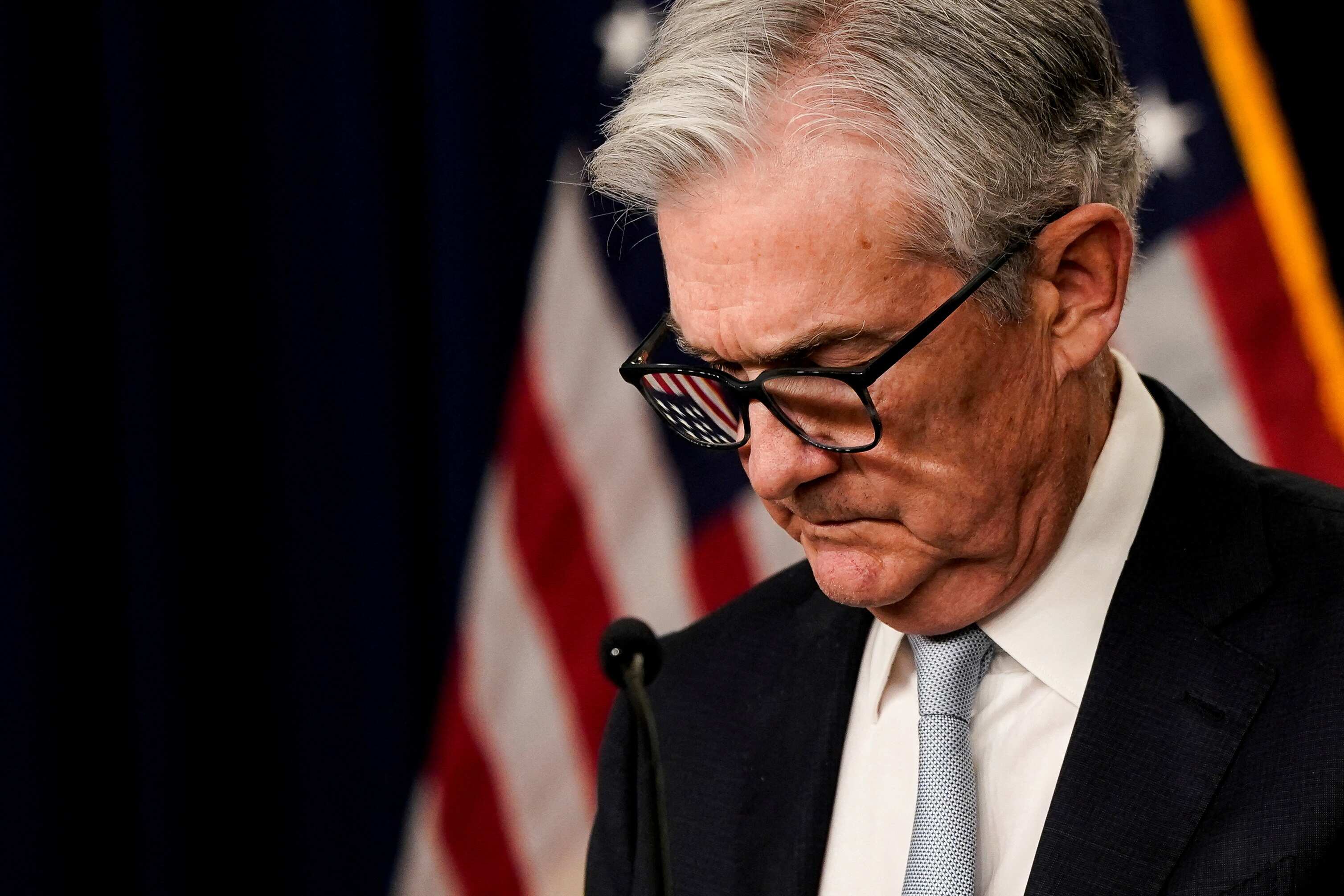
Federal Reserve Chair Jerome Powell at a news conference in Washington.
US Federal Reserve head Jerome Powell will testify before the Senate Banking Committee on monetary policy on July 9, according to Senator Sherrod Brown's office, the committee head, on Monday. Powell is likely to give the same testimony before the House Financial Services Committee the next day, as is customary, though officials for the committee have not confirmed this.
Powell's semi-annual testimony
Powell's appearances before Congress are often lengthy sessions in which politicians from both parties question him on a variety of issues, ranging from interest rate policy to the overall health of the financial system. These testimonies provide an opportunity for the Federal Reserve to communicate its policy aims while also allowing legislators to express their economic concerns and opinions.

Central bank independence
Powell, who was nominated by former President Donald Trump and reappointed by President Joe Biden, has often stressed the Federal Reserve's independence from political influence. The Fed's recent decision to keep the policy rate between 5.25 per cent to 5.5 per cent reflects this position, with indications that a rate decrease may only occur once this year, depending on economic conditions. This approach implies that the central bank intends to avoid any moves that could be interpreted as politically motivated, particularly considering the November presidential election.
Economic conditions and rate decisions
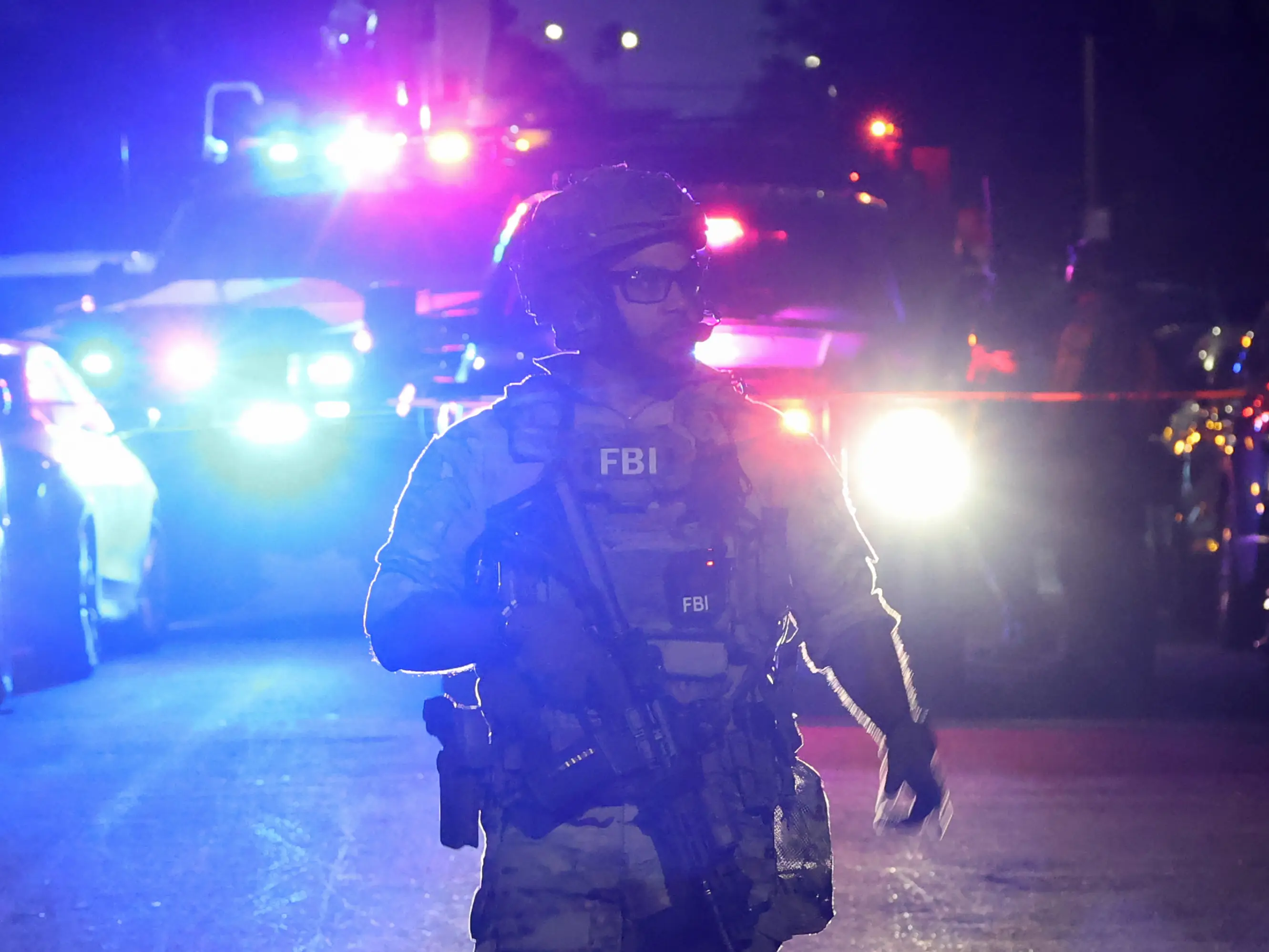)
‘Kill all in the name of...’: FBI arrests 21-year-old over alleged ISIS-inspired mass-casualty attack plot
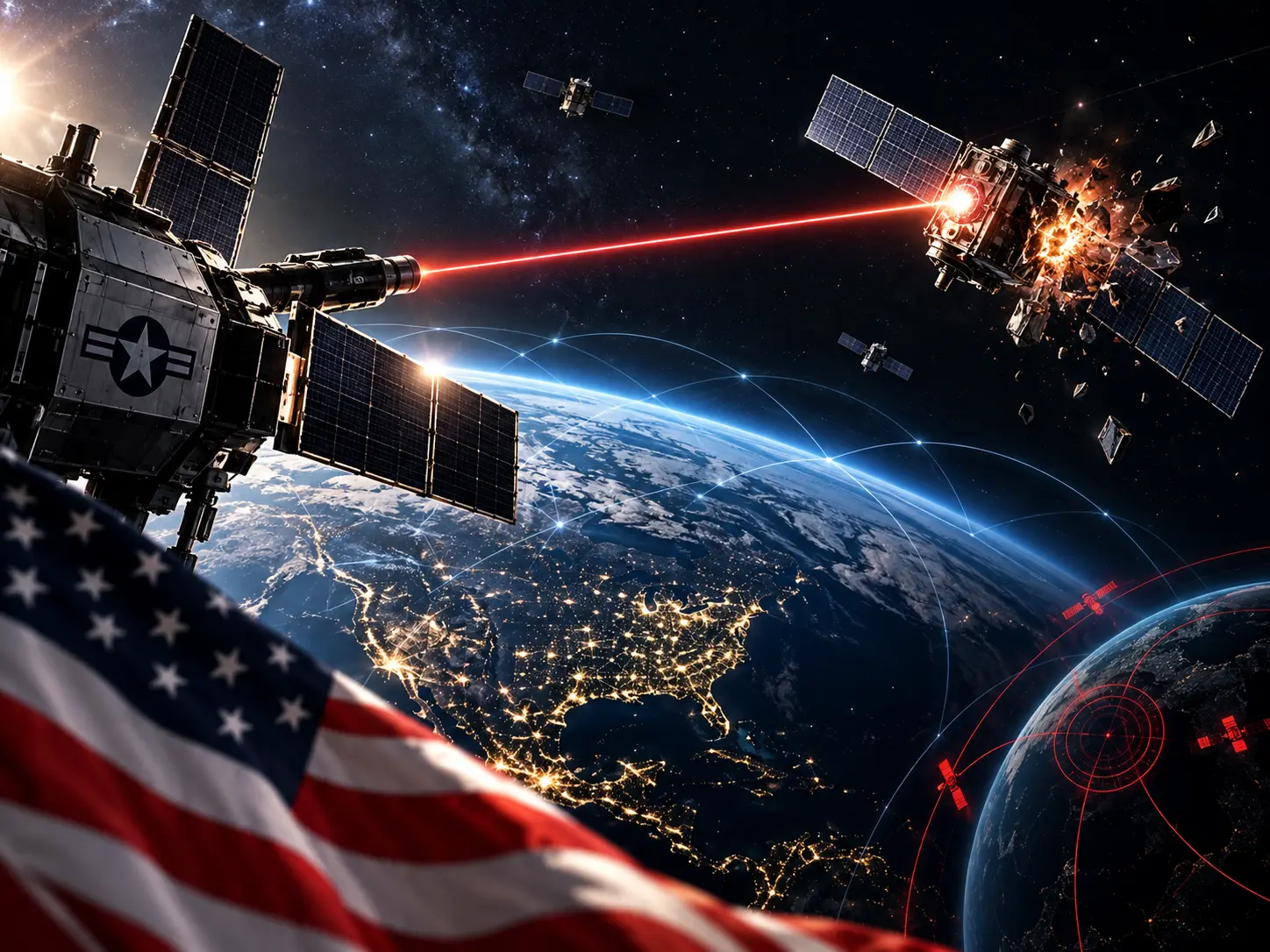)
Space mines, lasers & robotic arms: Lt Gen Pannu decodes US disclosure of weapons in space
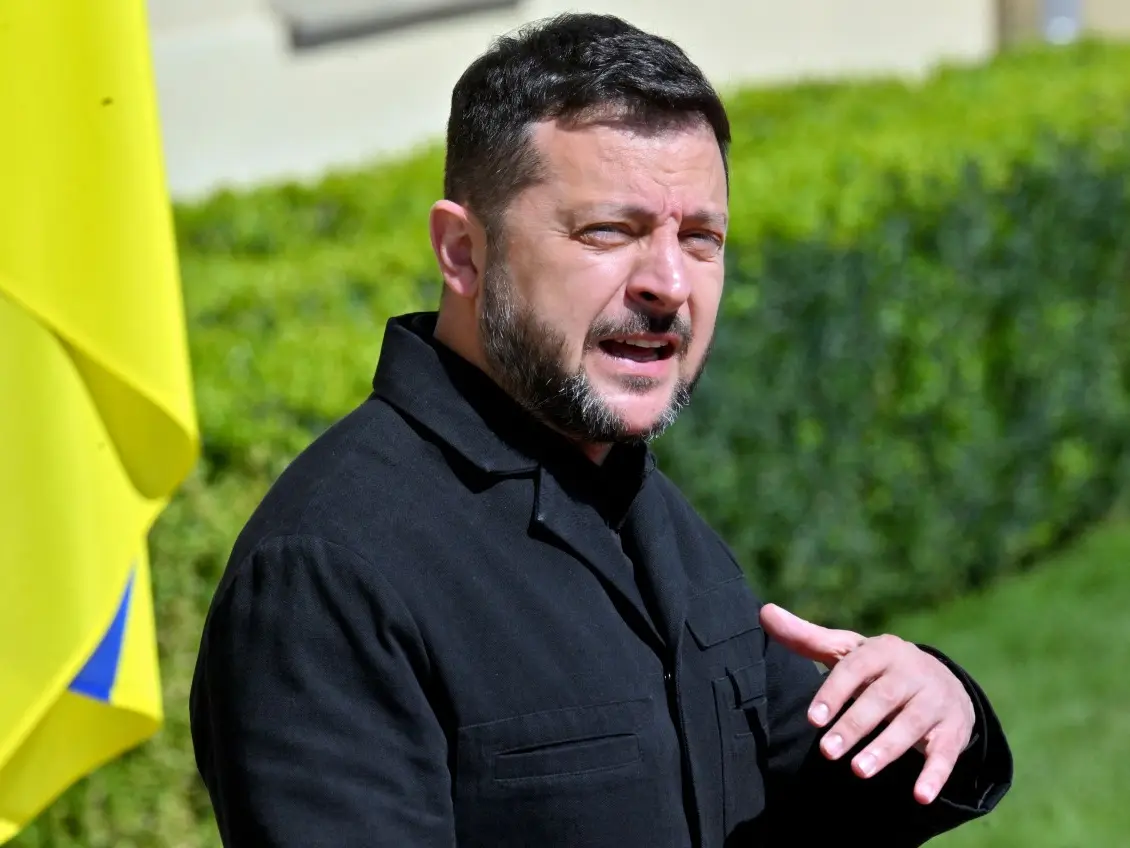)
Bitter Zelensky snubs Trump for playing politics with Ukraine war | Gravitas
)
US fires up to 70 interceptors against Iran attack on Jordan, putting supplies under pressure
)
India’s imports from Russia jump 57% in five months; China remains top import source
)
‘US military task force aiding Saudi Arabia forces with intel, planning support’: Official
)
OpenAI boss Sam Altman repeats AI 'slow down' call, says world 'right to be afraid'
)
Top military commanders from US, Israel, and 7 Arab nations held secret meeting on Iran War
)
Sydney Sweeney defends provocative ad choice, the internet is still not impressed
)
India to host IPL 2027 auction; WPL 2027 auction set for late October in Kochi
)
Shahzad Bhatti Network declared terrorist organisation under UAPA: Govt order
)
'Definitely feel bad for yourself': Kuldeep Yadav opens up on India Test snubs
)
US, China dominate global economy: Where does India rank among the world's biggest economies?
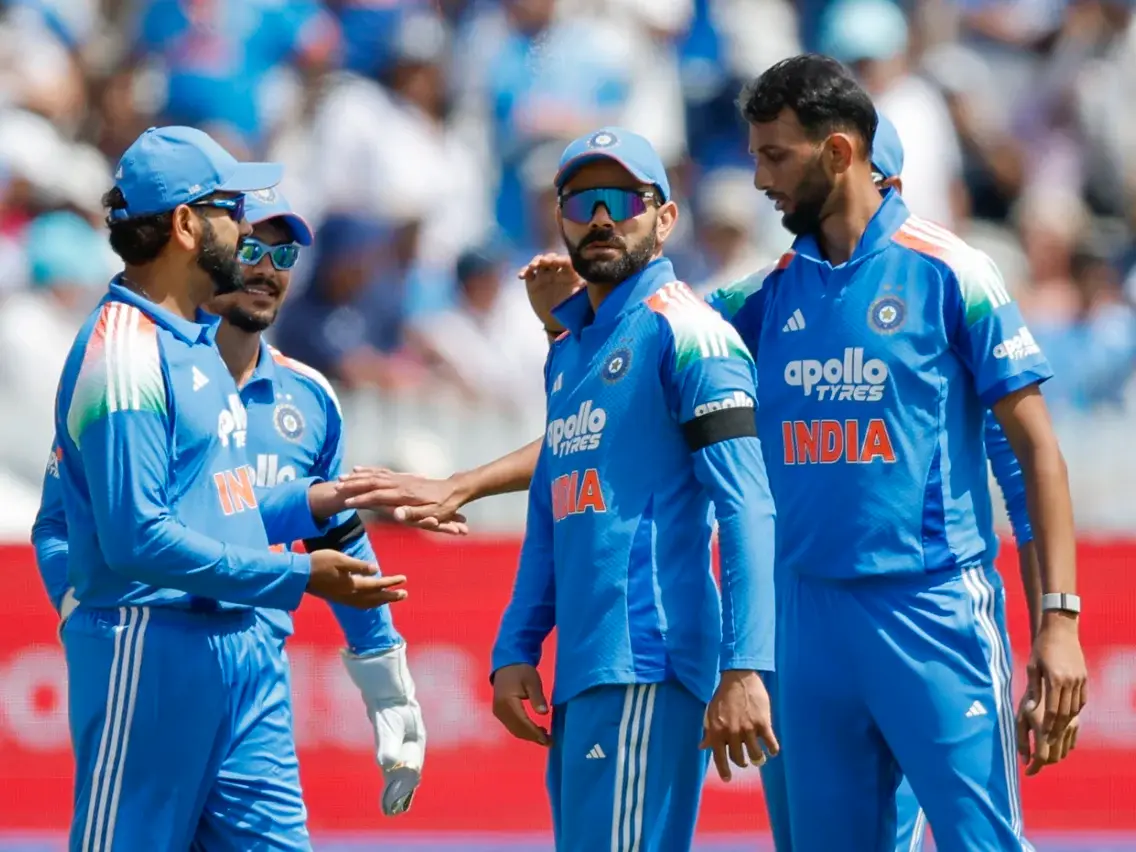)
Ex-India all-rounder Yuvraj Singh wants India to avoid 'massive changes' before ODI World Cup 2027
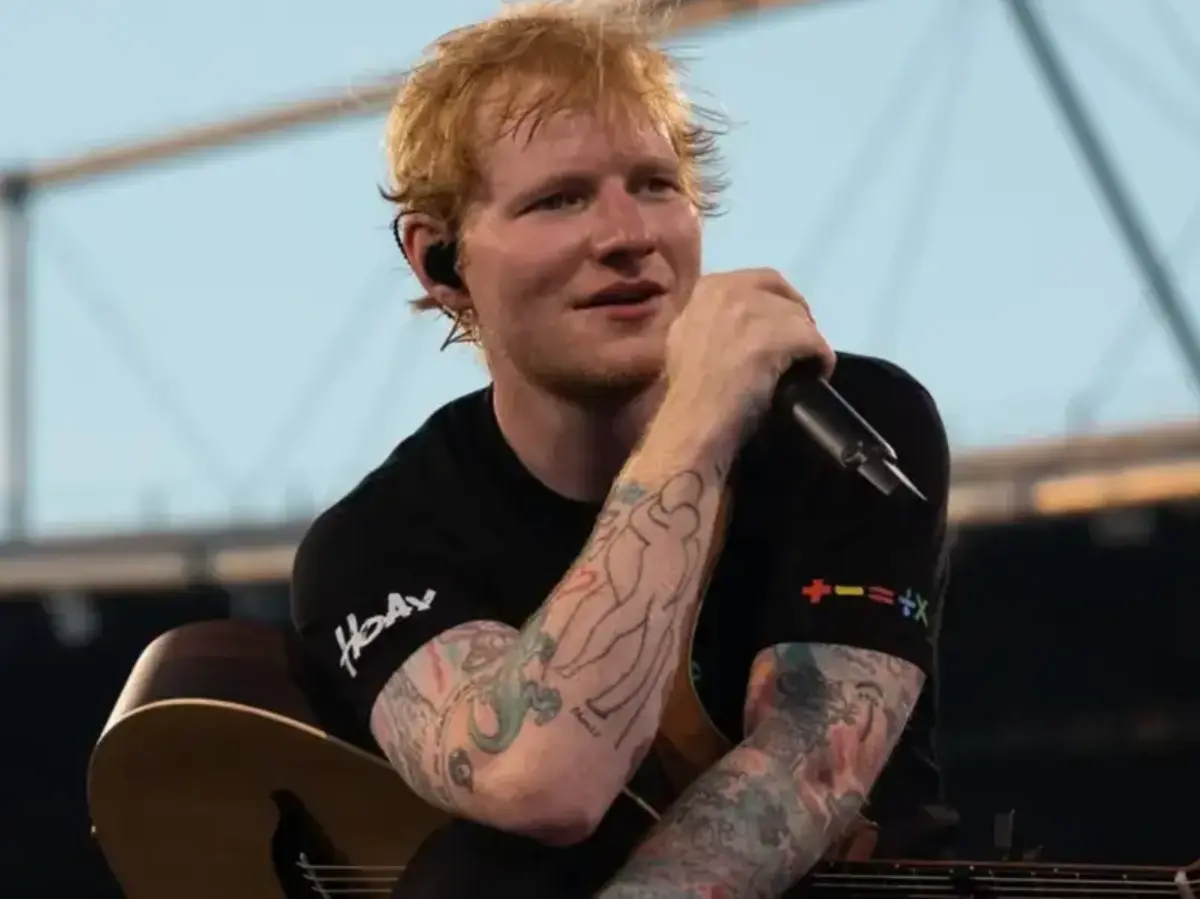)
Ed Sheeran’s US tour loses all support acts after Macklemore’s removal | Controversy explained
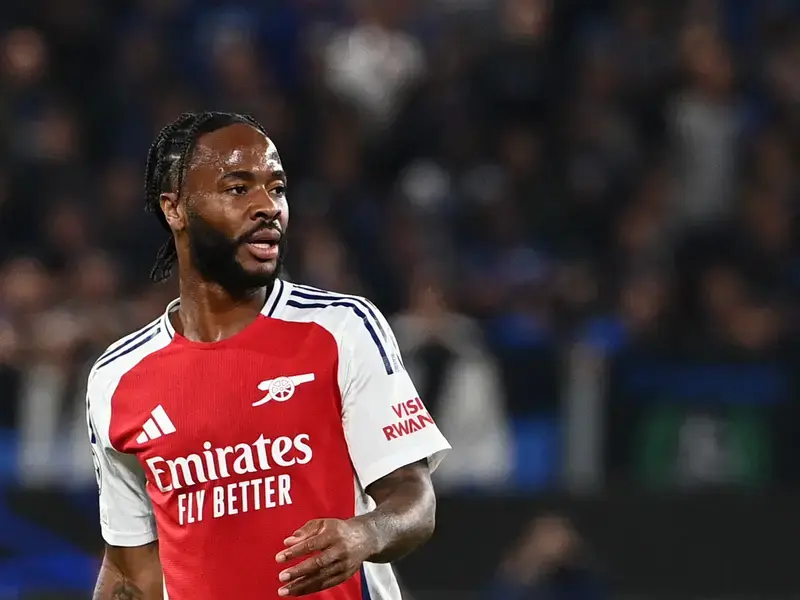)
Ex-England footballer Raheem Sterling pleads guilty in reckless driving and crashing his Lamborghini
)
China's property crisis deepens as investment plunges nearly 20%
)
Messi set to play in farewell match on October 6 in Argentina vs Benin friendly
)
Who was Eliana Moreno? NBC LA aerial reporter killed in Chatsworth crash
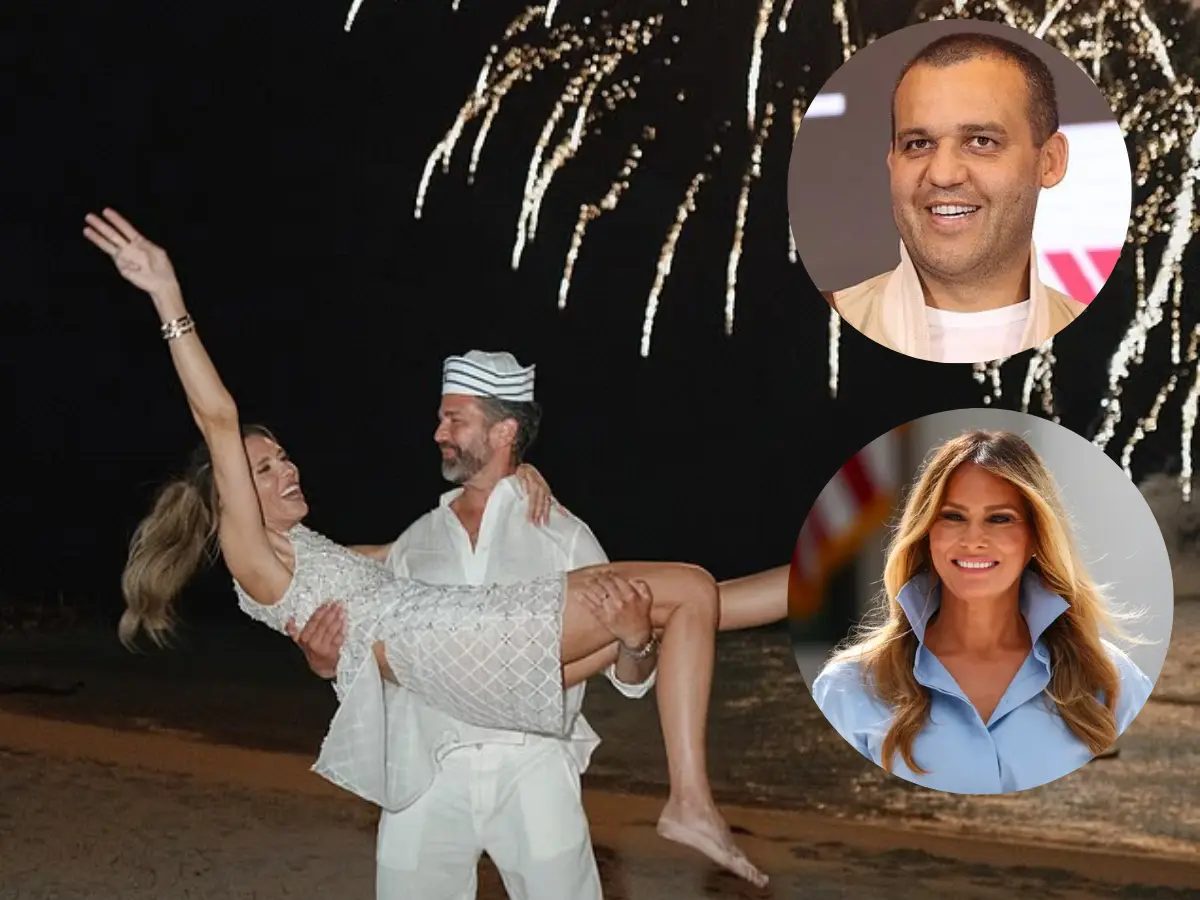)
Putin-linked Russian oligarch, Melania links: Why Trump skipped his son’s Bahamas wedding bash?
)
800 million years old - Scientists discover 'fingerprints' of supercontinent Gondwana in ancient rocks
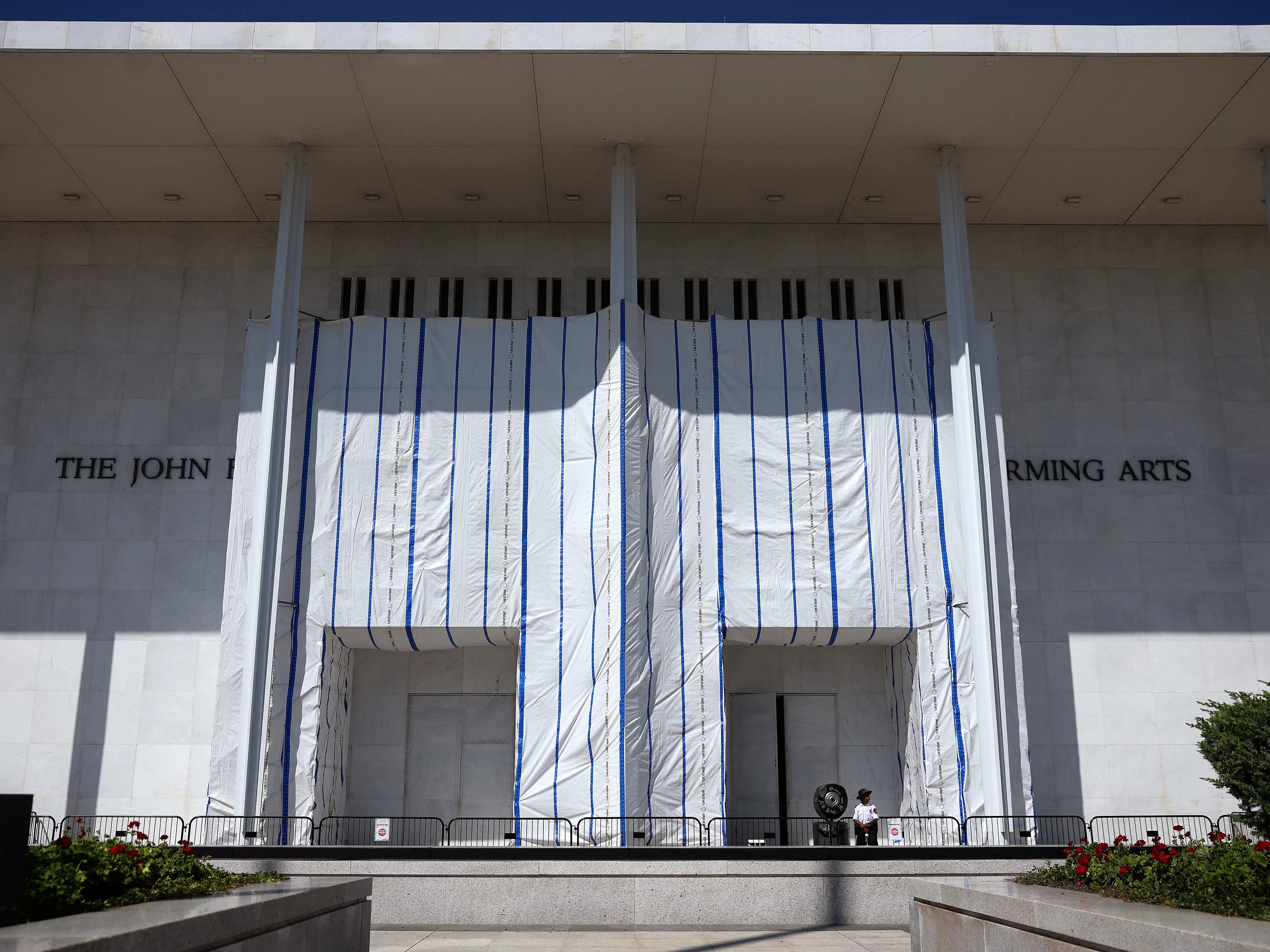)
Trump's name cannot return to Kennedy Center, US judge rules
)
Pakistan naval vessel returns to harbour with 'severe damage' after collision with Indian warship in Arabian Sea
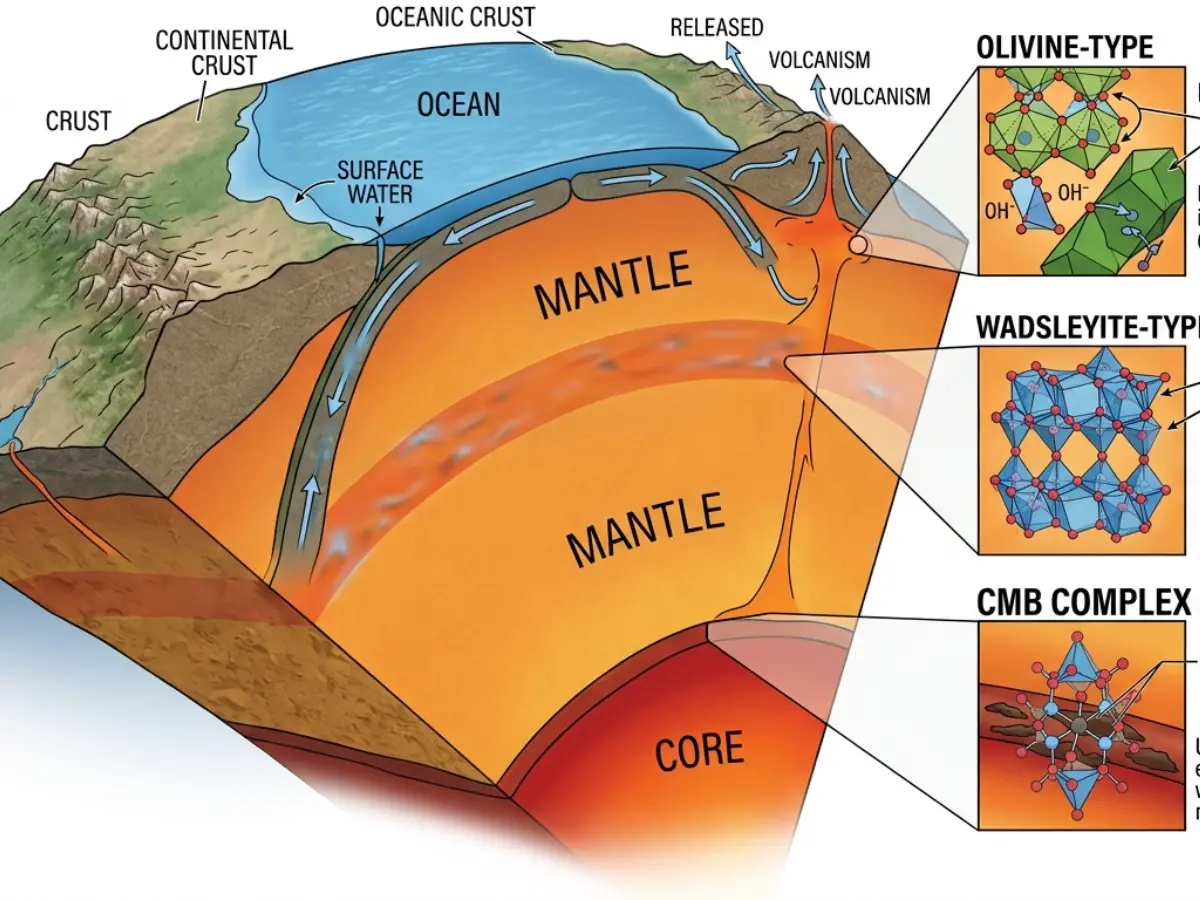)
Water equivalent to two Pacific Oceans could be stashed 2,900 km inside Earth
)
Ex-CIA officer caught with gold bars worth $40 million seeks plea deal | Gravitas
&im=FitAndFill=(700,400))
New OTT releases this week (September 14-20, 2026): Lust Stories 3, Waiting Hai, Irumudi- 5 new titles coming on Netflix, Prime Video and more
)
Trump's Iran war faces fresh House rebuke; 7 Republicans join Democrats in push to end conflict ahead of midterms
)
US Treasury yields cross 5% as Scott Bessent warns of ‘global issues’ impacting bonds
)
Pakistan: Imran Khan's sons Kasim & Sulaiman claim their father is 'tortured' in jail
)
Who is Kalyan Bainsla, accused in the Gurugram hit-and-run case involving woman biker?
)
Saudi Arabia discovers 110 million tonnes of Uranium-rich ore in Madinah region
)
Los Angeles helicopter crash: At least three dead, several injured; NTSB to investigate
)
West Bengal IPS officer Bushra Bano transferred after objections to ‘Assalamualaikum’, ‘Inshallah’
)
India summons top Pakistan diplomat after Pak Navy ship collides with Indian warship at high seas
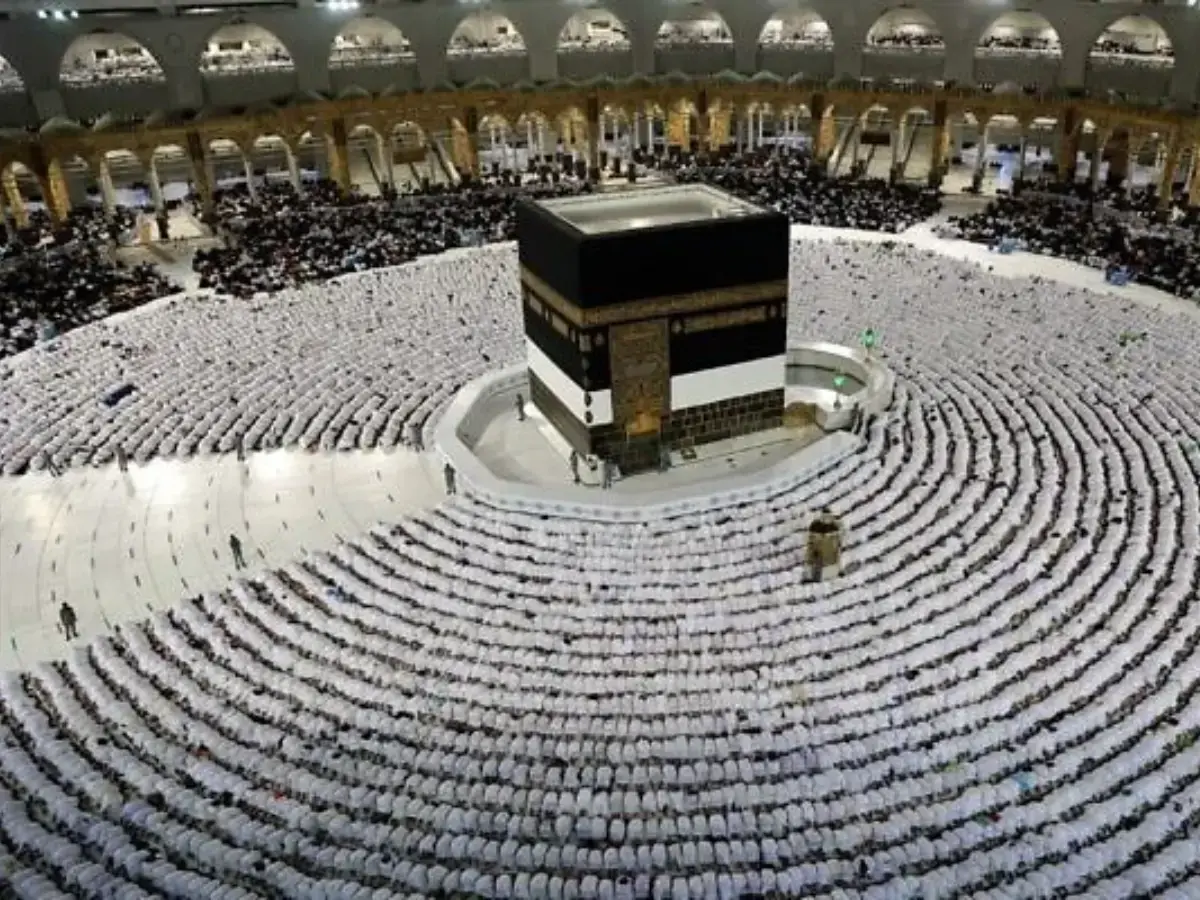)
Saudi Arabia accuses Houthis of drone attack on Mecca, first-ever red alert in Islam's holiest site sparks panic
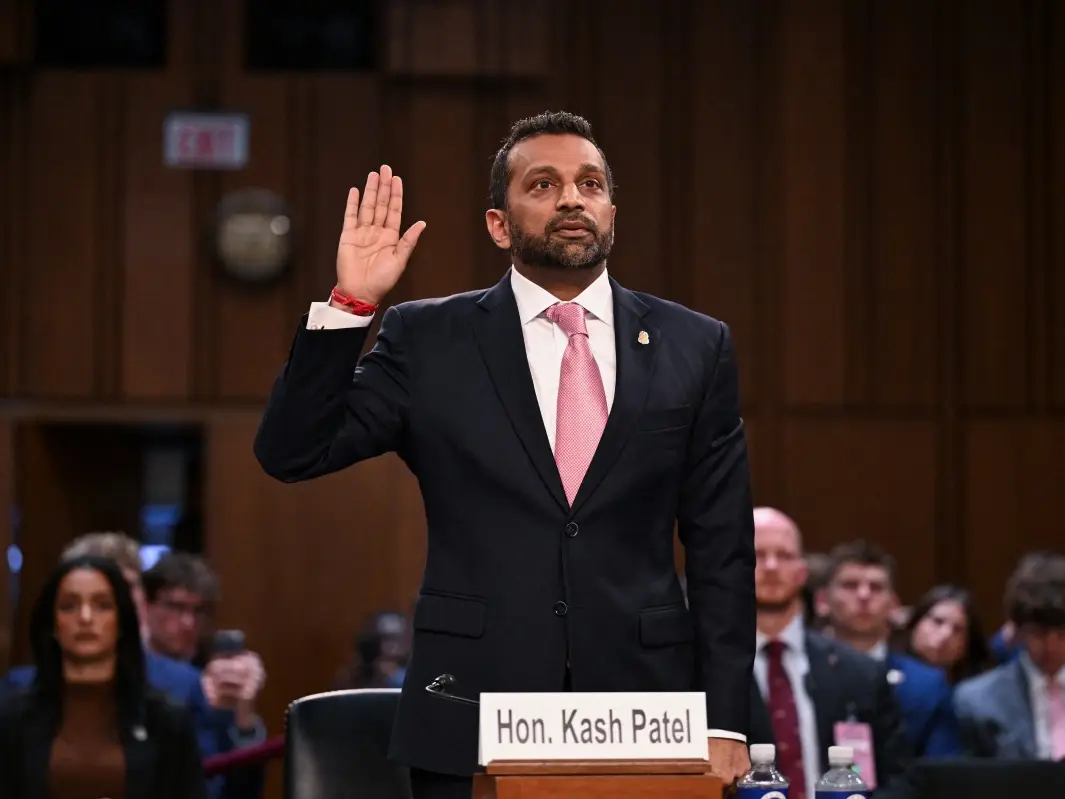)
'Like a thug you are using agency to go after..': Kash Patel grilled by Senate Democrats over FBI firings, journalist investigations and hiring policy
)
Abhishek Sharma rises to No. 2 in T20Is; ENG’s Robinson 3rd after record Pakistan Tests
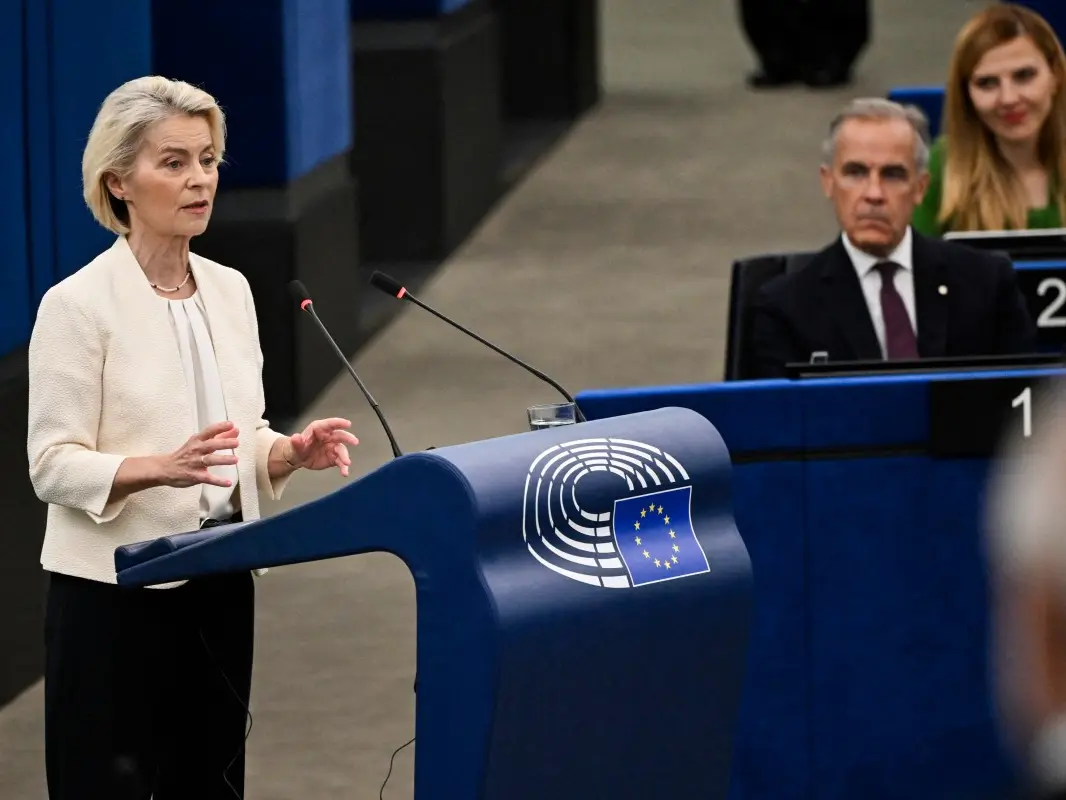)
Canada to become EU’s first ‘associate member’? Von der Leyen proposes move amid US tensions
The Federal Reserve's outlook, which calls for a modest drop in inflation and labour market stability, might lead to the central bank remaining stable until after the election. Such a step is seen to maintain economic stability without political involvement.
Political implications
Senator Brown and other Democrats have pushed the Federal Reserve to lower interest rates to increase house affordability. A rate drop before the election might potentially help President Biden in his next duel with Trump. Trump has expressed concerns that the Fed may decrease interest rates to affect the election outcome, stressing the political sensitivity of the central bank's choices.
(With inputs from Agencies)