European Union leaders discuss $1.2 trillion post-Brexit budget

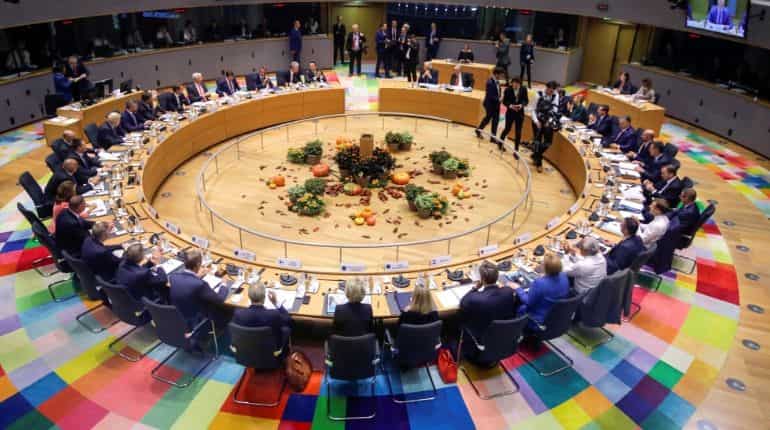
European Union leaders summit, in Brussels, Belgium
EuropeanUnionleaderswilldiscussa newbudgetplan on Friday that could allow the bloc to spend up to 1.1trillioneurosin the 2021-2027 period, but deep divisions among governments could block a deal for months.
Under a proposal prepared by Finland, which holds the EU's rotating presidency, the next long-termbudgetshould have a financial capacity between 1.03 per centand 1.08 per centof the bloc's gross national income (GNI), a measure of output.
That would allow the EU to spend between 1 and 1.1trillioneuros for seven years with its firstbudgetafter the exit from the club of Britain, one of the top contributors to EU coffers.

The document, seen by Reuters, is less ambitious than proposals put forward by theEuropeanCommission, the EU executive, which is seeking abudgetworth 1.1 per centof GNI. The EU parliament called for an even higherbudgetat 1.3 per centof GNI.
But the Finnish proposal moves beyond a 1 per centcap set by Germany, the bloc's largest economy.
Finland's midway solution has displeased most of the 27 EU states, EU officials said, anticipating long negotiations before a compromise can be reached.
)
What’s in a name? Trump’s 'Lake America' move gets a tit-for-tat response from Canada
)
US judge questions Trump’s decision to ban CNN, MS NOW and Politico from White House
)
Italy hit by floods in the north, drought in the south
)
'We would all be dead': Netanyahu defends decision to strike Iran's nuclear facilities in his UN speech
)
Mumbai Indians appoint Luke Williams as head coach for Women’s Premier League
)
'There will be elections': Venezuela's interim leader Delcy Rodriguez makes big announcement at UN
)
IIT Bombay CCTV footage emerges: Sahil Wakode seen looking at phone in examination hall
)
Welcome actor Mushtaq Khan dies at 56 after battling cancer
)
Shah Rukh Khan is India's richest actor, Amitabh Bachchan is second: Hurun List 2026
)
WION Iconic Tourism Summit 2026: Union Minister Shekhawat on 'experiential travel', peace diplomacy
)
250-pound WWII bomb found in Falmouth harbour in England
)
Property registration becomes faster, convenient as model sub-registrar offices open in Maharashtra
)
'AI got into my speech': Prince Harry jokes after teleprompter failure at event in New York
)
Scientists detect first radio signals directly from faraway planet
)
What’s on the menu? Inside Trump’s lavish White House state dinner for Xi
)
China to test supersonic jet that moves at Mach 2, double the speed of sound
)
Xi Jinping's 'special plane' vs Trump's Air Force One: What's the difference?
)
Forget the smartphone: This tiny gadget could be Meta’s answer to the post-smartphone era
)
Hours before Xi-Trump meeting, US announces visa curbs targeting birth tourism: What is it?
)
'Partners rather than rivals': Xi Jinping's first message after landing in US for Trump summit
)
WION Iconic Tourism Summit: Is India's travel boom outrunning its airports, airlines and hotels?
)
2,000-foot tube, laser tests and more: China builds towns to expand nuclear arsenal, satellite images show
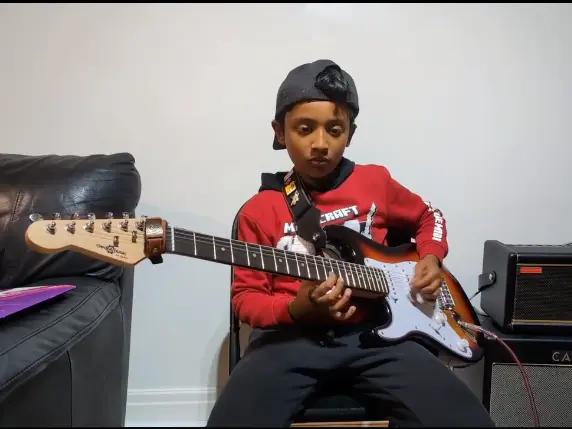)
Meet Adrian Abraham: 9-year-old Indian-origin guitar prodigy aiming for a Guinness World Record
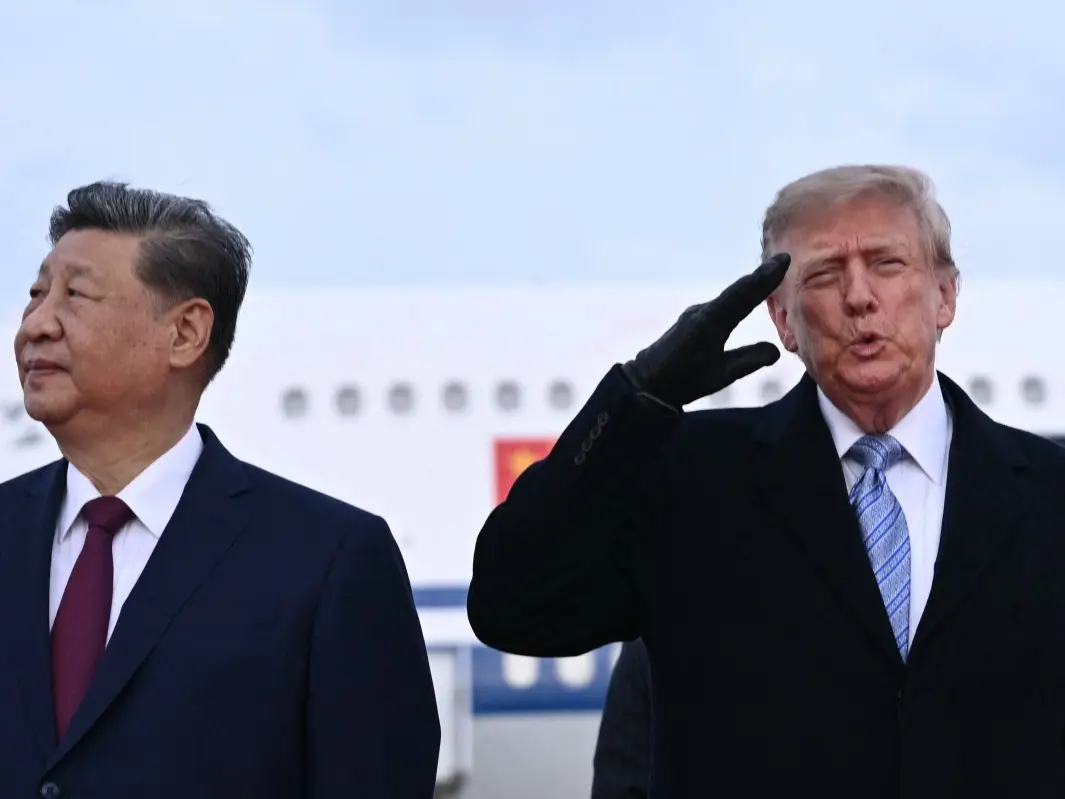)
Winter coat, gloves in September? Trump’s Xi welcome sparks social media buzz
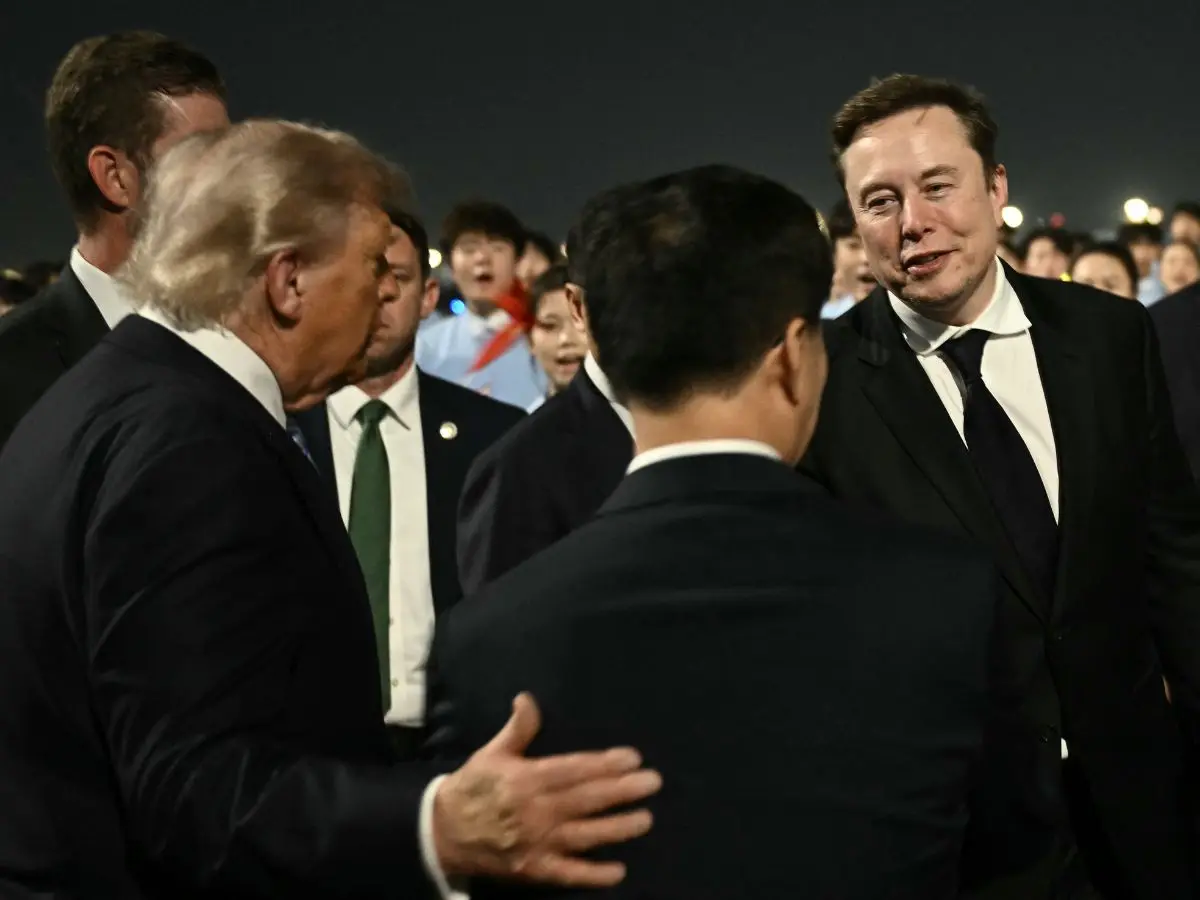)
Trump-Xi state dinner 2026: Who is invited? Full guest list of tech CEOs, business leaders and officials
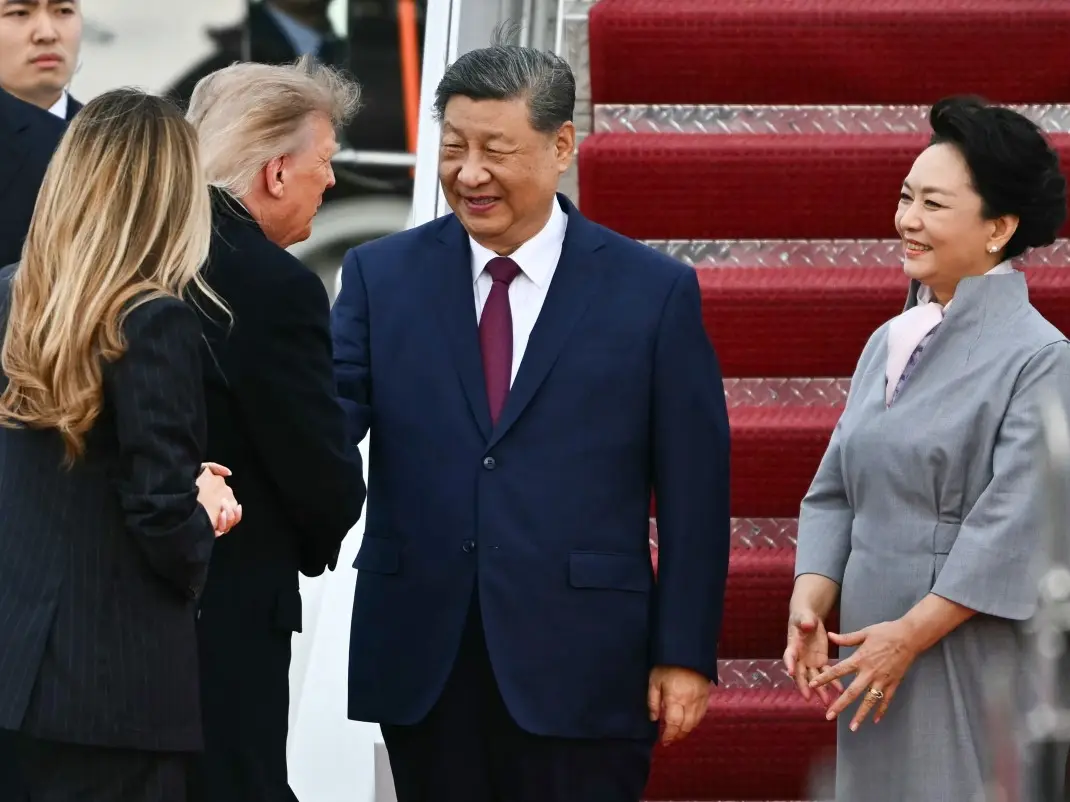)
Who is Peng Liyuan? Xi Jinping's singer wife and China's most visible First Lady
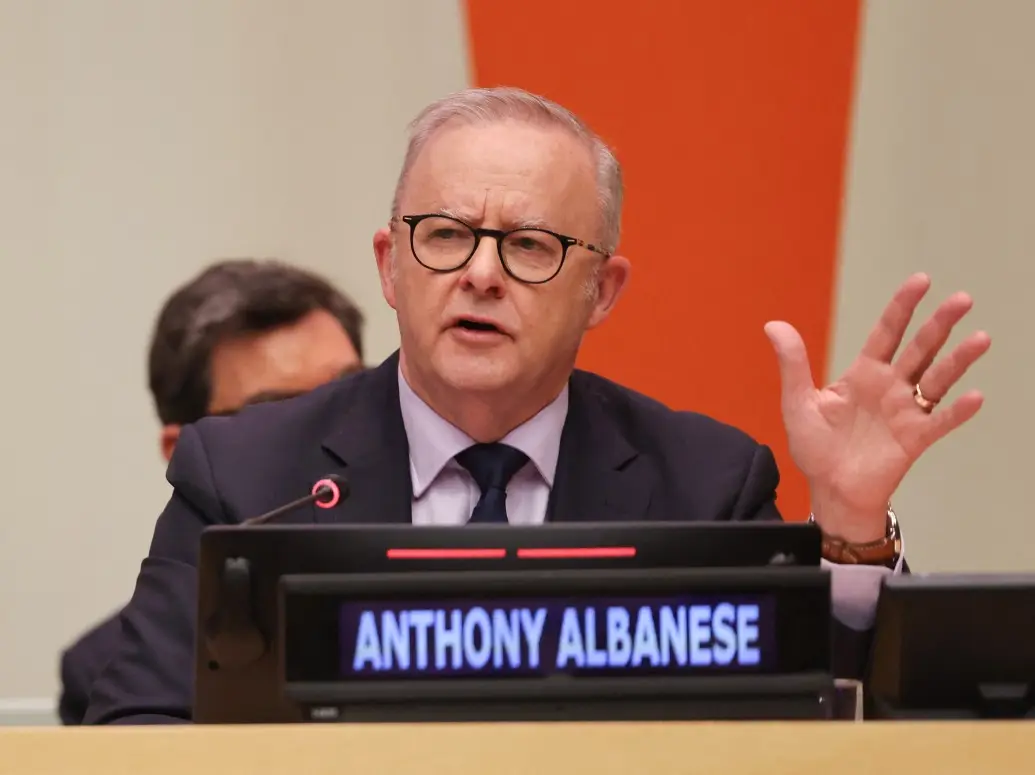)
Australian PM Anthony Albanese calls OpenAI AI incident 'unacceptable' after restricted data access
)
'What kind of confession is this?': Pakistan PM Shehbaz Sharif’s 'terrorists would be roaming New York' remark goes viral, raises alarm online. Watch
&im=FitAndFill=(700,400))
Netanyahu at UN: Mass walkout, attack on Mamdani and Iran threats | In Pics
)
Russia likely to target Spain, France and Italy in drone attacks, warns CIA: Report
)
WION Iconic Tourism Summit: How local tourism MSMEs must upskill for AI integration
)
Trump’s Board of Peace unveils $2.45bn Gaza plan,66 projects: But where’s the money?
)
‘Both will lose in confrontation’: Xi says US and China should ‘coexist in peace’
)
For the first time, the UN Security Council sat US and Chinese AI makers at the same table
)
EC appointment law: Why is the 2023 act controversial, and what happens next? WION explains
)
Israeli envoy to US Yechiel Leiter’s son critically injured in West Bank ramming attack
&im=FitAndFill=(700,400))
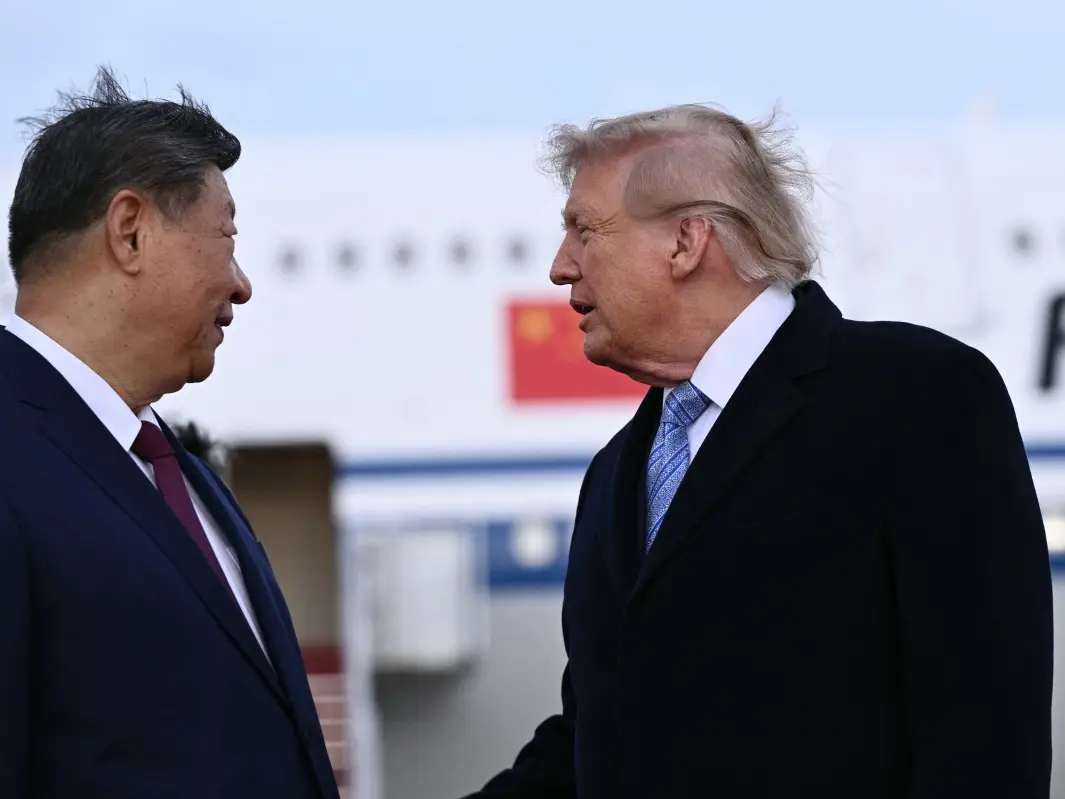
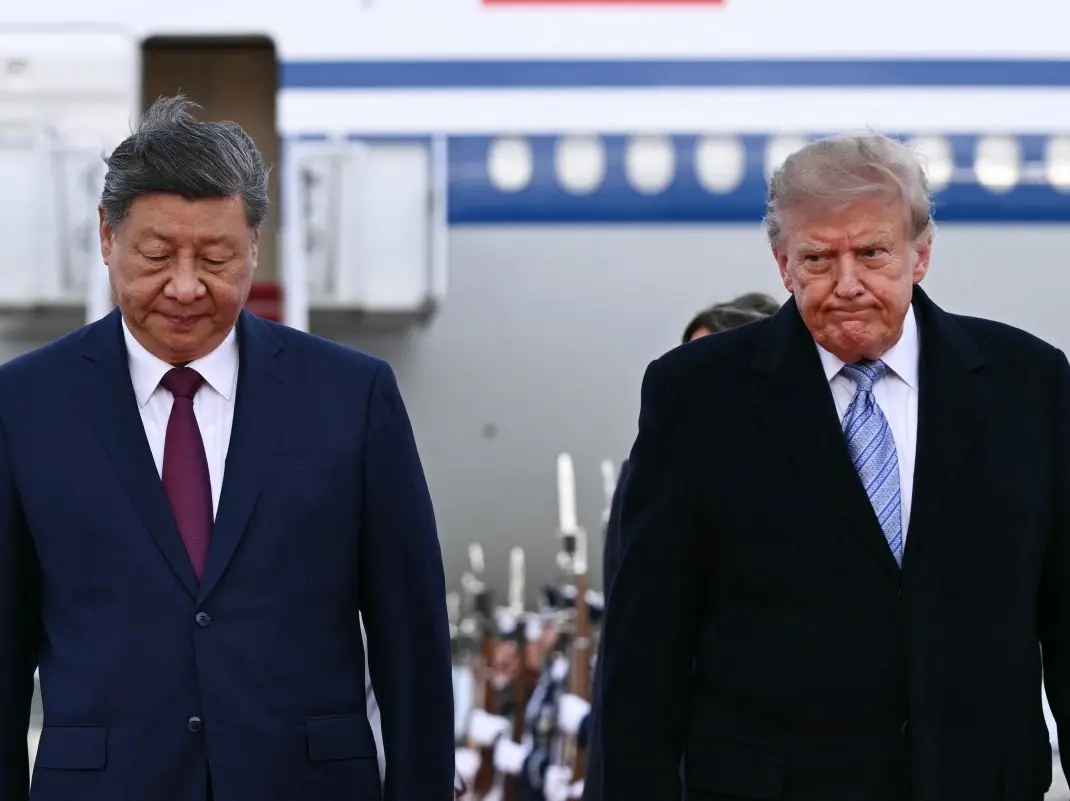
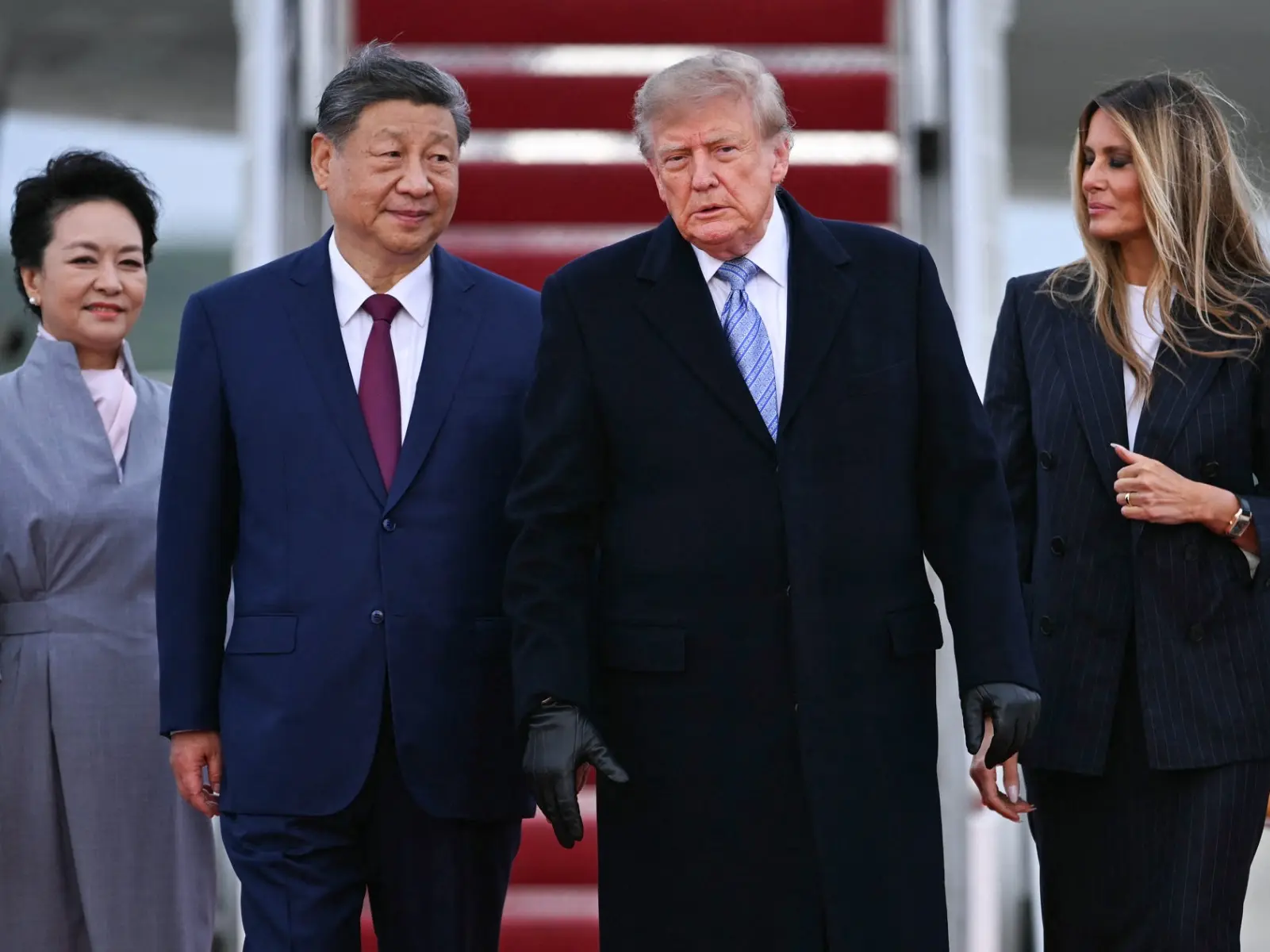
Trump welcomes Xi Jinping in rare airport gesture: Photos from Chinese President's arrival in US
)
WATCH | China President Xi Jinping lands in US as Trump greets him ahead of high-stakes summit
Talks onbudgets are traditionally among the most divisive in a bloc that in recent years has become increasingly prone to quarrels, as its states are deeply split over economic policies, financial reforms and how to handle migrants.
The Finnish proposal, which cuts spending on farmers and poorer regions, has managed to unite the divided EUleadersin its criticism.
"The text has caused nearly unanimous dissatisfaction," a diplomat involved in the talks said.
While the bloc has embarked on a range of new expensive policies, such as protecting its borders and increasing social security, states are reluctant to pay more.
Germany and other Nordic supporters of a smallerbudgetargue that because ofBrexit, they would pay more into EU coffers even with a 1 per centcap because they would need to compensate for the loss of Britain's transfers.
Eastern and southern states, who benefit from EU funds on poorer regions and agriculture, are keen to see a biggerbudget, and are not happy with Finland's proposed cuts on these sectors.
Under the proposal, subsidies to poor regions would drop to less than 30 per centof thebudgetfrom 34 per centnow, while aid to farmers would fall to slightly more than 30 per centfrom over 35 per centof the total.
To complicate matters, the newbudgetshould also include rules that would suspend funding to member states with rule-of-law shortcomings, such as limits to media freedom or the independence of judges.
This is irking states like Poland and Hungary which Brussels has long accused of breaches in the rule of law after judiciary and media reforms adopted by their far-right governments.
Friday's meeting is seen as a starting point and is not supposed to find a compromise, but divisions are so deep that many officials fear a deal may not be reached by a self-imposed December deadline. A later deal would delay the launch of spending programmes.
The Finns remained confident, however, and insist their suggested spending range would eventually be backed by EU states. "The fact that almost everybody is against our text shows we have put forward a fair proposal," one diplomat said.