Decoding US Federal Reserve's annual bank stress test scenarios


A street sign for Wall Street is seen outside the New York Stock Exchange
The US Federal Reserve has unveiled the scenarios for its annual bank stress tests, which assess the resilience of financial institutions to adverse economic conditions.
There is heightened investor, analyst, and regulatory attention this year due to the failure of three banks in 2023 and ongoing disputes between large banks and the Fed regarding proposed capital increases.
Last month's report of losses on commercial real estate loans by New York Community Bank has further intensified concerns, leading to a significant drop in its share value.

The commercial real estate (CRE) sector faces challenges stemming from financing constraints due to high interest rates and reduced office occupancy rates caused by the widespread adoption of remote work.
The stress test's most severe scenario mirrors last year's, featuring a 36 per cent decline in house prices and a 40 per cent decline in commercial real estate prices, along with the US unemployment rate reaching 10 per cent.
Kevin Fromer, CEO of the Financial Services Forum, representing the CEOs of the largest eight US banks, told Reuters: "The nation’s largest banks ... are strong, highly capitalized, and an important source of support to American households and businesses, even in the face of significant economic headwinds."
)
The Verdict | When precision fails: US commits war crime in Minab school strike, UN finds
)
Arvind Kejriwal, family members, Delhi CM Rekha Gupta get SIR notices
)
Russia extends ban on Western food imports for two more years in extended sanctions countermeasure
)
Trump wants to rename ‘Artificial Intelligence’, gives 3 options: Which one would you pick?
)
Russia-Europe tensions: Polish PM warns Russian attacks could test NATO's unity
&im=FitAndFill=(700,400))
How many F-35s does Britain, Japan and Israel have?
)
Mark Carney mimics Trump in hilarious moment over C$70 billion clean-energy investment; room erupts in laughter
)
Trump bans CNN, MS NOW and Politico from White House over ‘FAKE NEWS’
)
Ed Sheeran addresses Macklemore's removal, Gaza conflict during Philadelphia concert: 'I cannot hide how I feel'
&im=FitAndFill=(700,400))
‘Not the US or China’: These are the countries leading the world in arable land
)
How did an Australian river with 500 crocodiles pass the Olympic test? Here's how
)
Africa is splitting, and a lot sooner than estimated, giving way to a new ocean
)
US-Iran war: Tehran draws red lines — seven demands before any peace talks
)
Trump announces ‘AI Force’ as debate grows over AI risks and regulation
)
Harry Brook targets long reign at top of T20I rankings after Sri Lanka sweep
)
Iran sets 7 conditions to end war with US: What are Tehran’s demands?
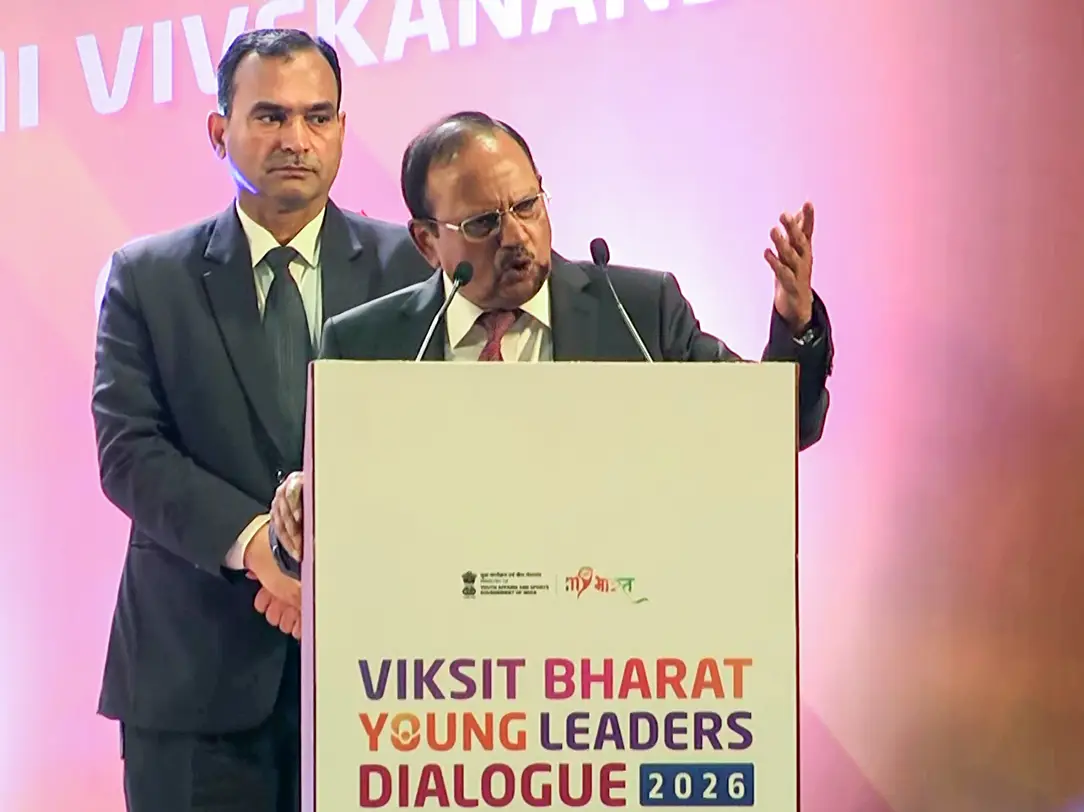)
‘End of my career...’: NSA Doval recalls tense Sikkim mission when China captured Indian intelligence team
)
Reacher star Alan Ritchson opens up about alleged blackmail, suicide attempt during difficult period
)
Brigitte Bardot’s private collection set for Paris auction; key items and prices revealed
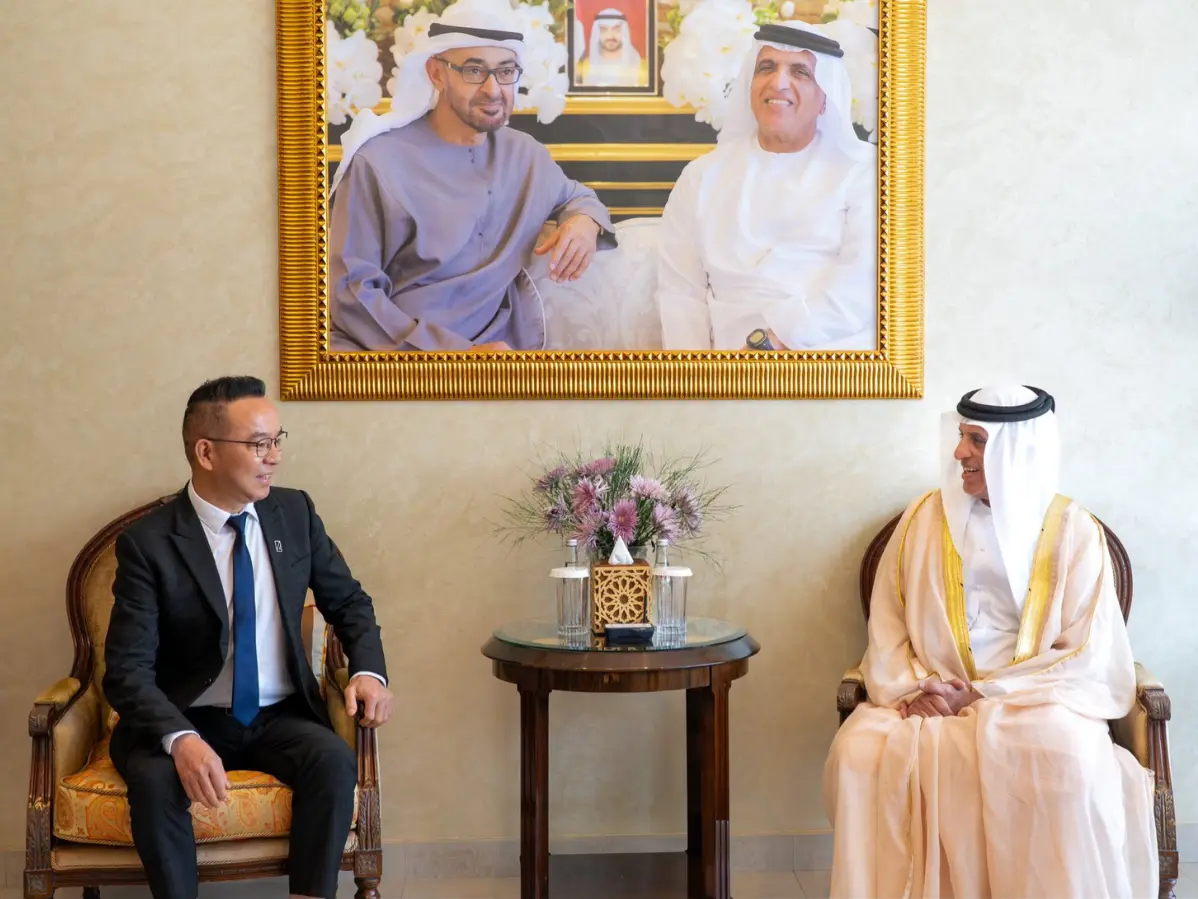)
Flying cars in UAE: Ras Al Khaimah signs deal with Chinese company to test new transport
)
9 women found dead near Johannesburg: South Africans rally, demand 'enough' to femicide
)
Trump defends AI amid growing alarm, announces new 'AI force' and promises an 'AI czar'
)
Russia's deadly Ukraine strikes kill 2 in Sumy, hit Dnipro mall
)
US-Iran war: Tehran sets seven conditions to re-engage in talks with US
)
Trump 2.0: Dark days ahead for America’s ‘imperial presidency’
)
Raphinha hat-trick powers Barcelona to 3-1 win over Sevilla in La Liga
&im=FitAndFill=(700,400))
Meet top 5 Indian batters with fastest T20I centuries
66 years of the Indus Waters Treaty: How India and Pakistan settled a bitter river dispute
)
China may have gained access to US's classified F-35 jets; parts meant for repairs diverted to Hong Kong, sparking Pentagon inquiry
)
‘Will go to any extent’: Pakistan vows to defend Saudi Arabia amid Houthi attacks
)
Russia holds first parliamentary elections since the beginning of the Ukraine war
)
Cochin shipyard starts building Indian Navy's next-gen missile vessels
)
Pentagon revives mandatory testosterone testing for male troops aged 30 and above
)
Nigeria: Protesters take to the streets, police fire shots
)
Gaza under attack: Health chief's son killed in IDF strikes
)
Saudi vs Houthis: Houthis claim missiles & drones used in attack on key Saudi sites
)
How is this year's testdifferent?
This year's stress test introduces an "exploratory analysis" component that will assess banks' resilience to a broader array of risks beyond the traditional scenarios.
The Fed disclosed that this exploratory analysis will not impact capital requirements but will include simulations of funding stresses leading to the rapid repricing of a significant portion of deposits at large banks, akin to the stresses observed in March 2023.
Additionally, the largest and most complex banks will undergo testing against a scenario involving the failure of five large hedge funds.
The Federal Reserve has announced plans to release the stress test results, including firm-specific data, in June 2024. The findings of the exploratory shock analysis will be published in aggregate, offering insights into the banking system's overall resilience.
What is Stress Test?
A stress test, particularly in the context of banking, is a simulation conducted by regulatory authorities, such as the Federal Reserve in the United States, to assess the resilience of top financial institutions to adverse economic conditions.
These stress tests, initiated after the 2007-2009 financial crisis, determine the capital requirements for banks to maintain their health and assess their ability to distribute capital to shareholders through dividends and share buybacks.
These tests subject banks to hypothetical scenarios, such as severe economic downturns or financial crisis, to evaluate their ability to withstand such stress without becoming insolvent.
The aim is to ensure that banks hold sufficient capital to continue operating and lending even under adverse circumstances, thereby safeguarding financial stability.
(With inputs from Reuters)