Triple cosmic affair, universe's 'soft reboot', unfolds on August 12 - Eclipse, meteor shower and planetary parade

On August 12, three amazing cosmic events will unfold one after the other. It will start with a total solar eclipse, then the Perseid meteor shower and end with the six-planet parade. Netizens are calling it a ‘triple feature’ by the universe.
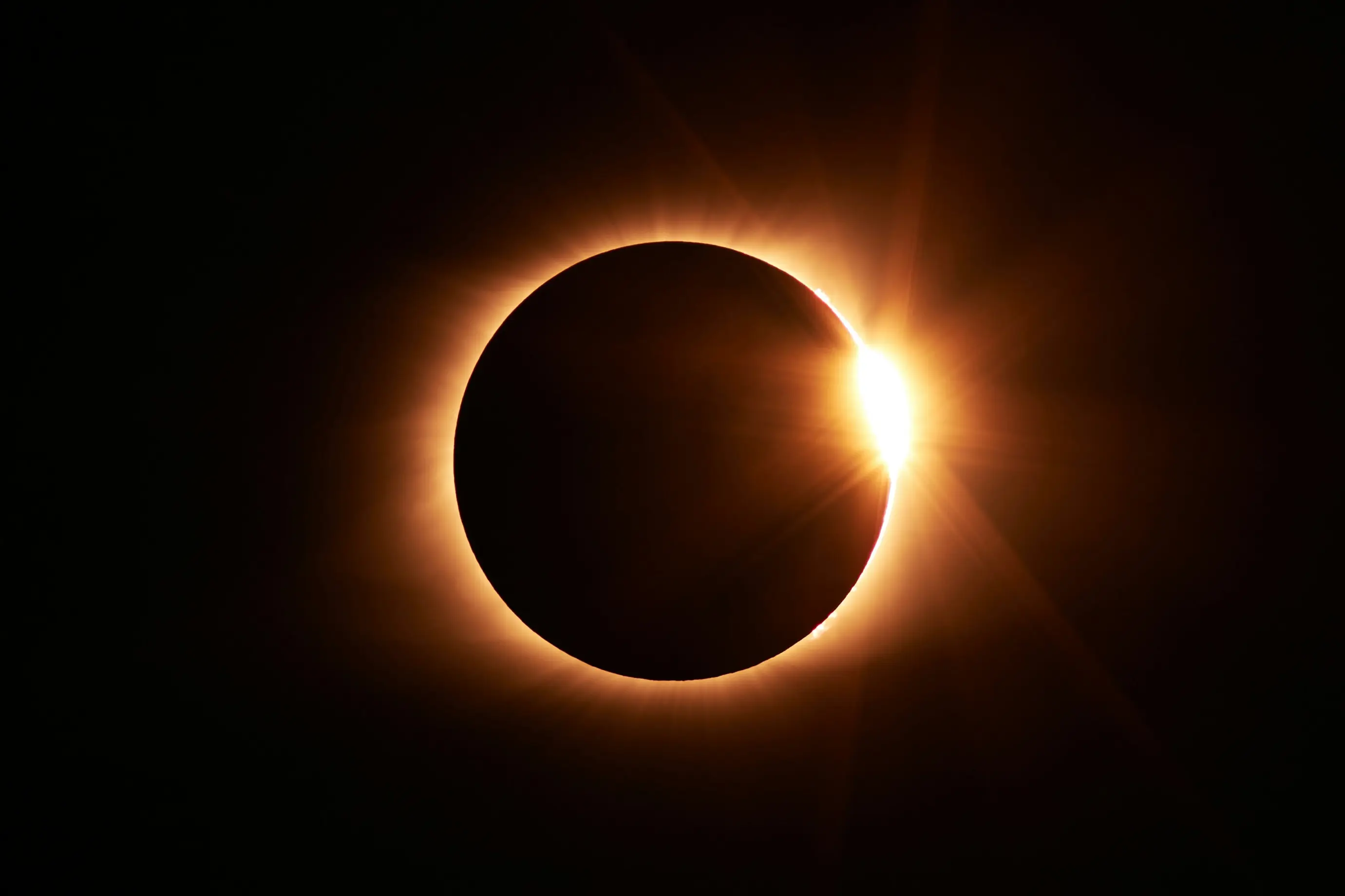
Triple cosmic feature slated to happen on August 12
August 12 is set to be a stargazer's delight, with the total solar eclipse, the peak of the Perseid meteor shower and a planetary parade all packed into one day. Each is predicted to happen within hours of the others, which will keep astronomers busy. This "triple feature" by the universe has caused a flurry of reactions from netizens who cannot believe that three major events are lined up for the same day.
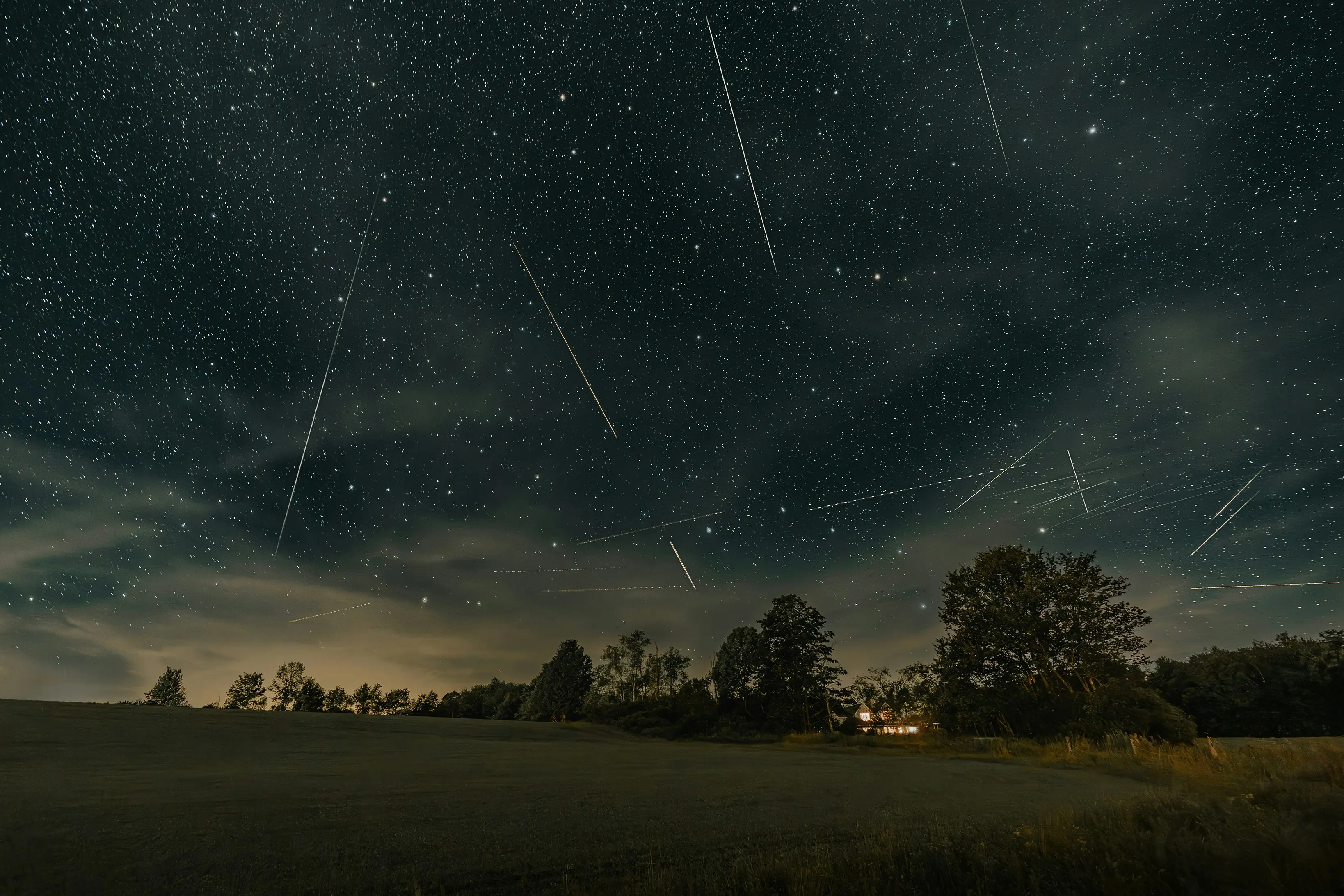
Cosmic coincidence surprises netizens
Social media users have been quick to start conversations around strange things, and this triple feature is no exception. With the weirdest cosmic coincidence scheduled to take place, some think it is a sign. It possibly spells disaster and doom, according to some. People took to social media to share their fears, ranging from the Rapture to a zombie apocalypse.
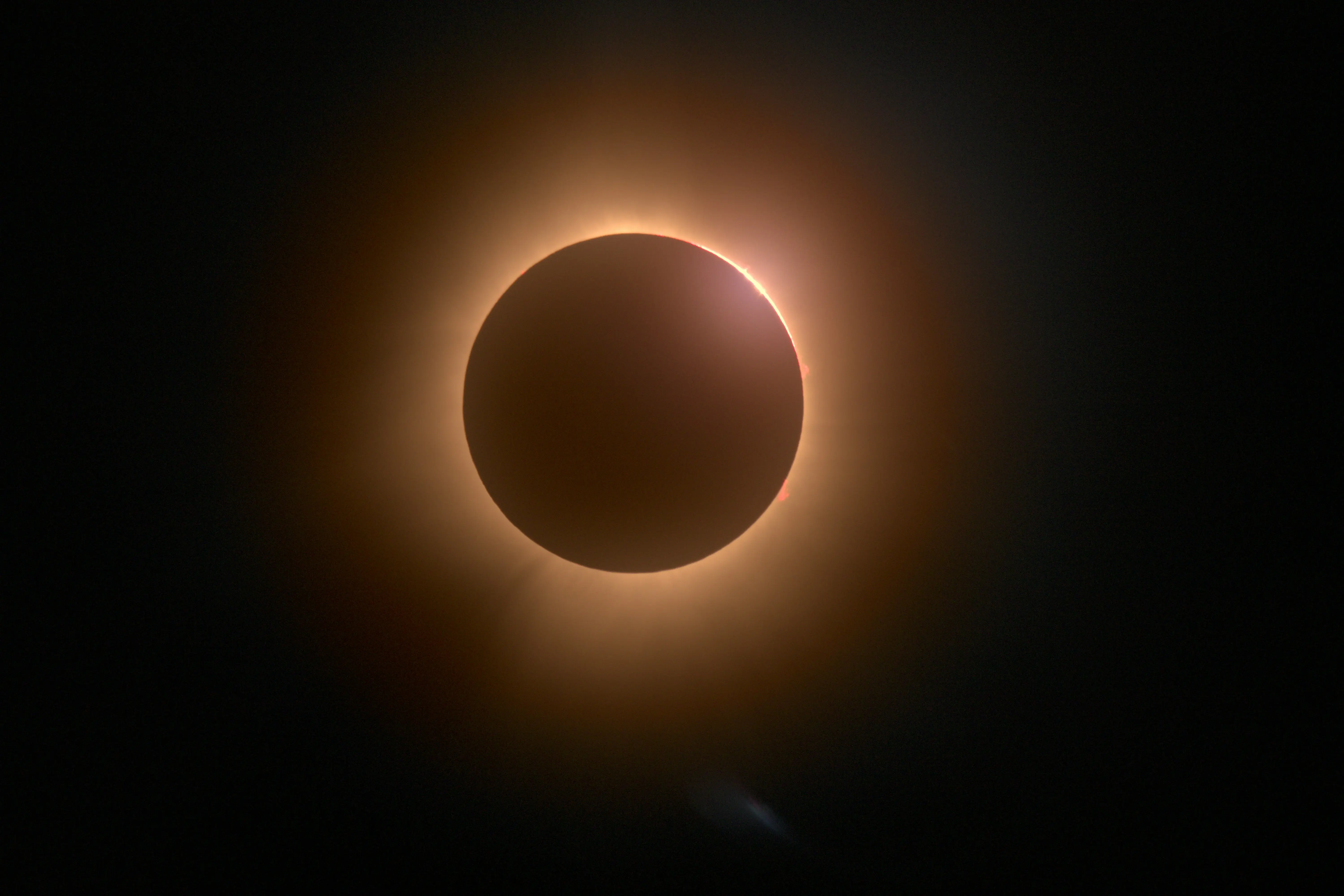
'Soft reboot' by the universe?
Commenting on the astronomical events, a user wrote that this could be the universe's way of a "soft reboot", while another said, "astronomy got a season finale." One of them called it "literally doomsday." However, it is clearly just a stroke of luck and nothing more. The chatter has triggered curiosity about the three events. Here is what you need to know about all of them.
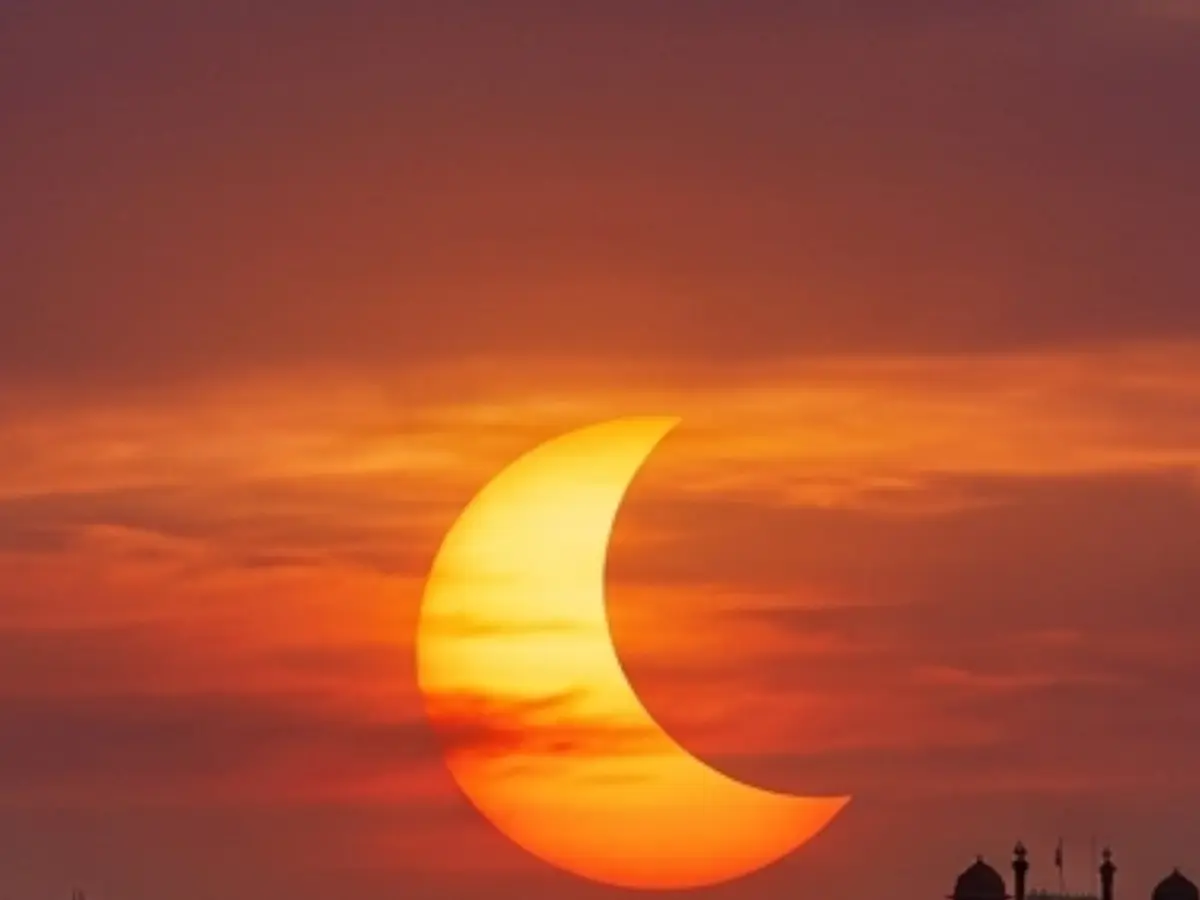
Total solar eclipse
August 12 will bring with it a total solar eclipse, which will be the first to be visible from mainland Europe since 1999. The moon will entirely cover the Sun, and people in Northern Russia, Greenland, Iceland, the North Atlantic Ocean, Northern Spain and a small part of northeastern Portugal will witness totality. Other parts of Europe, northwestern Africa, most of Canada and parts of North America will get to see a partial eclipse.
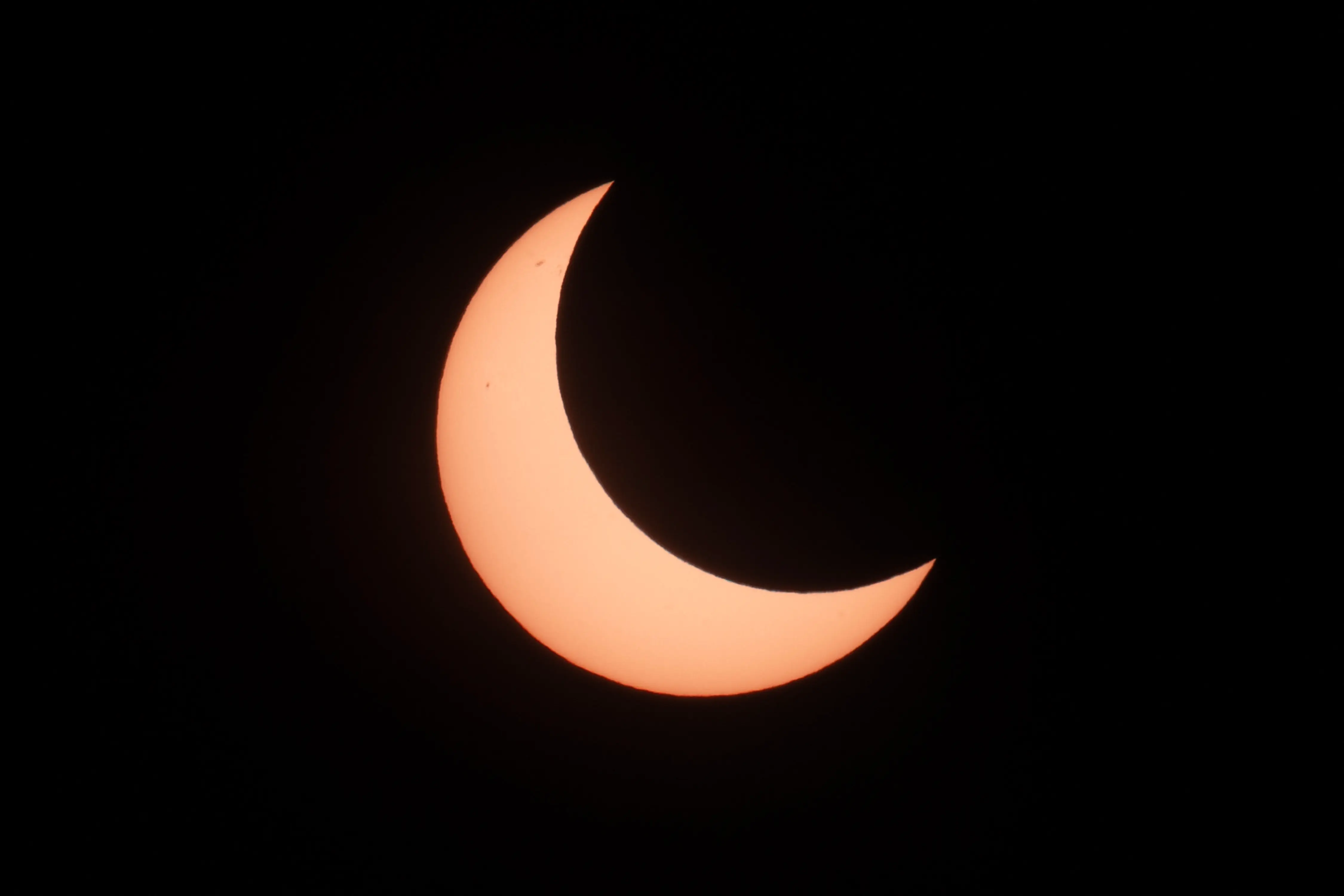
Sunset eclipse on August 12
It will be a sunset eclipse, meaning the Moon obstructs the Sun close to the horizon. The glowing corona of the Sun will cast red and orange colours into the sky, and it will be best viewed from the Mediterranean, over the sea, where there will be no obstructions. Experts say it will be a better eclipse to see compared to those that occur overhead.
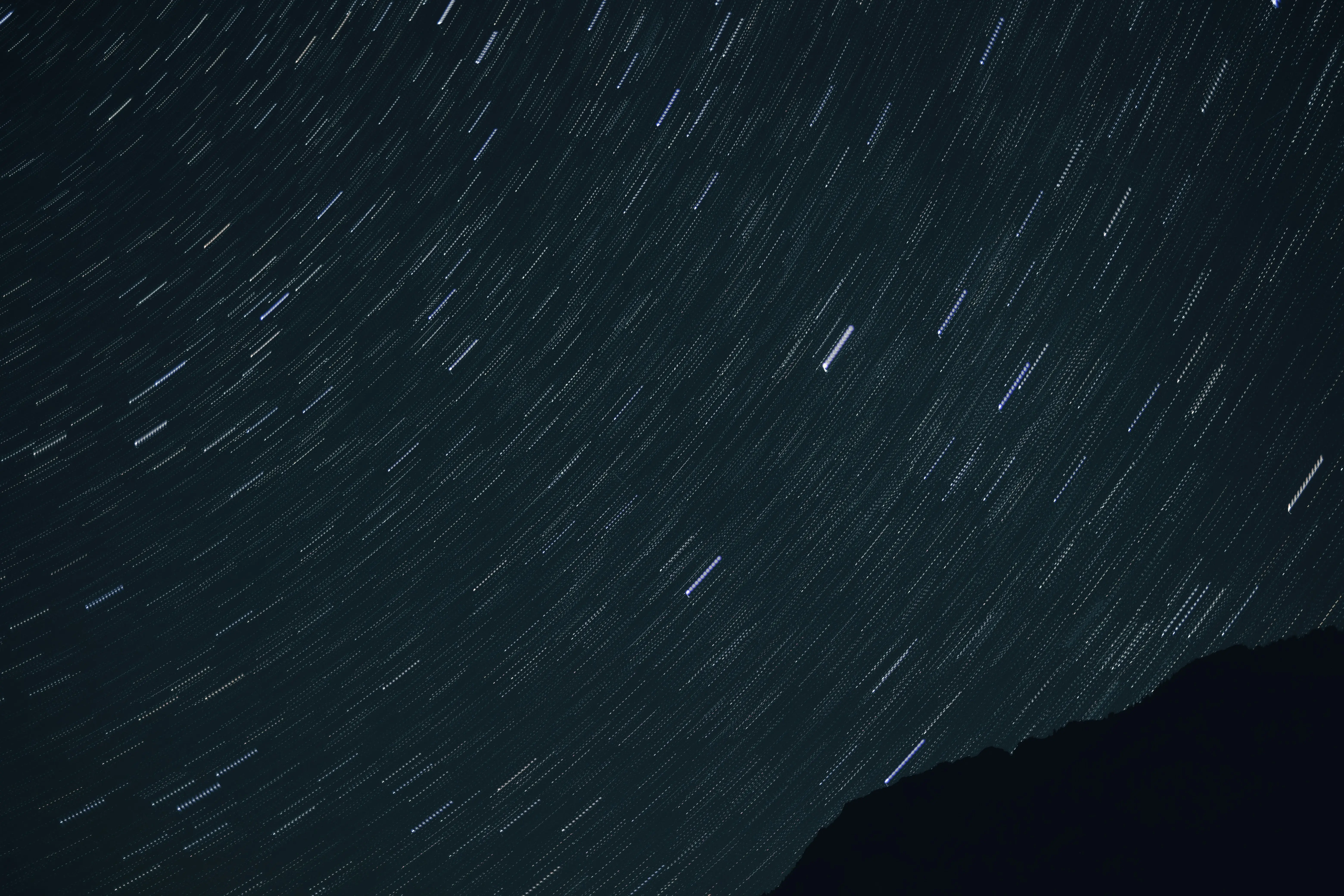
Perseid Meteor Shower
One of the most popular meteor showers, the Perseids, will reach its peak on the night of August 12-13. It will produce more than 100 meteors per hour. The peak is occurring close to a new moon, offering dark skies for the best views. In India, the meteor shower will be best viewed between 2:00 am and 4:30 am IST. Expect to see a colourful and bright shower.
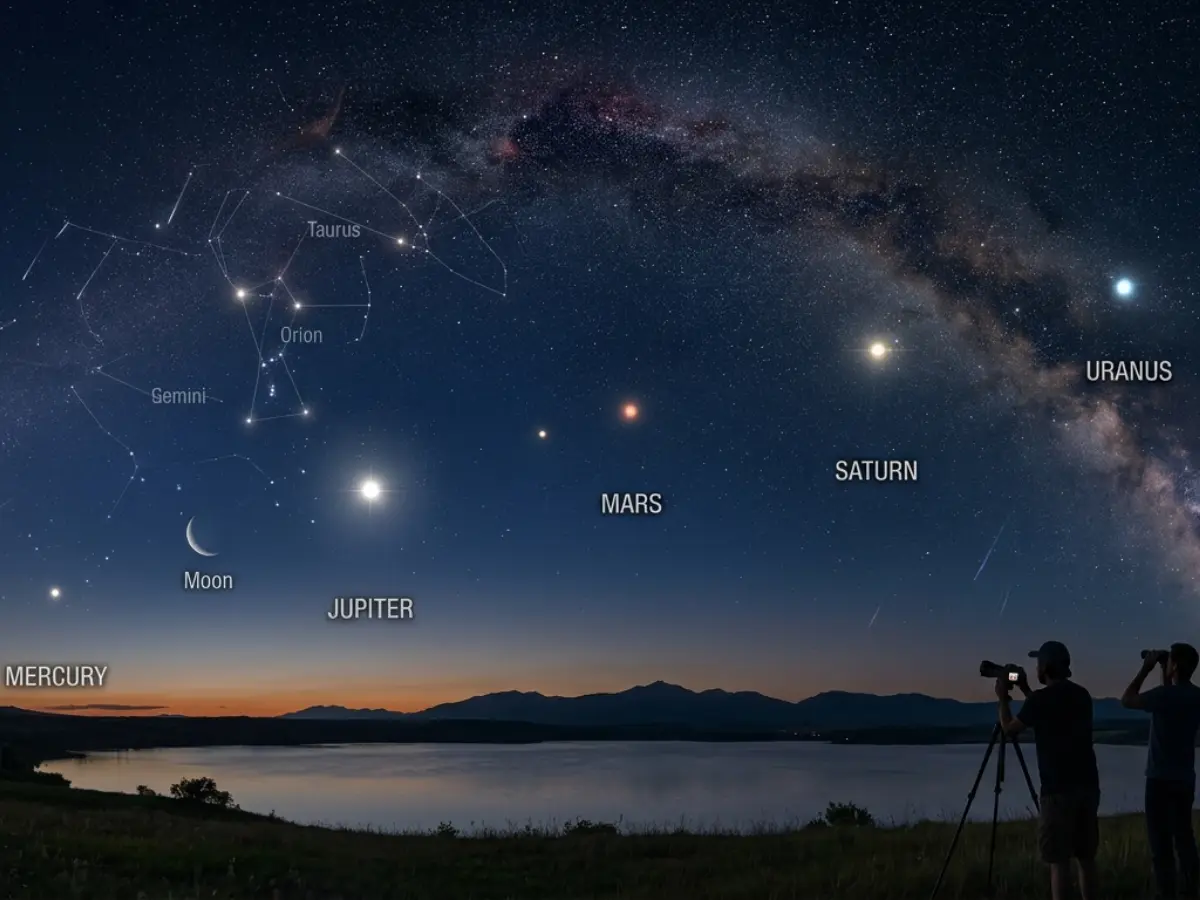
Planetary parade of six bodies
On the night of August 12, six planets are lining up in the sky. Again, being a dark night because of the new moon and the eclipse, the visibility is expected to be pretty clear. Mercury, Jupiter, Mars, Saturn, Uranus and Neptune will all be visible on the night. Although they won't be lined up, but scattered across the dawn sky. Jupiter, Saturn, Mars, and Mercury will be visible with the naked eye. Mercury will be very low on the horizon, so it might be difficult to see. Uranus and Neptune will require binoculars or a telescope. The best time to watch them will be 60 to 90 minutes before sunrise. All in all, the three cosmic events will start in the evening and end by dawn.
)
)
)
)
)