Davos 2026 | The real Kerala story: How the south Indian state enjoys top quality of life, HDI ranking and internet for all

&imwidth=600&imheight=450&format=webp&quality=medium "Davos 2026 | The real Kerala story: How the south Indian state enjoys top quality of life, HDI ranking and internet for all")
Kerala enjoys top quality of life, high HDI ranks and internet for all Photograph: (Others)
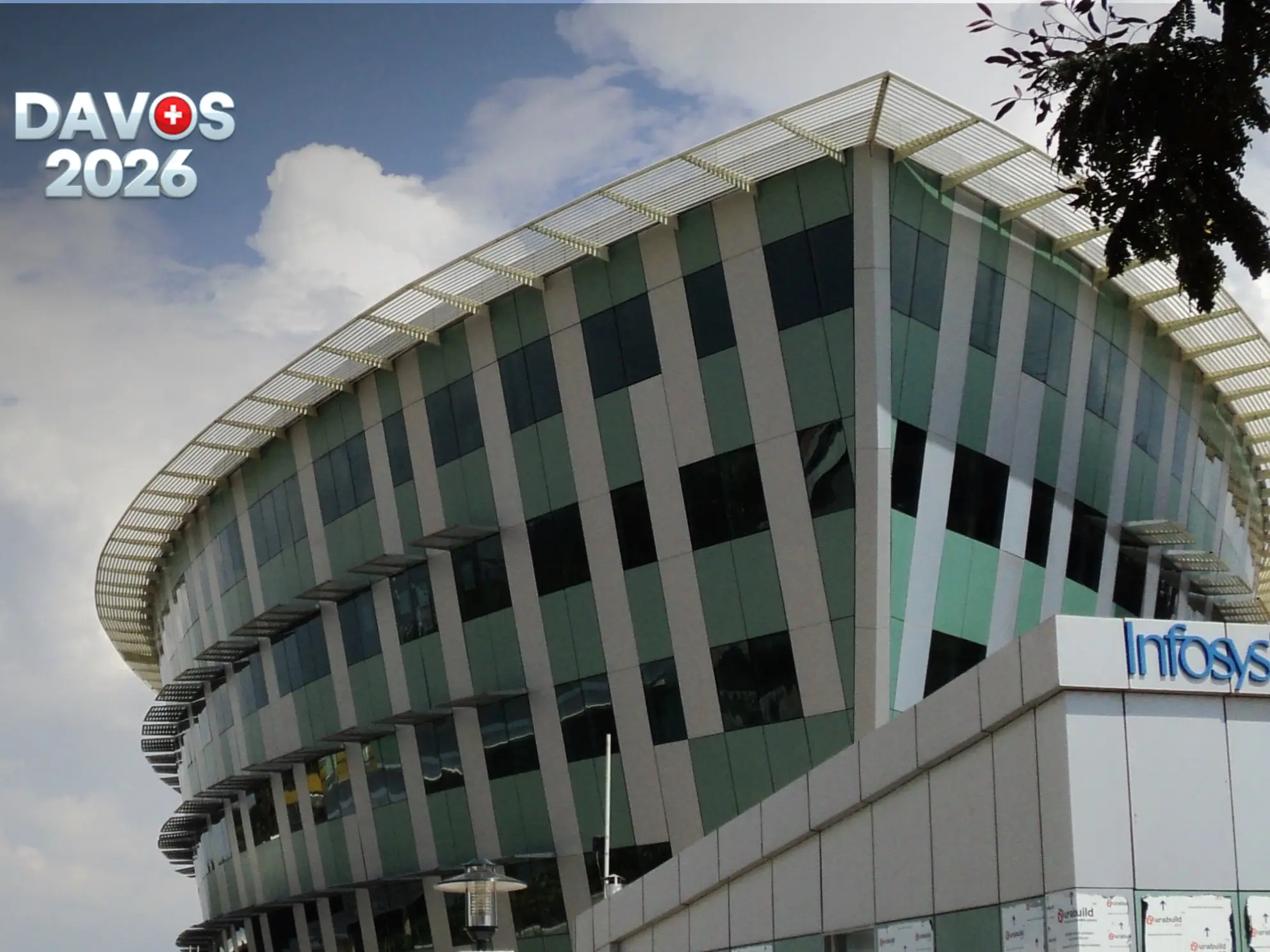
At World Economic Forum in Davos, India's Kerala is highlighting its investor-friendly ecosystem, driven by high HDI, top SDG rank, clean air, digital literacy, high-speed internet, strong infrastructure, and a unique decentralised urban-industrial model.
Kerala is showcasing its industrial development and investor confidence at the World Economic Forum in Davos, being held on January 19-23. The south Indian state continues to offer one of the best quality of life in the nation, and consistently tops human development index (HDI). The best living standards in India play a crucial role in attracting global talent and senior leadership to the state.
Kerala ranks high on Human Developent Index , sustainable development goals
Kerala retained its top position in the NITI Aayog Sustainable Development Goal (SDG) India Index of 2023-24, with a score of 79 out of 100. Kerala’s Human Development Index (HDI), at 0.758, is comparable to that of many developed nations. The state also maintains the highest Physical Quality of Life Index (PQLI) at 95.34.
Environmental Excellence: Kerala offers good air quality crucial to today's businesses
Kerala has an average Air Quality Index (AQI) of 26, which is significantly cleaner than the national average. This ensures a healthy environment for the workforce, as "Quality of Life" is a major draw for global firms’ senior leadership and expats.
With a far superior AQI compared to other industrial hubs and excellent social infrastructure, Kerala makes it easy for companies to attract and maintain top-tier executive talent.
High social stability and low crime rates also enable a business-positive environment. Kerala has a healthy, educated, and satisfied population, which ensures social stability and low crime rates. These are key requirements for a stable business environment.
Trending Stories
&im=FitAndFill=(700,400)&imwidth=280&imheight=210&format=webp&quality=medium)
&imwidth=280&imheight=210&format=webp&quality=medium)
&imwidth=280&imheight=210&format=webp&quality=medium)
&imwidth=280&imheight=210&format=webp&quality=medium)
&imwidth=280&imheight=210&format=webp&quality=medium)
&imwidth=280&imheight=210&format=webp&quality=medium)
&imwidth=280&imheight=210&format=webp&quality=medium)
&imwidth=280&imheight=210&format=webp&quality=medium)
&imwidth=280&imheight=210&format=webp&quality=medium)
&imwidth=280&imheight=210&format=webp&quality=medium)
&imwidth=280&imheight=210&format=webp&quality=medium)
&imwidth=280&imheight=210&format=webp&quality=medium)
&imwidth=280&imheight=210&format=webp&quality=medium)
&imwidth=280&imheight=210&format=webp&quality=medium)
&imwidth=280&imheight=210&format=webp&quality=medium)
&imwidth=280&imheight=210&format=webp&quality=medium)
&imwidth=280&imheight=210&format=webp&quality=medium)
&imwidth=280&imheight=210&format=webp&quality=medium)
&imwidth=280&imheight=210&format=webp&quality=medium)
&imwidth=280&imheight=210&format=webp&quality=medium)
&imwidth=280&imheight=210&format=webp&quality=medium)
&imwidth=280&imheight=210&format=webp&quality=medium)
&imwidth=280&imheight=210&format=webp&quality=medium)
&imwidth=280&imheight=210&format=webp&quality=medium)
&imwidth=280&imheight=210&format=webp&quality=medium)
&imwidth=280&imheight=210&format=webp&quality=medium)
&imwidth=280&imheight=210&format=webp&quality=medium)
&im=FitAndFill=(700,400)&imwidth=280&imheight=210&format=webp&quality=medium)
&im=FitAndFill=(700,400)&imwidth=280&imheight=210&format=webp&quality=medium)
&imwidth=280&imheight=210&format=webp&quality=medium)
&imwidth=280&imheight=210&format=webp&quality=medium)
&imwidth=280&imheight=210&format=webp&quality=medium)
&imwidth=280&imheight=210&format=webp&quality=medium)
&im=FitAndFill=(700,400)&imwidth=280&imheight=210&format=webp&quality=medium)
&imwidth=280&imheight=210&format=webp&quality=medium)
Rural-urban continuum: Kerala’s unique "Continuous City" model
Kerala has a unique geography that provides a strategic advantage for logistics and decentralised industrial growth. Unlike other states with a single primate city, Kerala operates as a polycentric network of towns, offering a "rural-urban continuum".
State-run high-speed internet and 100 per cent digital literacy: Key advantages of Kerala
Kerala Fibre Optic Network or K-FON is the Kerala government's project to provide high-speed internet across the state at affordable rates. K-FON aims to bridge the digital divide by offering free connections to below poverty line (BPL) families and low-cost plans for others. This vast optical fibre network connects homes, businesses and government offices for enhanced e-governance, education, and digital access.
K-FON, made available in every corner of the state, combined with 100 per cent digital literacy, ensures that the state has world-class infrastructure crucial for global firms.
Kerala’s climate-smart zoning and local governance for sustainable urbanisation
Kerala Urban Policy Commission (KUPC) recently submitted a report, paving the way for "City Cabinets" in Thiruvananthapuram, Ernakulam, and Kozhikode. This envisions climate-smart zoning and metropolitan-level governance, making the state a "lighthouse" for sustainable urbanisation in India.
By 2035, more than 90 per cent of Kerala’s population is projected to live in urbanised clusters, ensuring a uniform market and talent pool for investors across the state’s geography.
This prevents the "slumification" and congestion associated with rapid urbanisation. It allows for decentralised development, ensuring that the benefits of industrialisation reach every district.
Advantage for investors: No need to pay "city-centre" premiums for land in Kerala
Investors can set up manufacturing units in suburban or rural settings while still enjoying urban-grade connectivity, power, and high-speed internet. This "distributed supply chain" model reduces operational overheads and provides access to a stable and localised workforce.