
&imwidth=800&imheight=600&format=webp&quality=medium "Buffett’s Berkshire slumps on $3.8 bn Kraft Heinz loss, sits tight as tariffs loom")
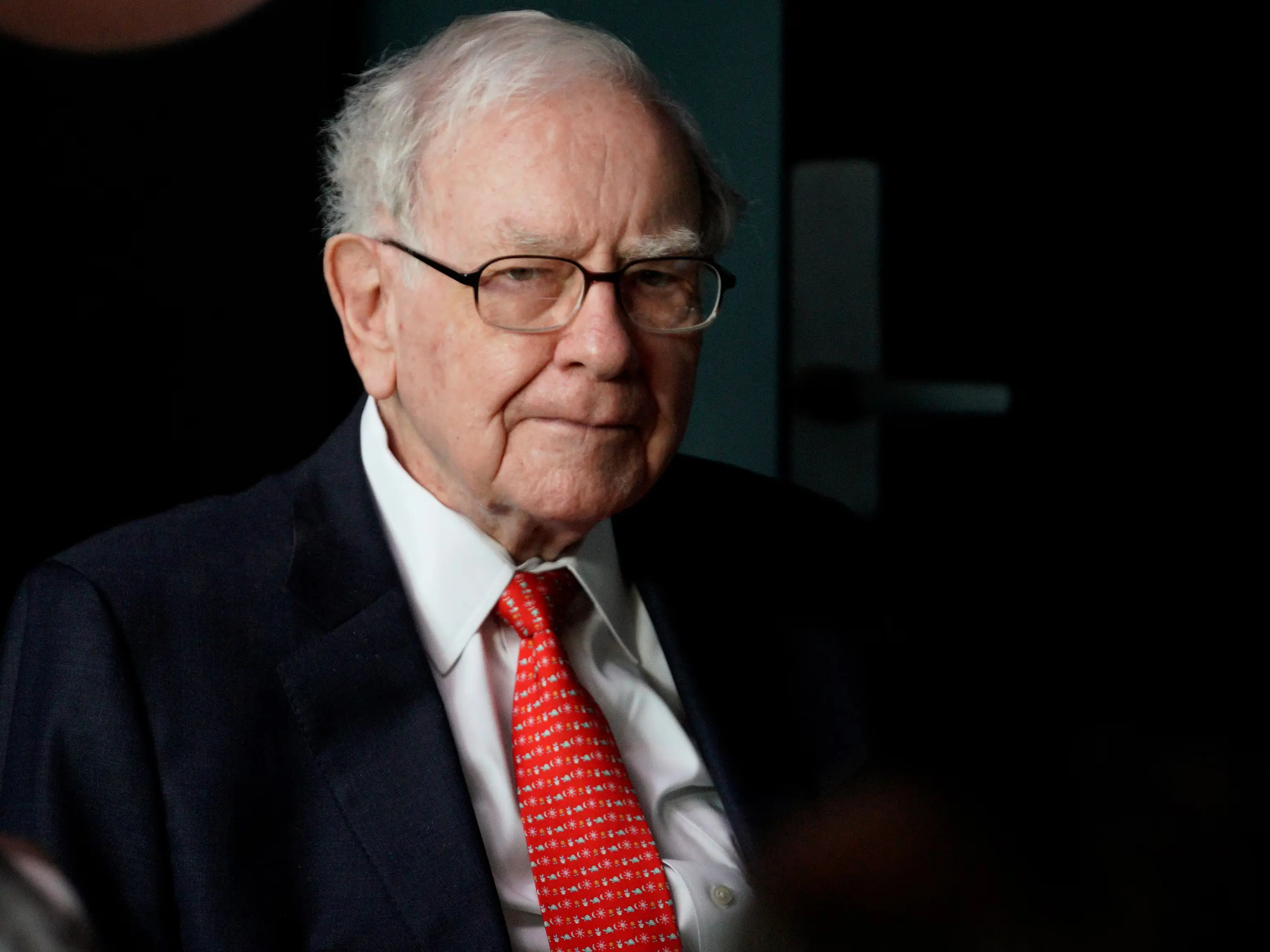
Warren Buffett’s Berkshire Hathaway took a staggering $3.76 billion after-tax write-down on its Kraft Heinz stake in the second quarter, a signal that one of its largest investments has fallen significantly short of expectations. As reported by Reuters, the write-down slashed Berkshire’s overall net income by 59 per cent, while operating profits also declined, reflecting growing concerns over market valuations, global trade uncertainties, and lacklustre performance across key businesses.
A tough quarter for Buffett
Berkshire reported second-quarter operating income of $11.16 billion, down from $11.6 billion a year ago. Net income, which includes unrealised gains and losses on Berkshire’s vast stock portfolio tumbled to $12.37 billion from $30.35 billion in the same period last year. Revenue fell 1 per cent to $92.52 billion, weighed down by weak insurance premiums and foreign exchange losses of $877 million due to a weaker US dollar.

The most notable hit came from Kraft Heinz, in which Berkshire holds a 27.4 per cent stake. The food giant recently announced it would explore strategic alternatives, including a possible breakup, after years of lagging consumer interest and shifting demand toward healthier and private-label options. Berkshire said it had carried its Kraft Heinz stake at above-market value, but changing market conditions, economic uncertainties, and longer-term intentions to remain an investor made the valuation gap “other-than-temporary”. As per Reuters, this marks the second major Kraft Heinz writedown by Berkshire, following a $3 billion markdown in 2019. Buffett had previously admitted to overpaying in the 2015 merger between Kraft Foods and H.J. Heinz, calling it one of his major investment missteps.
Cash pile swells, stock buying stalls
Despite the earnings drag, Berkshire’s cash hoard grew to $344.1 billion, just shy of its all-time high. According to Reuters, the company once again sold more stocks than it bought, for an 11th straight quarter suggesting that Buffett and his team view current market valuations as unattractive.
Trending Stories
)
AI kill switch explained: Why shutting down a dangerous AI may not be as simple as pressing a button
)
US ships in Indian Ocean ‘will be attacked’ if war resumes, warns Iran
)
SNL UK takes aim at Ed Sheeran with AI Princess Diana sketch
)
Trump says he'll build an 'AI Force' and appoint a czar, for 'high IQ' people only
)
‘0% chance’: Nvidia CEO Jensen Huang dismisses AI extinction fears by 2030
&im=FitAndFill=(700,400))
What TSMC's 2nm technology means for Apple
)
'Were you here to sell chickpeas?': Wasim Akram criticises Babar Azam's captaincy
)
Sikh bus driver assaulted, bus stolen and rammed into cars in England; video surfaces
)
Mark Carney mimics Trump in hilarious moment over C$70 billion clean-energy investment; room erupts in laughter
&im=FitAndFill=(700,400))
Top 10 countries in mathematics: See the world’s best performers in 2026
)
Apple reportedly building AI server with M8 Ultra chips, may use Nvidia technology
)
TIFF 2026: Theja Rio’s Angh wins Platform Prize, puts Nagaland story on global stage
)
BTS' fans question iHeartRadio’s treatment of group after brief festival set
)
Samsung raises Galaxy S26 prices by Rs 20,000: Here’s what each model now costs
)
Operation Sindoor’s hidden naval dimension | MoD reveals Indian Navy Special Forces joined May 7 strikes
)
Bessent meets China’s He Lifeng to prepare for Trump-Xi summit
)
Trump defends AI amid growing alarm, announces new 'AI force' and promises an 'AI czar'
)
S Jaishankar, former Army chief among high-profile names issued Delhi SIR notices
)
Iran sets 7 conditions to end war with US: What are Tehran’s demands?
)
Trump announces ‘AI Force’ as debate grows over AI risks and regulation
)
Arvind Kejriwal, family members, Delhi CM Rekha Gupta get SIR notices
)
AI actress Tilly Norwood glitches mid-interview, switches from English to Chinese | Watch
)
Saudi vs Houthis: Houthis claim missiles & drones used in attack on key Saudi sites
)
Ed Sheeran addresses Macklemore's removal, Gaza conflict during Philadelphia concert: 'I cannot hide how I feel'
)
Saudi Arabia exits China-led mBridge digital currency platform amid Saudi-Houthi conflict
)
'Lot of things to learn from experienced players': Jayasuriya backs Rohit, Virat for 2027 ODI World Cup
)
Chancellor Friedrich Merz vows to stay on as exit polls signal major poll setback
)
North Korea's nuclear tests triggered 1,399 earthquakes: Earth is still shaking | Gravitas
)
Several petrol pumps, other businesses to refuse UPI payments above Rs 2,000 from Oct 16: Is it legal?
)
Kampala-Ankara rift deepens: Uganda suspends military ties, seeks Fred Lumbuye's extradition
)
AUS vs ZIM, 3rd ODI: Ellis stars as Australia edge Zimbabwe by one wicket in last-over thriller
)
West Indies Squad for India Series: Hetmyer included for T20Is, Holder rested
)
China now makes advanced memory chips without the machines it was banned from buying
)
Trump in ‘deciding mode’ on Iran, says ‘very big things’ going to happen soon
)
Harry Brook targets long reign at top of T20I rankings after Sri Lanka sweep
)
Microsoft executive called AI training the ‘largest theft of labour in human history’
)
Munich Mayor taps first keg to kick off Oktoberfest
Buffett has not repurchased Berkshire stock since May 2024, signalling further caution even as US and global equities test record highs. Analysts cited by Reuters say President Trump’s escalating tariff regime, particularly on consumer goods and critical imports has likely raised the bar for new investments.
“Buffett definitely views the market as overvalued, and will sit back and wait for something to come to him,” said Kyle Sanders, an analyst at Edward Jones, as quoted by Reuters.
Mixed signals from operating units
Berkshire’s vast operating empire also offered a mixed performance. The group’s insurance underwriting profits fell 12 per cent, dragged down by weaker results in reinsurance and smaller carriers. However, Geico, its flagship auto insurer, saw a modest 2 per cent increase in pre-tax underwriting profit, though analysts warned that Trump’s 25 per cent tariffs on Chinese parts could raise future claims costs.
The company’s rail and utilities segments fared better. Railroad operator BNSF posted a 19 per cent profit increase due to lower fuel expenses, despite flat volumes. Meanwhile, Berkshire Hathaway Energy saw earnings rise 7 per cent, even as the company flagged uncertainty over Trump’s One Big Beautiful Bill Act, which could disrupt the economics of renewables, grid storage, and transmission investment.
Post-Buffett era jitters weigh on stock
Shares of Berkshire have dropped over 12 per cent since Buffett announced on May 3 that he would step down as CEO at year-end. Vice Chairman Greg Abel, 63, is set to take over, while Buffett remains chairman. But as per Reuters, the company is already feeling the weight of the so-called “Buffett premium” beginning to erode, with the stock underperforming the S&P 500 by 22 percentage points in that time.
“Berkshire and the economy are both at inflection points,” said Cathy Seifert, analyst at CFRA Research, speaking to Reuters. “The combination of mediocre results, a lack of buybacks, and succession uncertainty is not what the market wants to see.”
Waiting for a better pitch
For now, Buffett appears content to sit on the sidelines with his record cash stockpile, avoiding new bets in a market clouded by tariff uncertainty, inflation pressures, and geopolitical volatility. The 93-year-old billionaire, who built Berkshire into a $1 trillion empire, remains cautious and with the US economy flashing mixed signals, investors may need to wait longer for his next “elephant-sized” acquisition.
(With inputs from the agencies)