BSE, NSE crash: 6 reasons why the Indian stock market crashed ahead of Trump tariff

&imwidth=600&imheight=450&format=webp&quality=medium "BSE, NSE crash: 6 reasons why the Indian stock market crashed ahead of Trump tariff")
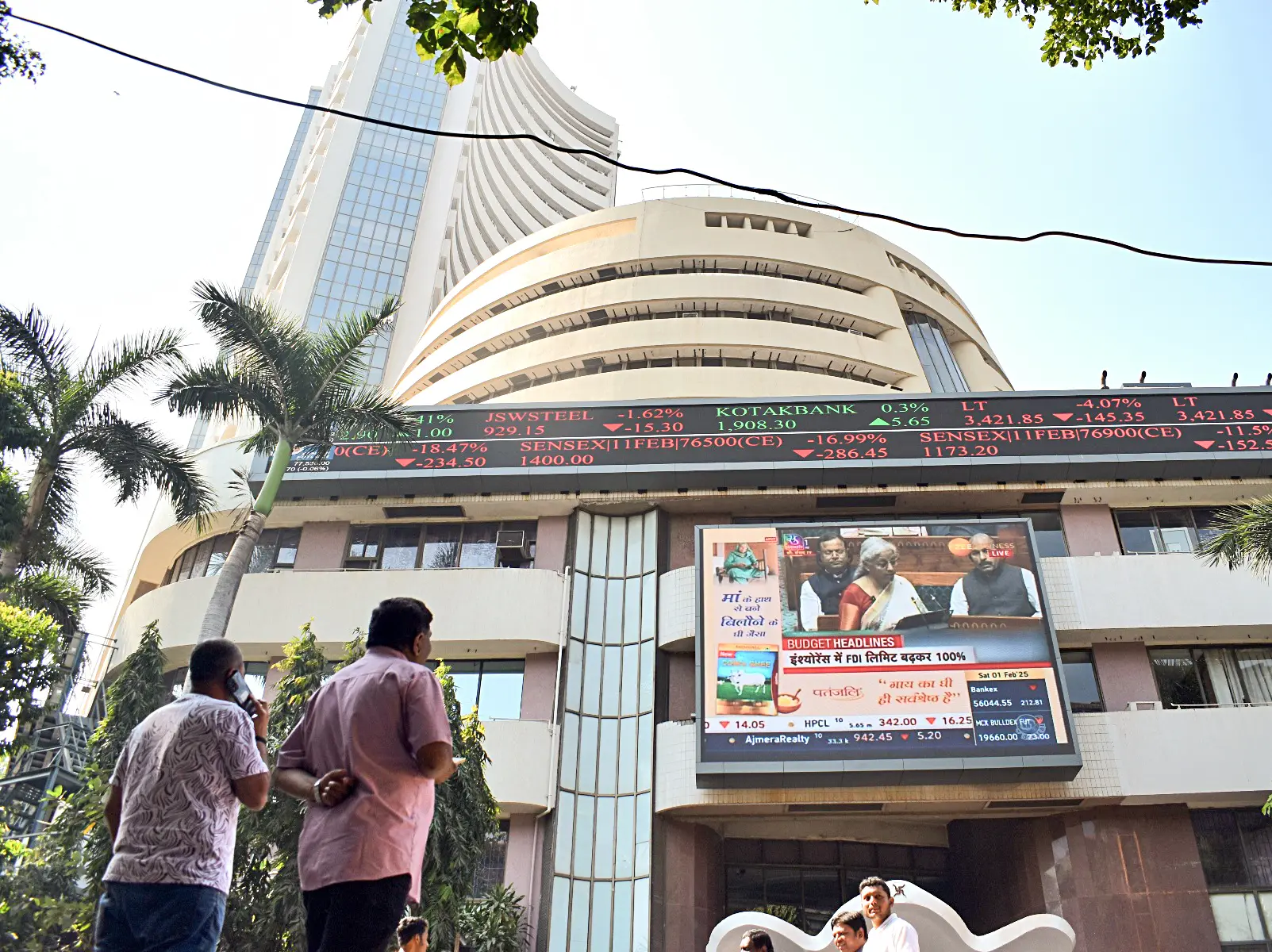
Bombay Stock Exchange Photograph: (ANI file)
The Bombay Stock Exchange and the National Stock Exchange crashed in early trade, a day before US President Donald Trump's tariff against India will take effect. Here's why the Indian stock market crashed.
The Bombay Stock Exchange (BSE) Sensex and NSE's Nifty 50 plummeted on Tuesday morning because of a variety of factors, including the anxiety for Donald Trump's additional tariff on India taking effect on August 27. At 11.18 am, Sensex was at 81,101.35, down 534.55 points; Nifty was at 24,806.55 points, down 161.20 points. At one point, Sensex, which opened at 81,377.39, crashed nearly 700 points.
Why is the Indian stock market falling?
Trump tariff fears
In July, US President Donald Trump imposed a 50 percent tariff on Indian exports to the United States as a penalty on New Delhi for buying Russian oil and weapons. The tariffs will take effect on August 27. There were hopes that Donald Trump and Vladimir Putin would arrive at an agreement on Ukraine during their Alaska Summit. However, the hopes were dashed after the summit turned out to be inconclusive. On Monday, Fitch Ratings said in its outlook report that the tariff would likely hamper business sentiment in India. The stock market crash is the result of apprehensions about Trump's tariffs.
FII selling
Foreign institutional investors (FII) continued their selling spree in India to look for better avenues to park their investments amid a stable US dollar. On August 25, FIIs pulled Rs 2,466 crore out from Indian equities on August 25. In the first half of August, FIIs pulled out Rs 31,889 crore across eight sectors, including the financial and technology sectors. FII outflows weighed in on investor sentiment.
Trending Stories
&imwidth=280&imheight=210&format=webp&quality=medium)
&imwidth=280&imheight=210&format=webp&quality=medium)
&imwidth=280&imheight=210&format=webp&quality=medium)
&im=FitAndFill=(700,400)&imwidth=280&imheight=210&format=webp&quality=medium)
&imwidth=280&imheight=210&format=webp&quality=medium)
&imwidth=280&imheight=210&format=webp&quality=medium)
&imwidth=280&imheight=210&format=webp&quality=medium)
&imwidth=280&imheight=210&format=webp&quality=medium)
&imwidth=280&imheight=210&format=webp&quality=medium)
&imwidth=280&imheight=210&format=webp&quality=medium)
&imwidth=280&imheight=210&format=webp&quality=medium)
&imwidth=280&imheight=210&format=webp&quality=medium)
&imwidth=280&imheight=210&format=webp&quality=medium)
&imwidth=280&imheight=210&format=webp&quality=medium)
&imwidth=280&imheight=210&format=webp&quality=medium)
&imwidth=280&imheight=210&format=webp&quality=medium)
&imwidth=280&imheight=210&format=webp&quality=medium)
&imwidth=280&imheight=210&format=webp&quality=medium)
&imwidth=280&imheight=210&format=webp&quality=medium)
&imwidth=280&imheight=210&format=webp&quality=medium)
&imwidth=280&imheight=210&format=webp&quality=medium)
&imwidth=280&imheight=210&format=webp&quality=medium)
&imwidth=280&imheight=210&format=webp&quality=medium)
&imwidth=280&imheight=210&format=webp&quality=medium)
&imwidth=280&imheight=210&format=webp&quality=medium)
&imwidth=280&imheight=210&format=webp&quality=medium)
&imwidth=280&imheight=210&format=webp&quality=medium)
&imwidth=280&imheight=210&format=webp&quality=medium)
&im=FitAndFill=(700,400)&imwidth=280&imheight=210&format=webp&quality=medium)
&imwidth=280&imheight=210&format=webp&quality=medium)
&imwidth=280&imheight=210&format=webp&quality=medium)
&imwidth=280&imheight=210&format=webp&quality=medium)
&imwidth=280&imheight=210&format=webp&quality=medium)
&imwidth=280&imheight=210&format=webp&quality=medium)
Global cues
Weak global cues exacerbated the situation in the Indian stock market, dampening the sentiment. Japan's Nikkei and Korea's Kospi declined by about 1 per cent each. It was after Donald Trump sacked Federal Reserve Governor Lisa Cook, raising doubts over the independence of the US central bank. Other major global stock markets also witnessed a slump.
Profit booking
Another reason for the market crash could be profit booking after last week's rally. The markets performed well, riding on the central government's proposal to eliminate the Goods and Services Tax (GST) slabs.
Rupee weakens
The Indian rupee lost its fifth straight session as it slipped 22 paise to 87.78 against the US dollar. It was because the Indian traders braced for 50 per cent tariffs on Indian goods.
Crude oil prices are high
The prices of crude oil during early trade were touching their two-week highs, fuelling jitters about rising input costs.