
&imwidth=800&imheight=600&format=webp&quality=medium "As Trump fiddles with trade, dollar’s dramatic decline sparks global repercussions")
The US dollar had recently plunged to its lowest level in three years, driven by a combination of US trade policy shifts and expectations of Federal Reserve rate cuts.
This sharp depreciation, which has seen the dollar drop nearly 10 per cent against a basket of major currencies, has reverberated across global markets, causing ripple effects on economic growth and inflation worldwide.
The dollar’s steep drop this year comes at a time when the Trump administration’s policies, including its unpredictable trade stance and pressure on the Federal Reserve, have unsettled global investors.

The trade tariffs imposed under Trump’s leadership have altered trade relations, while his administration’s push for significant tax cuts amid rising deficits has further strained market confidence.
The combination of these factors, along with Trump's apparent indifference to a weakening dollar, has raised concerns among financial experts. The dollar has now lost ground against almost every major currency, including the euro, pound, and Swiss franc.
Scandinavia's currencies surge
Trending Stories
)
Trump-Xi Summit: Trade, Taiwan and the red lines shaping US-China talks | Race To Power
)
US citizen injured in Illinois after ICE agents mistook him for fugitive, hospitalised
)
US judge questions Trump’s decision to ban CNN, MS NOW and Politico from White House
)
Afghan woman cyclist who disguised herself as a boy to escape Taliban, wins Asian Games medal
)
'There will be elections': Venezuela's interim leader Delcy Rodriguez makes big announcement at UN
)
IIT Bombay CCTV footage emerges: Sahil Wakode seen looking at phone in examination hall
)
Cyclone Arnab: Landfall expected before midnight tomorrow as IMD issues orange alerts across six states
)
9 killed, several injured as tourist bus catches fire on Yamuna Expressway
)
NBA player Steven Adams shares hilarious GTA VI theory
)
WION Iconic Tourism Summit 2026: Union Minister Shekhawat on 'experiential travel', peace diplomacy
)
ICC plans T20I expansion and fewer ODIs in 2027–2031 FTP cycle: Report
)
'AI got into my speech': Prince Harry jokes after teleprompter failure at event in New York
)
Scientists detect first radio signals directly from faraway planet
)
China to test supersonic jet that moves at Mach 2, double the speed of sound
)
WION Iconic Tourism Summit: 'Hanuman Ansh' Director on blockbuster success
)
Open AI, Anthropic CEO urges caution over rapid AI development at UN Security Council, call for 'extreme care'
)
Bomb scare in New York amid UNGA: Suspicious suitcase found near UN headquarters
)
Hours before Xi-Trump meeting, US announces visa curbs targeting birth tourism: What is it?
)
'Partners rather than rivals': Xi Jinping's first message after landing in US for Trump summit
)
WION Iconic Tourism Summit: Is India's travel boom outrunning its airports, airlines and hotels?
)
WION Iconic Tourism Summit and Awards 2026: Key voices to discuss India’s tourism future
&im=FitAndFill=(700,400))
New OTT releases this week (September 21-27, 2026): Shaque: Trust No One, Hunkkaar, Don’t Be Shy- 5 new titles coming to Netflix, Prime Video and more
)
WATCH | China President Xi Jinping lands in US as Trump greets him ahead of high-stakes summit
)
Australian PM Anthony Albanese calls OpenAI AI incident 'unacceptable' after restricted data access
)
'What kind of confession is this?': Pakistan PM Shehbaz Sharif’s 'terrorists would be roaming New York' remark goes viral, raises alarm online. Watch
)
WION Iconic Tourism Summit: How local tourism MSMEs must upskill for AI integration
)
Eight USS Abraham Lincoln sailors attempted suicide, Acting Navy Secretary says
)
Pilot recreates Mona Lisa in sky over Oklahoma and Arkansas in four-hour flight: VIDEO
)
Elephants hide behind trees, stage surprise attack on poachers targeting rhinos in South Africa
)
'Putin is patient zero': Zelensky slams Russian president at UNGA, accuses him of using fighters from 47 countries
&im=FitAndFill=(700,400))
National Film Awards 2026: Kartik Aaryan, Mammootty, Yami Gautam, Randeep Hooda and other key winners
)
El Niño 2026 heats up to become strongest in 1,000 years
)
Israeli envoy to US Yechiel Leiter’s son critically injured in West Bank ramming attack
&im=FitAndFill=(700,400))
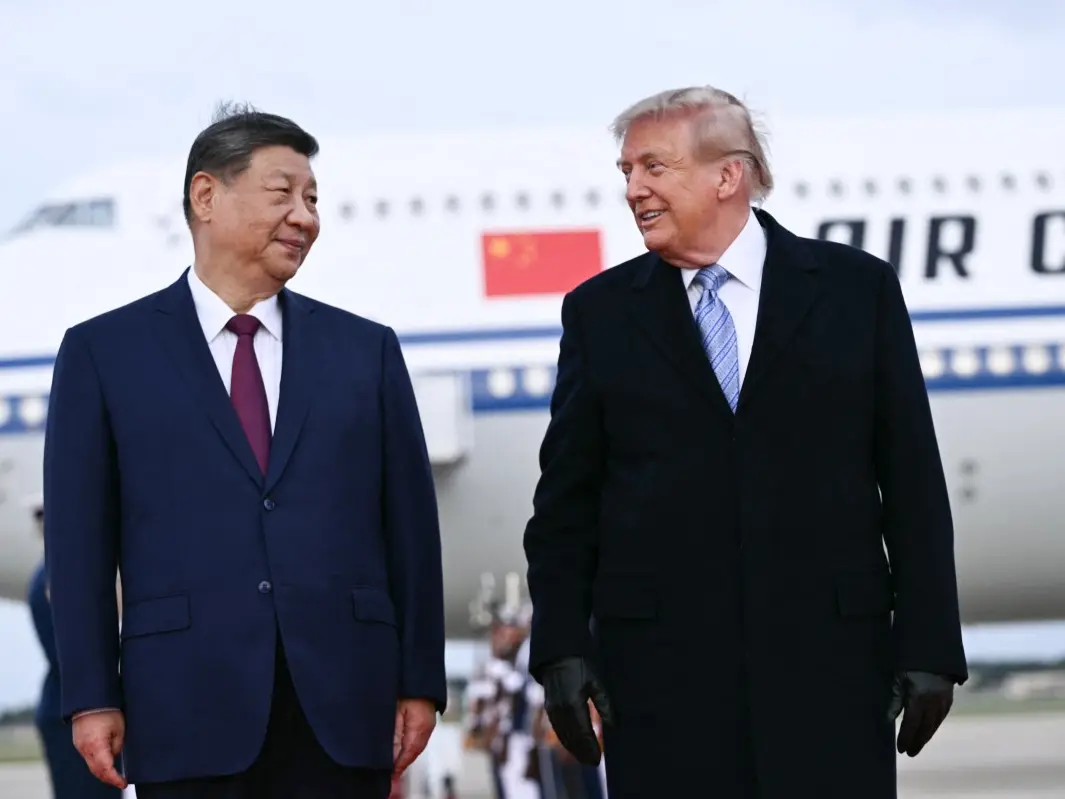
Trump welcomes Xi Jinping in rare airport gesture: Photos from Chinese President's arrival in US
)
Xi-Trump meeting: China’s human rights red line and past protests explained
Among the standout performers this year are the Scandinavian currencies. The Swedish crown has surged 14 per cent, marking its best performance against the US dollar in over five decades.
Similarly, Norway’s crown has climbed nearly 12 per cent, its strongest run since 2008. This strength can largely be attributed to the dollar's weakness, with Sweden’s currency rising by just 4 per cent against the euro and Norway’s by 1.8 per cent. Despite expectations that Sweden will cut interest rates due to slowing inflation, its currency remains resilient.
Safe-haven currencies benefit
The euro, Swiss franc, and Japanese yen have all benefited from the dollar’s fall, rising approximately 10 per cent this year. However, this strength has its own set of complications.
In Switzerland, the strengthening franc has caused deflationary pressures, as imported goods become cheaper, raising concerns about further interest rate cuts by the Swiss National Bank. The European Central Bank is also wary of the rising euro, as it risks exacerbating deflationary pressures within the Eurozone. Meanwhile, Japan is grappling with the challenges of a stronger yen, which could hurt its export-driven economy.
Shifting capital flows
In Asia, currencies tied closely to manufacturing have strengthened as well, as capital previously parked in US assets begins to flow back into the region. Taiwan’s dollar surged by 10 per cent in May alone and is up nearly 12 per cent this year.
South Korea’s won has also gained around 10 per cent, while Singapore’s dollar, Malaysia’s ringgit, and Thailand’s baht have all risen by 6 per cent. However, China's yuan has lagged, gaining only 2 per cent offshore, partly due to Beijing's efforts to manage its currency within tightly controlled parameters.
Mexico’s peso shows resilience
Despite early pressure from US trade policies, Mexico's peso has bounced back strongly, reaching its highest levels since last August. As US-Mexico trade tensions begin to ease, there are expectations that the peso could strengthen further.
Meanwhile, Argentina’s peso remains one of the year’s weakest performers, primarily due to domestic economic policies, but a recent $20 billion loan agreement with the IMF has helped stabilise the situation.
Sterling’s rally amid growing concerns
The British pound has seen a solid 9 per cent increase against the dollar, hitting its highest levels in over three years. However, softer economic data has raised expectations of potential rate cuts by the Bank of England, which could dampen the pound’s rally.
Despite this, foreign buyers are reportedly rushing to snap up UK assets before further dollar weakness makes future transactions more expensive.
A global shift in financial sentiment
The fall of the dollar is reshaping global financial dynamics. As investors seek alternatives, such as the Swiss franc, euro, and Scandinavian currencies, the traditional role of the dollar as a safe haven asset is being questioned.
The knock-on effects are reverberating through global markets, highlighting the vulnerabilities of the US economy in a time of rising fiscal deficits and unstable trade relations. With global investors reassessing their exposure to the US dollar, the future of the world’s most dominant currency is becoming increasingly uncertain.
(With inputs from agencies)