Apple weighs OpenAI or Anthropic to power revamped Siri

&imwidth=600&imheight=450&format=webp&quality=medium "Apple weighs OpenAI or Anthropic to power revamped Siri")
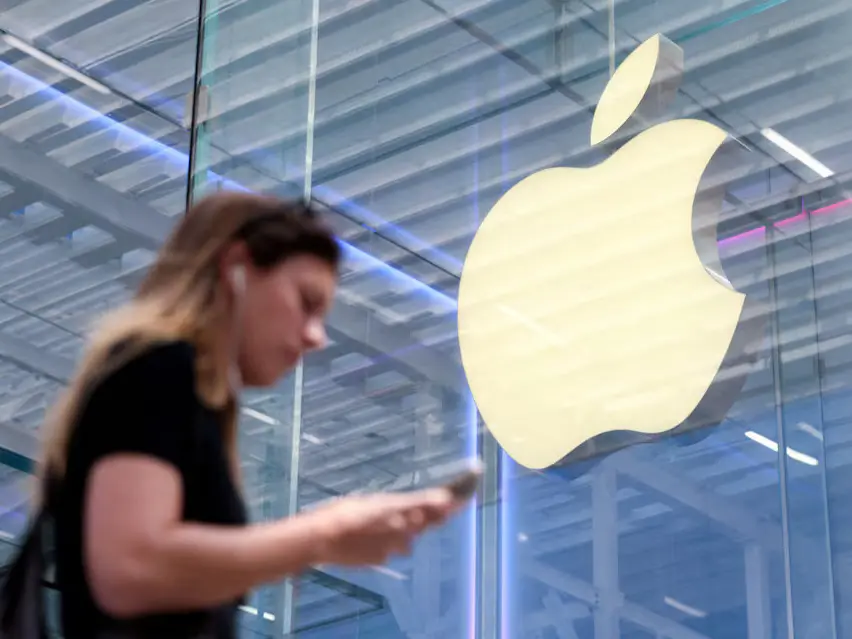
A person walks by the Apple store on Fifth Avenue in New York City, U.S., May 1, 2025. Photograph: (Reuters)
Apple's shift signals potential retreat from in-house AI model efforts and marks a significant reversal in the company’s long-standing preference for proprietary technology.
Apple Inc. is considering a major shift in its artificial intelligence (AI) strategy by evaluating whether to use external large language models (LLMs) developed by OpenAI or Anthropic to power a new version of Siri, according to a report by Bloomberg. The move could sideline Apple’s internal AI models and marks a significant reversal in the company’s long-standing preference for proprietary technology. According to Bloomberg, Apple has already begun early-stage discussions with both OpenAI and Anthropic about potentially deploying their LLMs, ChatGPT and Claude respectively, for use within Siri. The models would be trained and tested on Apple’s own private cloud compute infrastructure, a system built to ensure enhanced privacy using the company’s proprietary chips and servers.
The goal is to upgrade Siri’s capabilities, which have lagged behind recent advances in generative AI on competing platforms. While no final decision has been made, sources indicate that Apple executives see Anthropic’s Claude as the most promising option following multiple rounds of internal testing. The Claude model reportedly performed better in Apple’s evaluation of core Siri use cases compared to OpenAI’s ChatGPT and Google’s Gemini.
Shift comes amid AI delays and management changes
The potential reliance on third-party models reflects Apple’s struggle to keep pace in the generative AI space. Its own large language model initiative, known as LLM Siri, was originally slated to launch in early 2025 but has since been delayed to spring 2026 due to engineering challenges. Apple’s lacklustre debut of Apple Intelligence and AI-integrated Siri features earlier this year triggered a broader management reshuffle.
Responsibility for Siri and AI development was reassigned from Apple’s AI chief John Giannandrea to Mike Rockwell, the executive who led development of the Vision Pro headset. Rockwell, along with software chief Craig Federighi, subsequently launched the initiative to test external LLMs against Apple’s own models. Their findings have reportedly tilted internal sentiment toward adopting a hybrid strategy using third-party AI in the near term.
Rockwell’s team has reportedly been in discussions with Anthropic’s leadership, including Apple’s VP of corporate development Adrian Perica, about integrating Claude into Siri. Financial negotiations are ongoing, with Anthropic reportedly seeking a multibillion-dollar annual fee for long-term usage rights. Apple, meanwhile, has kept the door open to partnering with OpenAI or other model providers if it cannot finalise favourable terms with Anthropic.
Trending Stories
)
)
)
)
)
)
&im=FitAndFill=(700,400))
)
)
)
)
)
)
)
)
)
)
)
)
)
)
)
)
)
)
)
)
)
)
)
)
)
&im=FitAndFill=(700,400))
)
&im=FitAndFill=(700,400))
)
)
)
)
)
)
Implications for Apple’s AI future
If Apple does adopt an external LLM for Siri, it would represent a departure from the company’s traditional approach of end-to-end control over its software and hardware. However, Apple believes running third-party models on its own servers, rather than on external cloud infrastructure, would allow it to maintain user privacy, a long-held cornerstone of its product design philosophy.
Apple’s internal AI development has been under increasing pressure. Bloomberg reports that morale within the foundation models team has declined, with some engineers exploring offers from rivals like Meta and OpenAI that far exceed Apple’s current compensation. The company narrowly avoided the defection of the team behind MLX, its core open-source machine learning system, after making counteroffers.
Meanwhile, Apple continues to roll out incremental AI enhancements via ChatGPT integration in features like Siri web search, Writing Tools, and on-screen image generation in the upcoming iOS 26. It is also allowing developers to access on-device Apple Intelligence models but has held off on opening access to its more powerful cloud-based models due to capacity limitations.
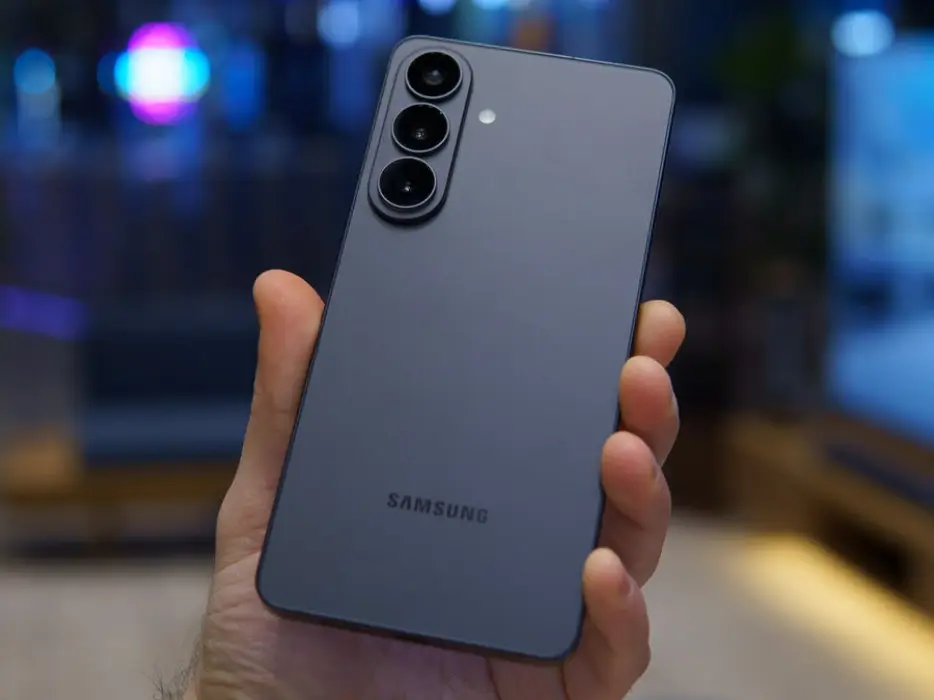
A partnership with OpenAI or Anthropic would mirror strategies already used by competitors. Samsung’s Galaxy AI uses Google’s Gemini under the hood, while Amazon’s Alexa+ taps Anthropic’s Claude. Apple’s openness to external AI signals a more flexible strategy as it seeks to remain competitive in the fast-moving AI landscape.
Despite the multibillion-dollar investment already earmarked for its in-house AI initiatives through 2026, Apple executives now appear increasingly convinced that external collaboration may offer the fastest route to delivering an upgraded Siri experience that can rival leading AI assistants on the market.