‘AI cyber risk’: Why existing AI models are already powerful

&imwidth=600&imheight=450&format=webp&quality=medium "‘AI cyber risk’: Why existing AI models are already powerful")
Mythos panic? Experts say AI hacking risks were already present
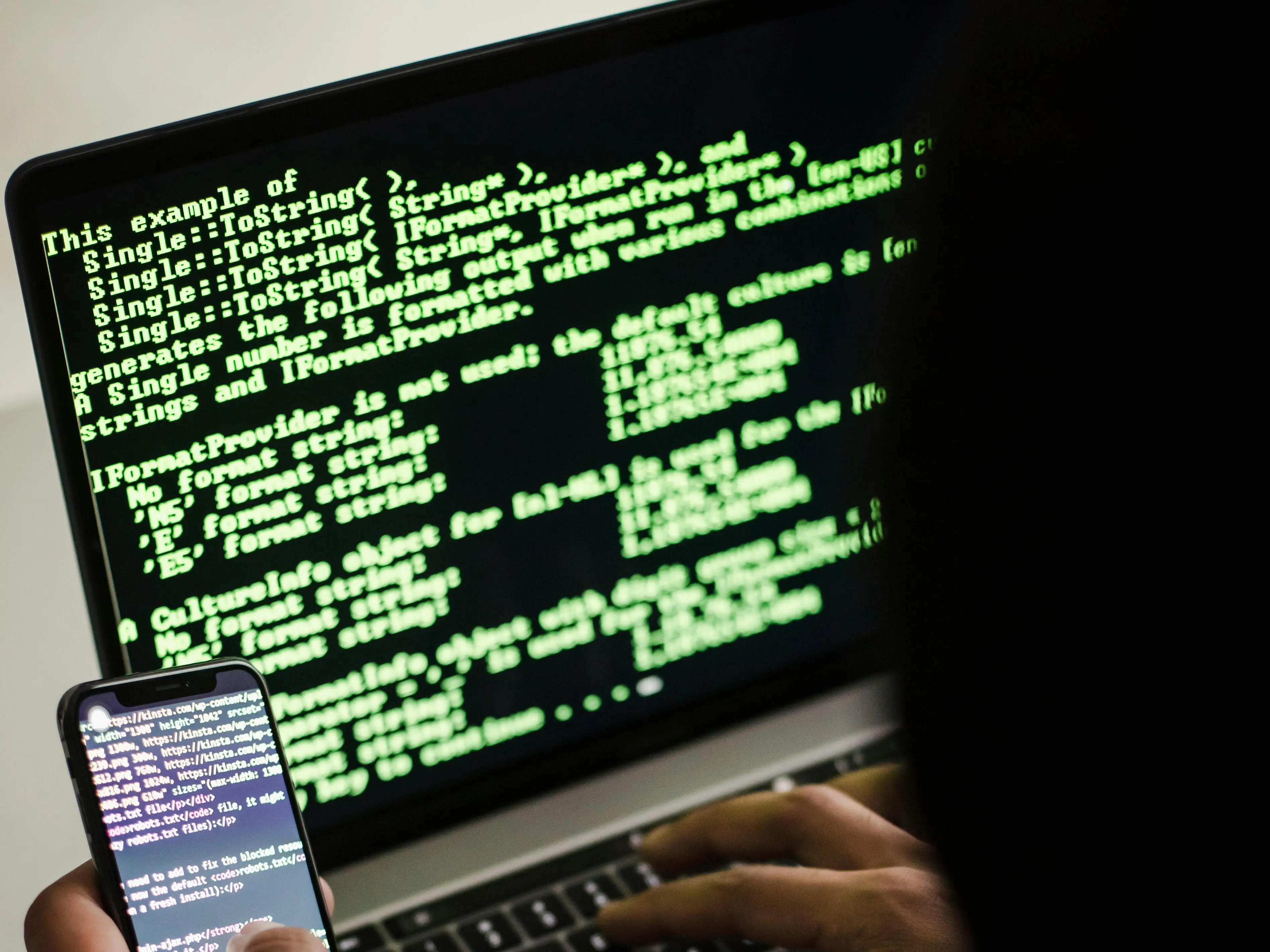
Anthropic’s Mythos model has drawn global attention after reports suggested it could identify thousands of software vulnerabilities. The release led to concerns among governments, banks and technology firms about the possibility of a new phase of AI-driven cyberattacks.
Anthropic’s Mythos model has drawn global attention after reports suggested it could identify thousands of software vulnerabilities. The release led to concerns among governments, banks and technology firms about the possibility of a new phase of AI-driven cyberattacks.
However, cybersecurity experts say that the capabilities highlighted by Mythos are not entirely new. According to researchers, similar results can already be achieved using existing AI models, including those from Anthropic and OpenAI.
What Mythos revealed about cybersecurity risks
Mythos gained attention because of its ability to detect large numbers of vulnerabilities in software systems. Some of these issues had remained unnoticed for years, raising concerns about how widely such flaws may exist.
The model was released in a limited way to selected organisations, including major companies, to reduce the risk of misuse. This controlled rollout reflects the sensitivity of tools that can identify weaknesses in critical systems.
Experts say similar capabilities already exist
Trending Stories
&imwidth=280&imheight=210&format=webp&quality=medium)
&imwidth=280&imheight=210&format=webp&quality=medium)
&imwidth=280&imheight=210&format=webp&quality=medium)
&im=FitAndFill=(700,400)&imwidth=280&imheight=210&format=webp&quality=medium)
&imwidth=280&imheight=210&format=webp&quality=medium)
&imwidth=280&imheight=210&format=webp&quality=medium)
&imwidth=280&imheight=210&format=webp&quality=medium)
&imwidth=280&imheight=210&format=webp&quality=medium)
&imwidth=280&imheight=210&format=webp&quality=medium)
&imwidth=280&imheight=210&format=webp&quality=medium)
&imwidth=280&imheight=210&format=webp&quality=medium)
&imwidth=280&imheight=210&format=webp&quality=medium)
&im=FitAndFill=(700,400)&imwidth=280&imheight=210&format=webp&quality=medium)
&imwidth=280&imheight=210&format=webp&quality=medium)
&imwidth=280&imheight=210&format=webp&quality=medium)
&imwidth=280&imheight=210&format=webp&quality=medium)
&imwidth=280&imheight=210&format=webp&quality=medium)
&imwidth=280&imheight=210&format=webp&quality=medium)
&imwidth=280&imheight=210&format=webp&quality=medium)
&imwidth=280&imheight=210&format=webp&quality=medium)
&imwidth=280&imheight=210&format=webp&quality=medium)
&imwidth=280&imheight=210&format=webp&quality=medium)
&imwidth=280&imheight=210&format=webp&quality=medium)
&imwidth=280&imheight=210&format=webp&quality=medium)
&imwidth=280&imheight=210&format=webp&quality=medium)
&imwidth=280&imheight=210&format=webp&quality=medium)
&imwidth=280&imheight=210&format=webp&quality=medium)
&imwidth=280&imheight=210&format=webp&quality=medium)
&imwidth=280&imheight=210&format=webp&quality=medium)
&imwidth=280&imheight=210&format=webp&quality=medium)
&im=FitAndFill=(700,400)&imwidth=280&imheight=210&format=webp&quality=medium)
&imwidth=280&imheight=210&format=webp&quality=medium)
&imwidth=280&imheight=210&format=webp&quality=medium)
&imwidth=280&imheight=210&format=webp&quality=medium)
&imwidth=280&imheight=210&format=webp&quality=medium)
Despite the attention around Mythos, researchers say that the ability to detect vulnerabilities at scale has been possible for some time.
Cybersecurity firms have shown that by using a method known as orchestration, multiple AI models can work together to analyse code and find similar vulnerabilities. In tests, older models from both Anthropic and OpenAI were able to detect many of the same issues identified by Mythos.
Experts note that this suggests the main difference is not just the model itself, but how effectively tools are combined and used.
What are ‘zero-day’ vulnerabilities
One of the key concerns in cybersecurity is the detection of “zero-day” vulnerabilities. These are flaws in software that are unknown to developers and have not yet been fixed.
Such vulnerabilities can be exploited by attackers before patches are released, making them particularly risky. Researchers say current AI tools are already capable of identifying these weaknesses, which adds to concerns about how quickly they can be used.
Growing concern among governments and companies
The release of Mythos has increased discussions around cybersecurity risks at the highest levels. Reports indicate that policymakers and industry leaders are considering stronger oversight of advanced AI systems.
At the same time, organisations are concerned about the balance between detecting vulnerabilities and fixing them. While AI can identify issues quickly, addressing them still requires time and human effort.
Offence may have an early advantage
Experts suggest that the current situation may favour attackers in the short term. While AI tools can help defenders identify risks, they also make it easier for malicious actors to discover and exploit vulnerabilities.
Cybersecurity professionals note that hackers already have the skills needed to use such techniques, and AI could reduce the time required to carry out attacks. This could lead to an increase in the number of attempts on systems that were previously not targeted.
Challenges in fixing vulnerabilities
Even before AI tools became widely available, organisations faced challenges in managing software vulnerabilities. Fixing issues often requires testing, updates and sometimes taking systems offline, which can be complex and time-consuming.
Experts say that while AI has increased the number of vulnerabilities being identified, tools to fix them automatically are still limited. This creates a gap between detection and resolution.
What this means for the future
The discussion around Mythos highlights a broader trend in cybersecurity. AI is making it easier to identify risks, but it is also raising new challenges in how those risks are managed.
Experts believe that collaboration between companies, governments and researchers will be important in addressing these issues. As AI tools continue to improve, the focus will likely shift towards building systems that can not only detect vulnerabilities but also help fix them efficiently.
For now, the key takeaway is that the cybersecurity risks linked to AI are not entirely new, but they are becoming more visible and more urgent to address.
