Sai Krishna Adabala's reporting solutions elevate workforce insights, drive strategy

&imwidth=600&imheight=450&format=webp&quality=medium "Sai Krishna Adabala's reporting solutions elevate workforce insights, drive strategy")
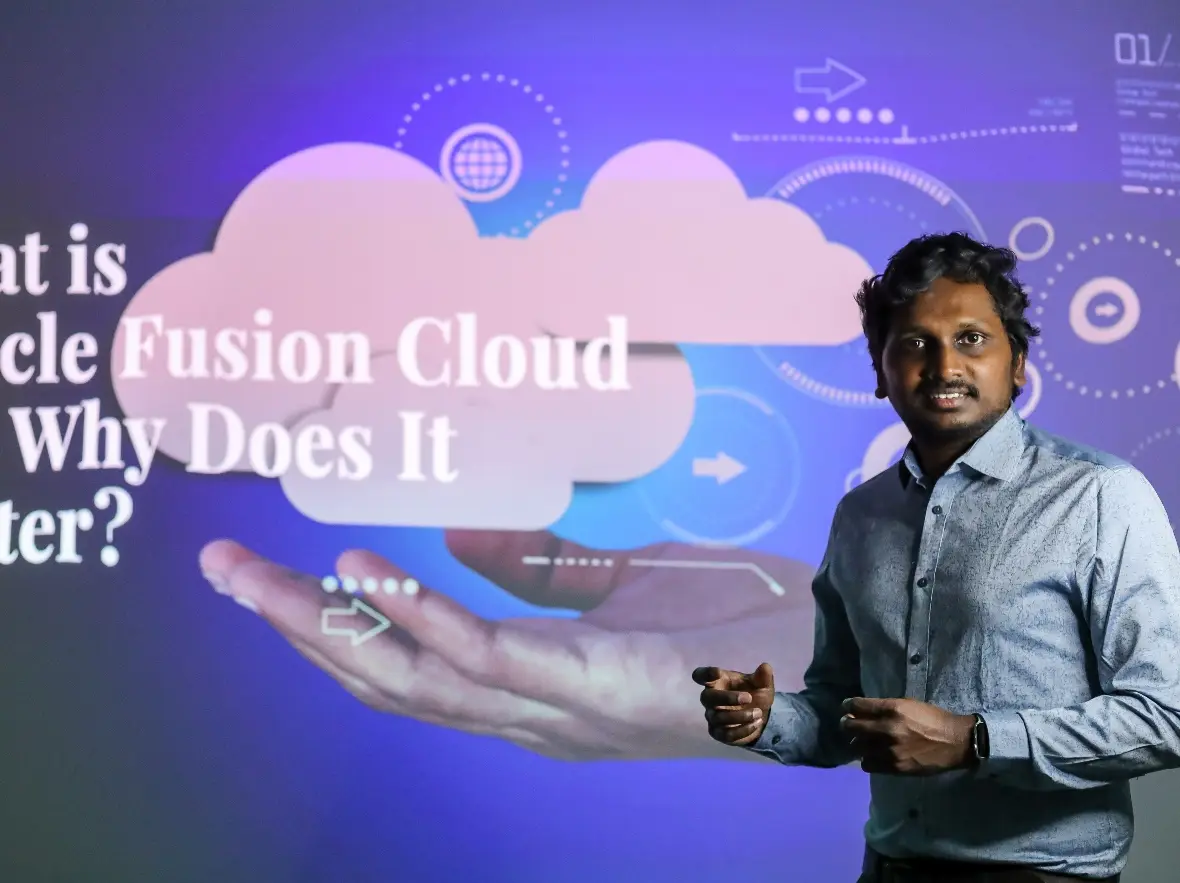
Sai Krishna Adabala
Adabala has done more than just technological implementation. He significantly reduced reporting times by 40 percent through the optimization of the reporting processes, which allowed the teams to concentrate on high-value activities including employee development and talent strategy.
Human resource management is an expanding area of the contemporary data-driven company environment; it is more and more important to implement real-time analytics in the field of human resource management as a tool of enhancing the organizational performance and strategic decision-making. Oracle Transactional Business Intelligence and BI Publisher have emerged as a vital tool of revolutionizing workforce understanding so as to enable organizations to support the effective workflow and decision making.
Leading this wave of digital transformation is Sai Krishna Adabala, a renowned analyst whose contribution in reporting solutions re-engineered the manner in which businesses handle HR analytics. His career is characterized by his obsessive quest to be innovative and optimize HR reporting. Adabala says that “the design and implementation of reporting solutions based on Oracle OTBI and BI Publisher has turned out to be a game-changer as it provides the leadership with the much-needed insights on the workforce performance, compensation, and operational efficiency”.
His ability is not merely in the development of these sophisticated tools but in matching them with the overall organizational strategies and hence resulting in significant change. His attempt to come up with custom dashboards, unification of HR, payroll and benefits data systems has provided organizations with the option of aligning business strategies with real time data. It is necessary to mention that he was the pioneer in developing an automation-driven global HR reporting system that centralized the data of various regions in order to create a single perspective of the workforce numbers and enhanced decision making on all levels.
Adabala has done more than just technological implementation. He significantly reduced reporting times by 40 percent through the optimization of the reporting processes, which allowed the teams to concentrate on high-value activities including employee development and talent strategy. Not only did his automated reporting solutions enhance accuracy, but also lowered the cost of operation of the HR by 20 percent especially in payroll processing and administrative overhead. Adabala says that the rationale behind this was to make sure that HR leaders could get real-time access to key metrics, including employee performance, engagement, and attrition rate, which informed more focused plans regarding talent retention and workforce planning.
One of these projects was the development of a workforce insights dashboard. This was a tool which was capable of presenting the real time information of the Oracle Fusion HCM to a single screen so that the business leaders could be informed of the staffing requirements, skill development and organizational change in quick and informed decisions. Moreover, he was instrumental in the creation of a real time payroll reporting solution in BI Publisher that would allow HR leaders to track accuracy of payrolls, labor costs, employee benefits, etc. in real time improving their operational efficiency and budget management.
However, these achievements did not come without challenges. The requirement to overcome the data silos and the requirement to integrate information in different systems into one reporting system were among the significant challenges that he faced. He accommodated this by a few customized ETL (Extract, Transform, Load) operations that facilitated the transfer of data to the BI reports in the Oracle database. In addition, he prevented the initial resistance to new reporting tools by creating interactive dashboards and offering personal training to 30 percent of users.
Trending Stories
&imwidth=280&imheight=210&format=webp&quality=medium)
&imwidth=280&imheight=210&format=webp&quality=medium)
&imwidth=280&imheight=210&format=webp&quality=medium)
&imwidth=280&imheight=210&format=webp&quality=medium)
&imwidth=280&imheight=210&format=webp&quality=medium)
&imwidth=280&imheight=210&format=webp&quality=medium)
&imwidth=280&imheight=210&format=webp&quality=medium)
&imwidth=280&imheight=210&format=webp&quality=medium)
&imwidth=280&imheight=210&format=webp&quality=medium)
&imwidth=280&imheight=210&format=webp&quality=medium)
&imwidth=280&imheight=210&format=webp&quality=medium)
&imwidth=280&imheight=210&format=webp&quality=medium)
&imwidth=280&imheight=210&format=webp&quality=medium)
&imwidth=280&imheight=210&format=webp&quality=medium)
&imwidth=280&imheight=210&format=webp&quality=medium)
&imwidth=280&imheight=210&format=webp&quality=medium)
&imwidth=280&imheight=210&format=webp&quality=medium)
&imwidth=280&imheight=210&format=webp&quality=medium)
&imwidth=280&imheight=210&format=webp&quality=medium)
&imwidth=280&imheight=210&format=webp&quality=medium)
&imwidth=280&imheight=210&format=webp&quality=medium)
&im=FitAndFill=(700,400)&imwidth=280&imheight=210&format=webp&quality=medium)
&imwidth=280&imheight=210&format=webp&quality=medium)
&imwidth=280&imheight=210&format=webp&quality=medium)
&imwidth=280&imheight=210&format=webp&quality=medium)
&imwidth=280&imheight=210&format=webp&quality=medium)
&imwidth=280&imheight=210&format=webp&quality=medium)
&imwidth=280&imheight=210&format=webp&quality=medium)
&imwidth=280&imheight=210&format=webp&quality=medium)
&imwidth=280&imheight=210&format=webp&quality=medium)
&imwidth=280&imheight=210&format=webp&quality=medium)
&im=FitAndFill=(700,400)&imwidth=280&imheight=210&format=webp&quality=medium)
&imwidth=280&imheight=210&format=webp&quality=medium)
&imwidth=280&imheight=210&format=webp&quality=medium)
&imwidth=280&imheight=210&format=webp&quality=medium)
&imwidth=280&imheight=210&format=webp&quality=medium)
The future of analytics of the workforce provided by Adabala is taking a precise point of view: the AI-driven reporting will be a disruptive one, which can provide insightful forecasts on the employee turnover, personnel staffing and the patterns of the performance. The integration of real time data has become a necessity and not a luxury to organizations that have plans to stay agile and competitive. He also interspersed the increasing significance of self-service analytics, whereby user- friendly software can enable users to create their workforce analytics without relying on IT departments. Moreover, he believes that the knowledge of the workforce will be part of the wider business strategies in the near future not only of the HR decisions, but also of the organizational development as a whole.
Through his brilliant contributions, Sai Krishna Adabala has left an indelible imprint on the workforce analytics domain. His work has not only enabled the organizations to run in a more efficient manner, but it has also enabled the leadership teams to make more accurate, information-driven decisions. His knowledge and concepts can lead to the new directions in HR analytics in the future to make organizations responsive and thinking in the ever-changing environment because the corporate environment continues to change.