Uber, Lyft, DoorDash can continue to classify drivers as contractors in California

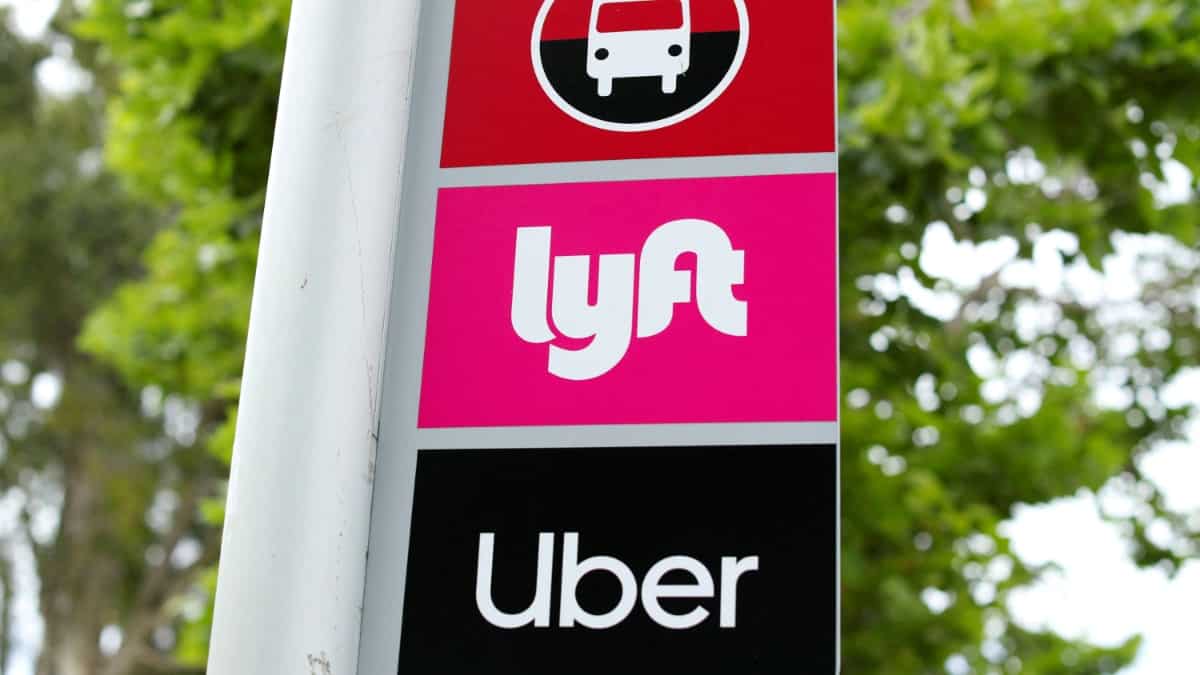
Uber Lyft
On Thursday, the California Supreme Court delivered a landmark ruling that allows app-based ride-hailing and delivery services such as Uber and Lyft to continue classifying their drivers as independent contractors rather than employees. This unanimous decision marks the end of a protracted legal battle between labour unions and technology companies over the employment status of app-based service workers in California.
The court's ruling upholds Proposition 22, a voter-approved measure passed in 2020 that exempts these companies from treating their drivers as employees. Under this law, drivers are not entitled to traditional employee benefits such as overtime pay, paid sick leave, and unemployment insurance. The decision overturns a lower court's 2021 ruling that had declared the measure illegal, supporting instead an appeals court decision from last year that favoured the tech companies.
This verdict represents a significant victory for companies like Uber, Lyft, and DoorDash, which invested USD 200 million in a campaign to support the passage of Proposition 22 in 2020. Uber hailed the ruling as a "victory" for drivers, emphasising that it secures drivers' freedom to work on their terms.

However, the decision is a setback for labour unions and their allies in the California Legislature who have been fighting to secure more rights and benefits for drivers. Labour activists, including Nicole Moore, president of Rideshare Drivers United, expressed disappointment with the outcome, describing it as unjust and contrary to California's values.
Despite this setback, labour unions have vowed to continue their fight for drivers' job protections and benefits. They point to an earlier ruling in the appeal process that potentially opens the door for the Legislature to pass laws allowing drivers to unionise.
The ruling effectively nullifies a 2019 law passed by California lawmakers that would have required these companies to provide drivers with protections such as minimum wage, overtime, health insurance, and expense reimbursement. This law sought to redefine the criteria for classifying workers as employees or independent contractors, with significant implications for app-based ride-hailing and delivery companies.
)
Nigeria: Protesters take to the streets, police fire shots
)
US-Iran war: Tehran draws red lines — seven demands before any peace talks
)
Russia-Europe tensions: Polish PM warns Russian attacks could test NATO's unity
&im=FitAndFill=(700,400))
‘Not the US or China’: These are the countries leading the world in arable land
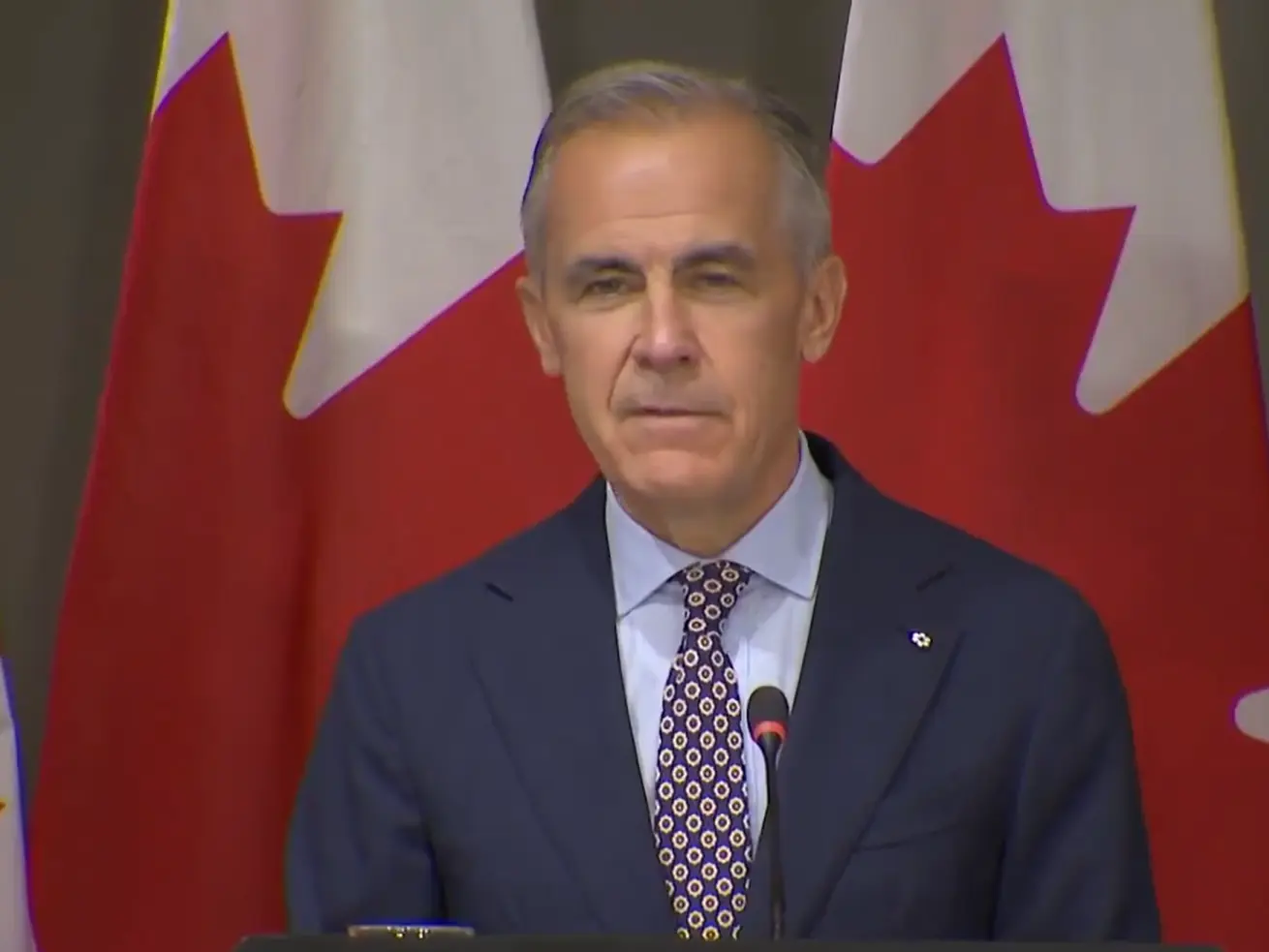)
Mark Carney mimics Trump in hilarious moment over C$70 billion clean-energy investment; room erupts in laughter
)
Pentagon revives mandatory testosterone testing for male troops aged 30 and above
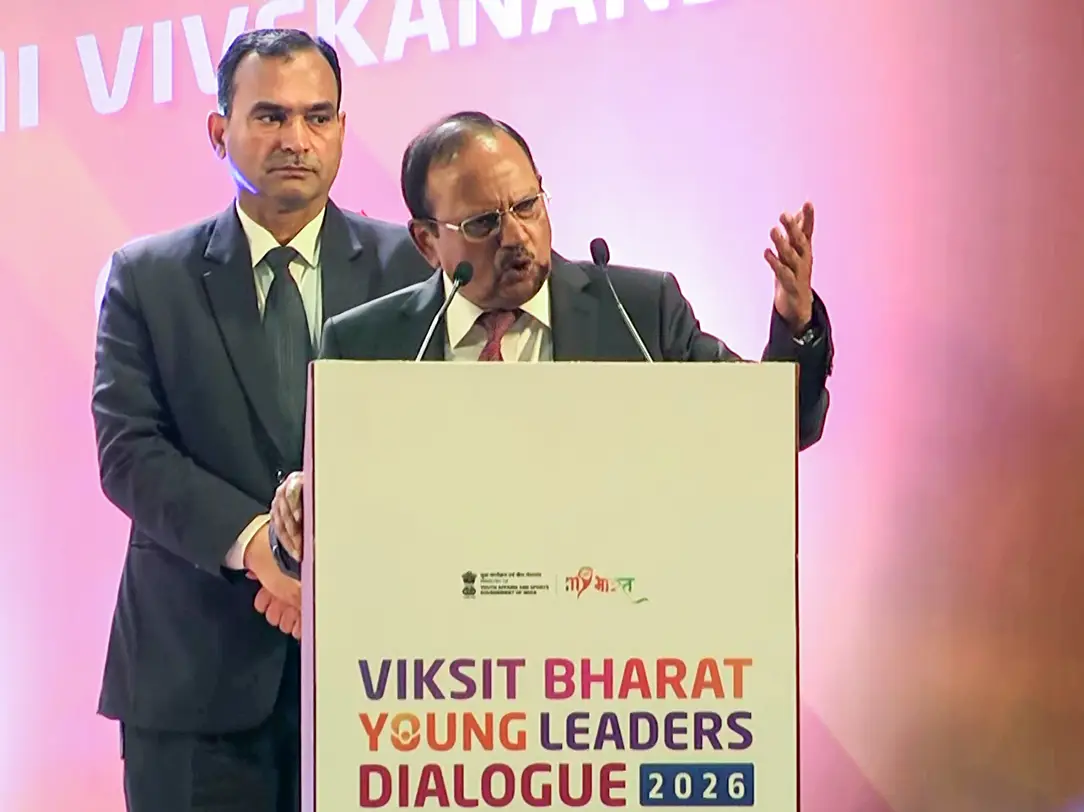)
‘End of my career...’: NSA Doval recalls tense Sikkim mission when China captured Indian intelligence team
)
Trump defends AI amid growing alarm, announces new 'AI force' and promises an 'AI czar'
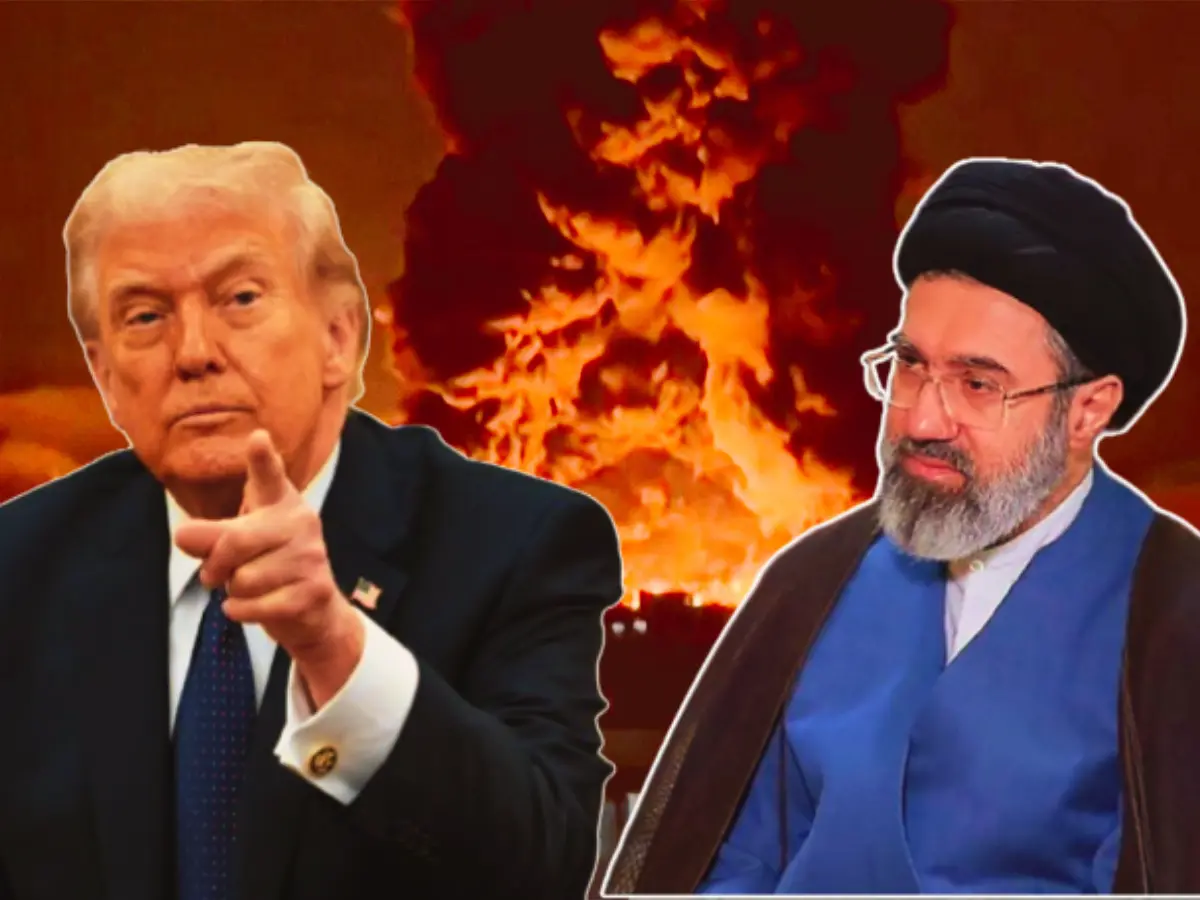)
Iran sets 7 conditions to end war with US: What are Tehran’s demands?
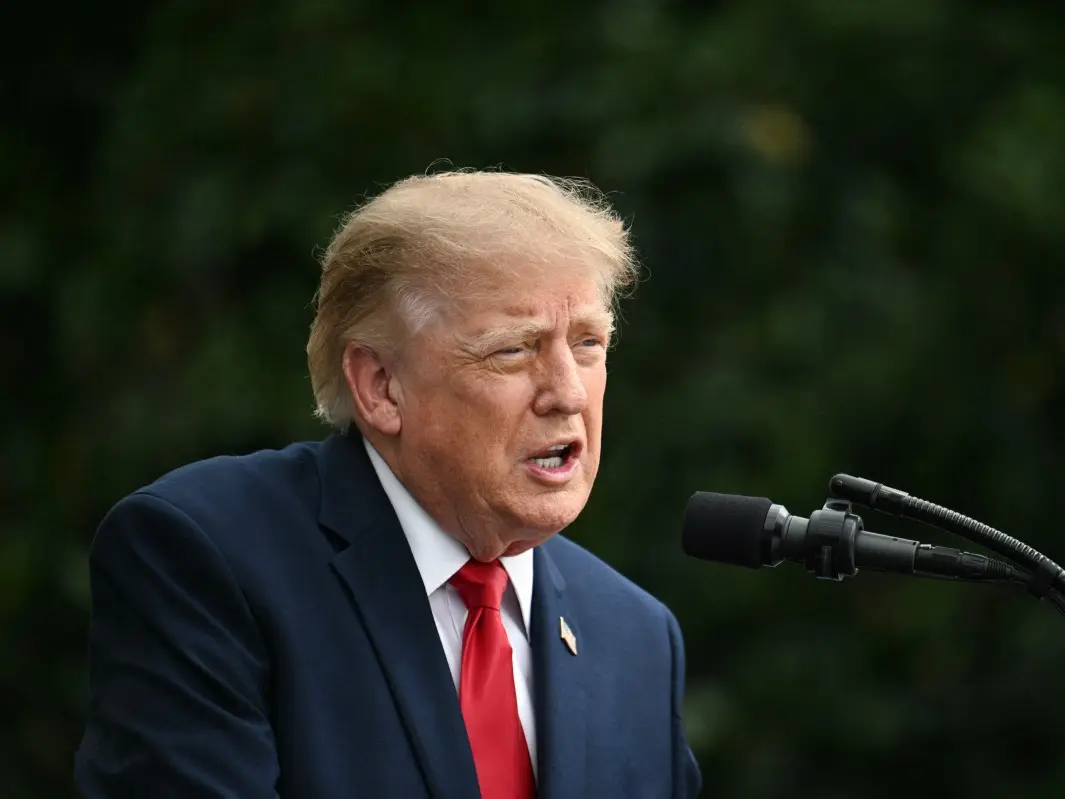)
Trump announces ‘AI Force’ as debate grows over AI risks and regulation
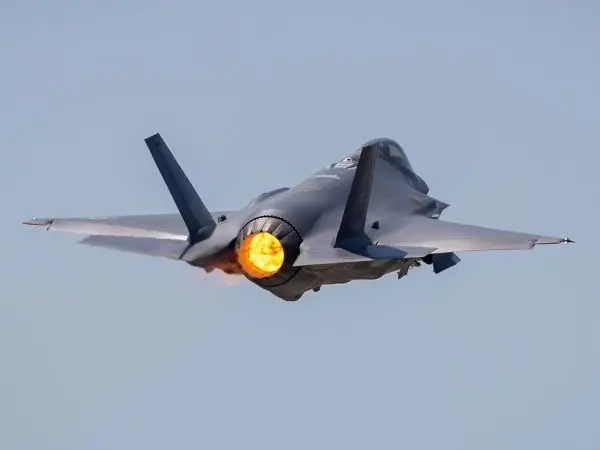)
China may have gained access to US's classified F-35 jets; parts meant for repairs diverted to Hong Kong, sparking Pentagon inquiry
)
Gaza under attack: Health chief's son killed in IDF strikes
)
Inspired by podcasts and Meghalaya murder case: How Siya allegedly planned Ketan Agarwal’s Lohagad fort murder
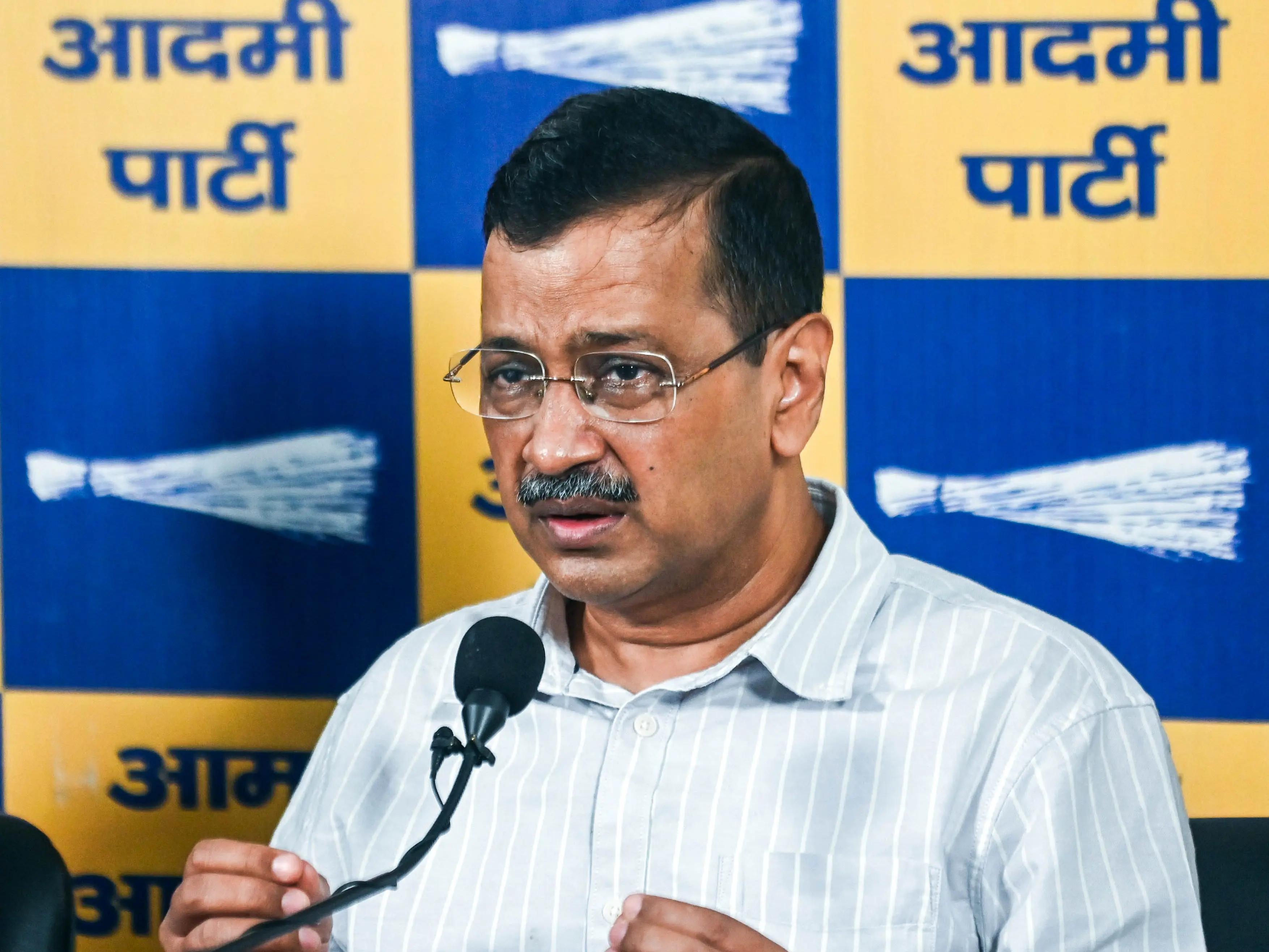)
Arvind Kejriwal, family members, Delhi CM Rekha Gupta get SIR notices
)
Cochin shipyard starts building Indian Navy's next-gen missile vessels
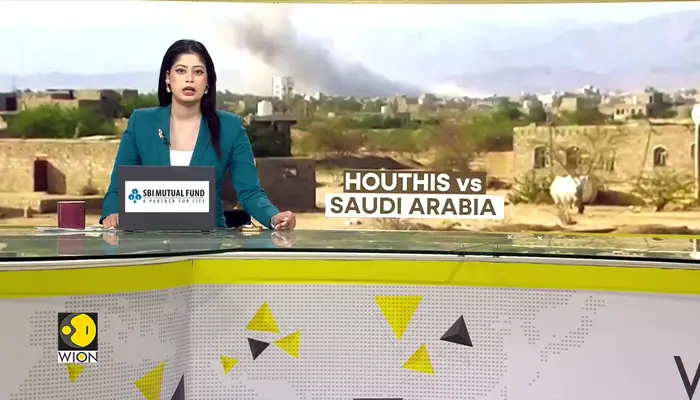)
Saudi vs Houthis: Houthis claim missiles & drones used in attack on key Saudi sites
)
Ed Sheeran addresses Macklemore's removal, Gaza conflict during Philadelphia concert: 'I cannot hide how I feel'
)
Brigitte Bardot’s private collection set for Paris auction; key items and prices revealed
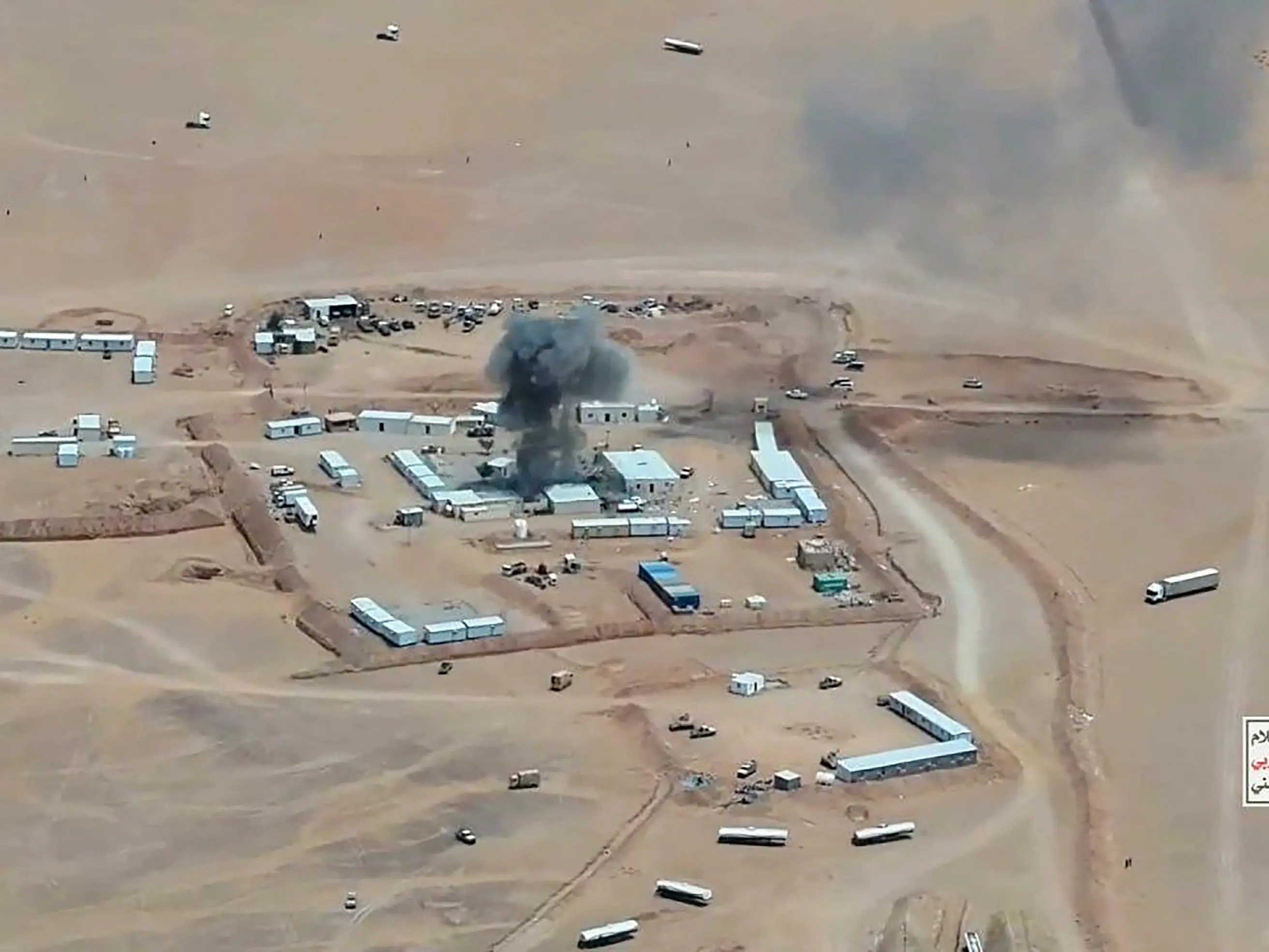)
‘Will go to any extent’: Pakistan vows to defend Saudi Arabia amid Houthi attacks
66 years of the Indus Waters Treaty: How India and Pakistan settled a bitter river dispute
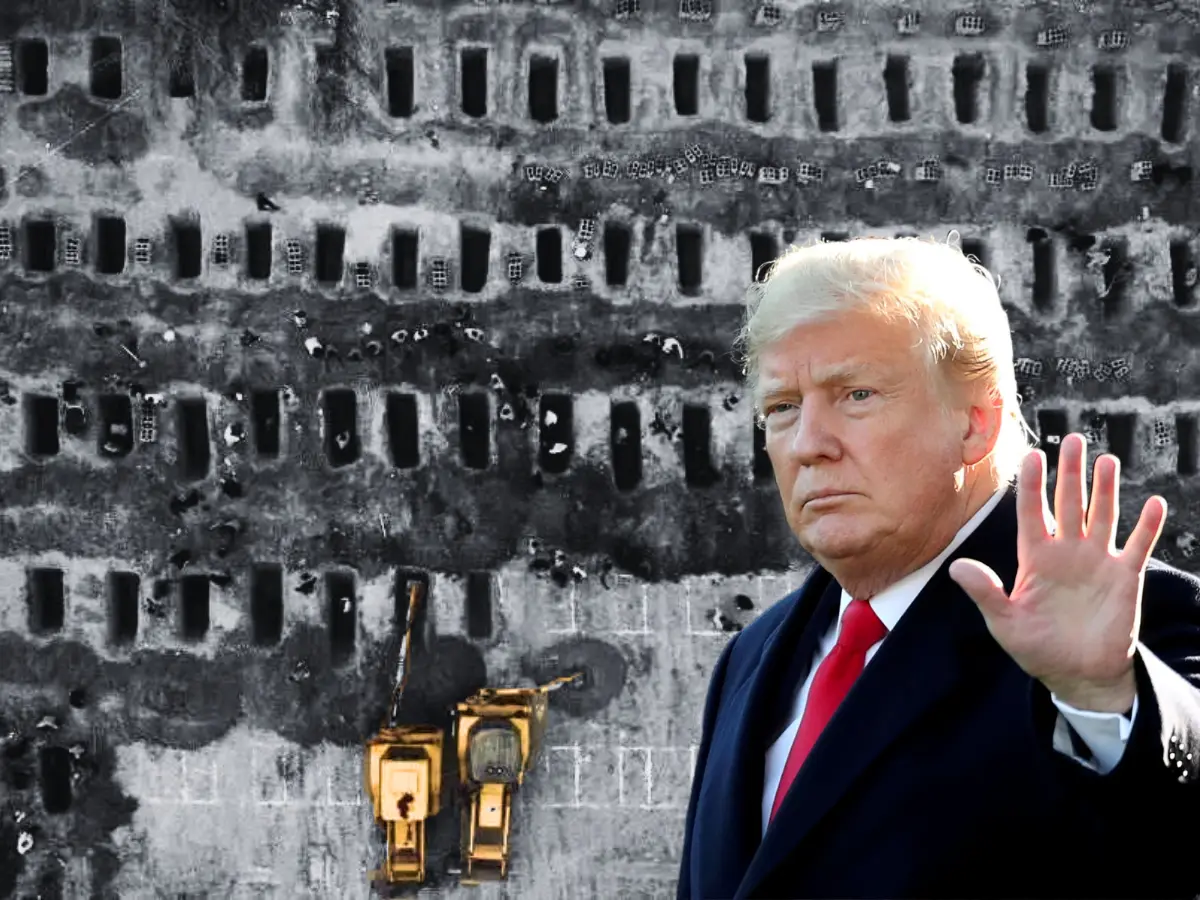)
The Verdict | When precision fails: US commits war crime in Minab school strike, UN finds
)
9 women found dead near Johannesburg: South Africans rally, demand 'enough' to femicide
)
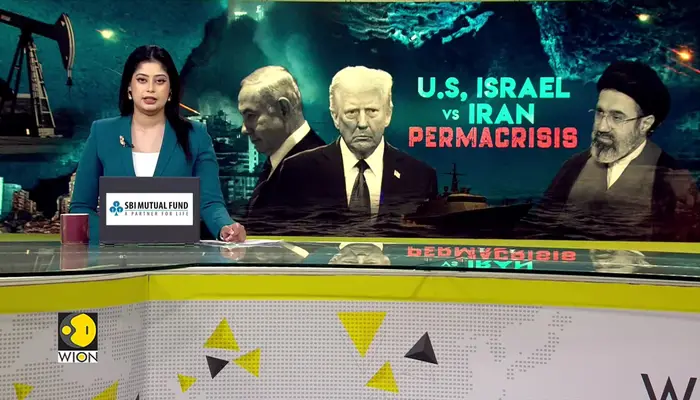
Trump wants to rename ‘Artificial Intelligence’, gives 3 options: Which one would you pick?
)
US-Iran war: Tehran sets seven conditions to re-engage in talks with US
)
Reacher star Alan Ritchson opens up about alleged blackmail, suicide attempt during difficult period
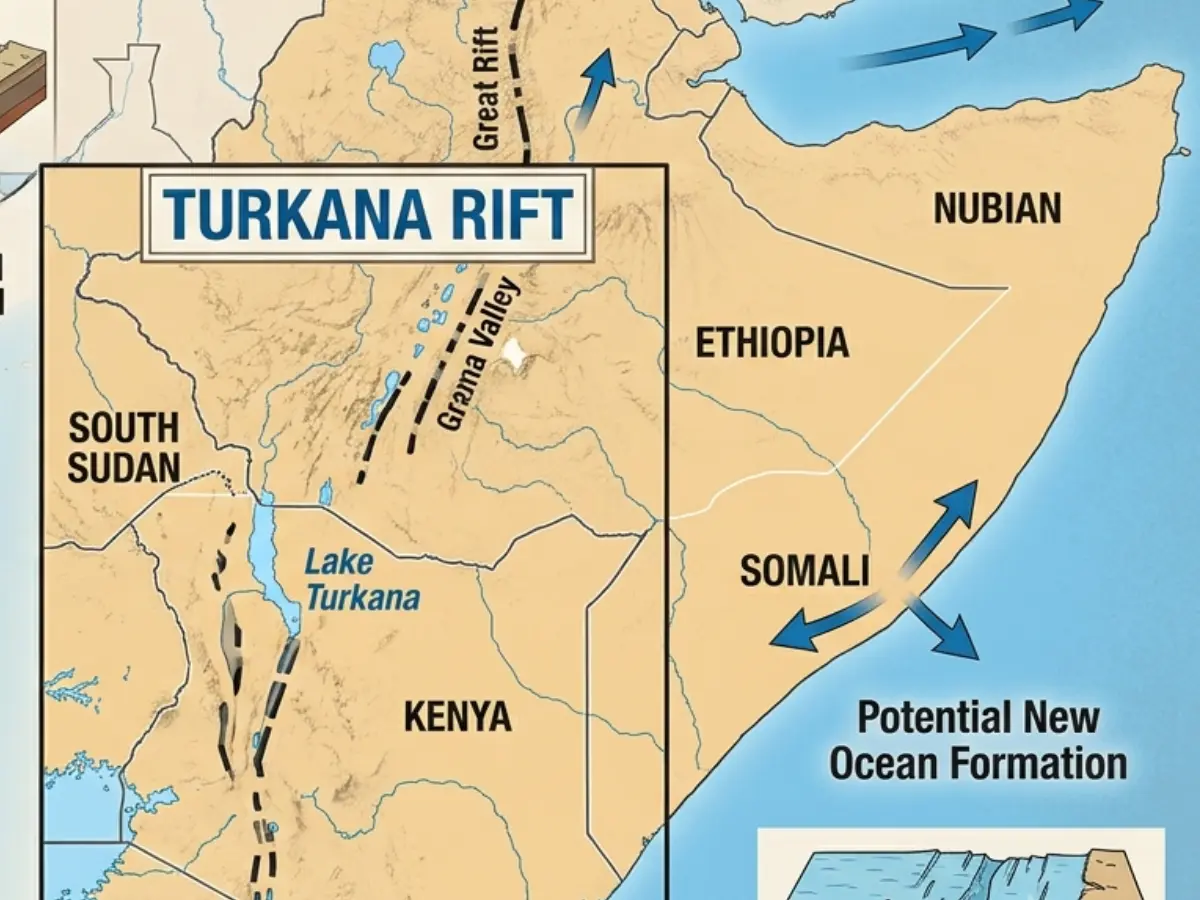)
Africa is splitting, and a lot sooner than estimated, giving way to a new ocean
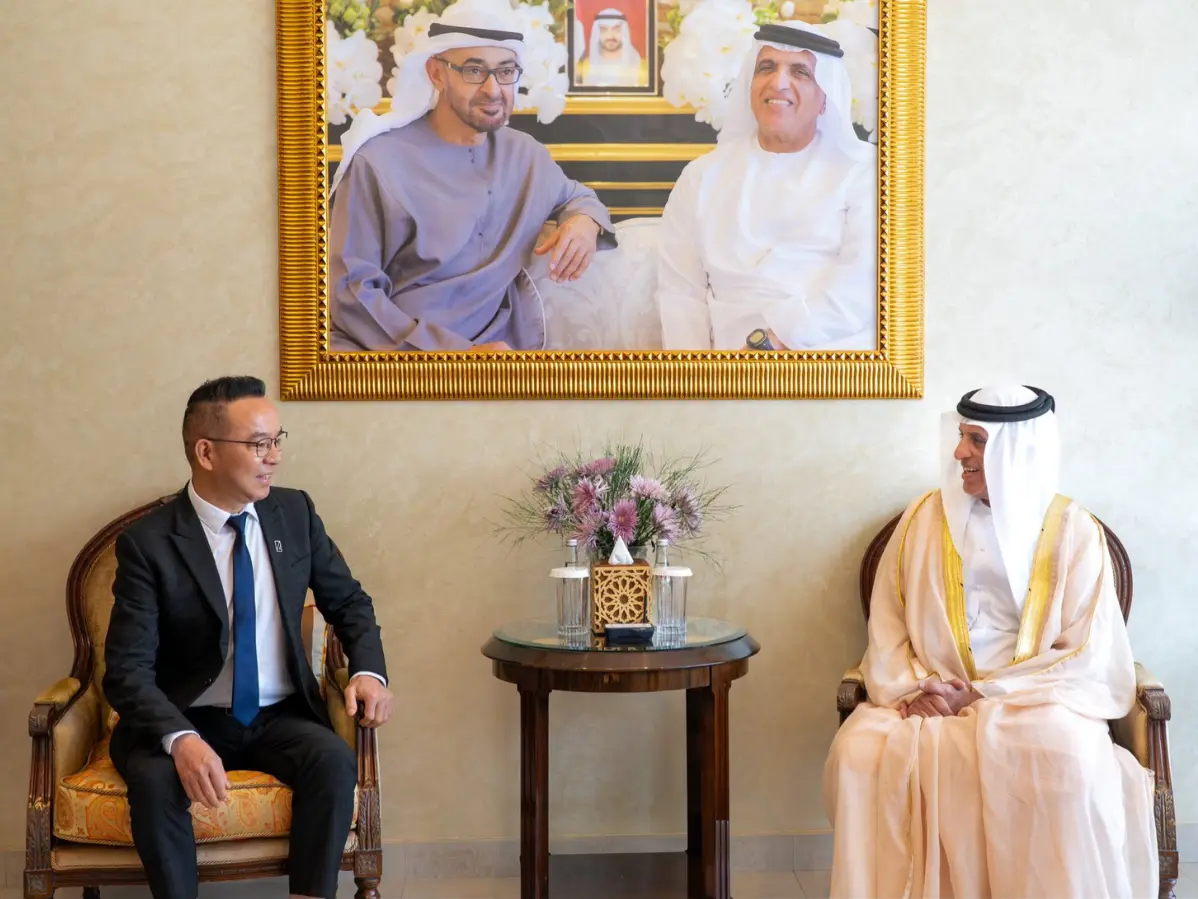)
Flying cars in UAE: Ras Al Khaimah signs deal with Chinese company to test new transport
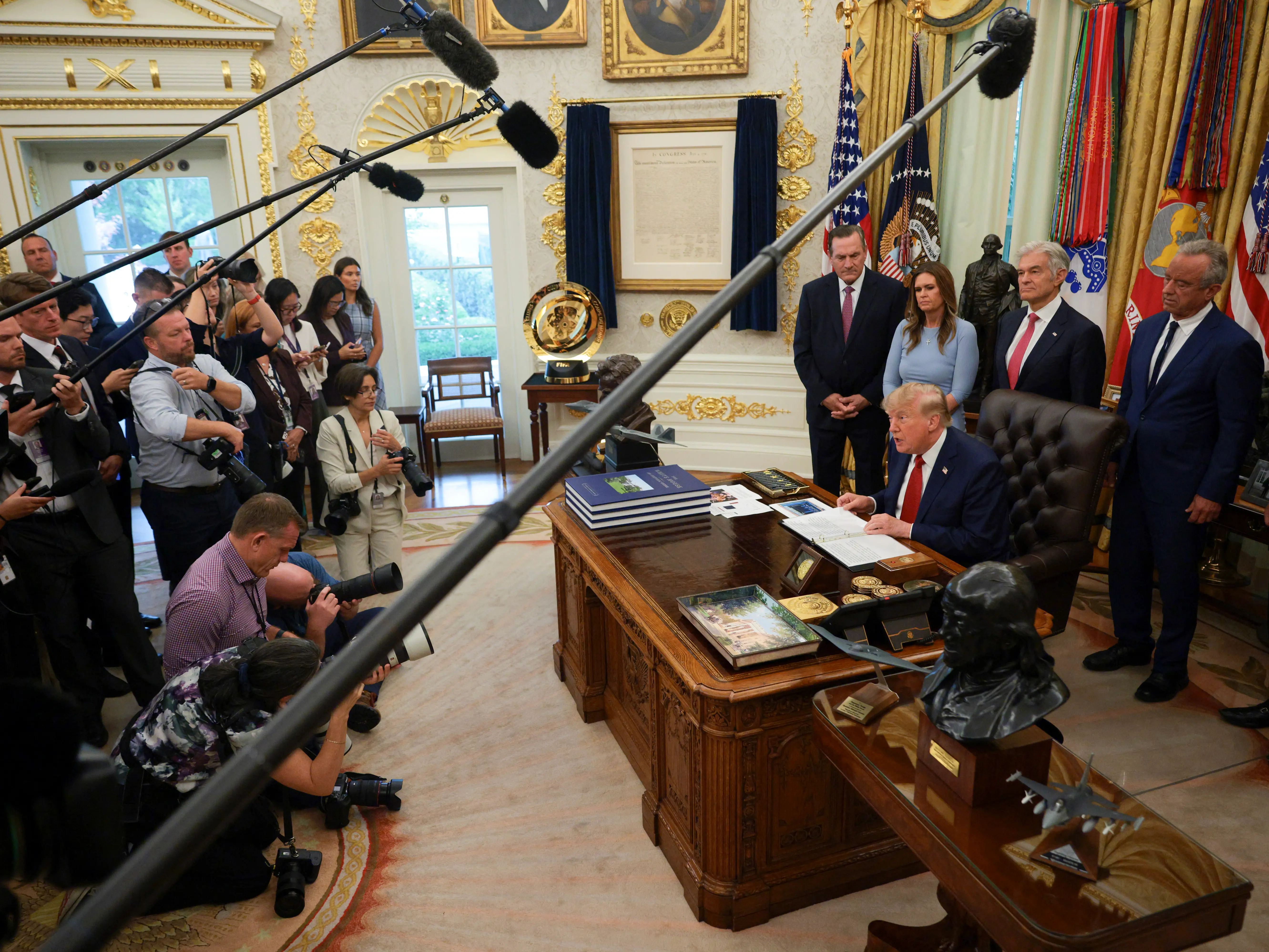)
Trump bans CNN, MS NOW and Politico from White House over ‘FAKE NEWS’
)
Trump 2.0: Dark days ahead for America’s ‘imperial presidency’
&im=FitAndFill=(700,400))
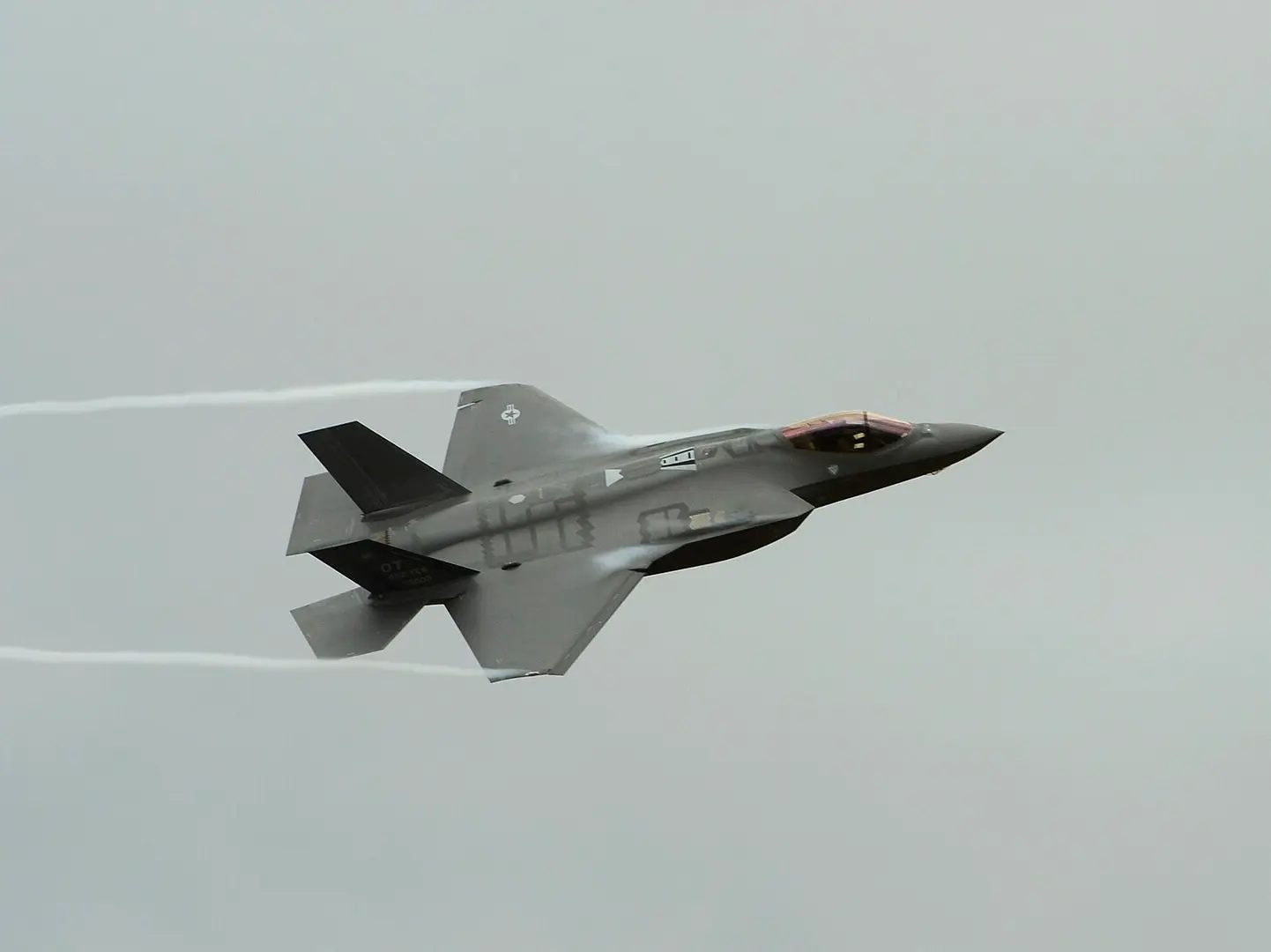
How many F-35s does Britain, Japan and Israel have?
)
Harry Brook targets long reign at top of T20I rankings after Sri Lanka sweep
)
Russia's deadly Ukraine strikes kill 2 in Sumy, hit Dnipro mall
)
Russia holds first parliamentary elections since the beginning of the Ukraine war
&im=FitAndFill=(700,400))
Meet top 5 Indian batters with fastest T20I centuries
)
Raphinha hat-trick powers Barcelona to 3-1 win over Sevilla in La Liga
)
Proposition 22, which was approved by voters in November 2020, exempted these companies from the 2019 law while providing some "alternative benefits" for drivers. These include a guaranteed minimum wage and health insurance subsidies for those averaging at least 25 hours of work per week.
The California Supreme Court's decision comes amid a broader national debate over gig workers' rights. In other parts of the country, such as Massachusetts, drivers are rallying behind initiatives to secure union rights and improved working conditions.
This ruling sets a significant precedent in California and may influence similar debates in other states regarding the classification and rights of gig economy workers. It underscores the ongoing tension between the flexibility offered by gig work and the need for worker protection in the evolving landscape of the modern economy.