GM to pay USD 145.8 million penalty after US finds excess emissions

Representative image
The General Motors entered into a huge monetary compromise with the U. S. government after emissions investigation showed that around 5. Such a popularity allowed, for example, Volkswagen to sell 9 million of its vehicles. Thus, in according to the settlement that has been made on Wednesday, GM will have to pay USD 145 as a penalty. 8 million and thereby waive credits estimated to be worth hundreds of millions of dollars.
The EPA stated that GM will give up roughly 50 million metric tons in carbon emissions. Such action followed after a several-years study that recognised that vehicles produced within 2012-2018 emitted CO2 levels more than 10 per cent from what GM has estimated for compliance.
Similarly, the National Highway Traffic Safety Administration NHTSA also fined GM a similar amount of USD 145. Penalties of USD 8 million on GM due to concerns in relation to fuel economy standards.
Also, more than 30 programs will be halted by GM, while it will disband at least 14 fewer groups and downgrade or reduce at least 20 more initiatives. Some 6 million of fuel economy credits in the 2008-2010 automobiles as an effort for correcting some of the problems which were noted down with the help of EPA’s in-use testing program in LDVs.

In January this year, GM indicated that its was in further negotiations with the EPA and other similar bodies in relation to changes in credit, with the company forecasting that it would spend up to USD 450m in connection with this affair by 2023. This is a reasonable expense projection having regard to the forfeited credits that would stand at about 300 million dollars.
In turn to these new changes, GM declared its compliance to all such laws and regulations during the certification and during the testing of the concerned car models. The settlement was announced in a previous article by Reuters; however, unlike emissions scandals previous to this such as the 2015 Volkswagen case, the EPA did not claim that GM implemented devices that produce emissions when tested, but not in real world driving.
After the announcement, environmentalists did not waste much time to castigate the management of GM. Federal emissions and mileage rules was highlighted by Dan Becker, director of the Center for Biological Diversity’s safe climate transport campaign for a campaign of stringent pollution regulations in light of this non-cognisance of GM.
Although analysts suggest that GM's reputation may temporarily suffer, they believe the long-term impact on consumer perception will likely be minimal. The EPA confirmed that no recall of the vehicles emitting excess emissions is currently mandated, emphasising the agency's commitment to enforcing vehicle standards that safeguard public health and reduce air pollution nationwide.
&imwidth=180&imheight=135&format=webp&quality=medium)
Rahul Gandhi's plea against Election Commission delayed as Supreme Court registry flags 14 ‘defects’
&imwidth=180&imheight=135&format=webp&quality=medium)
Anti-SIR protest in Mumbai: Protestors wear black masks & ribbons in Mumbai
&imwidth=180&imheight=135&format=webp&quality=medium)
Congress demands action against chief election commissioner
&imwidth=180&imheight=135&format=webp&quality=medium)
Elon Musk pumps $276 million into Republican campaigns ahead of US midterm elections
&im=FitAndFill=(700,400)&imwidth=180&imheight=135&format=webp&quality=medium)
New OTT releases this week (October 12-18, 2026): Sacrifice, Koffee with Karan S9, Roadies Rebirth- 6 titles coming on Netflix, JioHotstar and more
&imwidth=180&imheight=135&format=webp&quality=medium)
‘This is just the start’: Maaya Rajeshwaran on historic ITF title, confidence boost and future goals
&imwidth=180&imheight=135&format=webp&quality=medium)
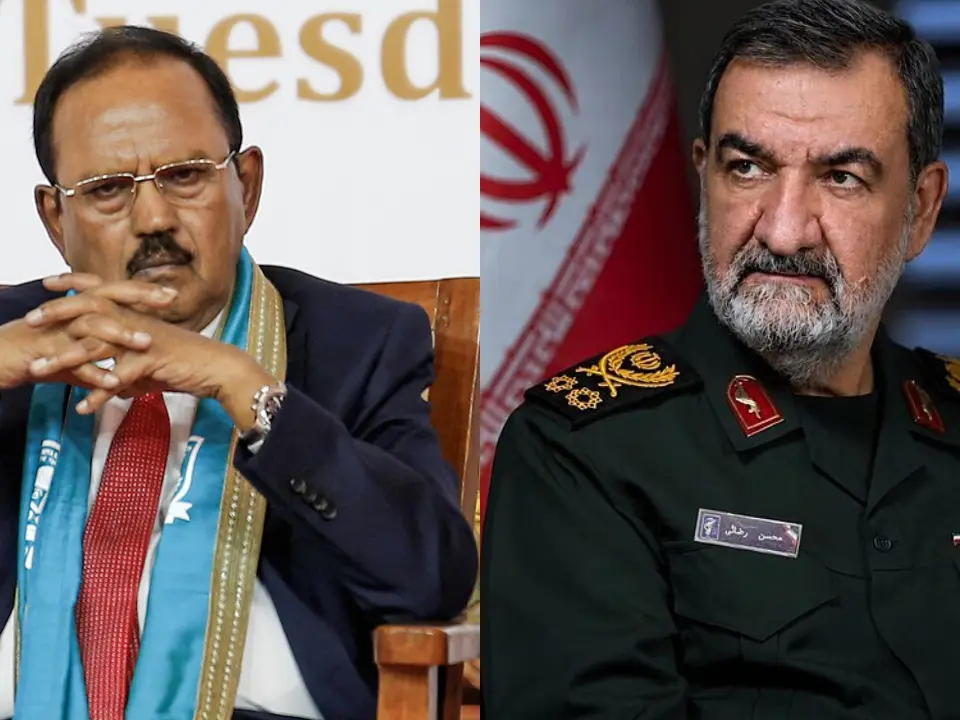
India's Ajit Doval, Iran's Mohsen Rezaei hold talks amid escalating West Asia tensions, discuss 'issues of mutual interest'
&imwidth=180&imheight=135&format=webp&quality=medium)
'I will not be silenced': Ilhan Omar alleges political intimidation after federal officers search her Washington home
&imwidth=180&imheight=135&format=webp&quality=medium)
'I am thoroughly unamused': Judge slams Trump administration after 400 trees cut at Washington golf course
&imwidth=180&imheight=135&format=webp&quality=medium)
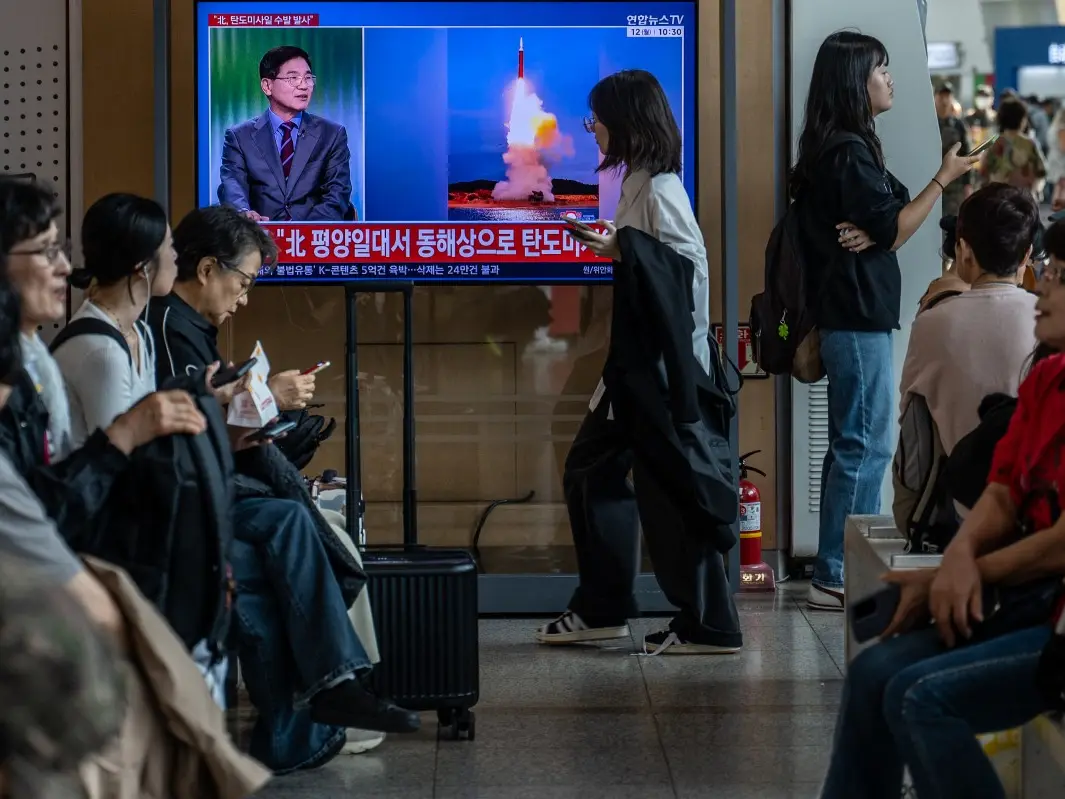
Korean peninsula tensions escalate as North Korea launches multiple ballistic missiles, PACOM says 'no threat to US personnel'
&imwidth=180&imheight=135&format=webp&quality=medium)
Is the AI chip boom already over? Global semiconductor stocks slide as investors question unbridled spending
&imwidth=180&imheight=135&format=webp&quality=medium)
I.N.D.I.A. Bloc lists 10 requests to Supreme Court
&imwidth=180&imheight=135&format=webp&quality=medium)
1,500 drones illuminate Mumbai sky as Cordelia Cruises unveils second ship, Cordelia Sky
&imwidth=180&imheight=135&format=webp&quality=medium)
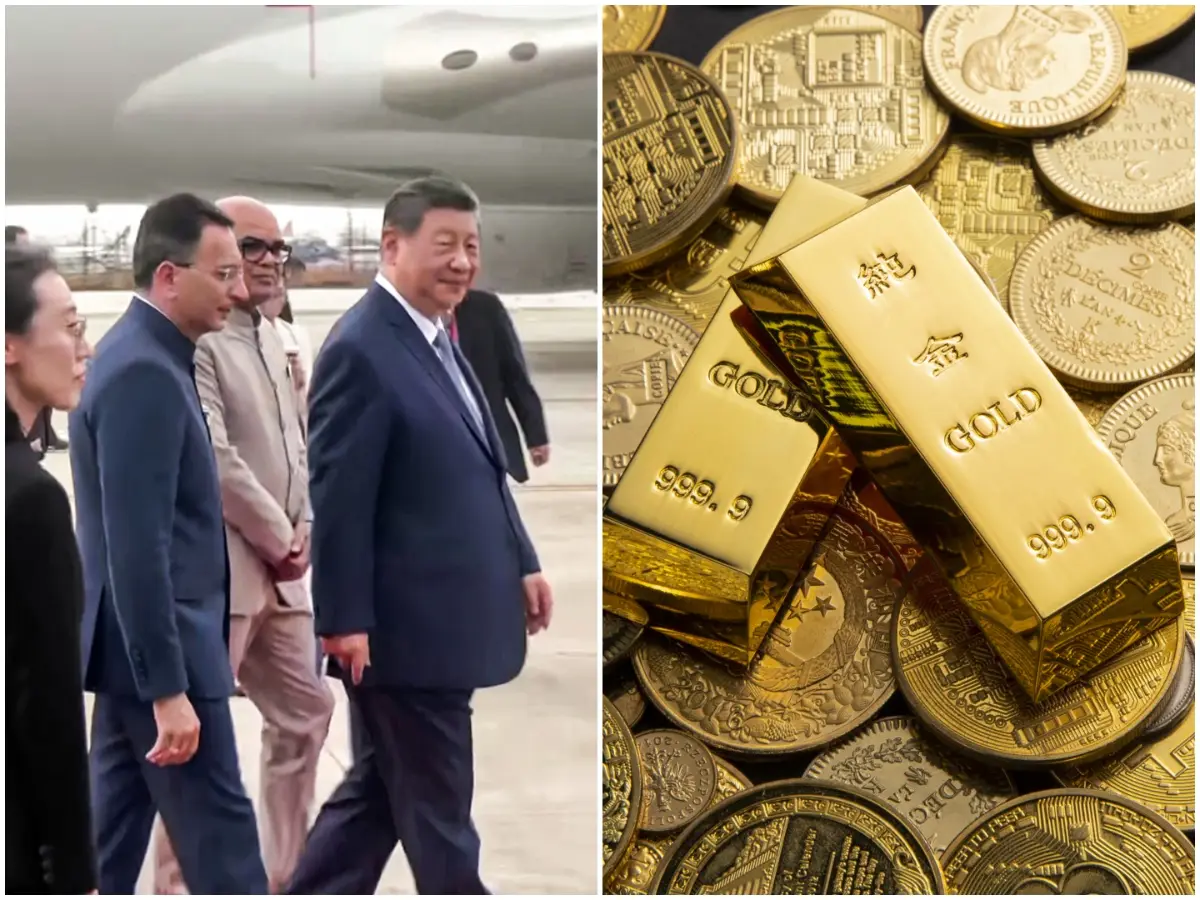
New Cold War: Why is China buying more gold? Explained
&imwidth=180&imheight=135&format=webp&quality=medium)
'Almost certainly': UK Prime Minister Andy Burnham says Iran's IRGC behind RAF Fairford threat
&im=FitAndFill=(700,400)&imwidth=180&imheight=135&format=webp&quality=medium)
IMF World Economic Outlook: 10 economies to watch for growth in FY27 and FY28 - Where does India stand?
&imwidth=180&imheight=135&format=webp&quality=medium)
UK PM Andy Birnham renews claims of Russian meddling in Brexit vote
&imwidth=180&imheight=135&format=webp&quality=medium)
Trump says he 'may' meet North Korean leader Kim Jong Un during upcoming Asia trip
&imwidth=180&imheight=135&format=webp&quality=medium)
Houthis warns US of 'painful response' if Washington joins Saudi war in Yemen as airlines suspend flights to Saudi Arabia
&im=FitAndFill=(700,400)&imwidth=180&imheight=135&format=webp&quality=medium)
Navratri 2026: 9 days, 9 forms of Goddess Durga and 9 colours- Check the complete list
&imwidth=180&imheight=135&format=webp&quality=medium)
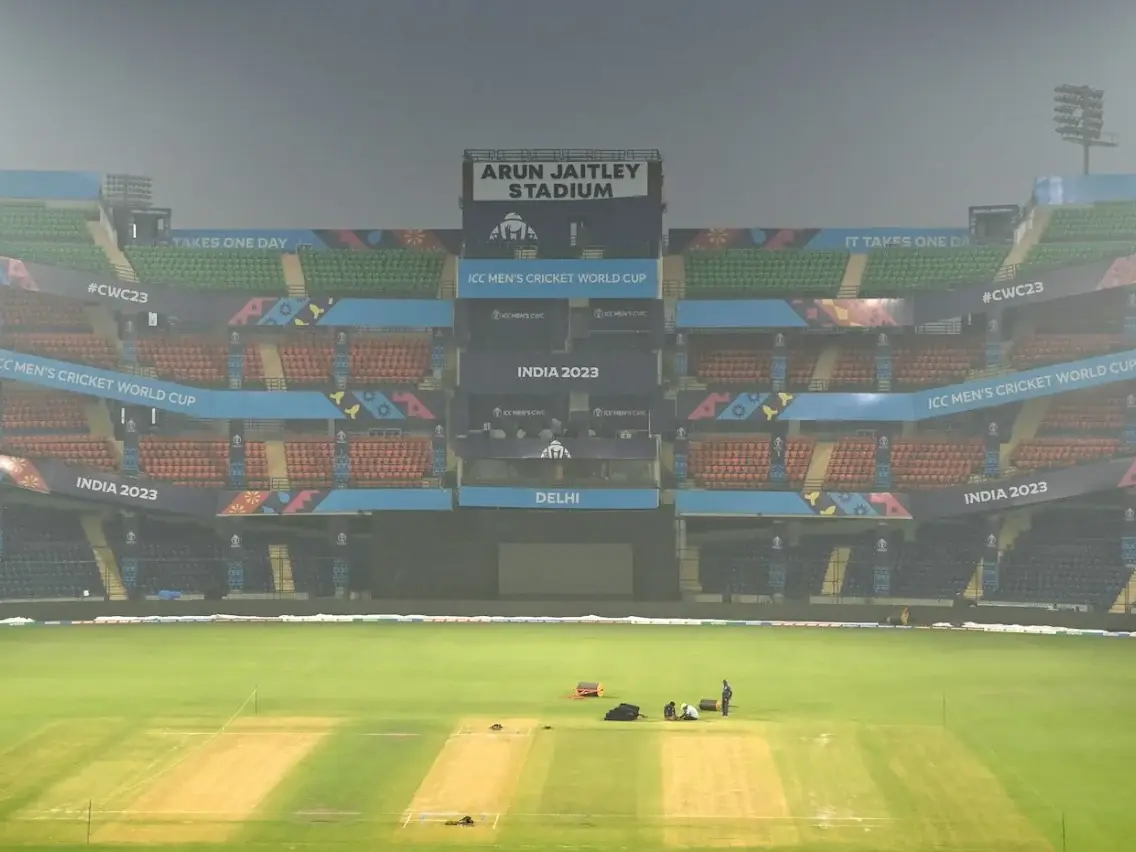
BCCI rejects venue shift reports, India vs Sri Lanka 1st ODI to remain in Delhi
&imwidth=180&imheight=135&format=webp&quality=medium)
UK school ditches technology, shifts from screen to pen and paper for learning
&imwidth=180&imheight=135&format=webp&quality=medium)
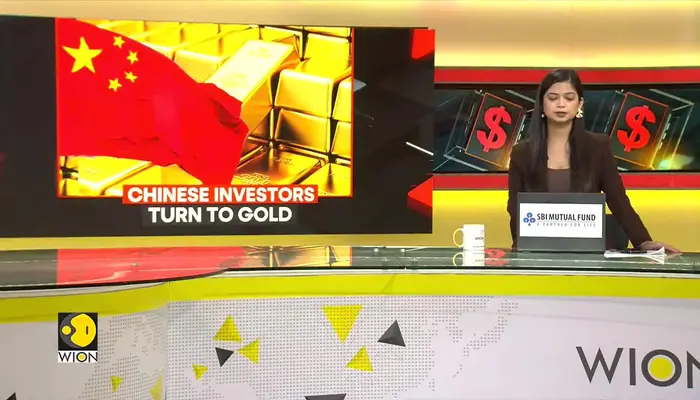
China’s gold rush puts billion in focus
&imwidth=180&imheight=135&format=webp&quality=medium)
Girl 'dead' for 8 hours wakes up at her own funeral, dad insists she wasn't breathing
&imwidth=180&imheight=135&format=webp&quality=medium)
'Ouch!!! That must hurt': Kangana Ranaut hails Kamal Haasan's sharp reply to Elon Musk over Starlink row
&imwidth=180&imheight=135&format=webp&quality=medium)
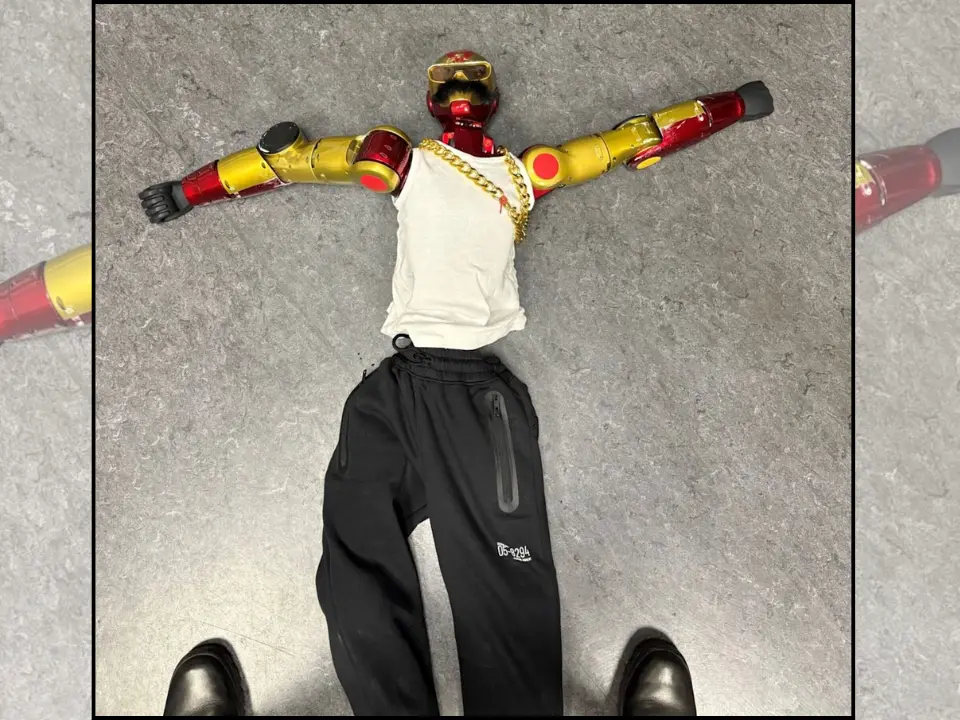
Robot gropes girl, makes thrusting movements in bizarre crime in Germany
&imwidth=180&imheight=135&format=webp&quality=medium)
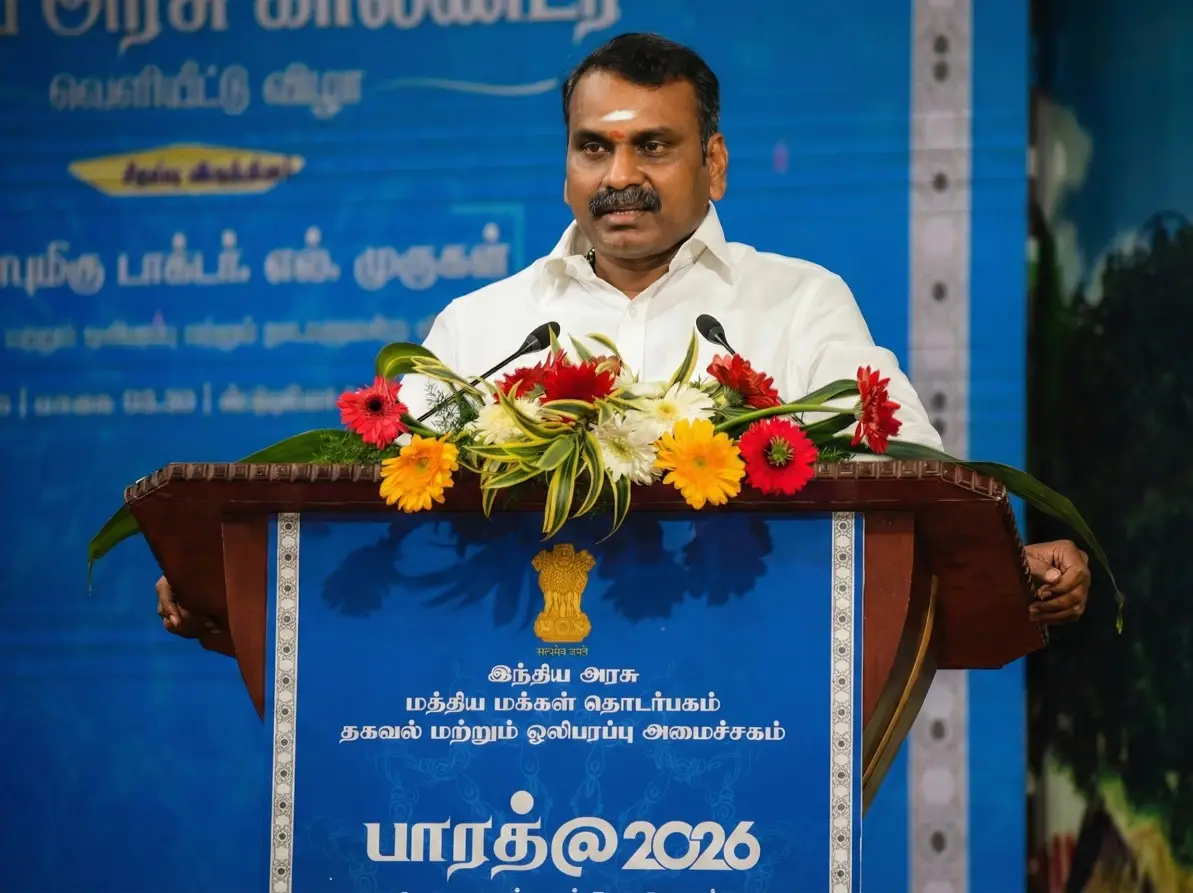
L Murugan resigns as Union Minister, expresses wish to return to grassroots
&imwidth=180&imheight=135&format=webp&quality=medium)
Trump weighs firing Kimberly Guilfoyle as US ambassador to Greece amid misconduct allegations: Report
&imwidth=180&imheight=135&format=webp&quality=medium)
'Absolutely disgusting': Australia slams US plan to livestream Nidal Hasan's execution; Mike Johnson raises concerns, warns of terrorist propaganda
&imwidth=180&imheight=135&format=webp&quality=medium)
Pakistan's government blames PTI for rise of terrorism in Khyber Pakhtunkhwa
&im=FitAndFill=(700,400)&imwidth=180&imheight=135&format=webp&quality=medium)
How does a robot decide what to do next?
&imwidth=180&imheight=135&format=webp&quality=medium)
Opposition’s 10 demands in Supreme Court petition range from stay on SIR to audit of voter rolls
&imwidth=180&imheight=135&format=webp&quality=medium)
Sidhu Moose Wala’s younger brother wins hearts by recreating late singer’s signature move at Toronto Hologram Show
&imwidth=180&imheight=135&format=webp&quality=medium)
'Turn approver, resign, we'll forgive you': Rahul Gandhi claims receiving messages from CEC Gyanesh Kumar
&imwidth=180&imheight=135&format=webp&quality=medium)
Anupam Kher joins Ranbir Kapoor's Ramayana as Jatayu, new poster unveiled
The affected vehicles include approximately 4.6 million full-size pickups and SUVs from the 2012-2018 model years, alongside roughly 1.3 million midsize SUVs of the same period.
In a separate instance in June 2023, NHTSA disclosed that GM paid $128.2 million in penalties related to fuel economy standards for the years 2016 and 2017. This marked the first fine in GM's 40-year history within the fuel economy program, opting initially to utilize credits to address compliance shortfalls before choosing to pay penalties.
Looking forward, NHTSA proposed increasing fuel economy standards from 2027 to 2032, estimating potential penalties for GM could total USD 906 million through 2031. Katherine García, director of Sierra Club’s clean transportation for all campaign, reiterated the importance of holding automakers accountable for exceeding emissions limits, emphasising the environmental and health implications of such violations.
Even though it is likely going to have a negative impact on perception in the short-term, according to analysts, this is a short-term negative that is unlikely to have a considerable negative impact in the long run. The EPA went further and clarified that no recall of the vehicles emitting excess emissions is required at the moment, while emphasising its mission to protect the people’s health and combat pollution through vehicle standards in the United States.
The impacted cars are roughly 4 thousand, Previously, it has reach out 3,875 cars but has continuing to increase at a steady rate. 7 million full-size pickups and SUVs of model years 2012-2018, and roughly 1. 3 million midsize SUVs of the same period as Ford Explorer, thus the market was highly competitive.
In a different instance in June 2023, NHTSA reported that GM compensated one hundred and a quarter of a billion dollars. From fines the AM reportedly paid 2 million fines for fuel economy standards violation for the year 2016 and 2017. This was the first fine in GM’s 40-year history in the fuel economy program; it chose first to use credits to rectify compliance deficiencies and later penalties.
Regarding the future, the NHTSA endowed the raising of the fuel economy standards from 2027 to 2032, predicting that GM might accumulate USD 906 million in penalties by 2031. Katherine García, the director of Sierra Club’s clean transportation for all campaign, also joined in meaning that it is about time for automakers to be held to task for violating the emissions limits and the repercussions of such violations include a ruined environment and health.